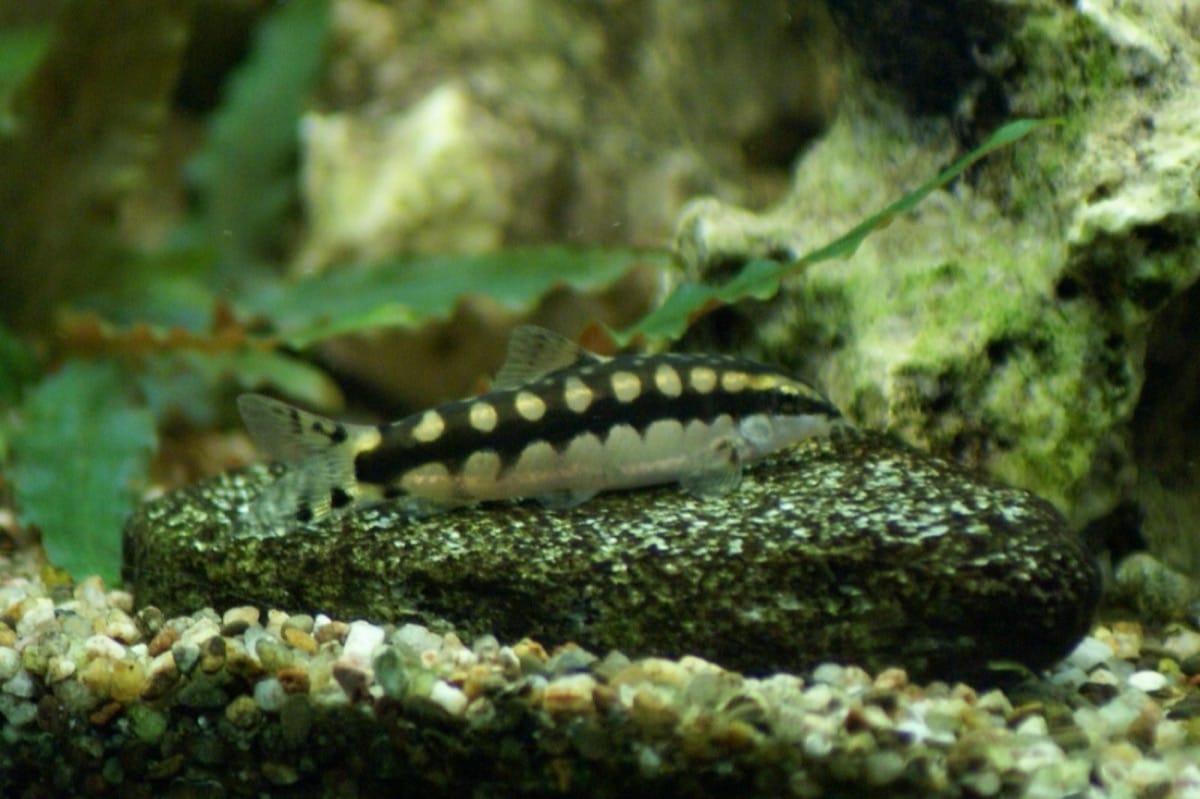
A tiny, active loach with a chain-link pattern — peaceful and a great snail-hunter for small tanks.
- Temperature24–28 °C
- pH6–7.5
- Minimum tank60 L
- DifficultyIntermediate
| Food | Sinking foods + bloodworm |
|---|---|
| Feeding | 1–2 feeds a day |
| Water change | 25% weekly |
Behaviour and habits
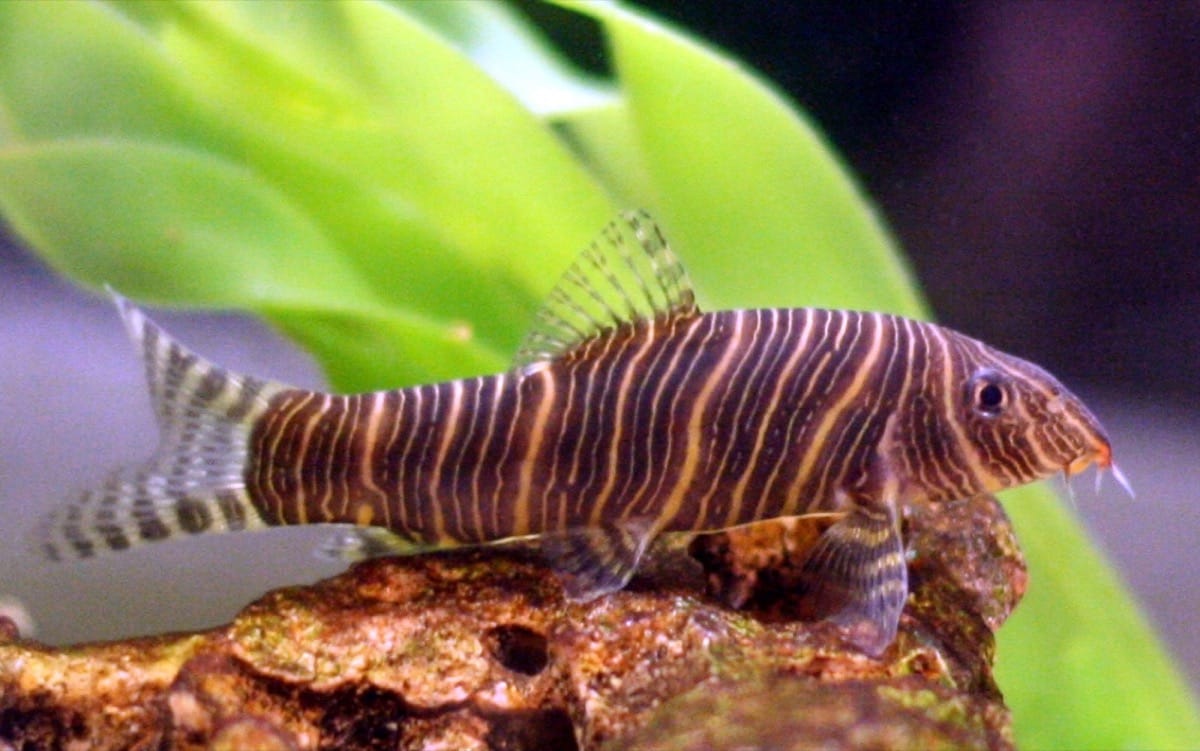
The dwarf chain loach is a tiny, lively loach with a chain-link pattern of spots, and it is unusual in swimming in mid-water as much as sifting the bottom. A bold, peaceful group fish, it is famous for hunting pest snails and suits a nano or small community tank, darting about and resting in loose groups. In a group of six or more it is confident and active; alone it hides.
What to feed, and how often
Sinking foods plus frozen bloodworm and daphnia, fed once or twice a day. It also eats small pest snails, which is part of its appeal, but do not rely on snails alone — it needs proper food to stay in condition.
Water changes and maintenance
Change about 25% weekly with a gentle vacuum. Keep the water clean and well-oxygenated, provide caves and plants, and keep it in a group of six or more for the best behaviour.
Care and how easy it is
Peaceful and great for a small community; keep a group, provide cover, and avoid keeping it with much larger fish.
Common health problems
Prone to ich and to 'skinny disease' from internal parasites, like other loaches.
If it gets sick
Quarantine and deworm new loaches, and treat ich early with warmth and medication, watching the group closely.
Good tank mates
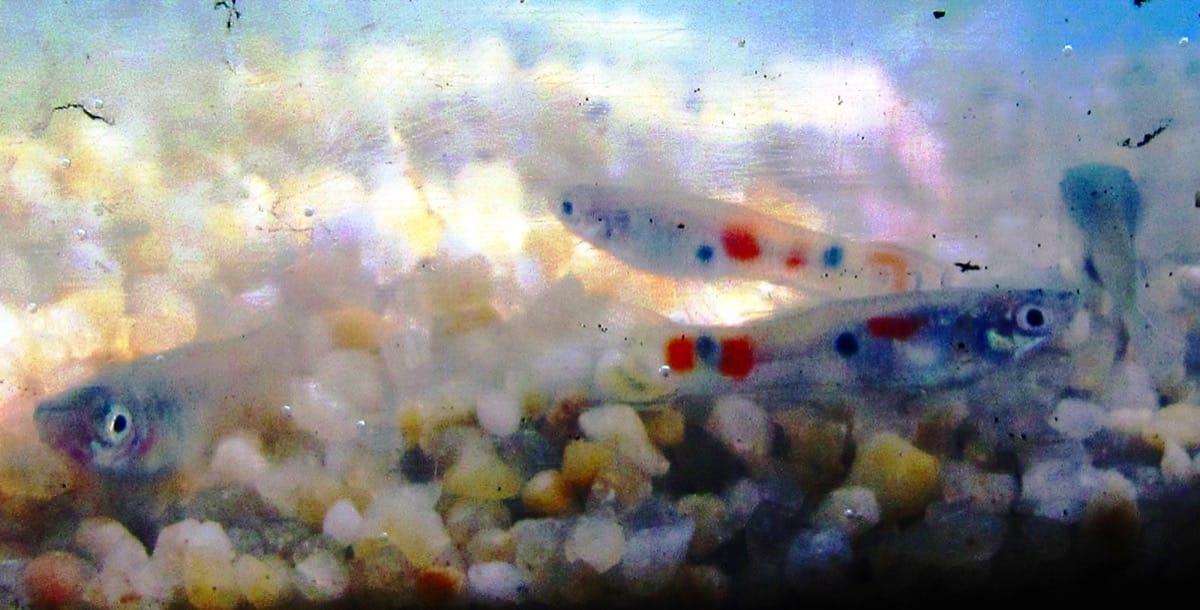
- 22-26 C
- pH 7.0-8.5
- 60 L+; 60 x 30 cm base
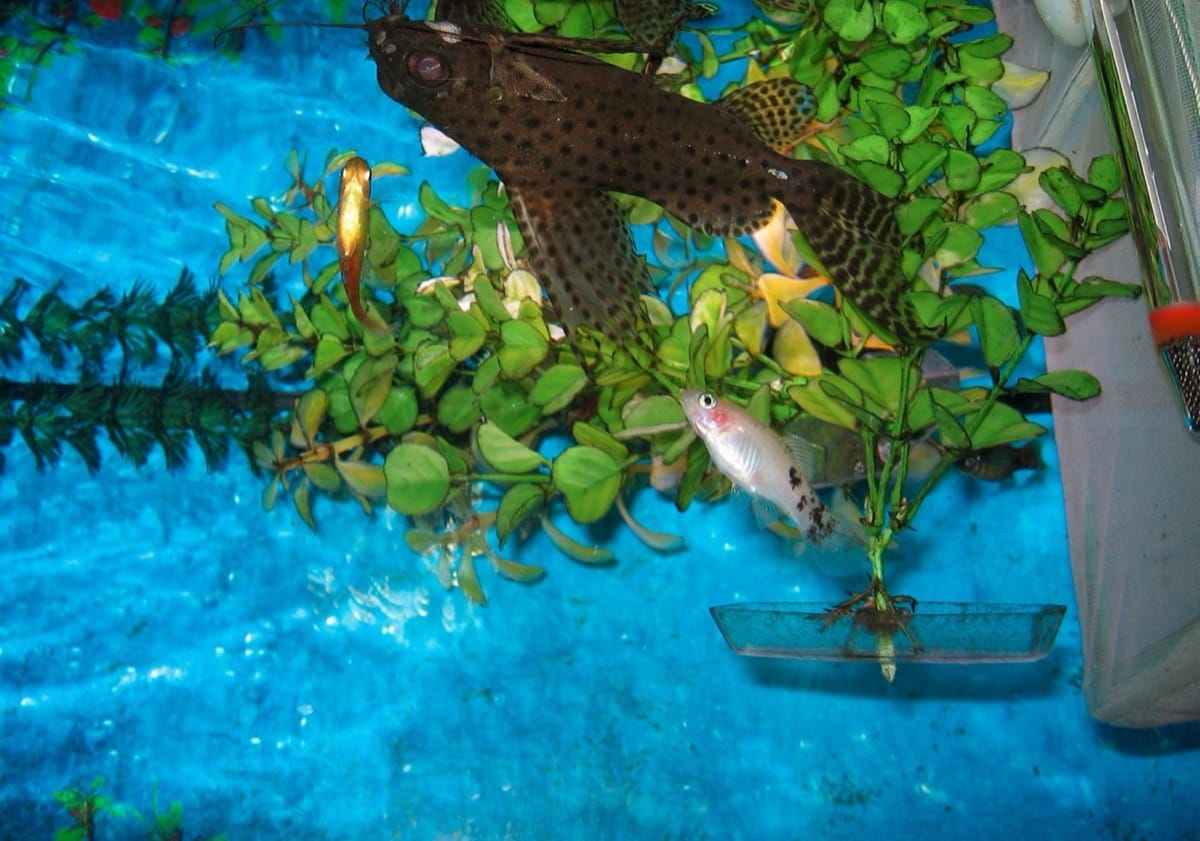
- 20–26°C
- pH 7–8.2
- 50 L+
- 22–28°C
- pH 7–8.5
- 70 L+
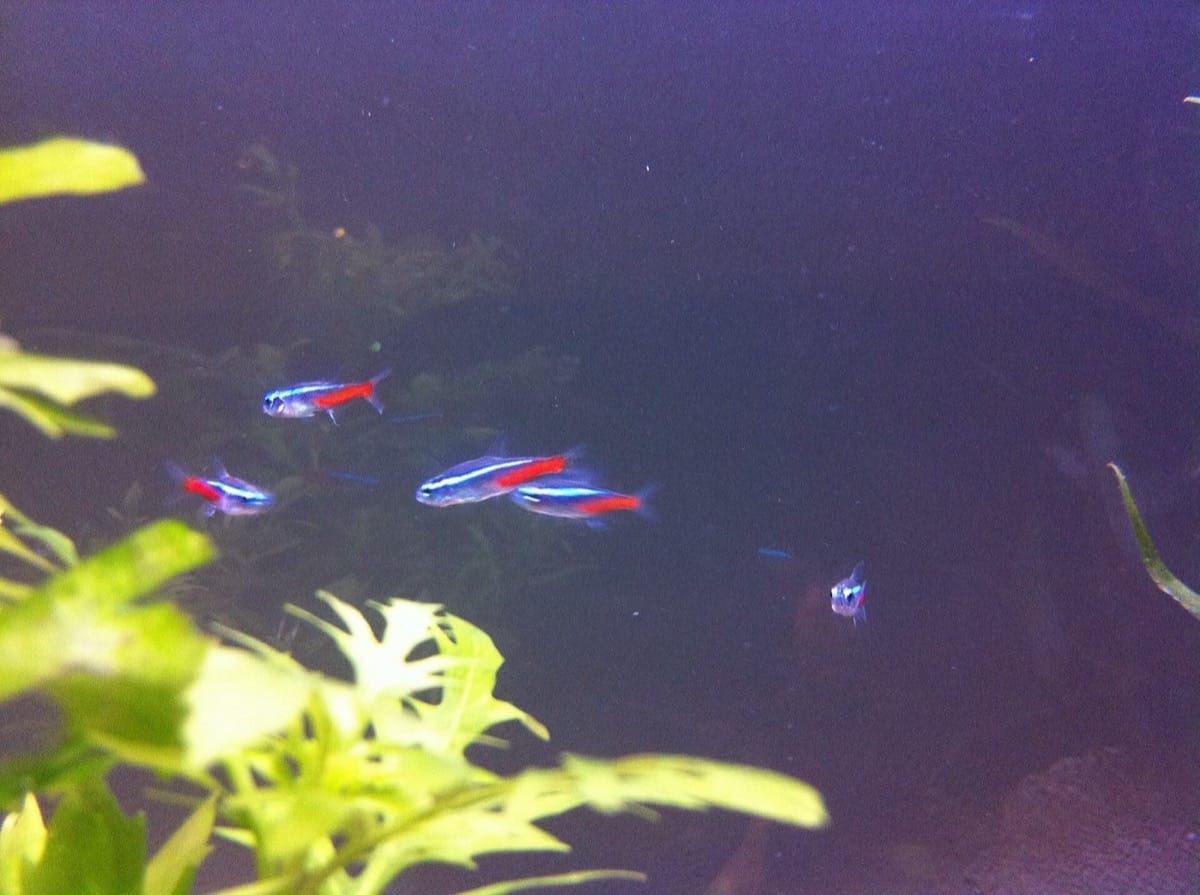
- 21-25 C
- pH 6.0-7.5
- 60 L+; 60 x 30 cm base
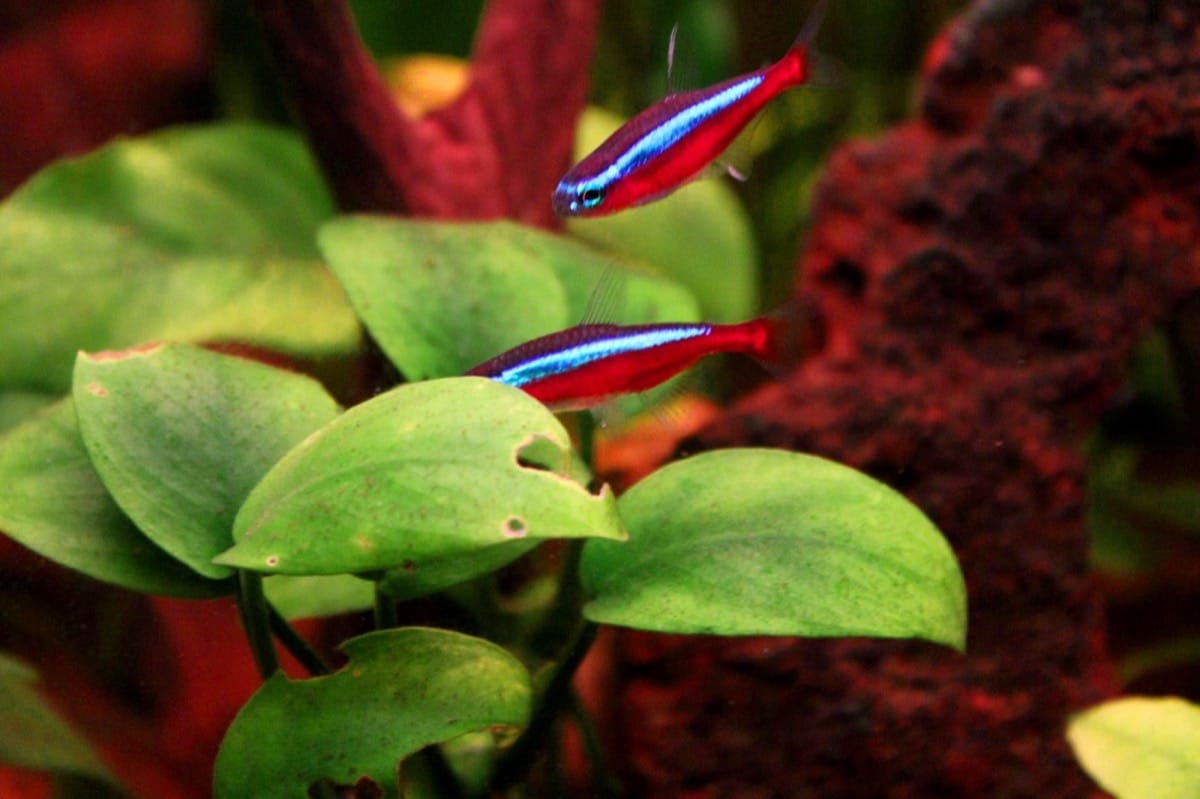
- 23–28°C
- pH 5–6.8
- 60 L+
Best avoided with
Similar species
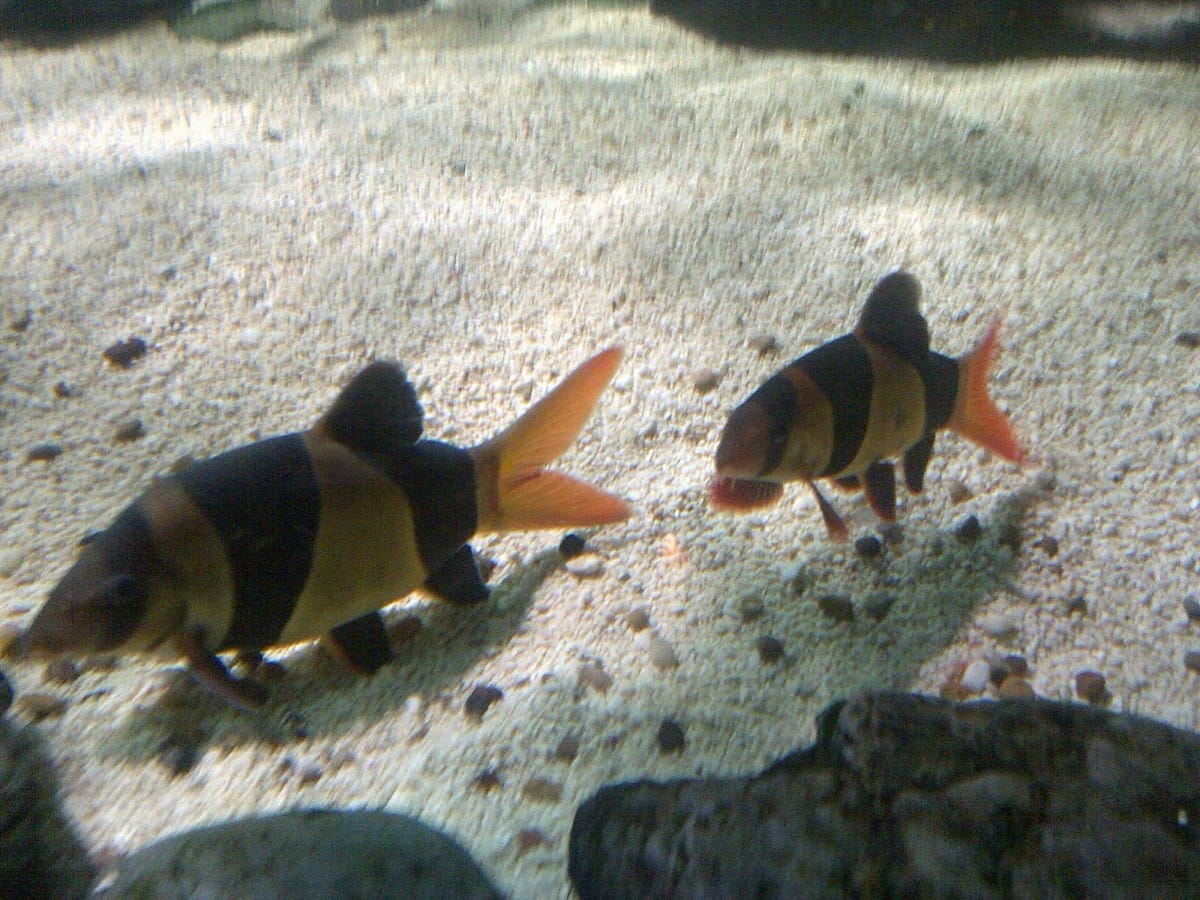
- 24–30°C
- pH 6–7.5
- 300 L+
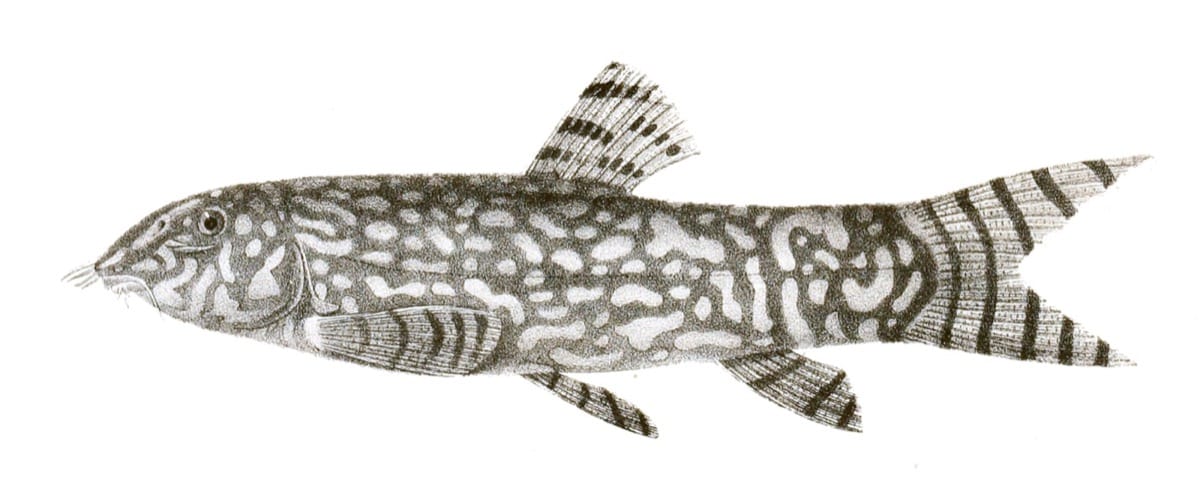
- 24–28°C
- pH 6–8
- 120 L+
- 23–27°C
- pH 6–7.5
- 90 L+
Compare at a glance
| Parameters | Dwarf chain loach | Clown loach | Yoyo loach | Zebra loach |
|---|---|---|---|---|
| Parameters | ||||
| Temp | 24–28 °C | 24–30 °C | 24–28 °C | 23–27 °C |
| pH | 6–7.5 | 6–7.5 | 6–8 | 6–7.5 |
| GH | 2–12 °dGH | 2–12 °dGH | 5–15 °dGH | 4–15 °dGH |
| Min. tank | 60 L | 300 L | 120 L | 90 L |
| Size | 5 cm | 30 cm | 15 cm | 8 cm |
| Diet | Carnivore | Omnivore | Carnivore | Carnivore |
| Temperament | Peaceful | Peaceful | Semi-aggressive | Peaceful |
| Difficulty | Intermediate | Intermediate | Intermediate | Intermediate |
Care guides
New to the words? See the aquarium glossary.
Sources and research notes
Parameters are typical ranges for the species in home aquariums and vary with the individual fish and the water you use.