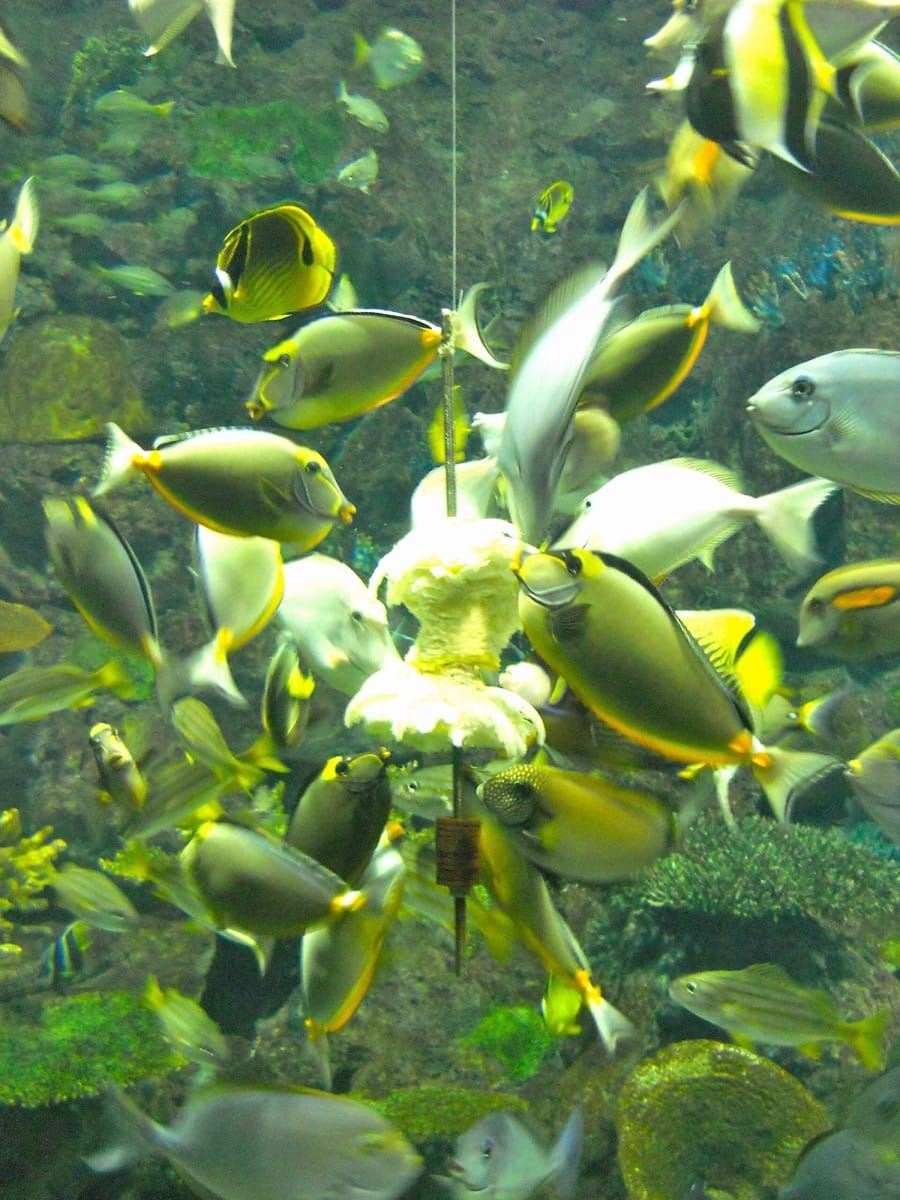
How Often Should You Feed Fish?
Overfeeding causes more aquarium problems than underfeeding. Here is a realistic feeding routine, and the signs that you are giving too much.
Most new keepers feed fish far too much. Uneaten food decays into ammonia, clouds the water and feeds algae. Fish need less than people expect, and a light, consistent routine keeps both fish and water healthy.
How much and how often
- Once or twice a day suits most fish.
- Only what they clear in 1–2 minutes. If food reaches the bottom, you fed too much.
- Skip a day a week — fish cope easily, and it lets the tank rest.
- Feed less in a new tank, for shy fish, and during illness.
Signs you are overfeeding
- Rising nitrate and more frequent algae.
- Cloudy water or a film on the surface.
- Food sinking to the substrate uneaten.
- Fat, sluggish fish, or fish that stop eating.
What to feed
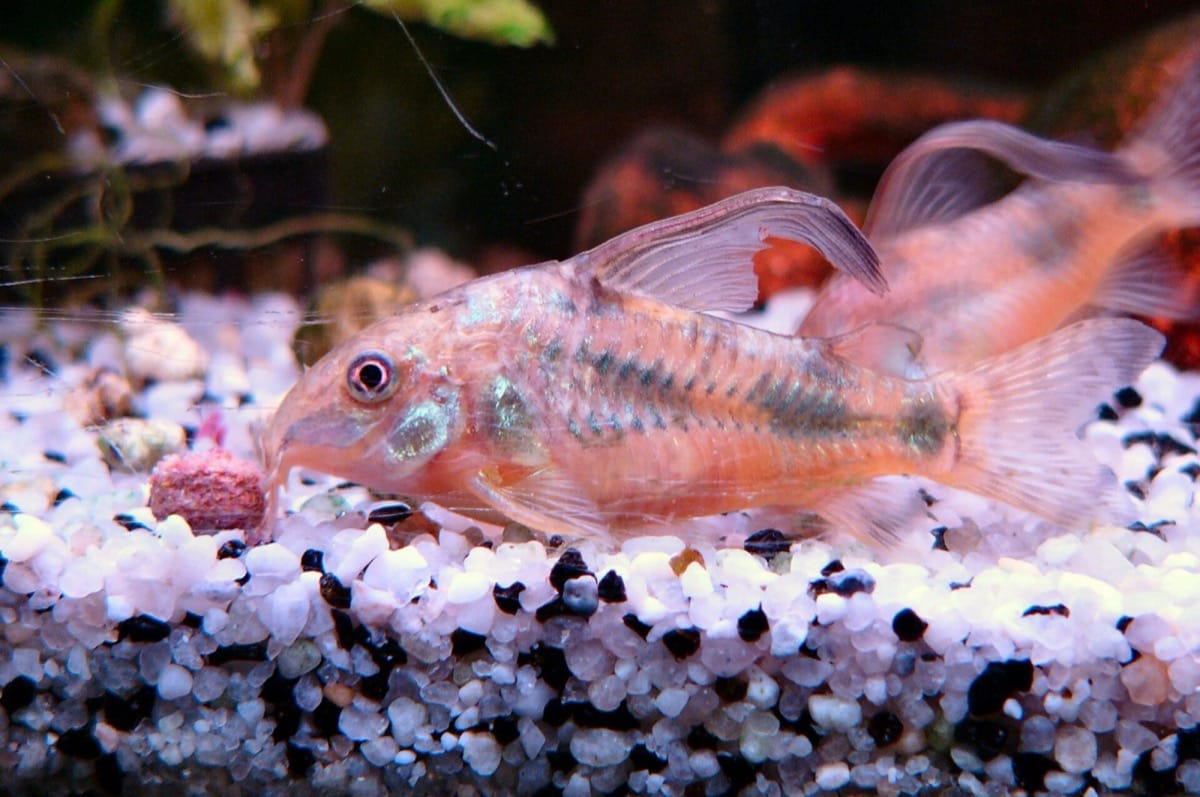
Match the food to the fish: a good flake or pellet as the staple, plus frozen or live foods such as bloodworm and daphnia as extras. Herbivores need vegetable matter, and bottom-dwellers (corydoras, loaches) need sinking food that reaches them — see each species profile for specifics.
Judging the portion
The reliable test is not a number of flakes but time: feed only what the fish clear in one to two minutes. If food is still drifting down after that, you gave too much. A fish's stomach is roughly the size of its eye, so the volume that actually nourishes it is surprisingly small. It is far safer to underfeed slightly than to overfeed, because uneaten food decays straight into the water.
Different fish eat differently — surface feeders grab food instantly, while bottom-dwellers like corys and loaches need sinking food that reaches them before faster fish take it. In a mixed tank, watch that everyone gets a share rather than the quickest fish eating everything.
Building a routine
Once or twice a day suits most adults. A common, simple routine is one feed in the morning and one in the evening, with one fasting day a week to let the tank rest and the fish clear their systems. Grow-out fry need more frequent, tiny meals, while adult fish that are fed rich frozen food several times a week need less dry food to balance it. Whatever you choose, keep it consistent — a routine is easier on the water and the fish than an erratic one.
What counts as food
A good flake or pellet is the staple, but variety keeps fish in condition. Frozen and live foods such as bloodworm, daphnia and brineshrimp add protein and encourage natural feeding behaviour. Herbivores like mollies and plecos need vegetable matter — blanched courgette, spinach or spirulina — and grazing species such as otocinclus need algae and biofilm to supplement. Match the food to the fish rather than feeding everyone the same tin.
Reading the signs
Too much: food reaching the bottom, cloudy water, rising nitrate, fat and sluggish fish. Too little: hollow bellies, fish that rush the glass whenever you approach, and slow growth in young fish. Most beginners err on the side of too much, so if in doubt, feed less and watch the water.
Holidays and fasting
Healthy adult fish cope with several days without food, so a long weekend needs no intervention at all. For a longer trip, do not rely on a well-meaning neighbour to feed — overfeeding by a helper is a classic way to return to cloudy water and dead fish. A measured holiday block, or simply fasting them, is safer. Young fish and fry are the exception; they need regular feeding and do not tolerate long gaps.
Feeding for growth and breeding
Fry and growing juveniles need more food, more often — small amounts several times a day, of food fine enough to eat. Adults being conditioned for breeding also benefit from richer, more frequent feeding of frozen and live foods in the weeks beforehand. Outside those cases, adult fish need surprisingly little, and consistency matters more than quantity.
The link to water quality
Every gram of food not turned into fish becomes waste, and waste becomes ammonia, then nitrate. Feeding is therefore the single biggest lever you have over water quality. Cut the food in half and a tank that struggled with nitrate often settles on its own. If you are fighting algae or rising nitrate, look at how much you feed before anything else.
Can I leave fish unfed on holiday?
Healthy adult fish cope with several days unfed. For longer trips, use a measured holiday block or have someone feed sparingly — overfeeding by well-meaning helpers is a classic disaster.
My fish always seem hungry — should I feed more?
Begging is normal. Stick to the routine; fish eat whatever you offer regardless of need.
Do I need to feed bottom-dwellers separately?
Yes — sinking pellets or tablets ensure corys and loaches get food before faster fish eat it.
Related guides
Tools for this guide
Sources and research notes
Feeding guidance follows standard fishkeeping advice; individual species needs vary and are covered on each species page.
Written and edited by the Tankwise Editorial. Every guide answers one real fishkeeping question, is checked against the sources listed above, and is updated when guidance changes. We are an independent editorial desk, not veterinary or aquarium professionals — read how we research and update our guides.
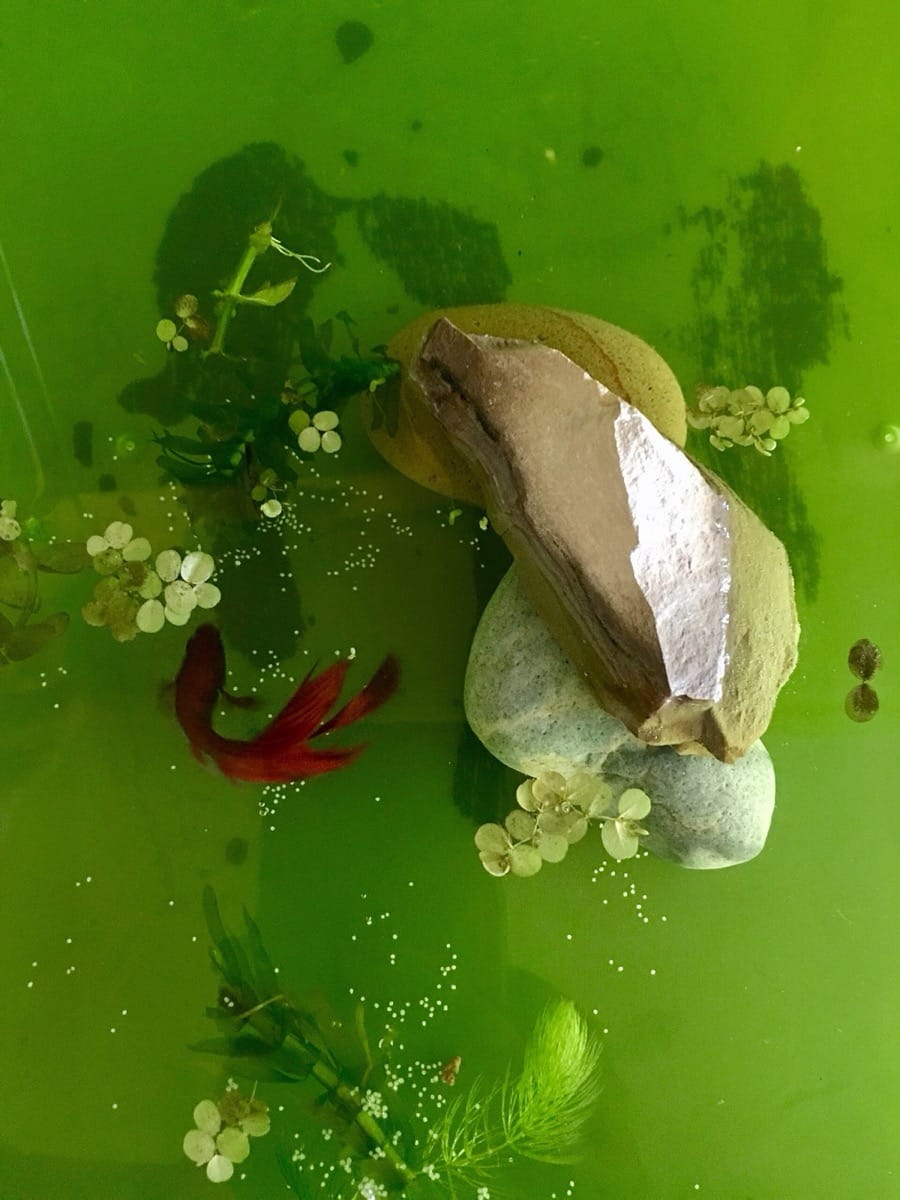
- 24-26 C
- pH 6.5-7.5
- 40 L+; 45 x 30 cm base
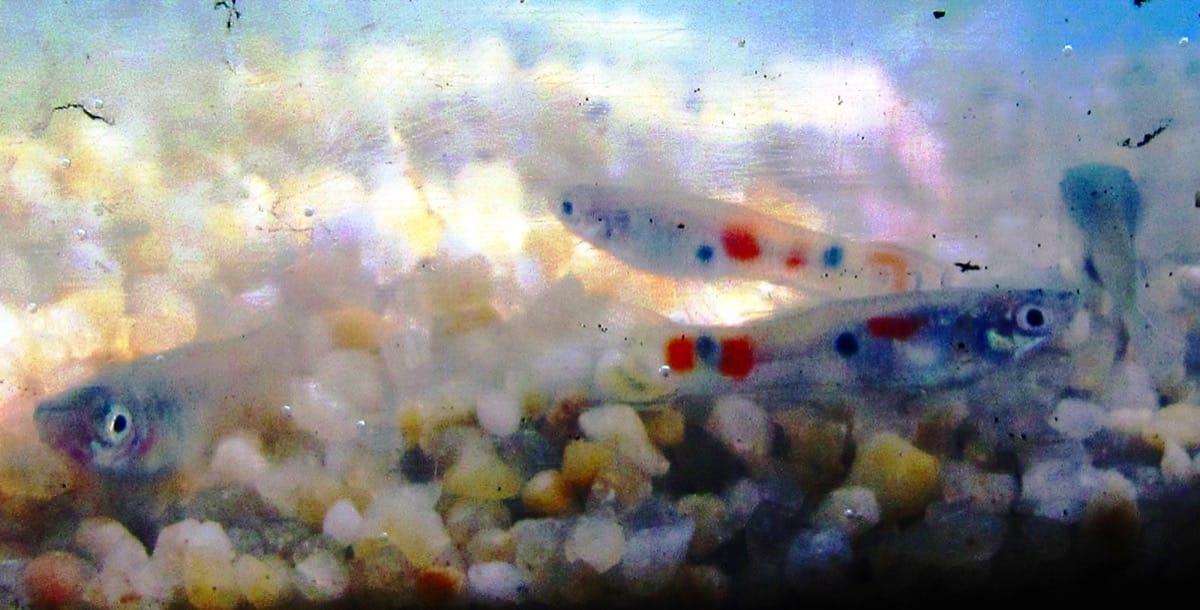
- 22-26 C
- pH 7.0-8.5
- 60 L+; 60 x 30 cm base
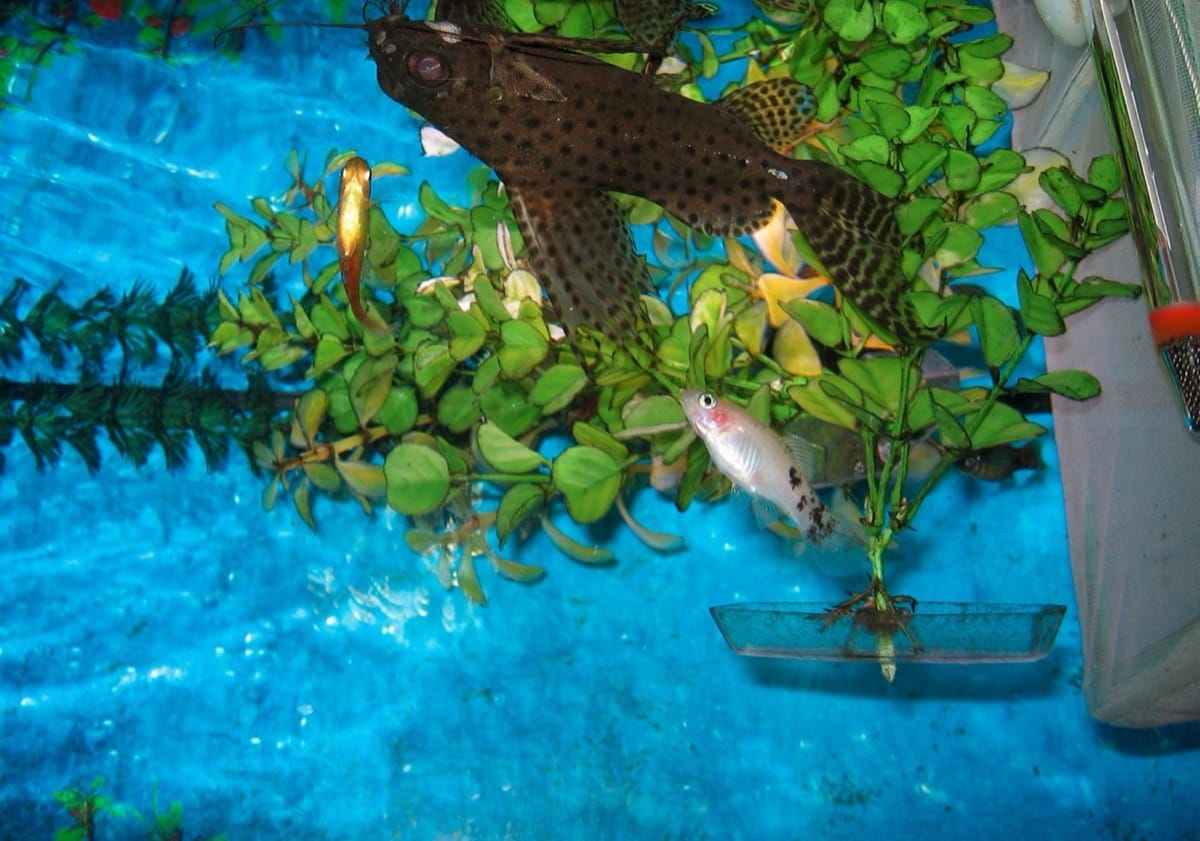
- 20–26°C
- pH 7–8.2
- 50 L+
- 20–26°C
- pH 6–7.8
- 60 L+