How Often Should You Change Aquarium Water?
Water changes remove waste that the filter cannot, and keep minerals topped up. There is no single number, but there is a simple way to find yours.
If there is one habit that prevents most tank problems, it is the regular water change. Changing part of the water dilutes nitrate and other waste, replenishes minerals, and keeps chemistry stable. A weekly change of about 25% suits most community tanks; heavily stocked or messy tanks need more.
How much and how often
| Situation | Typical routine |
|---|---|
| Lightly stocked, well filtered | 20–25% weekly |
| Average community tank | 25–30% weekly |
| Heavily stocked / messy fish | 30–50% weekly |
| New or cycling tank | Small, frequent changes while it settles |
How to do a water change
- Switch off the heater and filter if the water level will drop below their operating line.
- Remove water with a gravel vacuum, cleaning part of the substrate as you go.
- Match the new water to tank temperature and treat it with a dechlorinator before or as it goes in.
- Refill gently so you do not disturb the substrate or fish.
- Restart equipment and check the temperature.
Why consistency beats perfection
Fish cope with a routine they can rely on. A steady weekly change keeps nitrate and dissolved waste low and water chemistry stable, which prevents far more problems than reacting after something goes wrong. For a specific issue like an ammonia spike, several moderate changes are safer than one huge one, because big swings in temperature or chemistry can shock fish.
Practical tips
- Mark a bucket so the volume is the same each time.
- Vacuum on rotation — part of the substrate each week rather than all of it at once.
- Never rinse filter media under the tap during a change; use removed tank water.
- Test nitrate to fine-tune how much you change.
Why we change water
Even a perfectly cycled filter turns ammonia into nitrate, which builds up over time, and the tank loses minerals and buffers as fish consume them. Water changes dilute nitrate and other wastes and replace minerals, which is why they matter even when the water looks crystal clear. A tank that is never changed slowly becomes a hostile place, however good the filter is.
How much, how often
Most community tanks do well with 25% every one to two weeks. Heavily stocked or messy tanks (large cichlids, goldfish) need more — often 30–50% weekly. Lightly stocked planted tanks with lots of plants may need less, since plants use nitrate as food. Start with 25% weekly, track your nitrate, and adjust: if nitrate climbs between changes, change more; if it stays very low and stable, you can change slightly less.
Let your test kit decide
Rather than guessing, test nitrate before each change. A common target is to keep nitrate below about 20–40 ppm, depending on your fish. If it is rising above that by the time your next change is due, increase either the volume or the frequency. This one habit turns water changes from a fixed chore into a precise, self-adjusting routine that suits your individual tank.
Doing it properly
- Dechlorinate and temperature-match the new water.
- Vacuum part of the substrate while siphoning out old water.
- Remove 25% or so, then refill gently without disturbing fish.
- Switch equipment back on and check temperature.
Never change 100% of the water: it strips the minerals and biology the fish depend on and can cause serious shock. Consistency matters more than a heroic big change now and then.
What else removes waste
Plants, especially fast growers, take up nitrate and can reduce how often you change water, but they do not replace it — minerals still need topping up. A deep sand bed, more filter media and fewer fish all reduce the waste load, but the water change remains the one reliable reset. Good flow and regular gravel vacuuming help the filter do its job between changes.
Make it a habit
Pick a day and a volume, keep the tools together, and the change takes fifteen minutes. It is the single most valuable routine in the hobby: it removes what the filter cannot, replaces what the fish use up, and heads off the slow buildup of nitrate that quietly shortens fish lives.
Is a weekly water change too often?
No — weekly is the common recommendation. The right volume depends on stocking and filtration, but consistency is what matters.
Can I change too much?
You can, if the new water differs sharply from the tank. Match temperature and treat the water; for problems, several smaller changes are gentler.
Do I need to clean the whole filter each time?
No. Filter media should be rinsed lightly in tank water only occasionally, to avoid removing the bacteria.
Related guides
Tools for this guide
Sources and research notes
Routines are typical community guidance; the right volume depends on stocking, feeding and filtration.
Written and edited by the Tankwise Editorial. Every guide answers one real fishkeeping question, is checked against the sources listed above, and is updated when guidance changes. We are an independent editorial desk, not veterinary or aquarium professionals — read how we research and update our guides.
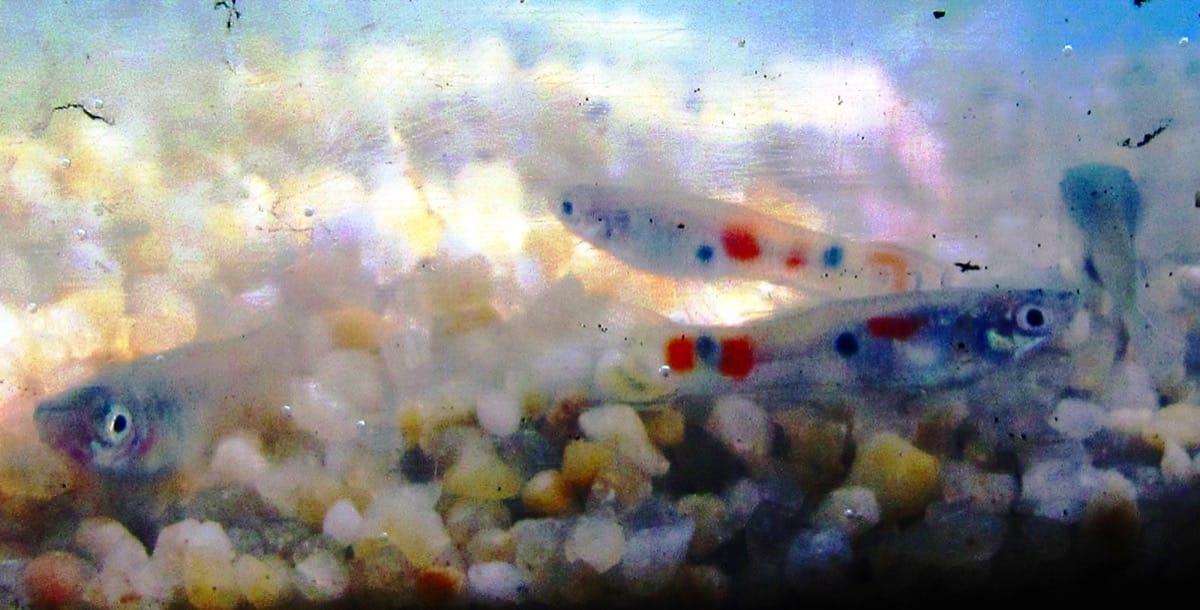
- 22-26 C
- pH 7.0-8.5
- 60 L+; 60 x 30 cm base
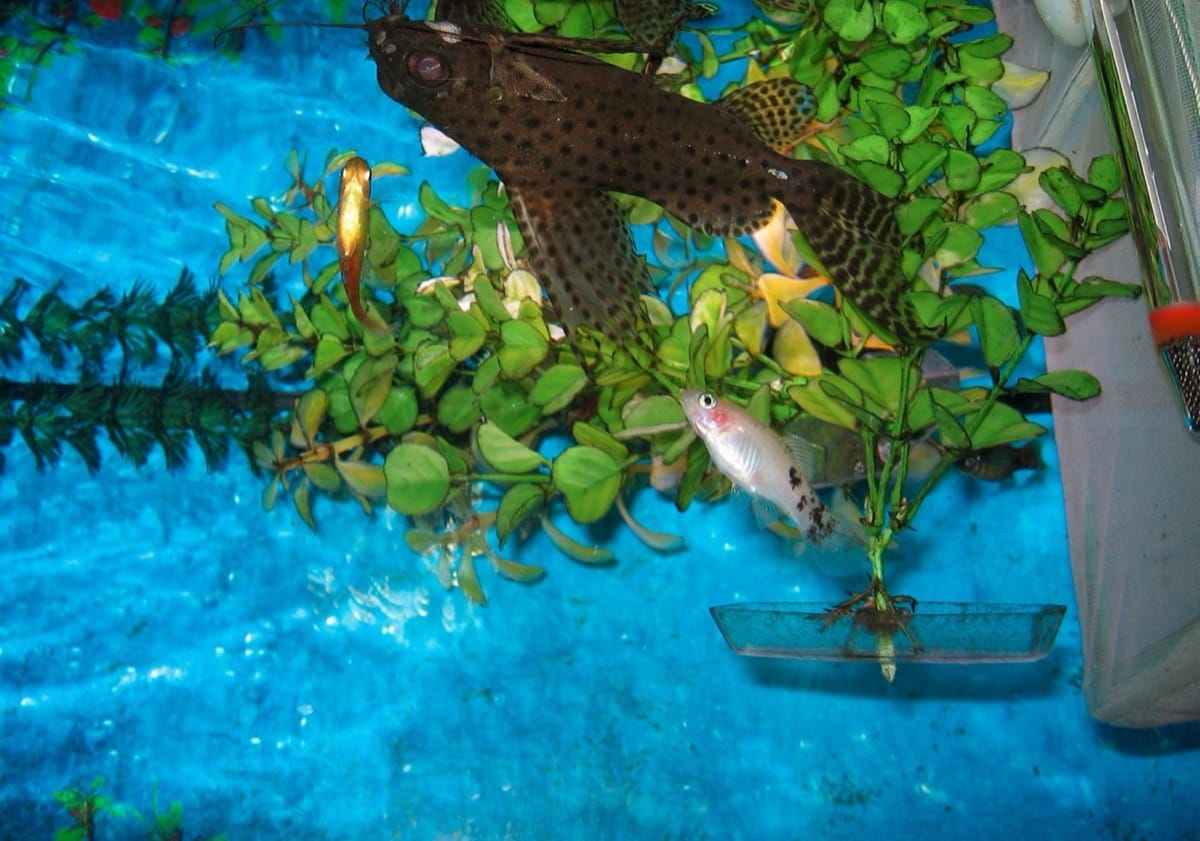
- 20–26°C
- pH 7–8.2
- 50 L+
- 22–28°C
- pH 7–8.5
- 70 L+
- 21-25 C
- pH 6.0-7.5
- 60 L+; 60 x 30 cm base