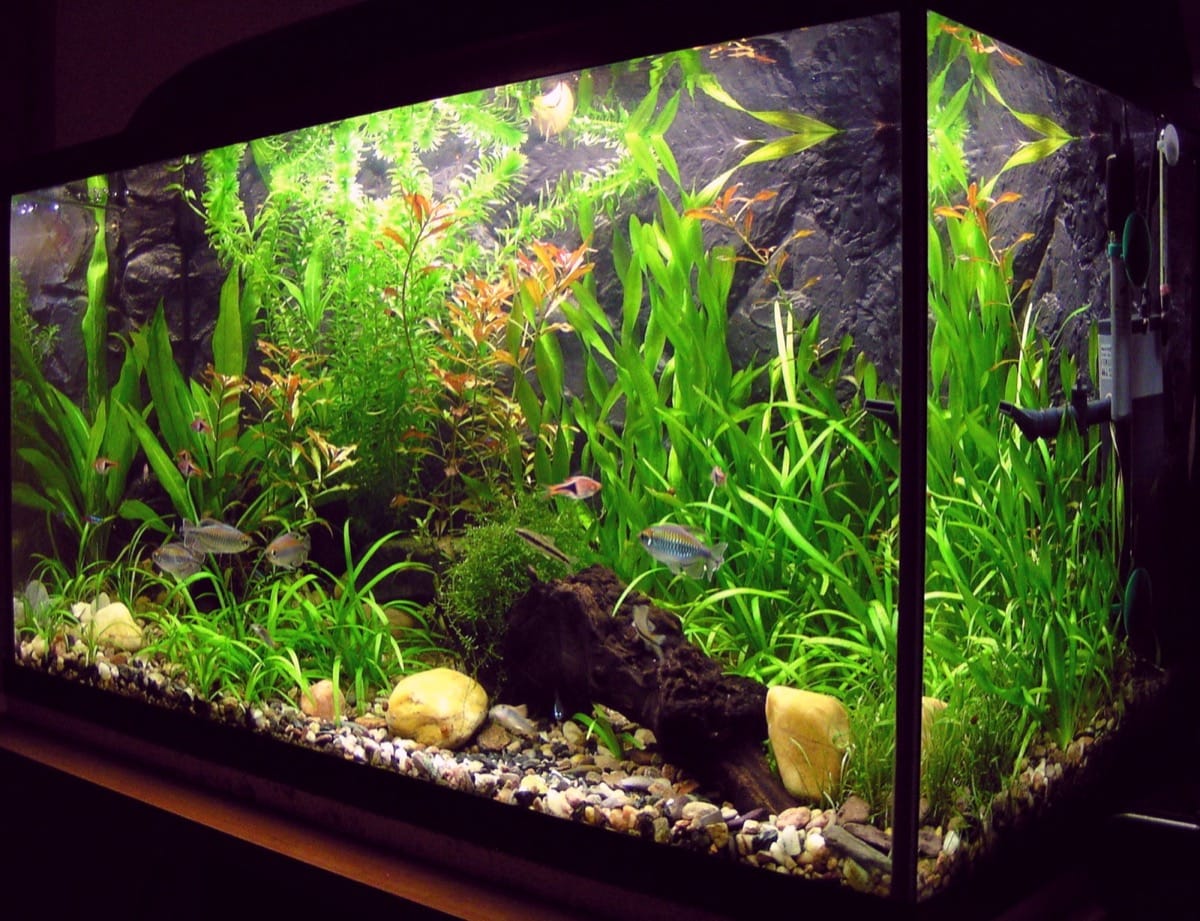
Aquarium Algae: Types and How to Fix Them
Algae is a symptom of imbalance, not a disease. Identify the type, correct the cause, and most outbreaks settle within a few weeks without chemicals.
Every tank grows some algae, and a little is normal and even useful as food for grazers. Problems start when algae outcompetes the plants. The cure is not a bottle of "anti-algae" — it is finding which imbalance is feeding it.
The main types
| Algae | Looks like | Usual cause |
|---|---|---|
| Green spot | Hard green dots on glass and leaves | Too much light, low phosphate control |
| Green water | Pea-soup cloud | Excess light and nutrients (see cloudy water guide) |
| Hair / thread | Long green strands | Nutrient imbalance, too much light, low flow |
| Black beard | Dark tufts on edges and equipment | High flow areas, fluctuating CO₂, organics |
| Diatoms (brown) | Brown dusting | Common in new tanks; usually fades |
Fix the balance
- Light: run 6–8 hours a day on a timer, and keep the tank out of direct sunlight.
- Feeding: feed less. Uneaten food is algae fuel.
- Water changes: a weekly 25% change removes nutrients and organic waste.
- Plants: healthy, fast-growing plants use the nutrients algae wants; add more.
- Flow and CO₂: steady circulation and, in planted tanks, stable CO₂ reduce black beard and thread algae.
Use grazers, but do not rely on them
Snails, shrimp, otocinclus and some fish help, but no animal eats every algae, and adding grazers to a poorly balanced tank just adds to the waste. Fix the light and nutrients first, then let grazers handle the leftovers.
A simple recovery routine
- Cut lighting to 6 hours for two weeks.
- Reduce feeding and do a 25% water change twice a week.
- Remove the worst algae by hand and clean the glass.
- Check the filter is not clogged, and improve flow.
- Add or thin plants so they compete better.
The main types
| Type | Looks like | Usual cause |
|---|---|---|
| Green spot | Hard dots on glass and leaves | Low phosphate, strong light, low flow |
| Green water | Soup-green tint | Too much light plus excess nutrients |
| Hair / thread | Long strands on plants | Nutrient imbalance, too little CO2 |
| Black beard | Dark tufts on edges | Low CO2, fluctuating nutrients |
| Diatoms | Brown dust, common in new tanks | New-setup silicates; usually clears itself |
Fixing the balance
Almost every algae problem comes down to light plus nutrients out of balance. Shorten the photoperiod to six or seven hours, stop overfeeding, keep up water changes to remove nutrients, and add or improve flow so water does not stagnate. If you use fertiliser, add less, not more — algae thrive on what plants do not use. In a plantless tank, simply cutting light and food often ends the bloom.
Grazers and cleaners
Snails, otocinclus catfish, amano shrimp and some plecos eat algae, but they control it rather than cure it — fix the cause as well. Green water rarely responds to grazers at all, since the algae is free-floating; there the answer is darkness for a few days and less light and food afterwards. Never buy a fish only as an "algae eater", as many outgrow the job or need a diet the tank cannot provide.
A recovery routine
- Reduce light to six or seven hours a day.
- Feed less so no food reaches the bottom.
- Change 25–30% of the water weekly to lower nutrients.
- Clean the glass and remove affected leaves by hand.
- Keep flow moving so debris cannot settle.
A little is normal
Some algae on rocks and wood is natural and even helps the look of a tank; fish and shrimp graze on it. The goal is not a sterile aquarium but a balanced one, where plant growth and clean water keep algae in the background. Give any change two or three weeks to work before adjusting further, and avoid the trap of chasing it with chemicals that upset the whole ecosystem.
Preventing it coming back
Once an outbreak clears, the aim is to keep the balance that prevented it. Keep the photoperiod steady on a timer so the tank gets the same hours every day, feed measured portions that vanish quickly, change water on schedule, and keep the filter clean enough that flow never stagnates. With live plants, healthy growth is the best algae prevention of all, because plants out-compete algae for the same nutrients. Change one thing at a time and give it a fortnight to show, so you learn what your tank actually responds to rather than guessing.
Do I need an algae treatment?
Rarely. Most algae problems are fixed by light, feeding and water changes. Treatments can harm plants and shrimp.
Is some algae good?
Yes — a light coating feeds grazers such as otocinclus, shrimp and snails. Aim for control, not zero.
Why does new-tank brown algae appear?
Diatoms are common in immature tanks and usually fade as the tank matures.
Related guides
Tools for this guide
Sources and research notes
Algae causes and fixes follow standard planted-tank guidance; the underlying principle is balance between light, nutrients and plant growth.
Written and edited by the Tankwise Editorial. Every guide answers one real fishkeeping question, is checked against the sources listed above, and is updated when guidance changes. We are an independent editorial desk, not veterinary or aquarium professionals — read how we research and update our guides.
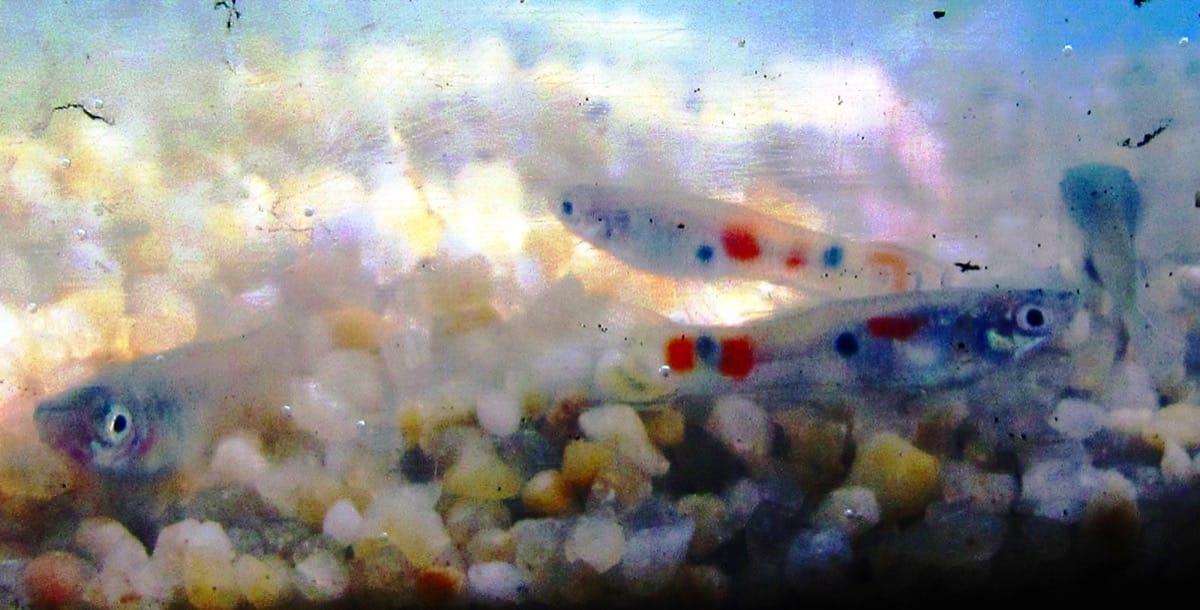
- 22-26 C
- pH 7.0-8.5
- 60 L+; 60 x 30 cm base
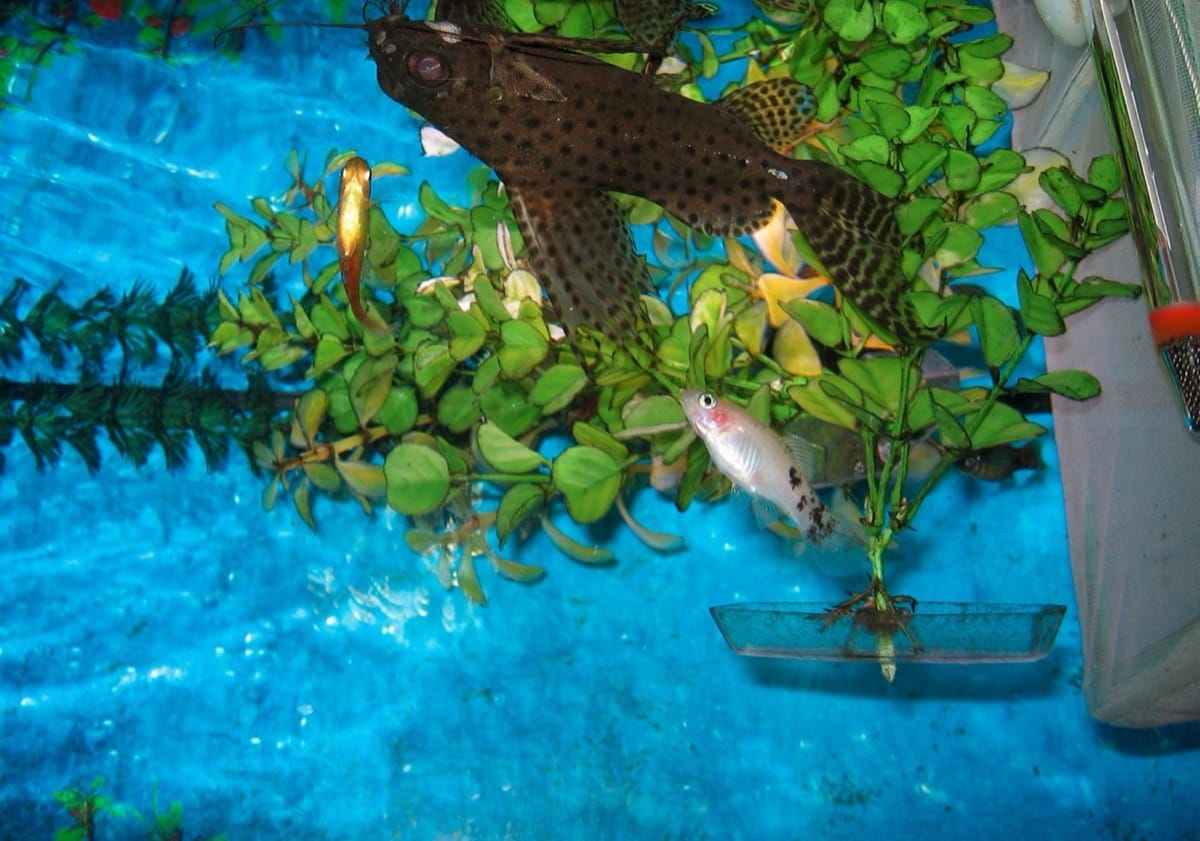
- 20–26°C
- pH 7–8.2
- 50 L+
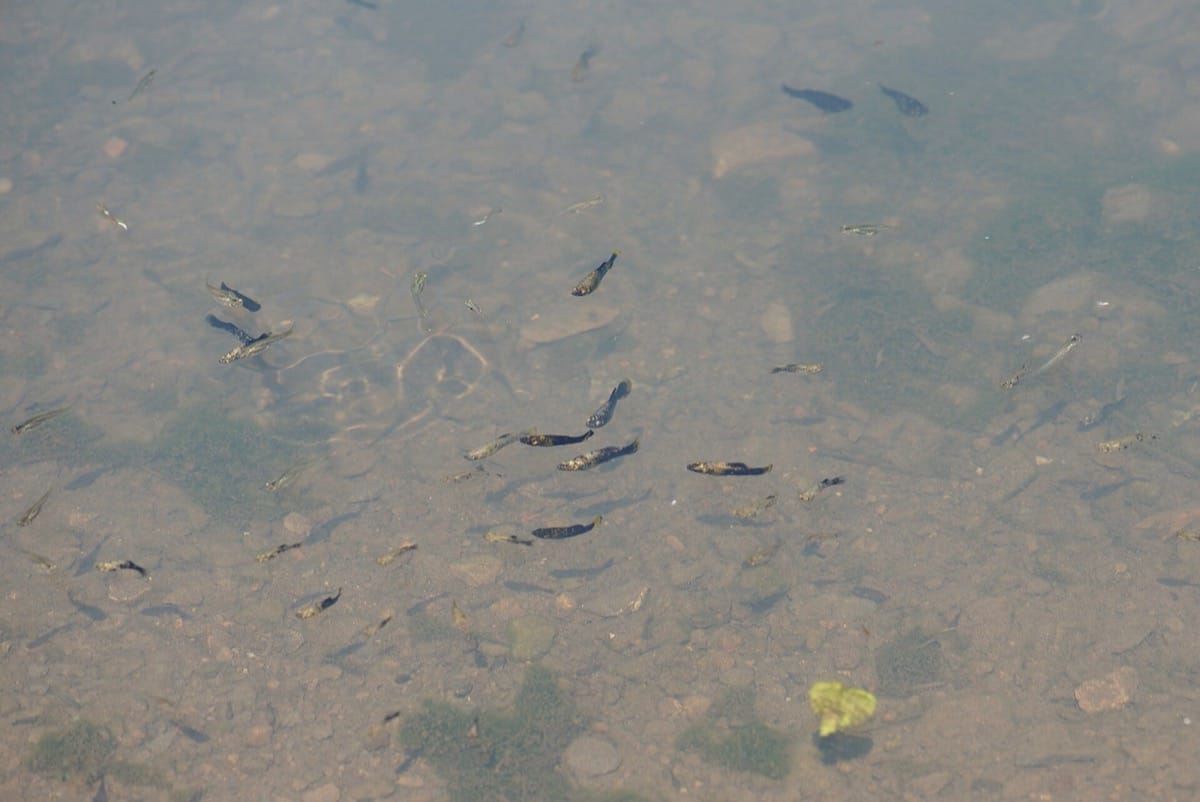
- 22–28°C
- pH 7–8.5
- 70 L+
- 21-25 C
- pH 6.0-7.5
- 60 L+; 60 x 30 cm base