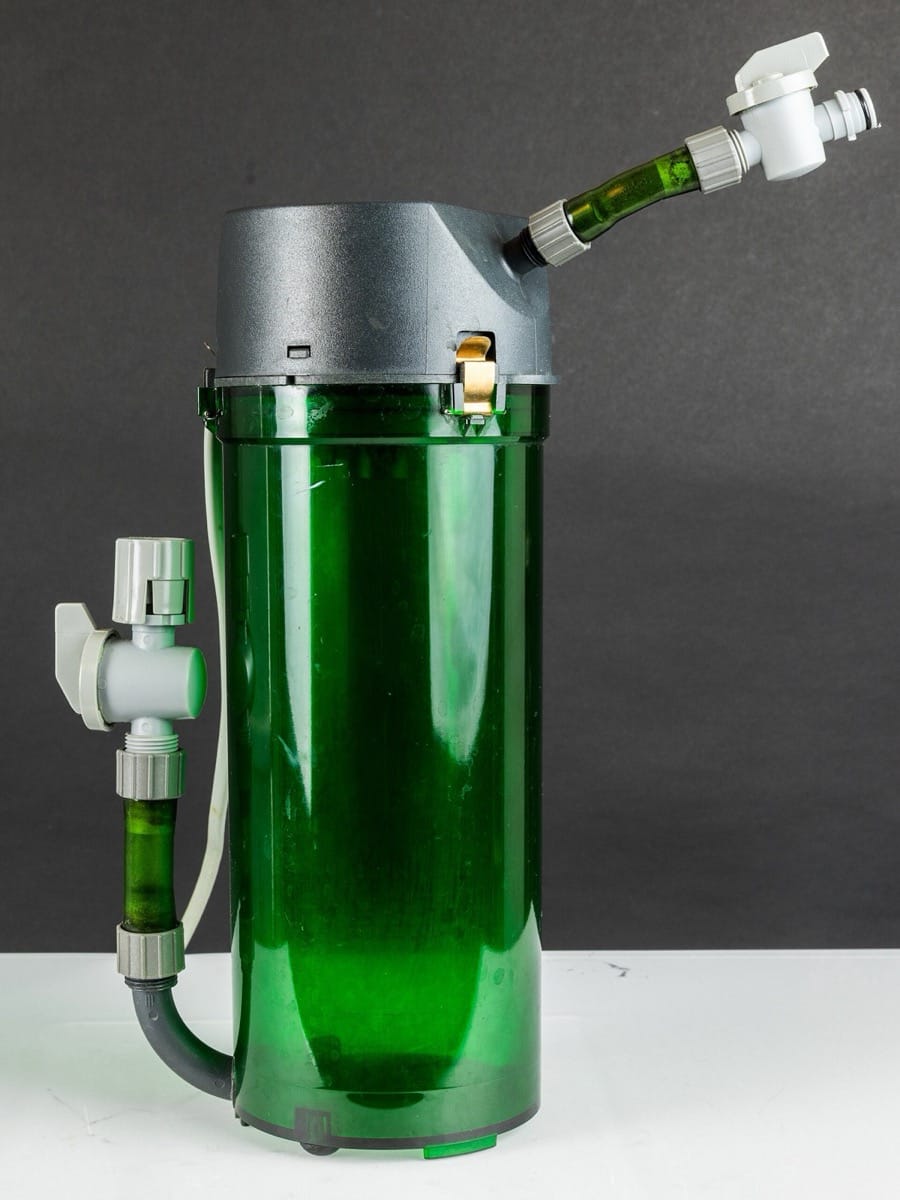
Filter Maintenance: Clean It Without Killing Bacteria
How to clean an aquarium filter without killing the bacteria that keep fish alive, plus how often to rinse the media and when to leave it alone.
The filter is not just a sieve for dirt: it is home to the bacteria that process fish waste. That is why cleaning it carelessly — especially rinsing it under the tap — can crash your water quality overnight. Done gently and rarely, filter maintenance is easy.
The golden rules
- Rinse media in old tank water, never under the tap. Chlorine kills the bacteria.
- Clean only when flow slows, not on a strict schedule.
- Never replace all the media at once — you would throw away your cycle.
- Keep the filter running as much as possible; bacteria need continuous flow and oxygen.
How to clean a filter
- Switch the filter off and, if external, close the taps.
- Remove the media and squeeze or swish it in a bucket of tank water from a water change.
- Clean the housing and impeller, removing debris that blocks flow.
- Return most of the media, replacing only a portion if it is falling apart — and stagger that over months.
- Restart and check the flow.
When to replace media
Sponge and ceramic media last a long time — often until they physically crumble. If you must replace some, do it in stages so the remaining media keeps the cycle going. Replacing everything at once is one of the most common beginner mistakes and leads straight to an ammonia spike.
Signs the filter needs attention
- Reduced flow — usually a clogged sponge or impeller.
- Noisy or rattling — often trapped debris or air in the impeller.
- Rising ammonia or nitrite — the bacteria may have been disturbed.
The golden rules
- Clean only when flow drops — a dirty filter is still doing its job.
- Rinse media in old tank water, never under the tap; chlorine kills bacteria.
- Never replace all media at once — change one piece at a time, weeks apart.
- Keep the filter running at all times, day and night.
- Switch it off only briefly and for maintenance.
How to clean it
When flow slows, switch the filter off and unplug it. Either lift the media out and swish it gently in a bucket of old tank water drawn during a water change, or, for a canister, open it over a bucket and rinse the trays the same way. Squeeze sponges lightly to release trapped mulm, but do not scrub them clean — you want to keep the cloudy bacteria, not strip it. Rinse the impeller and any intake sponge so the pump turns freely, then reassemble and restart.
Replacing media
Mechanical sponges and floss clog fastest and can be replaced, but do it one piece at a time so the bacteria elsewhere carry the load. Biological media — ceramic rings, bio-balls, sintered glass — should last for years and almost never needs replacing; just rinse it gently. If you must swap it, leave some of the old media in place for several weeks to seed the new. Chemical media such as carbon is used only when needed, then discarded.
Signs the filter needs attention
- Reduced flow from the outlet.
- Water not clearing as it used to.
- Rattling or noisy impeller from trapped debris.
- Rising nitrate despite normal water changes.
Common mistakes
The classic error is a "big clean": dismantling the filter and rinsing everything under the hot tap, which wipes out the bacteria and triggers an ammonia spike. Equally common is replacing every cartridge on the same day, or running the filter only during the day. A filter wants to be left alone and kept wet and flowing; a light, occasional rinse in old tank water is all the maintenance it needs.
A simple rhythm
Check flow weekly, rinse the intake sponge as needed, and clean the media only when performance drops — often every month or two, sometimes less. If you keep to that gentle schedule, the bacteria stay intact, ammonia and nitrite stay at zero, and the filter quietly does the job it was bought for.
When not to touch it
After treating a disease, an ammonia spike or a tank move, leave the filter alone even if it looks grubby — that grey film is the colony rebuilding. A healthy filter is meant to look a little lived-in; if it is spotless after every water change, you are probably cleaning it too hard and too often. Judge by flow, not by appearance, and let the bacteria do their quiet work.
How often should I clean the filter?
Only when flow noticeably drops, or every few weeks lightly. Over-cleaning removes bacteria you need.
Why can't I rinse media under the tap?
Tap water contains chlorine or chloramine, which kills the beneficial bacteria. Always use old tank water.
Should I turn the filter off at night?
No. It should run continuously. Bacteria need oxygen, and turning it off can cause a die-off.
Related guides
- The nitrogen cycle and cycling a tank
- How often to change aquarium water
- Gravel vacuuming and cleaning
Tools for this guide
Sources and research notes
Filter care follows standard freshwater guidance; the key point — never chlorinate the media — is widely agreed.
Written and edited by the Tankwise Editorial. Every guide answers one real fishkeeping question, is checked against the sources listed above, and is updated when guidance changes. We are an independent editorial desk, not veterinary or aquarium professionals — read how we research and update our guides.
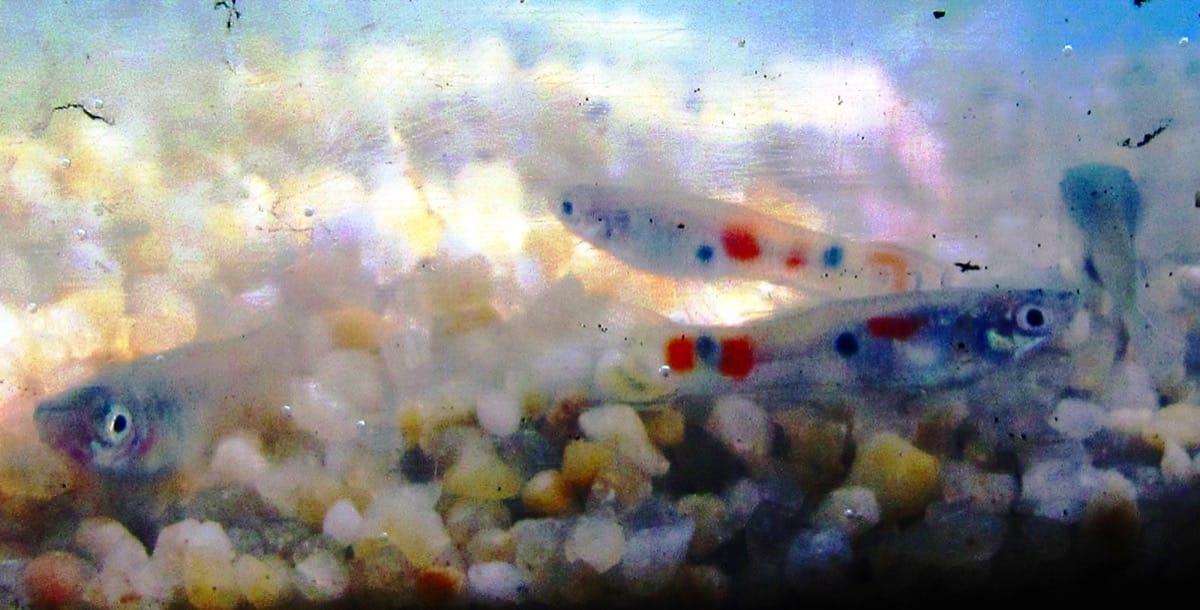
- 22-26 C
- pH 7.0-8.5
- 60 L+; 60 x 30 cm base
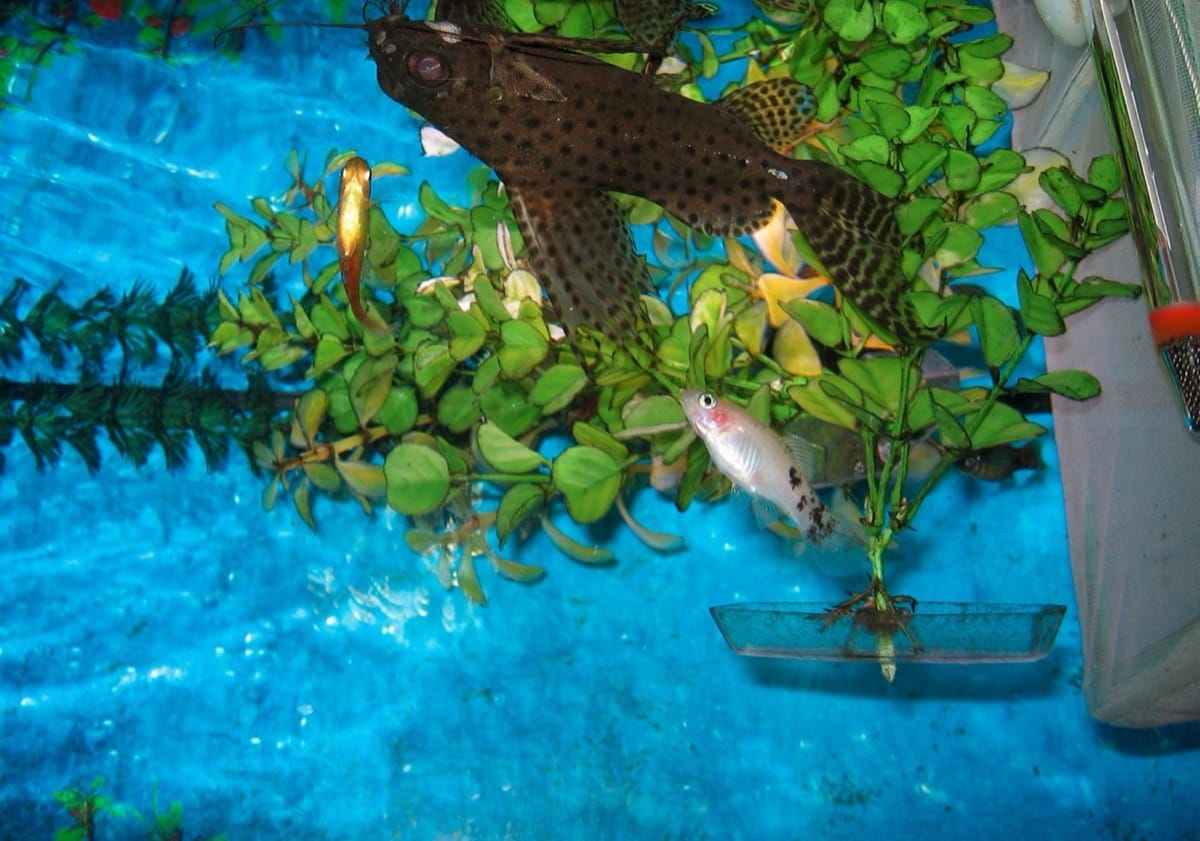
- 20–26°C
- pH 7–8.2
- 50 L+
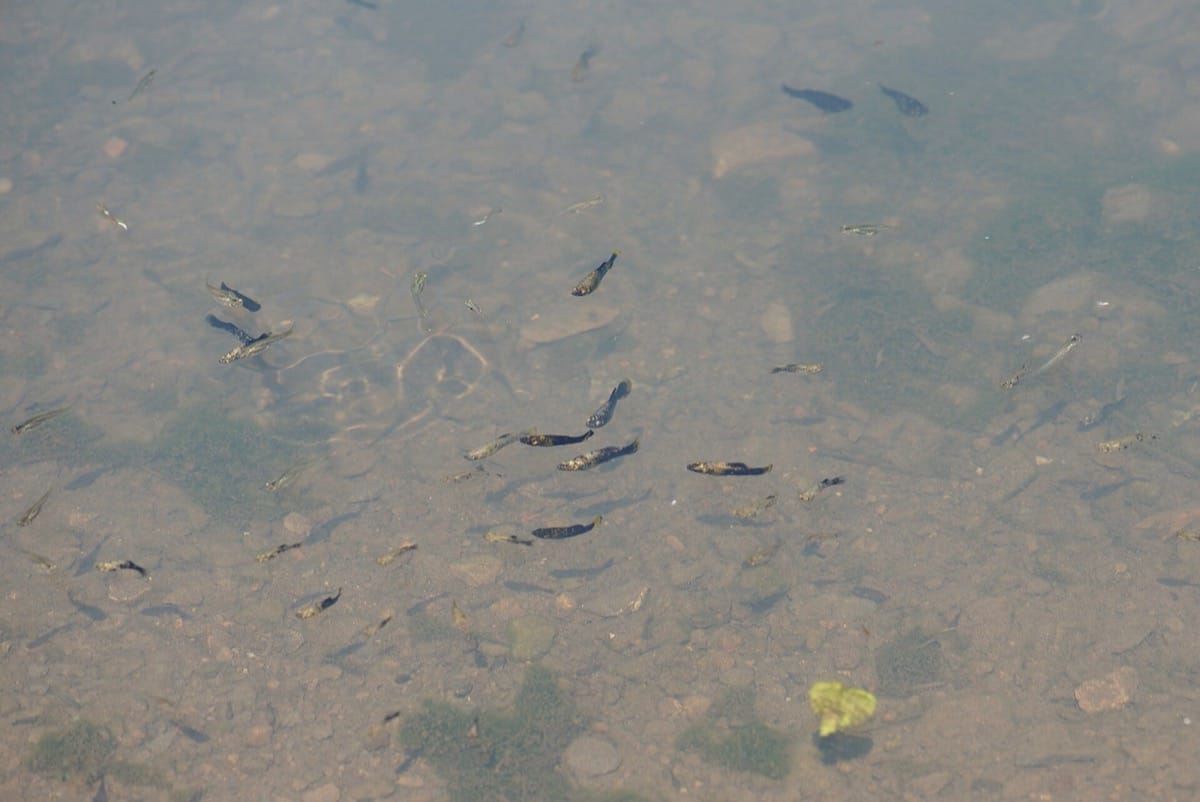
- 22–28°C
- pH 7–8.5
- 70 L+
- 21-25 C
- pH 6.0-7.5
- 60 L+; 60 x 30 cm base