How to Lower Nitrate in an Aquarium
Nitrate is the quiet end of the nitrogen cycle. It is far less toxic than ammonia, but it builds up and is the usual reason algae wins. Here is how to bring it down.
Once a tank is cycled, ammonia and nitrite read zero but nitrate keeps climbing. It is much less harmful than the earlier stages, but high nitrate stresses fish over time, feeds algae and lowers water quality. The fix is routine, not chemical.
What actually lowers nitrate
- Water changes. The single most effective tool — nitrate leaves only with removed water. A 25–30% weekly change keeps it in check.
- Less food. Overfeeding is the usual source of rising nitrate. Feed only what the fish clear.
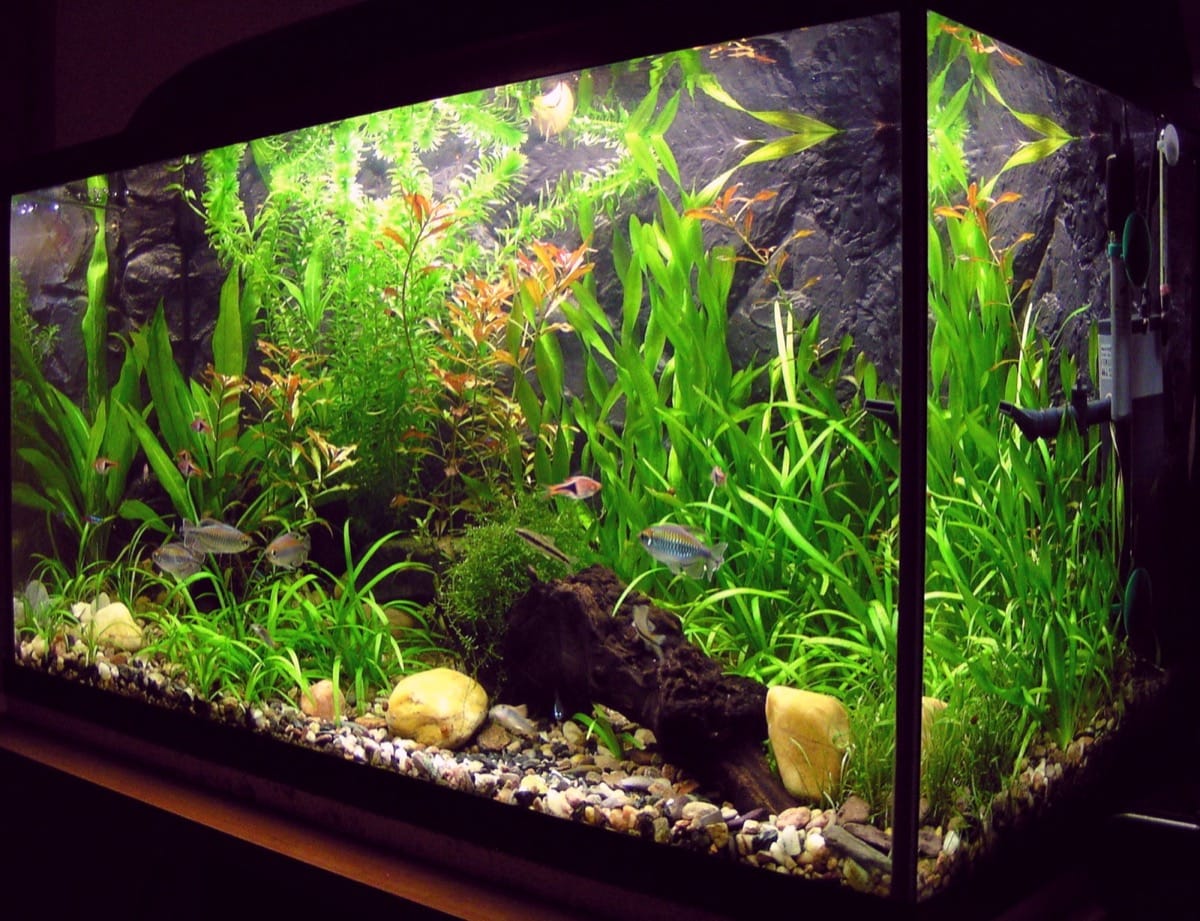
- Live plants. Fast-growing plants consume nitrate as fertiliser — a natural sink.
- Clean filtration. Rinse media in tank water and remove trapped debris so it does not decay.
- Stocking. Fewer, smaller fish produce less waste; heavy stocking and high nitrate go together.
What level is acceptable?
Keep nitrate as low as practical — many keepers aim under 20 ppm for general fish, and lower for sensitive species. If it keeps rising between changes, something is producing more waste than your routine removes: check feeding, stocking and filtration before dosing anything.
A practical routine
- Test nitrate alongside ammonia and nitrite.
- Work out the change size with the water change calculator.
- Cut feeding by a third for two weeks.
- Vacuum part of the substrate each week to remove mulm.
- Add fast-growing plants.
- Re-test after a fortnight and adjust the routine.
What actually lowers nitrate
- Water changes. The single most effective tool — nitrate leaves only with removed water. A 25–30% weekly change keeps it in check.
- Less food. Overfeeding is the usual source of rising nitrate. Feed only what the fish clear.
- Live plants. Fast-growing plants consume nitrate as fertiliser — a natural sink.
- Clean filtration. Rinse media in tank water and remove trapped debris before it decays.
- Less stocking. Fewer, smaller fish produce less waste; heavy stocking and high nitrate go together.
What level is acceptable?
Keep nitrate as low as practical. Many keepers aim for under 20 ppm for general fish, and lower for sensitive species and shrimp. If it keeps climbing between changes, something is producing more waste than your routine removes — check feeding, stocking and filtration before dosing anything. A rising nitrate trend is your tank telling you the balance has tipped.
A practical routine
- Test nitrate alongside ammonia and nitrite.
- Work out the change size with the water change calculator.
- Cut feeding by a third for two weeks.
- Vacuum part of the substrate each week to remove mulm.
- Add fast-growing plants.
- Re-test after a fortnight and adjust.
Plants as a nitrate sink
Plants are the quiet workhorse of nitrate control. Fast growers — water sprite, floating plants, quick-stem species — take up nitrate and other nutrients as they grow, so they compete with algae and reduce how often nitrate climbs. In a lightly stocked, well-planted tank, plants can keep nitrate low enough that smaller water changes suffice. Trim and remove the excess growth, though, because a plant you leave in to rot simply returns its nutrients to the water.
Myths and cautions
Chemical nitrate removers exist but are a backup, not a fix — they do not address the source. Do not chase zero nitrate: plants need some, and a sudden drop can harm shrimp and sensitive fish. The steady, reliable answer is the unglamorous one — water changes, feeding discipline, filtration and plants, working together.
The arithmetic of water changes
A water change dilutes nitrate by the proportion you replace: a 25% change lowers nitrate by about a quarter, a 50% change by about half. That is why several large changes in a row bring nitrate down far faster than one, and why a single small change barely dents a high reading. For a stubborn spike, do two or three 30-40% changes over a few days, matching temperature each time.
Check your tap water
Before assuming the tank is the problem, test the nitrate in your tap water. Some supplies carry a significant baseline, and if yours starts high, water changes cannot bring nitrate below it — plants, and in extreme cases RO dilution, become the real tools. Knowing your tap figure stops you chasing an impossible target.
Do nitrate removers work?
Some media and resins do, but they are a backup. Water changes and reduced feeding tackle the source.
Is there a safe nitrate level?
Lower is better. Under about 20 ppm suits most fish; sensitive species want less, and plants use the rest.
Why does my tap water contain nitrate?
Some supplies carry nitrate. Test your tap water — if it starts high, larger or more frequent changes help less, and plants matter more.
Related guides
- How often to change aquarium water
- The nitrogen cycle and cycling a tank
- Aquarium algae: types and fixes
Tools for this guide
Sources and research notes
Guidance follows standard fishkeeping practice: nitrate is controlled mainly by water changes, feeding discipline and plant uptake.
Written and edited by the Tankwise Editorial. Every guide answers one real fishkeeping question, is checked against the sources listed above, and is updated when guidance changes. We are an independent editorial desk, not veterinary or aquarium professionals — read how we research and update our guides.
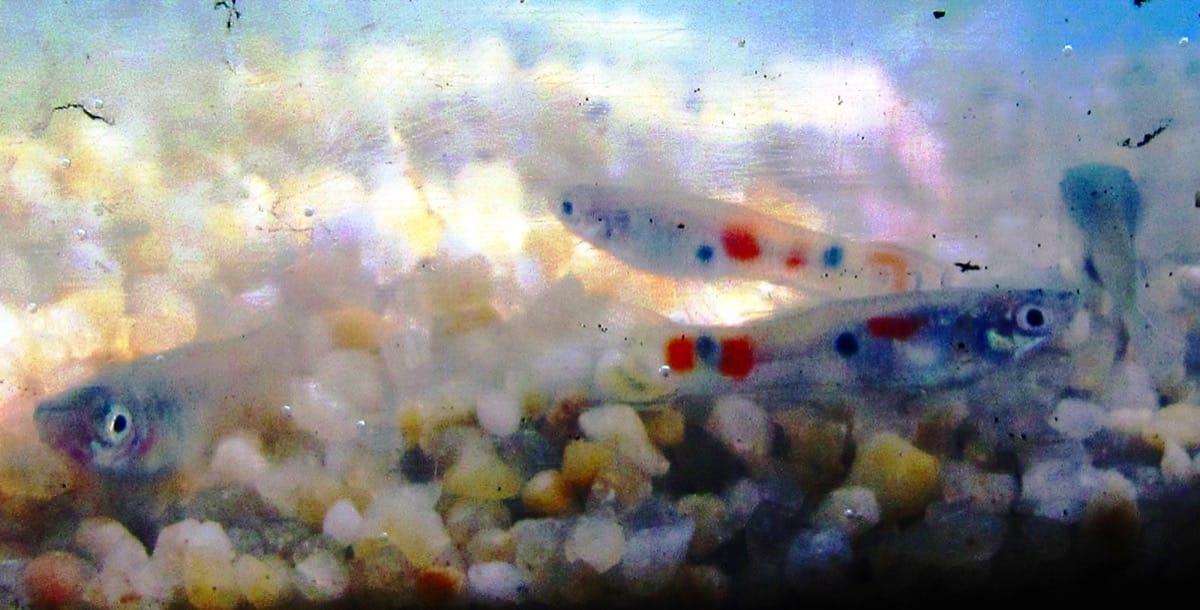
- 22-26 C
- pH 7.0-8.5
- 60 L+; 60 x 30 cm base
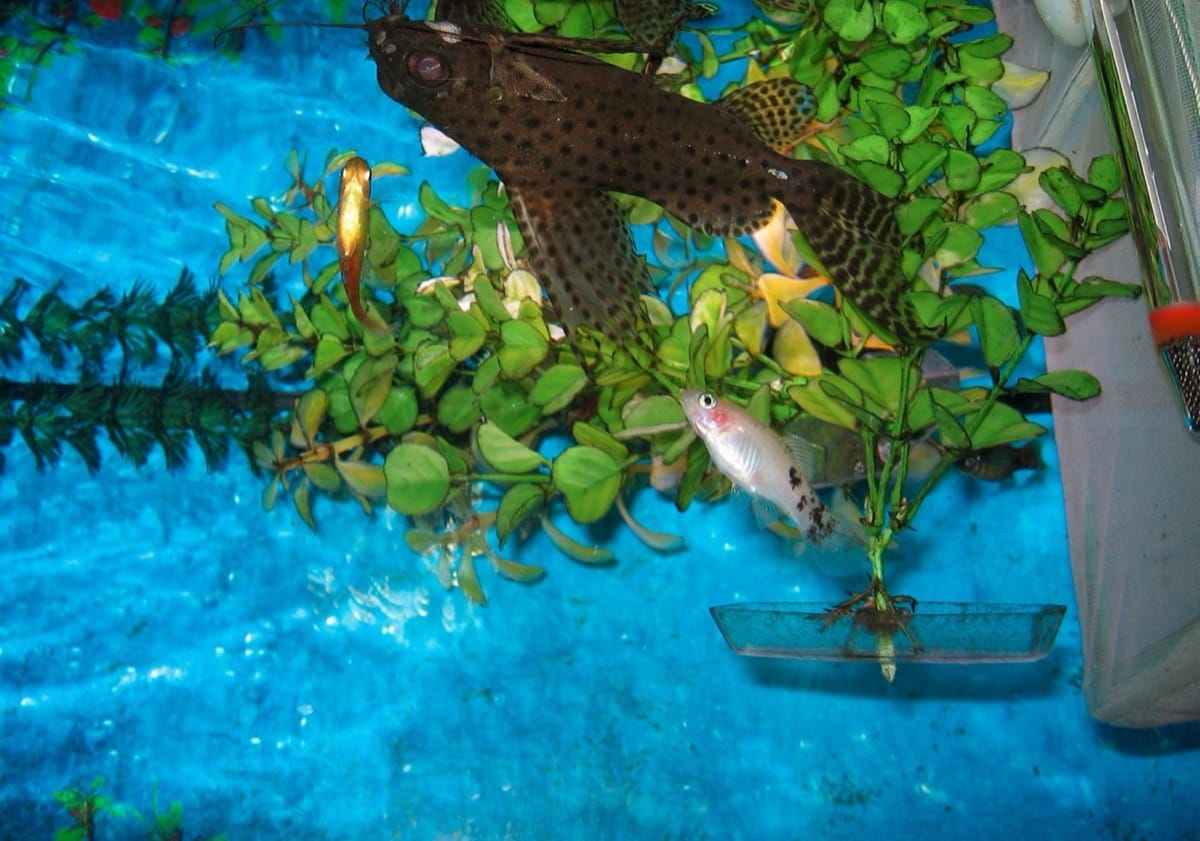
- 20–26°C
- pH 7–8.2
- 50 L+
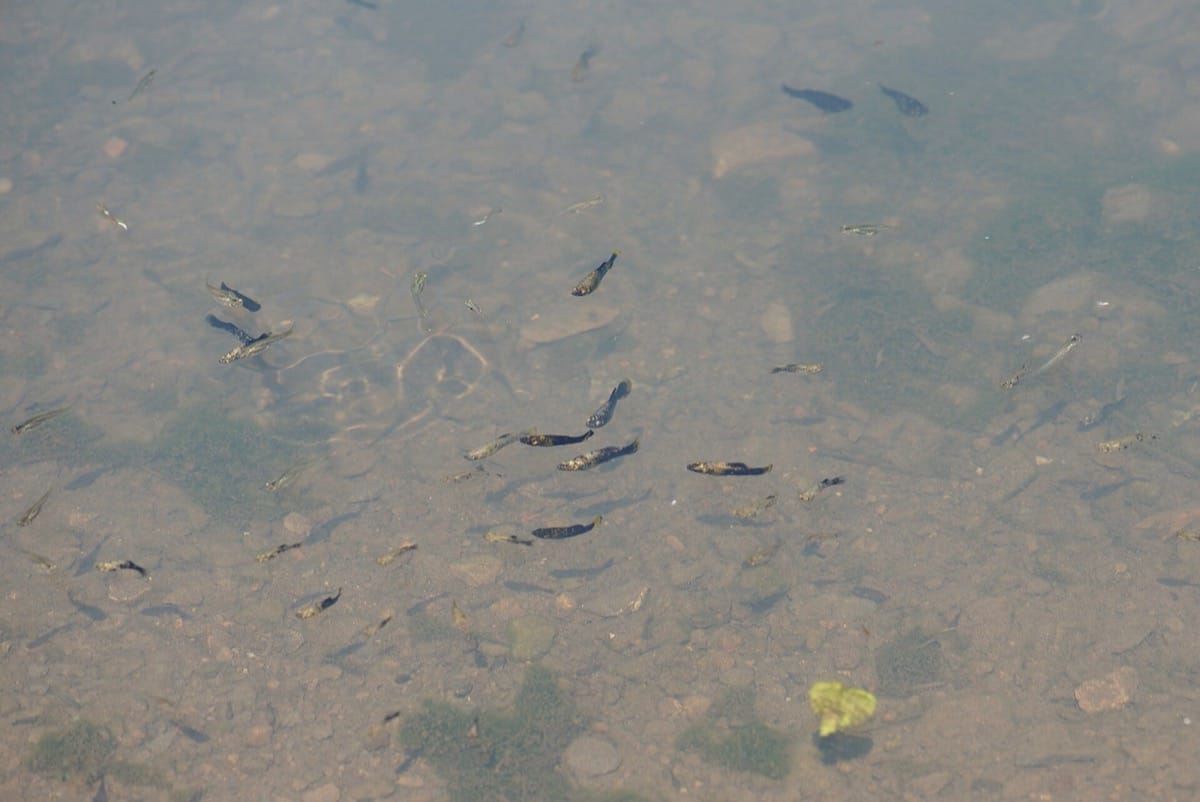
- 22–28°C
- pH 7–8.5
- 70 L+
- 21-25 C
- pH 6.0-7.5
- 60 L+; 60 x 30 cm base