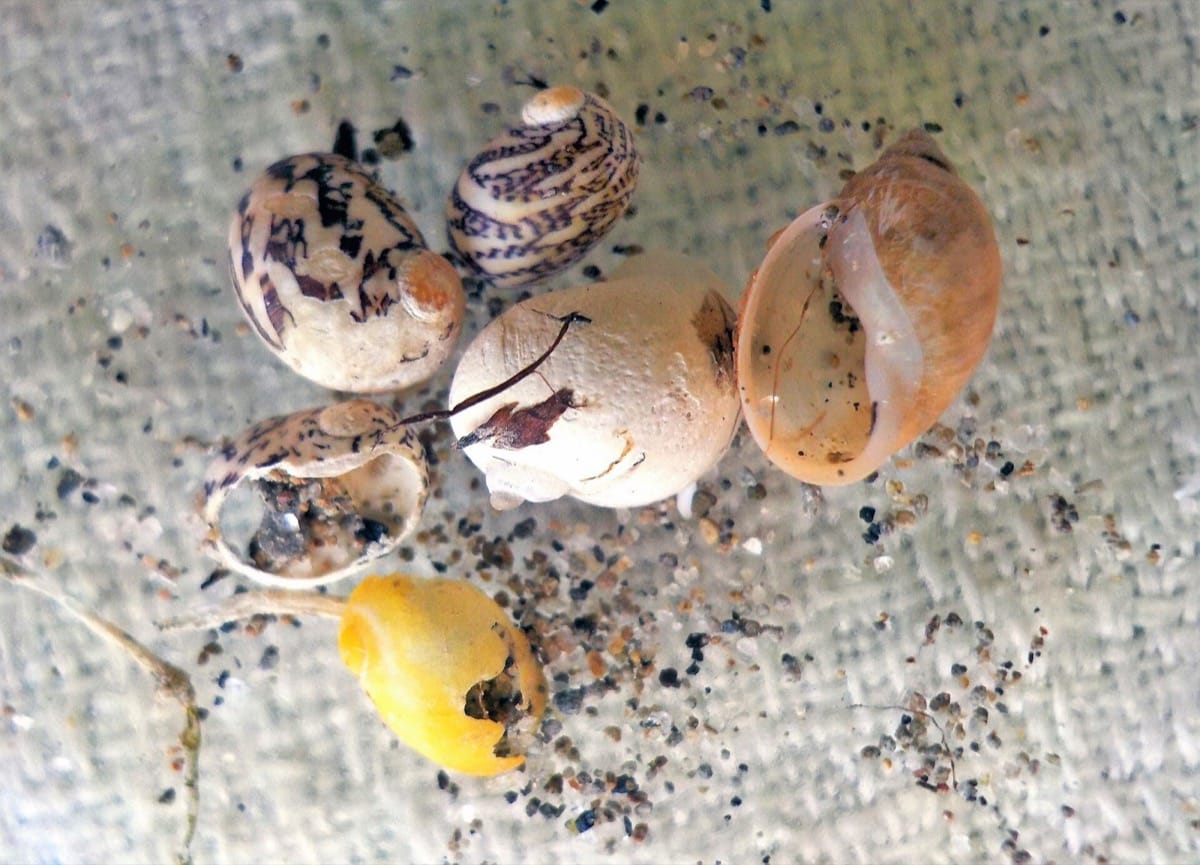
How to Get Rid of Pest Snails in an Aquarium
A snail boom is a symptom of overfeeding, not the snails themselves. Here is how to bring the population back under control, calmly and without chemicals.
Small pest snails — bladder, ramshorn and Malaysian trumpet snails — almost always arrive on plants. A few are harmless grazers; a sudden population boom tells you the tank is being overfed.
Why they multiply
Snails eat leftover food, algae and detritus. Plenty of food means plenty of snails. If you want fewer snails, the real fix is to feed less and clean more, not just to remove the snails.
How to control them
- Feed less. Uneaten food is snail fuel.
- Remove them by hand at water changes — drop them in a cup.
- Add a snail-eater that suits your tank, such as dwarf chain loaches (for suitable setups).
- Trap them — a slice of blanched courgette overnight collects them for easy removal.
- Quarantine and rinse new plants to avoid introducing more.
What not to do
- Do not use harsh chemicals — most snail-killers harm shrimp and can crash the tank.
- Do not add a large snail-eater to a tank too small for it; the cure should not be worse than the problem.
When snails are good
Snails eat algae and detritus and clean up uneaten food. Malaysian trumpet snails stir the substrate. A modest population is a useful part of a healthy tank — aim for control, not eradication.
Where pest snails come from
Unless you can see them, pest snails almost always arrive as eggs or tiny hitchhikers on plants. A single unnoticed clutch can become a population within weeks. Some also come in on second-hand décor or gravel. This is why the two habits that keep a tank clear are quarantining or rinsing new plants, and never overfeeding — the snails you have only breed to match the food available.
The real fix: feed less
Pest snails eat leftover food, algae and detritus, so their numbers track how much food the tank is getting. Cutting the food is the single most effective control: a tank that was overfed will see the snail population fall as the excess dissolves and gets removed. Feed only what the fish clear in a minute or two, remove any obvious uneaten food, and vacuum the substrate to lift the waste snails feed on. Starve them and they stop multiplying.
Removing them
Beyond feeding less, a few simple methods cut the numbers. Remove them by hand at water changes — pick them off the glass and drop them in a cup. A trap works while you sleep: put a piece of blanched courgette in the tank at night and lift it out covered in snails in the morning. And if the setup suits them, a natural predator such as dwarf chain loaches will hunt the small ones, though only keep a fish that fits your tank and water.
Why not chemicals
Snail-killing liquids usually harm shrimp and can crash the bacteria in the filter, turning a snail problem into a water-quality problem. They also leave the dead snails to decay, which fuels the next bloom. It is far safer to control snails with feeding discipline and manual removal than to dose the tank. A modest population of snails is harmless — the goal is control, not elimination.
Stopping more arriving
The cheapest control is not letting more in. Before adding new plants, rinse them well and, if you can, quarantine them without fish for a week or two, checking for egg clutches. Buying plants in-vitro (grown in sterile culture) avoids the problem entirely. Second-hand décor and gravel can also carry snails or eggs, so rinse them before use. A little care at the door saves months of catching up later.
When snails are welcome
It is worth remembering that snails do real work. They graze algae, tidy up uneaten food and detritus, and Malaysian trumpet snails even turn over the substrate. A modest, stable population is a sign of a healthy tank rather than a problem. Aim for control instead of eradication: a few snails doing useful jobs, kept in check by sensible feeding.
A balanced tank
In the end, a snail population is a mirror of the tank's feeding. Keep the food sensible and the tank clean and you will have a few useful snails rather than hundreds. If the numbers climb, read it as a nudge that something — usually feeding — has crept up, and correct that before reaching for the net.
Will my fish eat the snails?
Some do — loaches and some cichlids. Others ignore them. Match any snail-eater to your tank size.
Do snails harm plants?
Pest snails rarely eat healthy plants; they graze dying leaves and algae.
How do I stop more arriving?
Quarantine or rinse plants before adding them, since snails and eggs travel on plants.
Related guides
Tools for this guide
Sources and research notes
Guidance follows standard fishkeeping practice; snail populations track available food, so feeding discipline is the main control.
Written and edited by the Tankwise Editorial. Every guide answers one real fishkeeping question, is checked against the sources listed above, and is updated when guidance changes. We are an independent editorial desk, not veterinary or aquarium professionals — read how we research and update our guides.
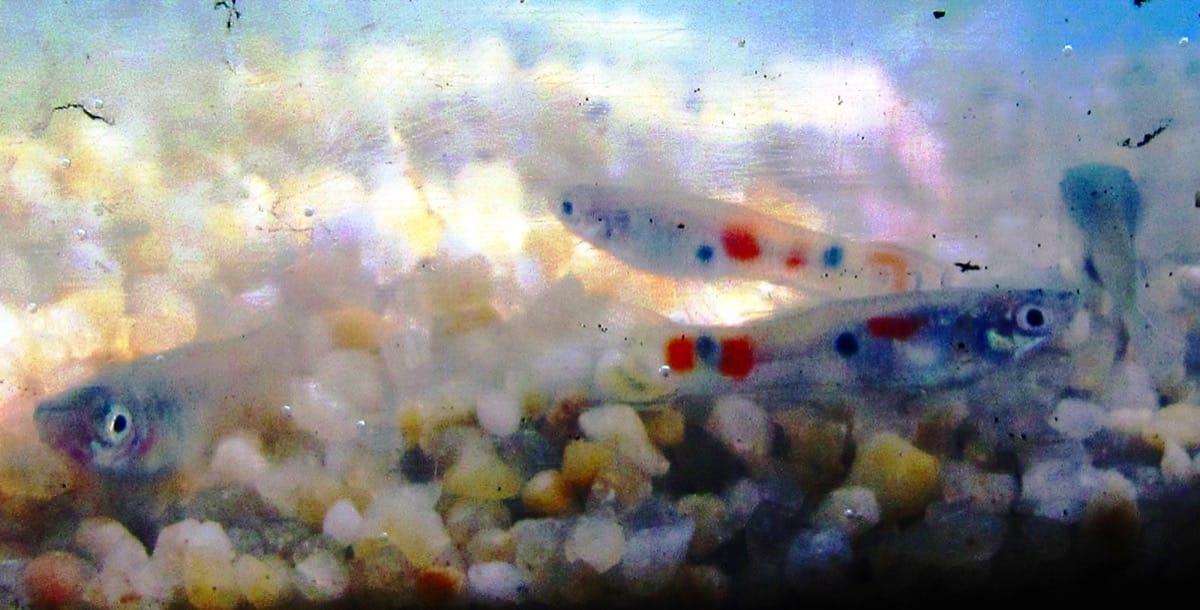
- 22-26 C
- pH 7.0-8.5
- 60 L+; 60 x 30 cm base
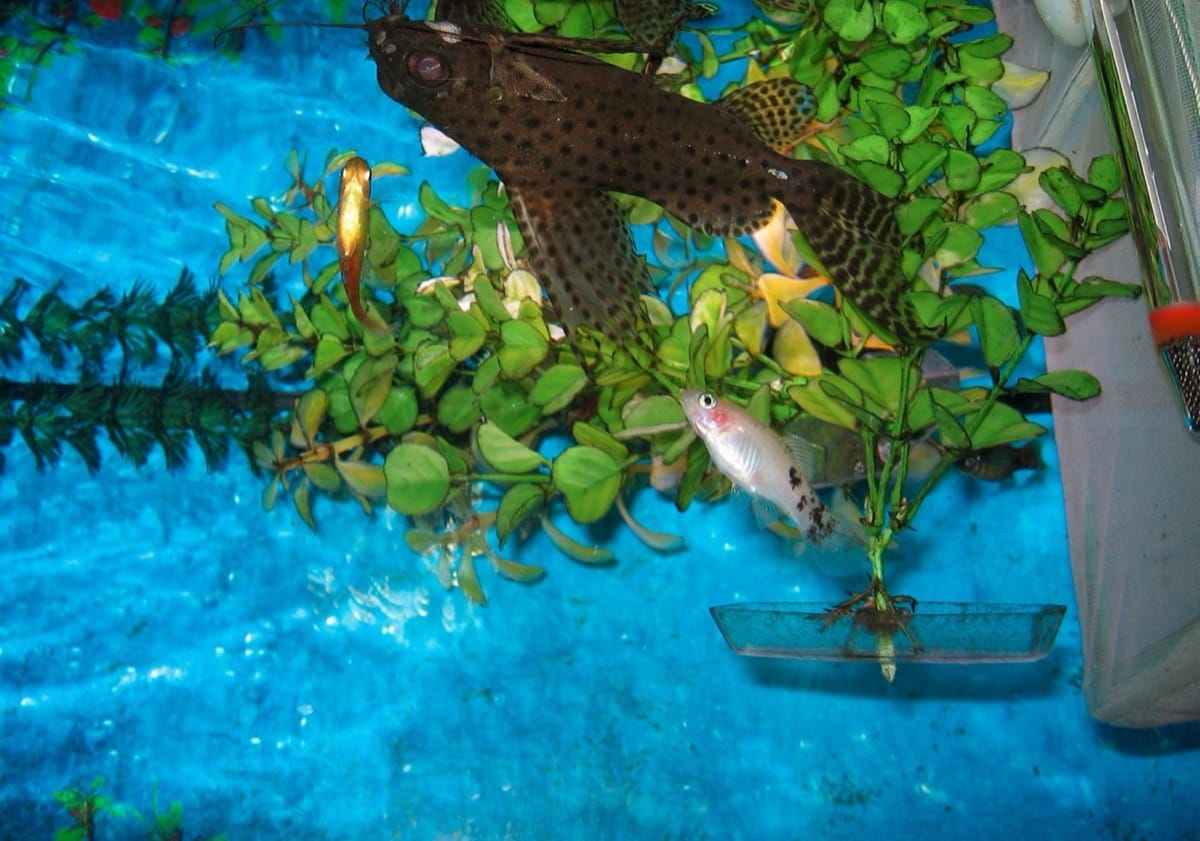
- 20–26°C
- pH 7–8.2
- 50 L+
- 22–28°C
- pH 7–8.5
- 70 L+
- 21-25 C
- pH 6.0-7.5
- 60 L+; 60 x 30 cm base