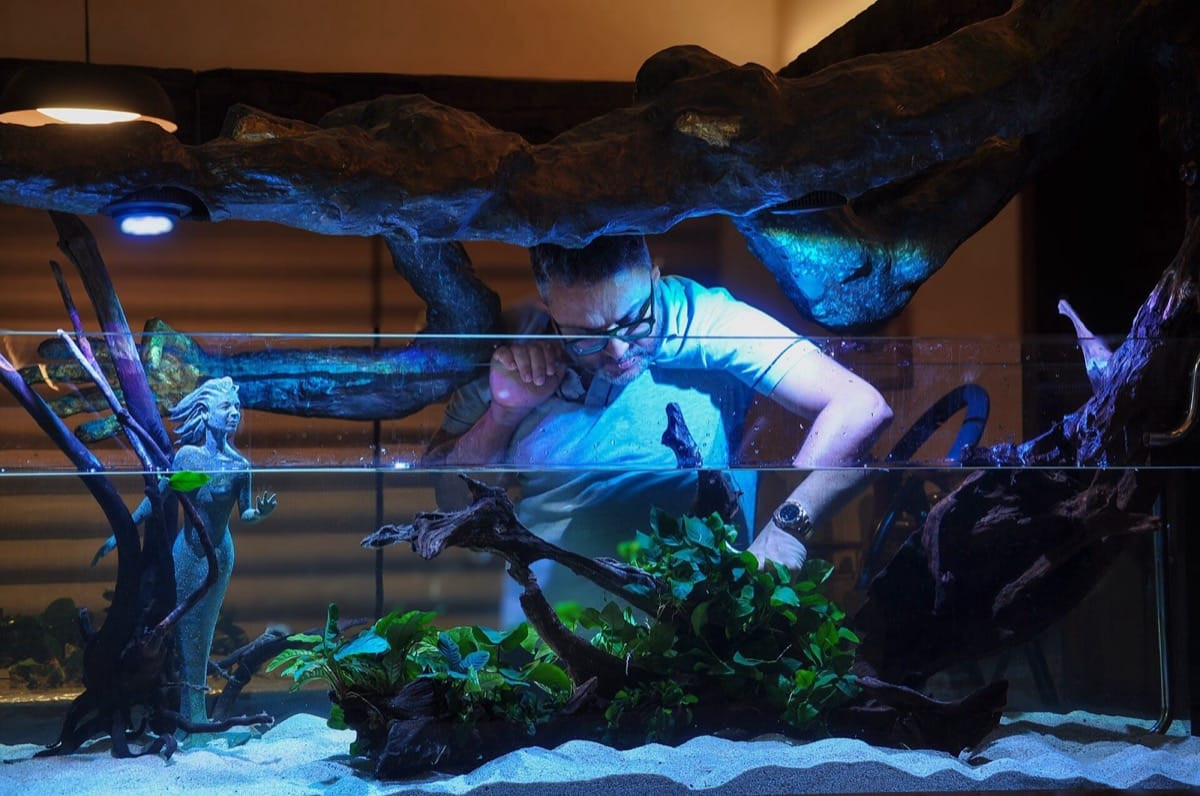
The Best Beginner Aquarium Plants
Live plants are not hard — some are almost unkillable. These easy, low-light species use up waste, look natural and give fish cover, with no special equipment.
Live plants are often seen as an expert hobby, but a handful of species grow in almost any tank, with ordinary light and no CO₂. They improve water quality by using up some waste, look far better than plastic, and give shy fish cover.
Plants that almost grow themselves
| Plant | Why it is easy |
|---|---|
| Anubias | Shade-tolerant, attaches to wood/rock, needs almost no light |
| Java fern | Tough, undemanding, also grows on wood |
| Cryptocoryne | Rooted, tolerates low light, wide choice of colours |
| Moss (Java/Christmas) | Fills gaps, shelters shrimp fry, needs no substrate |
| Water sprite | Fast grower, floats or roots, sucks up nutrients |
How to plant them
- Anubias and Java fern are not planted in the substrate — tie or glue them to wood or rock, or their roots rot.
- Cryptocorynes go in the substrate with the crown just above the surface.
- Moss can be tied to wood or left loose to grow into a clump.
- Give 6–8 hours of light a day and, for rooted plants, a simple liquid fertiliser.
Looking after them
- Light on a timer — inconsistent light invites algae.
- A little fertiliser — easy plants need only a light dose.
- Trim fast growers so they do not shade everything else.
- Expect "melting" when cryptocorynes move — sometimes the leaves die back and then regrow.
Why bother?
Besides looking natural, plants consume nitrate and other nutrients, which reduces algae, and they give fish a sense of security. They are a slow, low-cost improvement to any tank.
Plants that almost grow themselves
| Plant | Why it is easy |
|---|---|
| Anubias | Shade-tolerant, attaches to wood or rock, needs almost no light |
| Java fern | Tough and undemanding, also grows on wood |
| Cryptocoryne | Rooted, tolerates low light, comes in many colours |
| Moss (Java / Christmas) | Fills gaps, shelters shrimp fry, needs no substrate |
| Water sprite | Fast grower, floats or roots, sucks up nutrients |
How to plant them
Anubias and java fern are epiphytes: in the wild they grow on wood and rock, not in soil, so you must tie or glue them to a piece of wood or stone — bury their roots and they rot. Cryptocorynes are rooted plants, so set the crown just above the substrate surface. Moss can be tied to wood or left loose to grow into a clump. Water sprite can float or be planted. Give everything 6–8 hours of light a day and, for the rooted plants, a light liquid fertiliser.
Looking after them
- Light on a timer — inconsistent light invites algae.
- A little fertiliser — easy plants need only a light dose; too much feeds algae.
- Trim fast growers so they do not shade everything else.
- Expect "melting" when cryptocorynes move — the leaves may die back, then regrow.
Plants to be careful with
Not every plant is beginner-friendly. Demanding, high-light "carpet" plants and red-stemmed species usually need CO₂ and strong light to thrive, and they fail without it. Avoid tiny floating duckweeds unless you want them everywhere — they spread fast and are hard to remove. Start with the handful of tough species above; once they are growing well, you can add a more demanding plant and see how it does.
Why bother?
Besides looking natural, plants consume nitrate and other nutrients, which reduces algae, and they give shy fish a sense of security. They are a slow, low-cost improvement to any tank — and in a nano tank, where waste builds up quickly, they are part of the filtration rather than mere decoration.
Light and plants together
Most beginner plants fail for one reason: not enough (or far too much) light. Anubias, java fern and moss grow in shade; cryptocorynes prefer low-to-moderate light. Match the plant to the light you have rather than buying a powerful fixture to force demanding plants. A basic LED on a timer for 6-8 hours grows the tough species beautifully.
Plants and shrimp
Plants and shrimp pair naturally: the plants give shrimp cover and grazing surfaces, and the shrimp keep the leaves clear of algae and debris. Moss is especially good, offering tiny shrimp somewhere to hide and feed. In a shrimp tank, plants do double duty as decoration and habitat.
Start with a few
Begin with three or four easy species, let them settle for a few weeks, and add more only once they are clearly growing. Patience beats a big first plant order every time.
Do I need CO₂ for plants?
No, not for these. CO₂ is for demanding, high-light plants; easy species grow without it.
Which plants need no substrate?
Anubias, Java fern and moss attach to wood or rock instead of rooting, so they suit any tank.
Do plants replace water changes?
No. They use some nitrate, but you still need regular water changes.
Related guides
Sources and research notes
Plant choices reflect species widely kept without CO₂ or specialist lighting; care follows standard planted-tank guidance.
Written and edited by the Tankwise Editorial. Every guide answers one real fishkeeping question, is checked against the sources listed above, and is updated when guidance changes. We are an independent editorial desk, not veterinary or aquarium professionals — read how we research and update our guides.
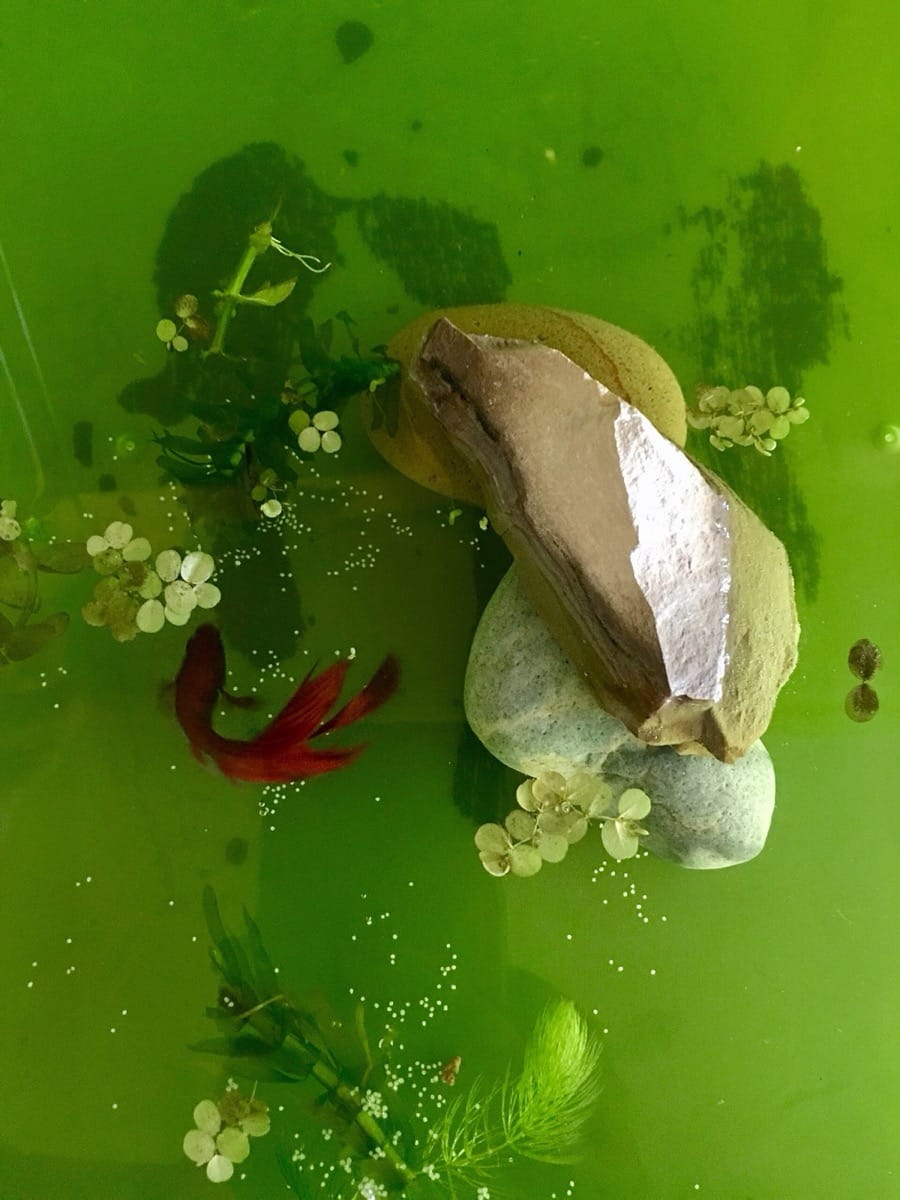
- 24-26 C
- pH 6.5-7.5
- 40 L+; 45 x 30 cm base
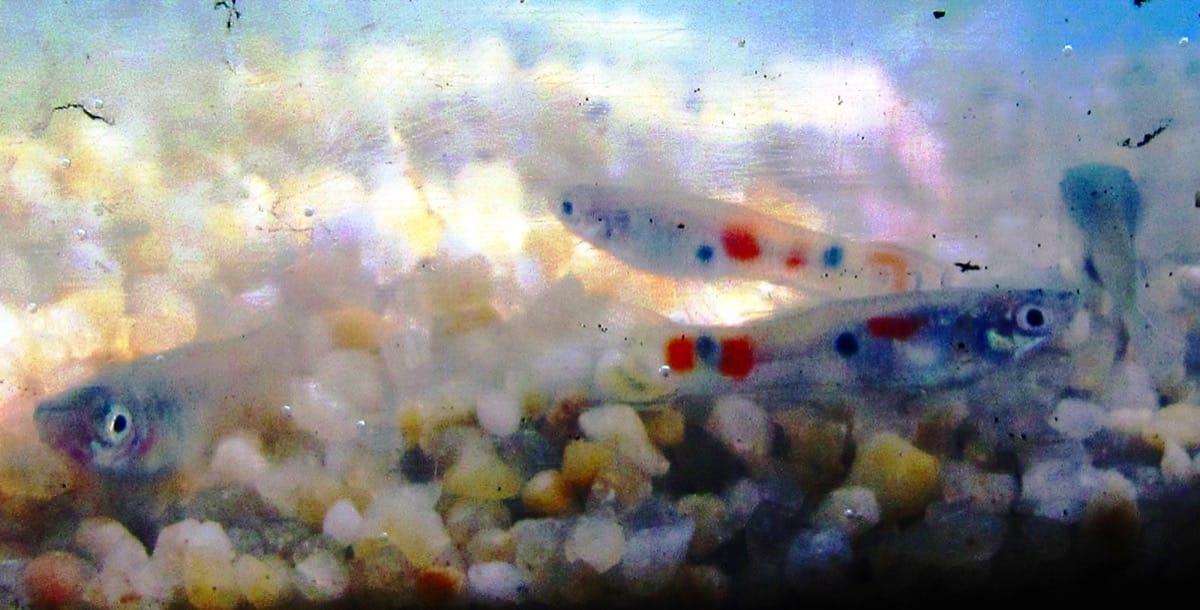
- 22-26 C
- pH 7.0-8.5
- 60 L+; 60 x 30 cm base
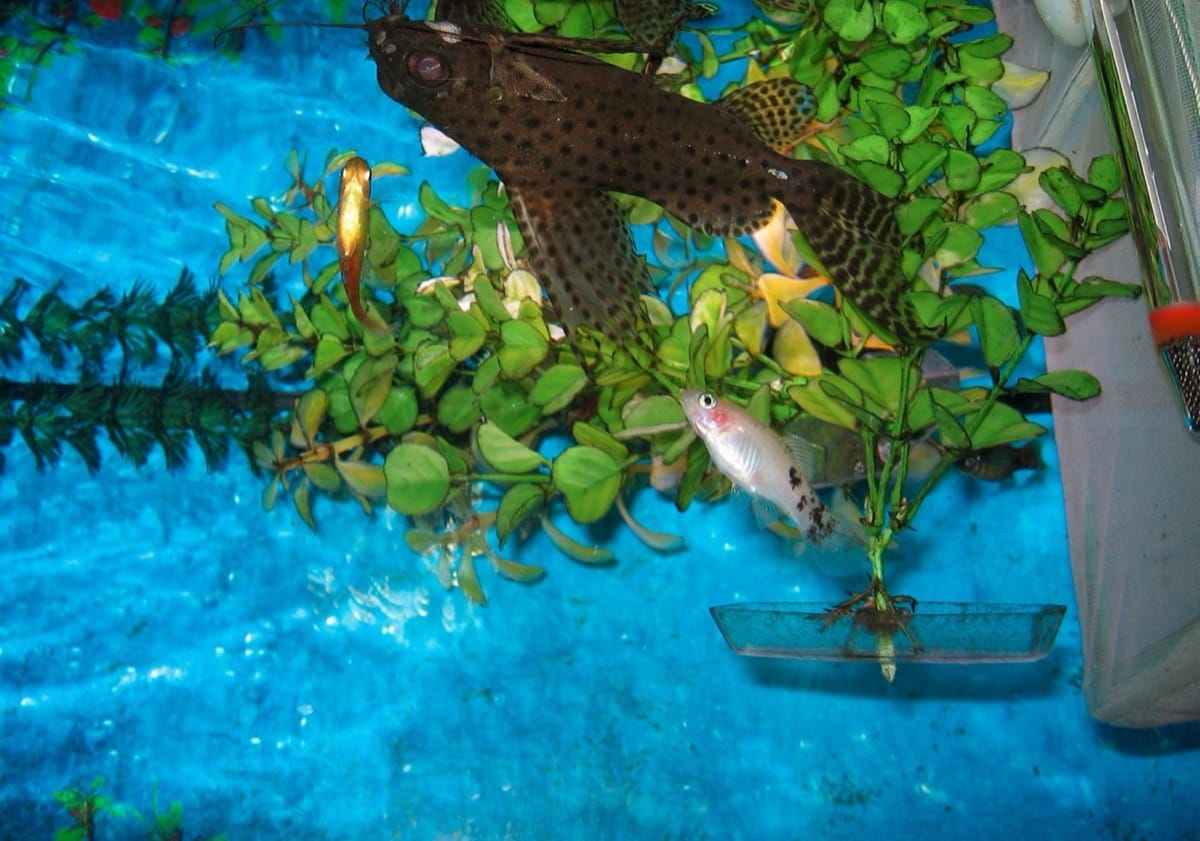
- 20–26°C
- pH 7–8.2
- 50 L+
- 20–26°C
- pH 6–7.8
- 60 L+