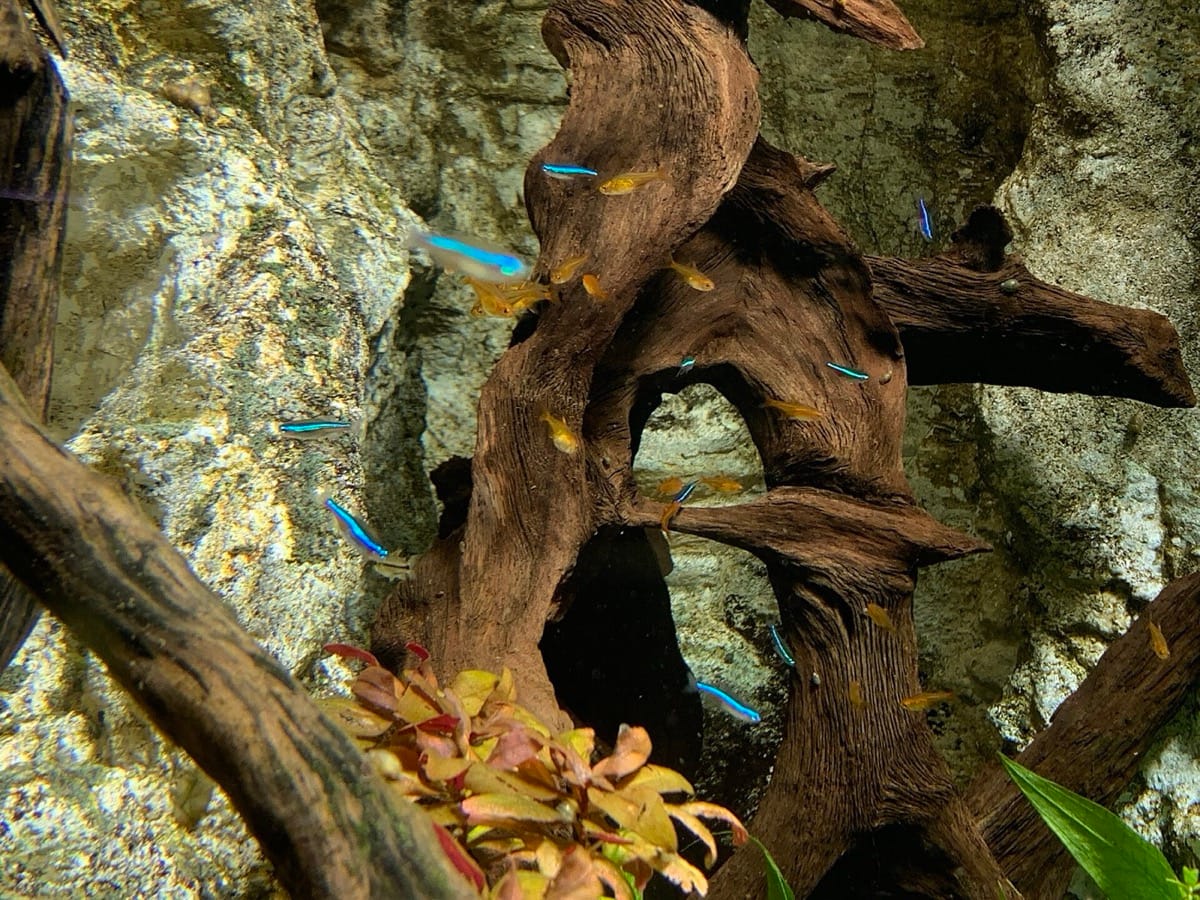
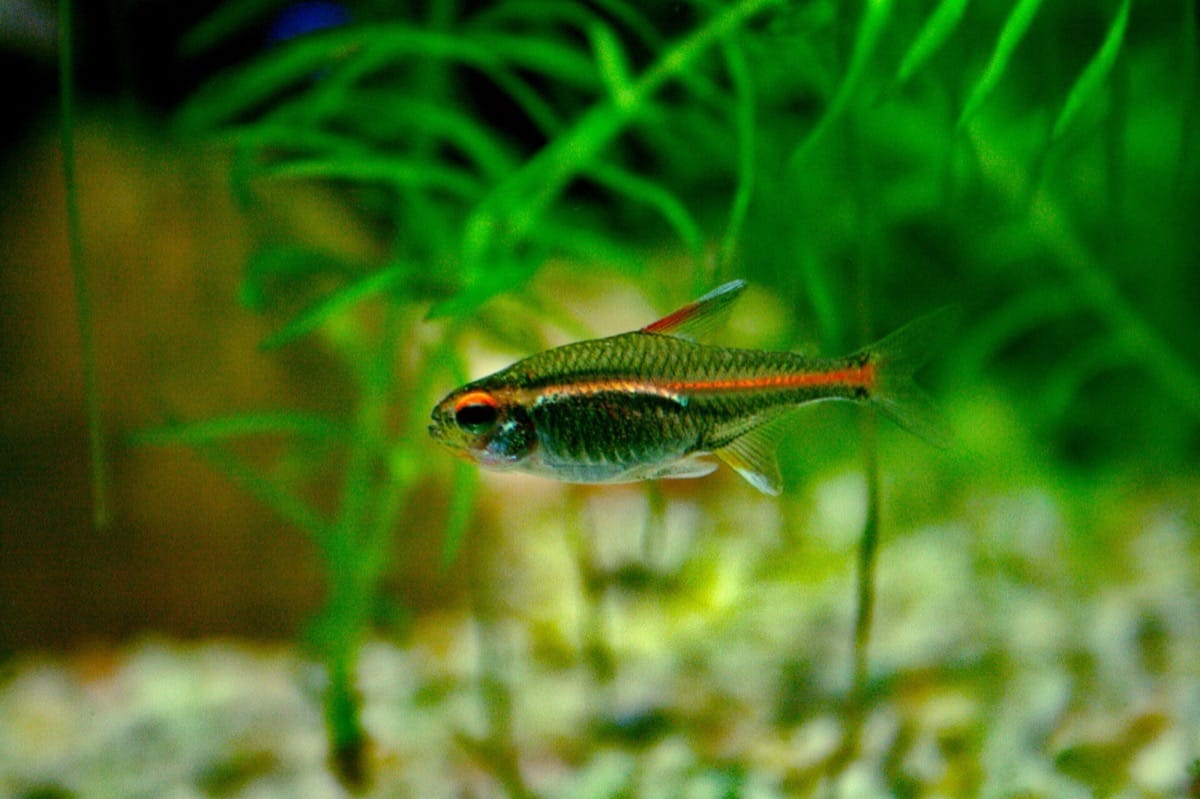
A tiny, glowing-orange shoaler that suits nano planted tanks. Keep a good group.
- Temperature24–28 °C
- pH6–7
- Minimum tank40 L
- DifficultyBeginner
| Food | Micro-pellets, tiny daphnia |
|---|---|
| Feeding | 1–2 small feeds a day |
| Water change | 20–25% weekly |
Behaviour and habits
The ember tetra is one of the smallest and most charming community fish, a tiny shoaler that glows a warm ember-orange, especially against dark plants and a dark background. In a group of eight or more it becomes far bolder, drifting and flickering through the greenery in a loose cloud, whereas a few lone fish hide and lose colour. It is completely peaceful, never nipping, and its small size makes it ideal for a nano planted tank.
What to feed, and how often
Its mouth is tiny, so it needs fine food: micro-pellets, finely crushed flake and small frozen foods such as daphnia and baby brineshrimp. Feed one or two small meals a day, and make sure the food is small enough to swallow — ordinary flake is often too coarse. A varied diet keeps the orange rich and the fish active.
Water changes and maintenance
Change about 20–25% weekly in soft, warm water, matched gently to the tank. Ember tetras suit a nano planted setup but hate big swings, so keep the temperature and chemistry steady and avoid large, cold water changes.
Care and how easy it is
An easy, peaceful fish for a nano planted tank, provided it is kept in a group of eight or more. Its tiny size means it can be kept with other small, peaceful species, but it should not share a tank with anything large enough to eat it.
Lifespan
With good conditions and steady water quality, this species typically lives around 3–5 years in a home aquarium; some individuals live longer.
Common health problems
Hardy in good conditions; problems usually trace back to poor water quality or starvation, since a shy micro-fish can be out-competed at feeding time.
If it gets sick
Keep the water soft, warm and stable, feed consistently with food it can actually eat, and avoid sudden changes. If one looks thin or pale, check it is getting food before assuming illness.
Good tank mates
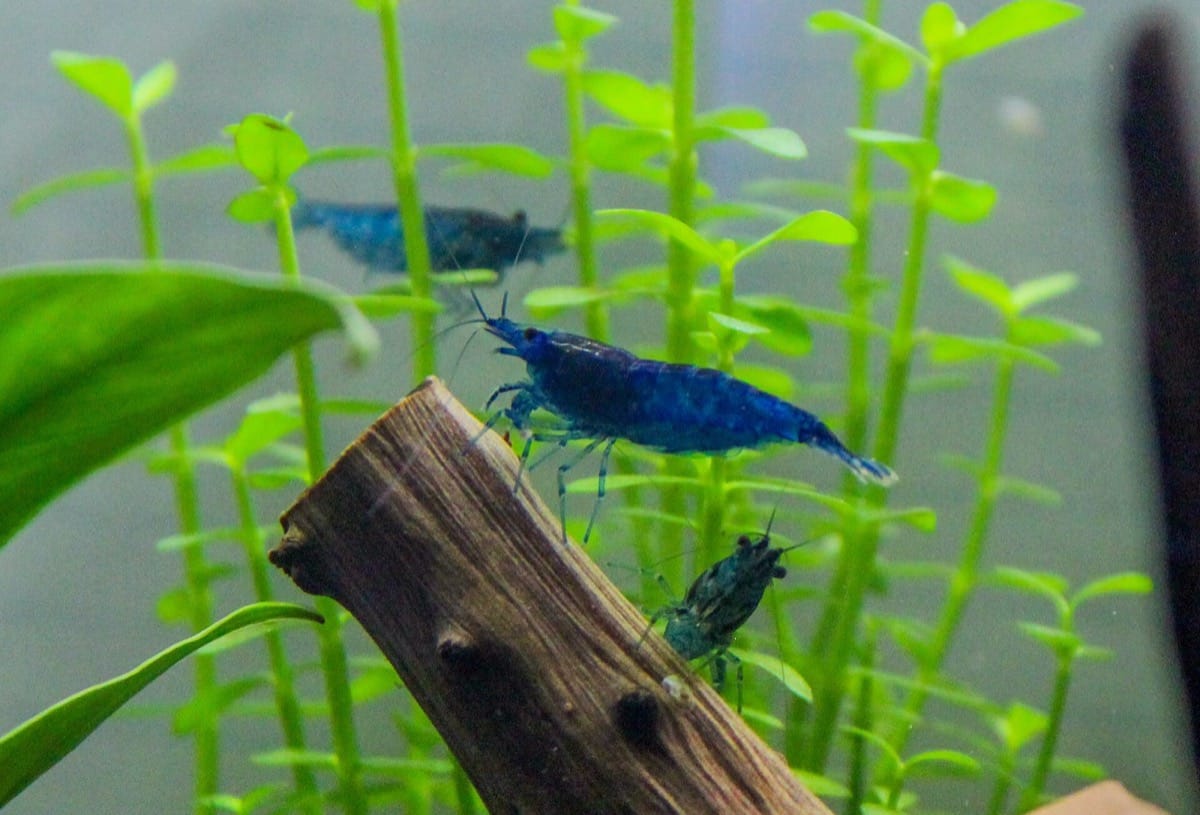
- 18–26°C
- pH 6.5–8
- 20 L+
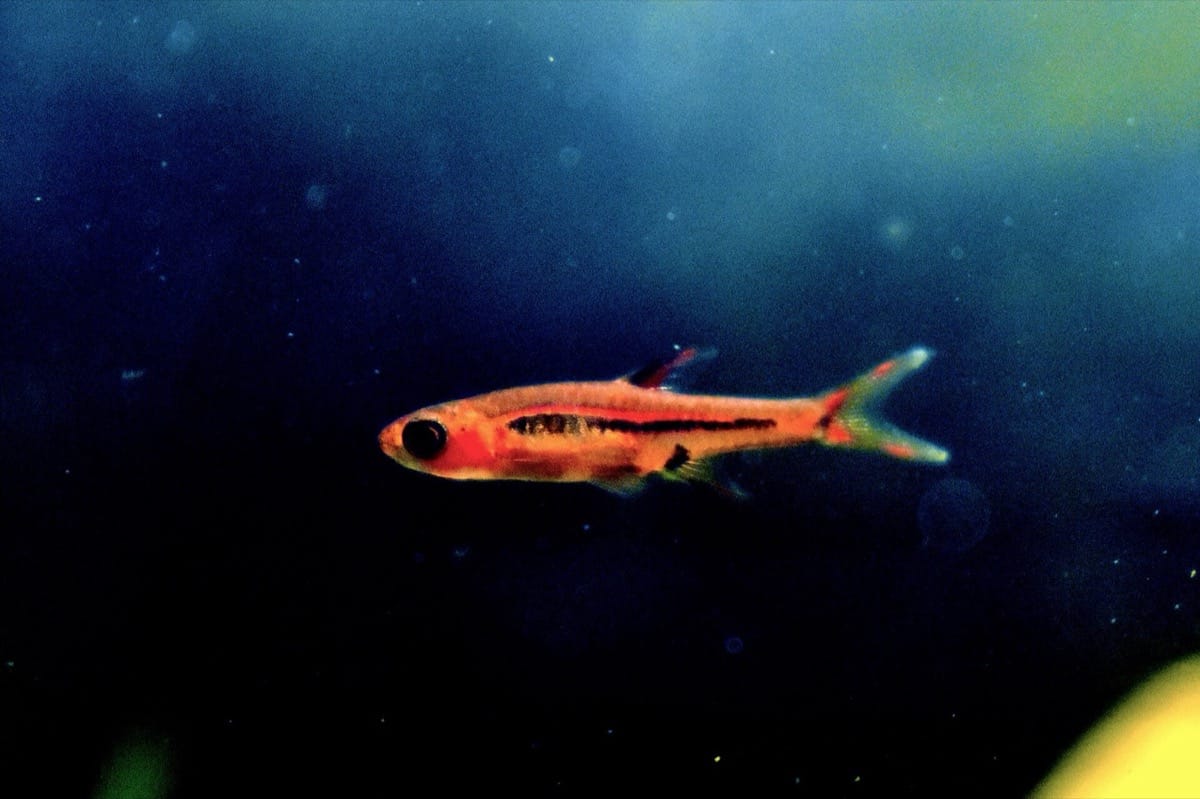
- 24–28°C
- pH 5.5–7
- 30 L+
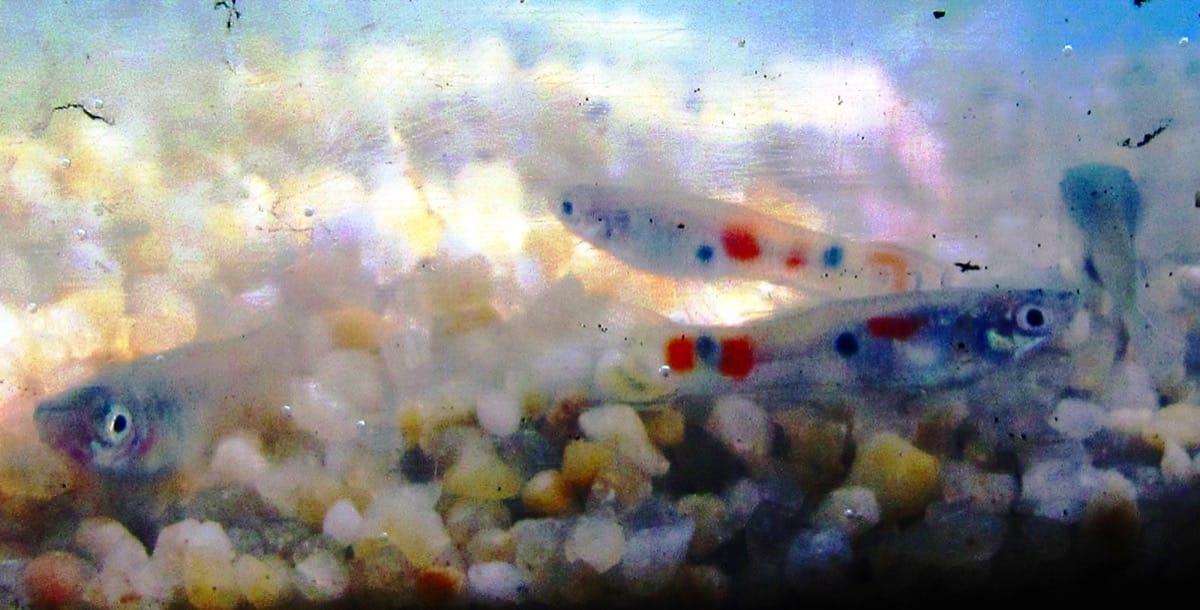
- 22-26 C
- pH 7.0-8.5
- 60 L+; 60 x 30 cm base
- 20–26°C
- pH 7–8.2
- 50 L+
- 22–28°C
- pH 7–8.5
- 70 L+
Best avoided with
Similar species
- 21-25 C
- pH 6.0-7.5
- 60 L+; 60 x 30 cm base
- 23–28°C
- pH 5–6.8
- 60 L+
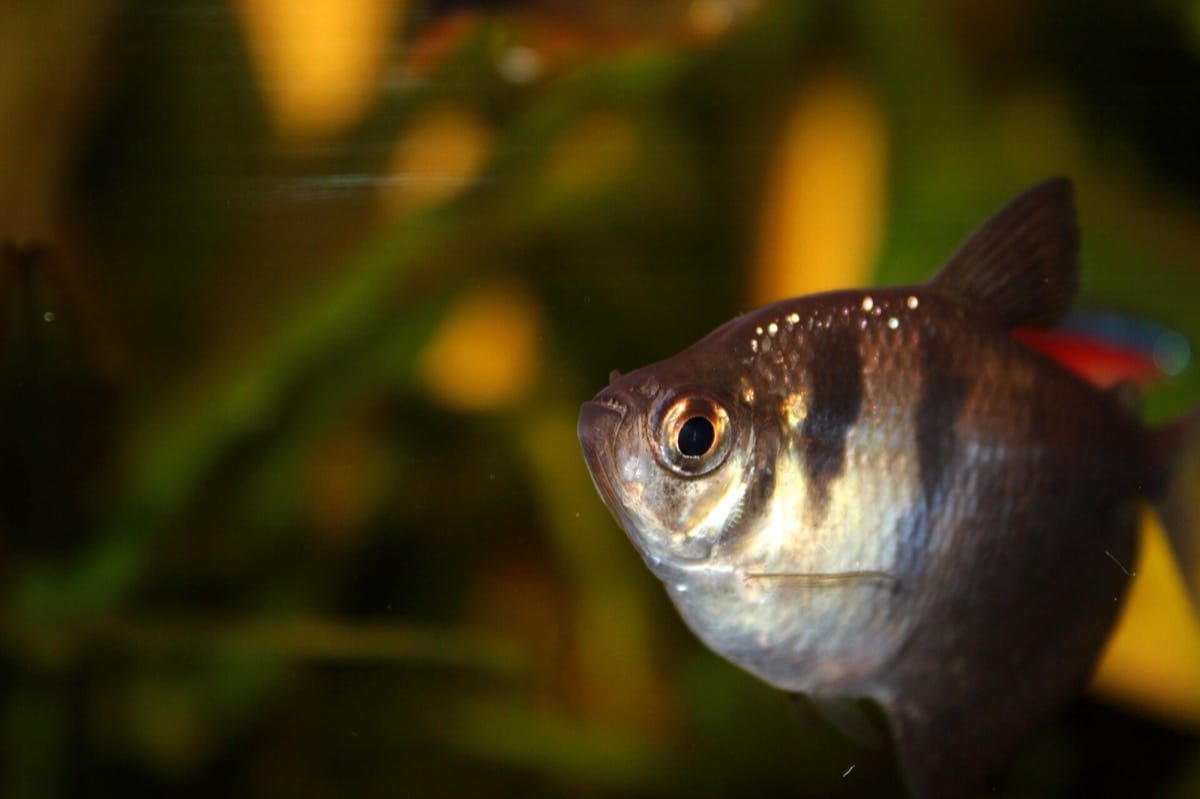
- 22–27°C
- pH 6–7.5
- 60 L+
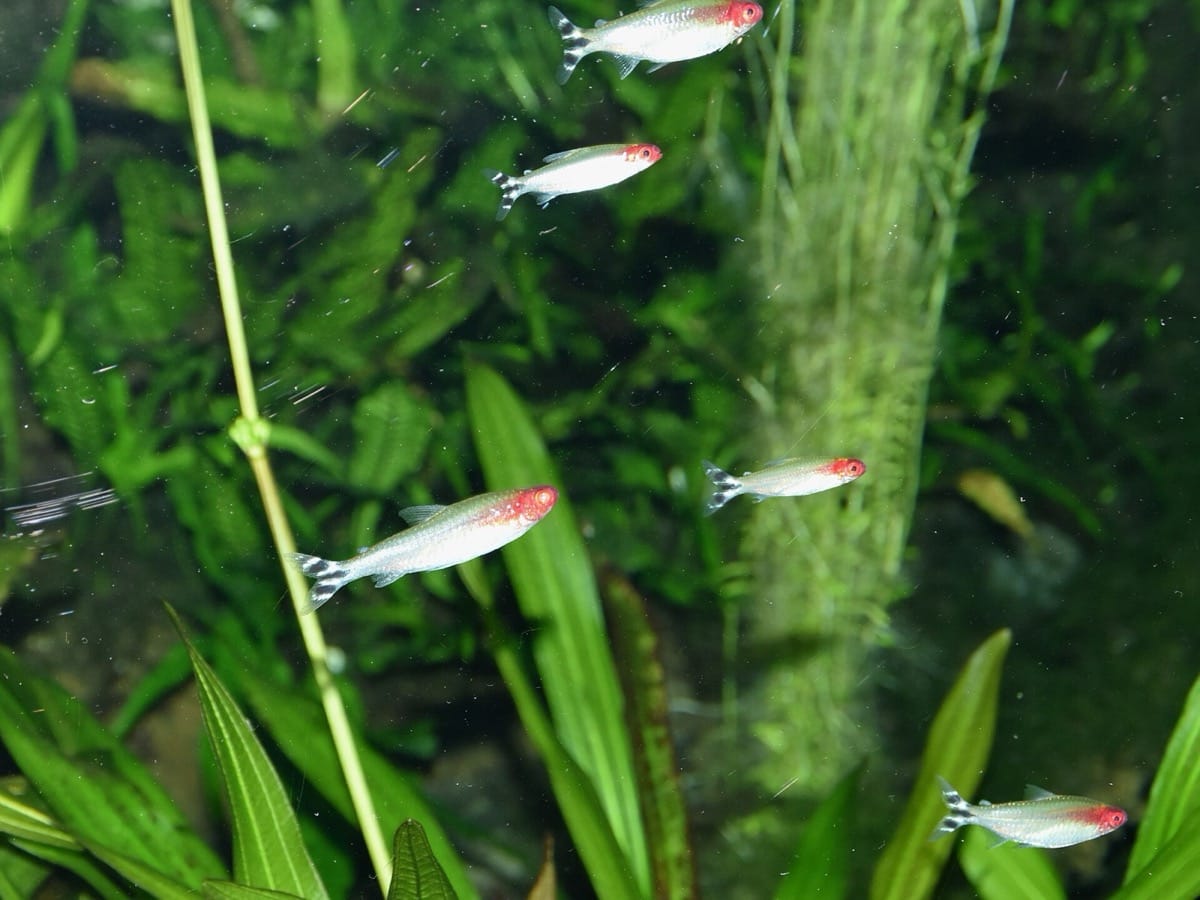
- 24–28°C
- pH 5.5–7
- 60 L+
- 22–27°C
- pH 6–7.5
- 50 L+
Compare at a glance
| Parameters | Ember tetra | Neon tetra | Cardinal tetra | Black widow tetra |
|---|---|---|---|---|
| Parameters | ||||
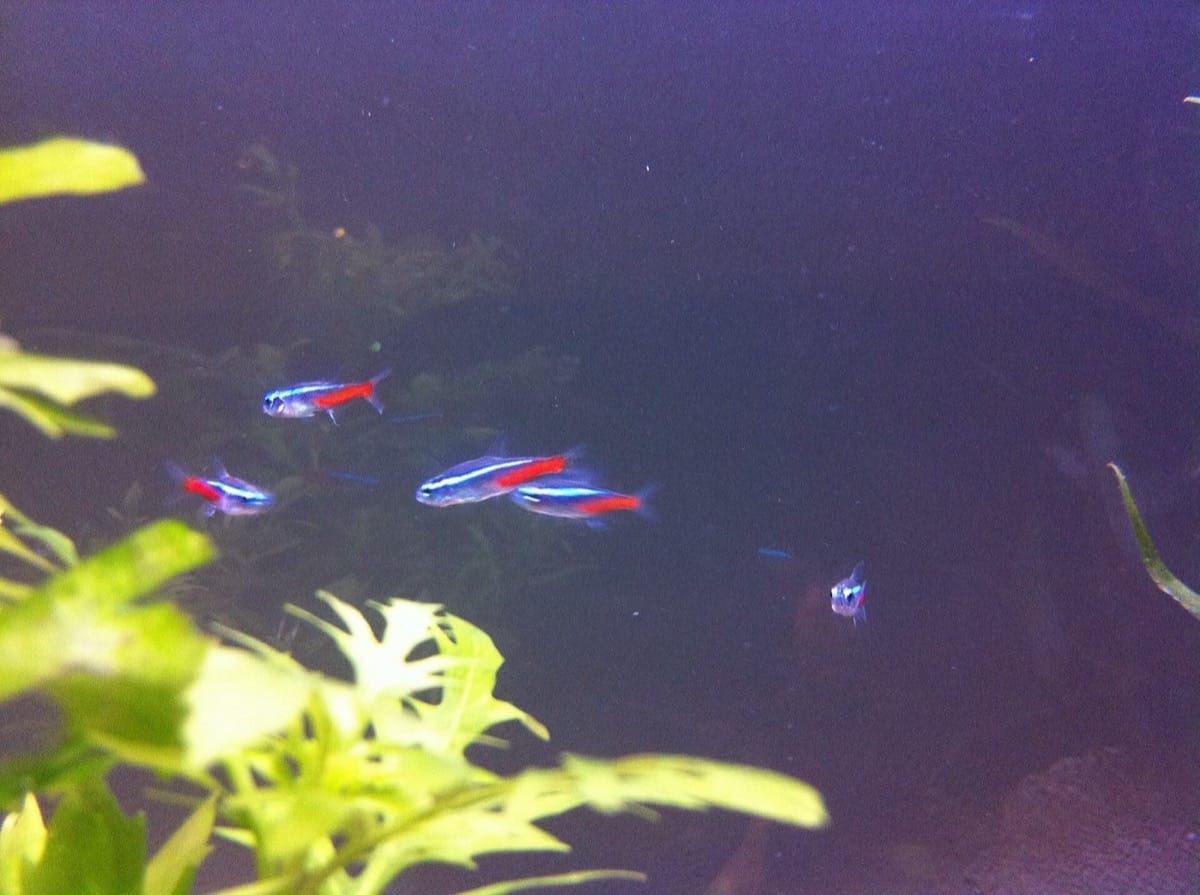
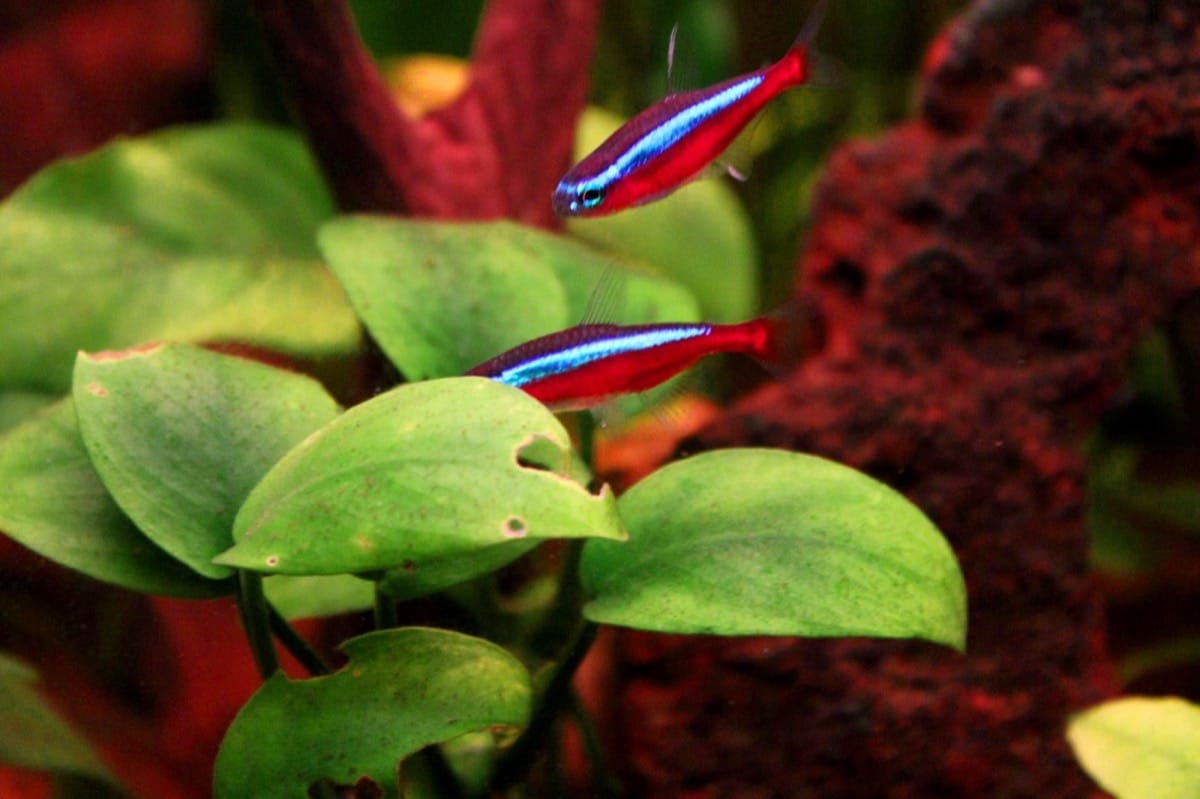
| Temp | 24–28 °C | 20–26 °C | 23–28 °C | 22–27 °C |
| pH | 6–7 | 5.5–7.5 | 5–6.8 | 6–7.5 |
| GH | 2–10 °dGH | 2–12 °dGH | 1–8 °dGH | 4–15 °dGH |
| Min. tank | 40 L | 50 L | 60 L | 60 L |
| Size | 2 cm | 3 cm | 4 cm | 5 cm |
| Diet | Omnivore | Omnivore | Omnivore | Omnivore |
| Temperament | Peaceful | Peaceful | Peaceful | Peaceful |
| Difficulty | Beginner | Intermediate | Intermediate | Beginner |
Care guides
New to the words? See the aquarium glossary.
Sources and research notes
Parameters are typical ranges for the species in home aquariums and vary with the individual fish and the water you use.