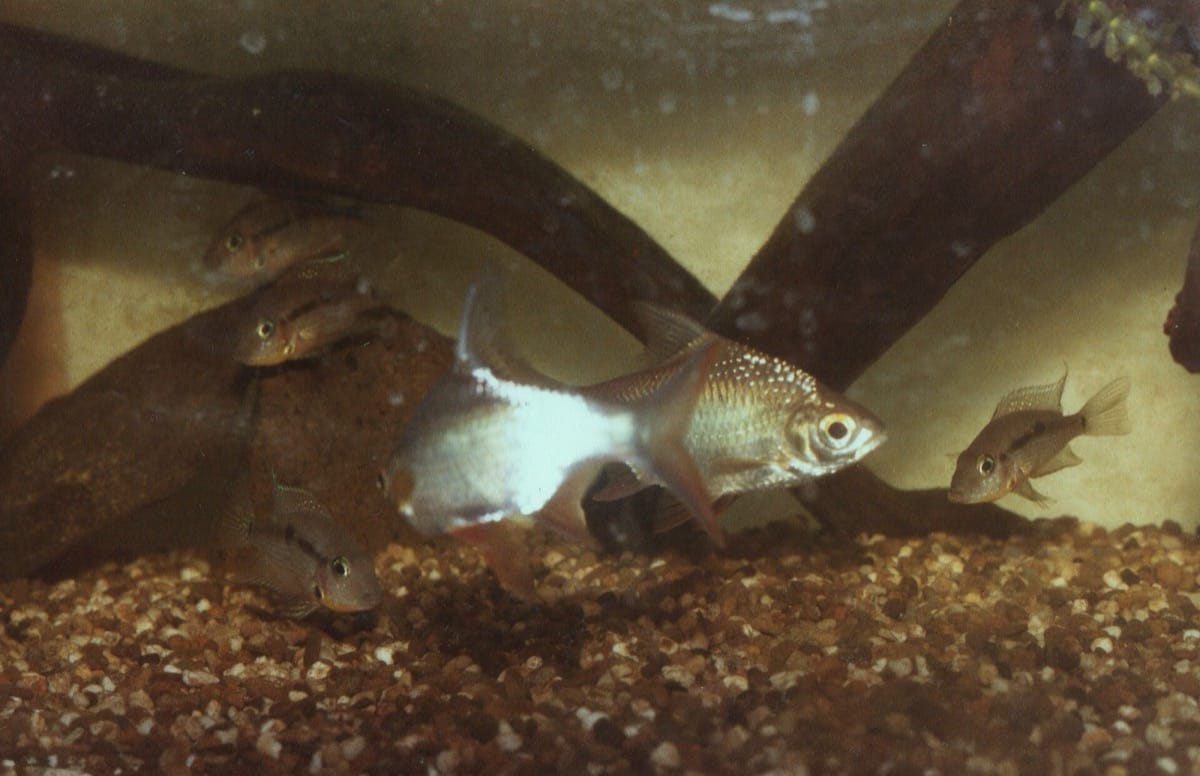
A Central American cichlid that flares a fiery red throat to bluff — territorial, but not the hardest cichlid.
- Temperature22–27 °C
- pH6.5–8
- Minimum tank110 L
- DifficultyIntermediate
| Food | Cichlid pellet + frozen |
|---|---|
| Feeding | 1–2 feeds a day |
| Water change | 25–30% weekly |
Behaviour and habits
The firemouth cichlid is a Central American species that bluffs rather than fights: it flares its gills and its fiery red throat to look larger and see off rivals. It is territorial, digging and guarding a patch of the tank, and it will eat very small tankmates, though it is far less aggressive than many cichlids. Given a roomy tank with caves and firm, similarly sized companions, it is a hardy and characterful fish.
What to feed, and how often
Omnivore: cichlid pellets plus frozen bloodworm, prawn and vegetables. Feed once or twice a day, matching the amount to its medium size. It is a hearty eater, so keep the water clean and avoid overfeeding.
Water changes and maintenance
Change 25–30% weekly. It is fairly messy and prone to 'hole in the head' in poor water, so strong filtration and regular changes are important to keep nitrate low.
Care and how easy it is
Needs a roomy tank with caves and tough, similarly sized tankmates; it is not a community fish for small or timid species.
Common health problems
Prone to ich and to 'hole in the head' in poor water; robust otherwise.
If it gets sick
Keep the water clean and stable, quarantine new fish, and treat early if the fish shows white marks or goes off its food.
Good tank mates
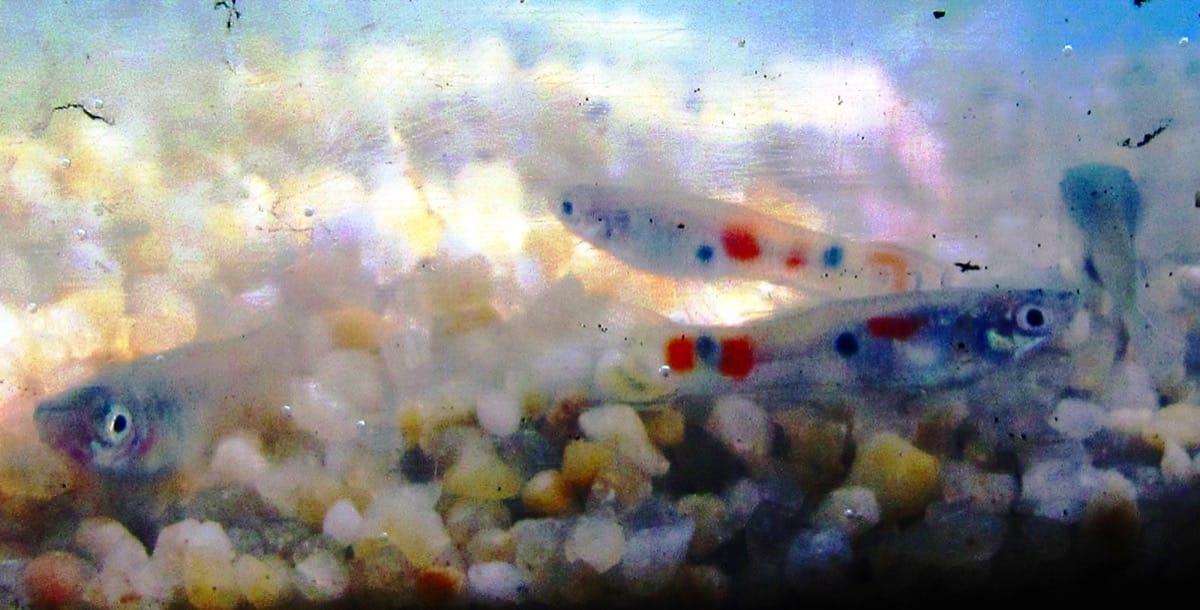
- 22-26 C
- pH 7.0-8.5
- 60 L+; 60 x 30 cm base
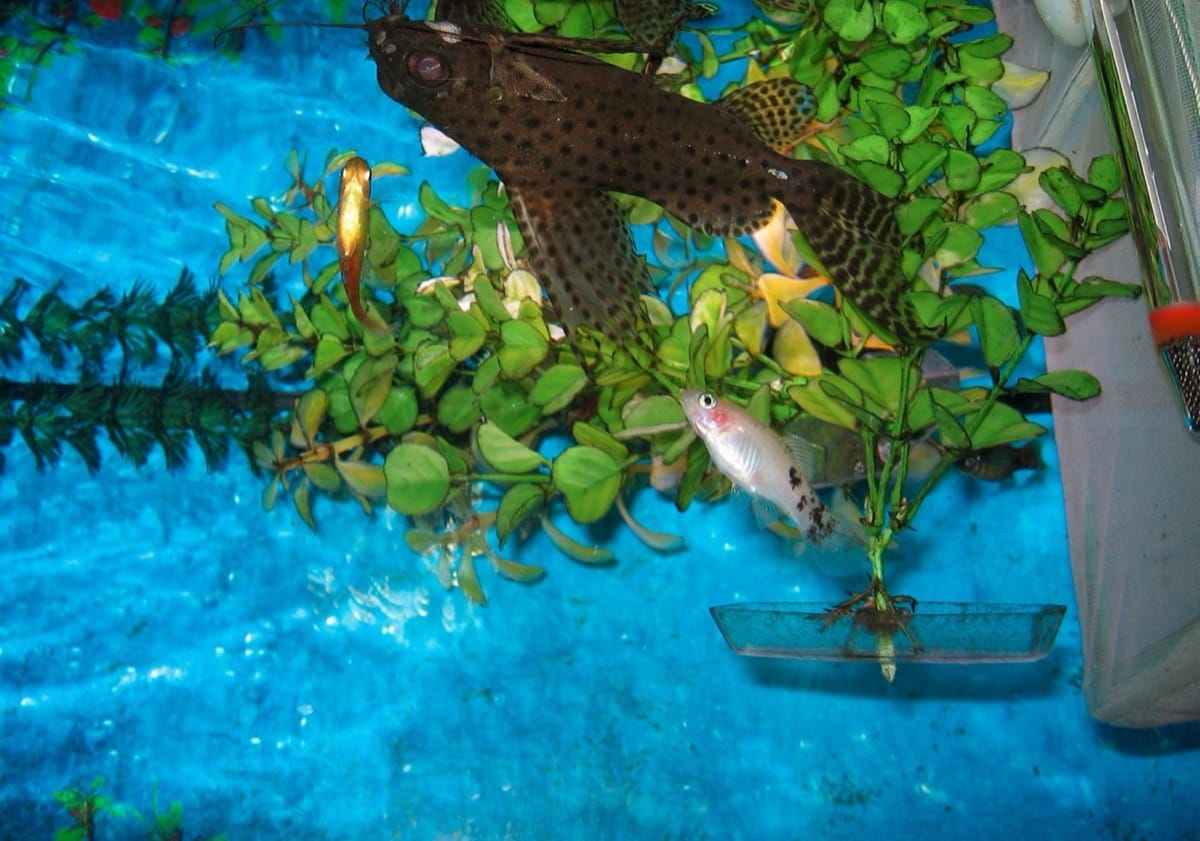
- 20–26°C
- pH 7–8.2
- 50 L+
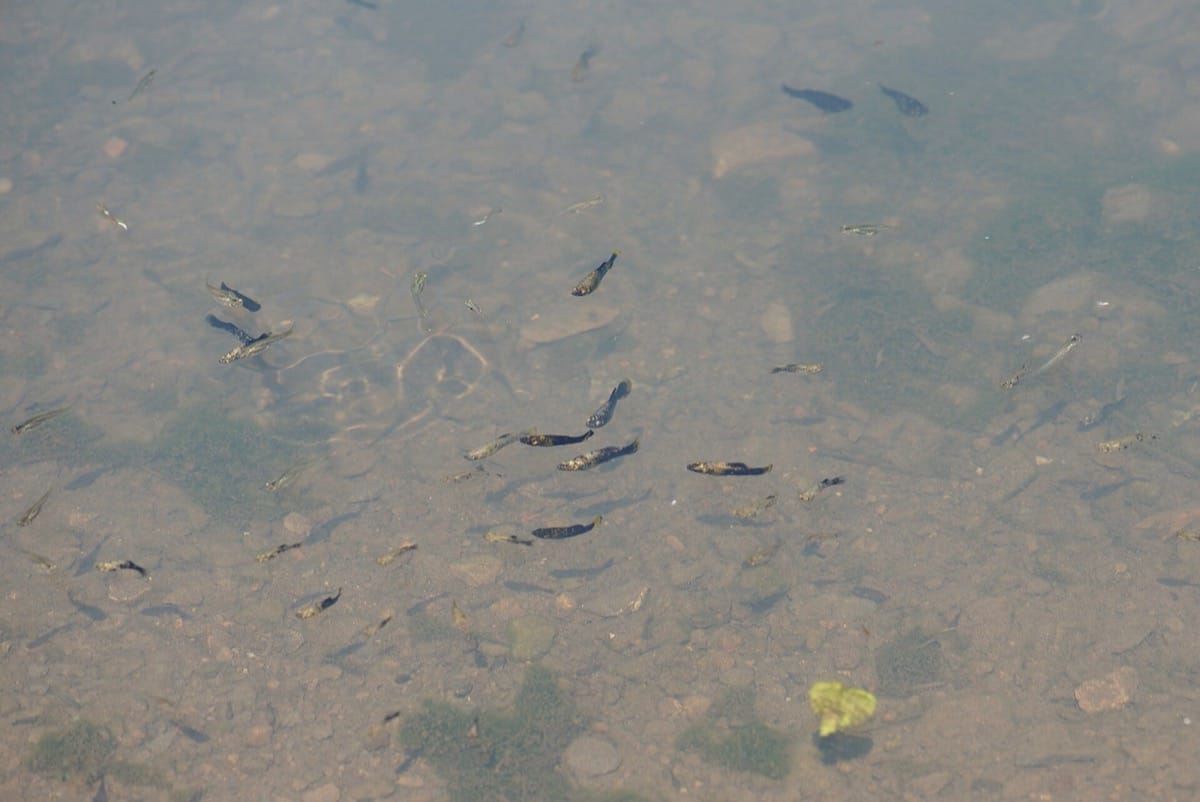
- 22–28°C
- pH 7–8.5
- 70 L+
Best avoided with
Similar species
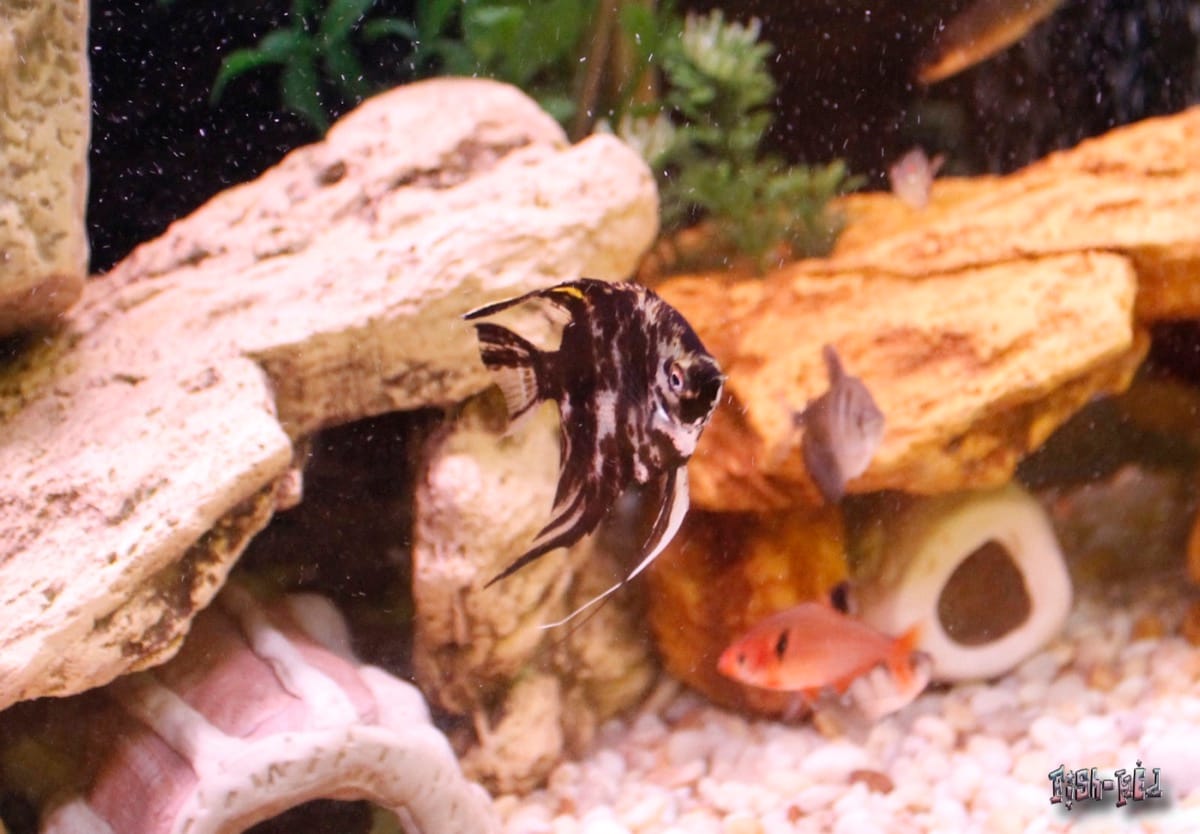
- 24-28 C
- pH 6.0-7.4
- 200 L+ nominal; 100 x 40 x 50 cm; conditional pair-only plan
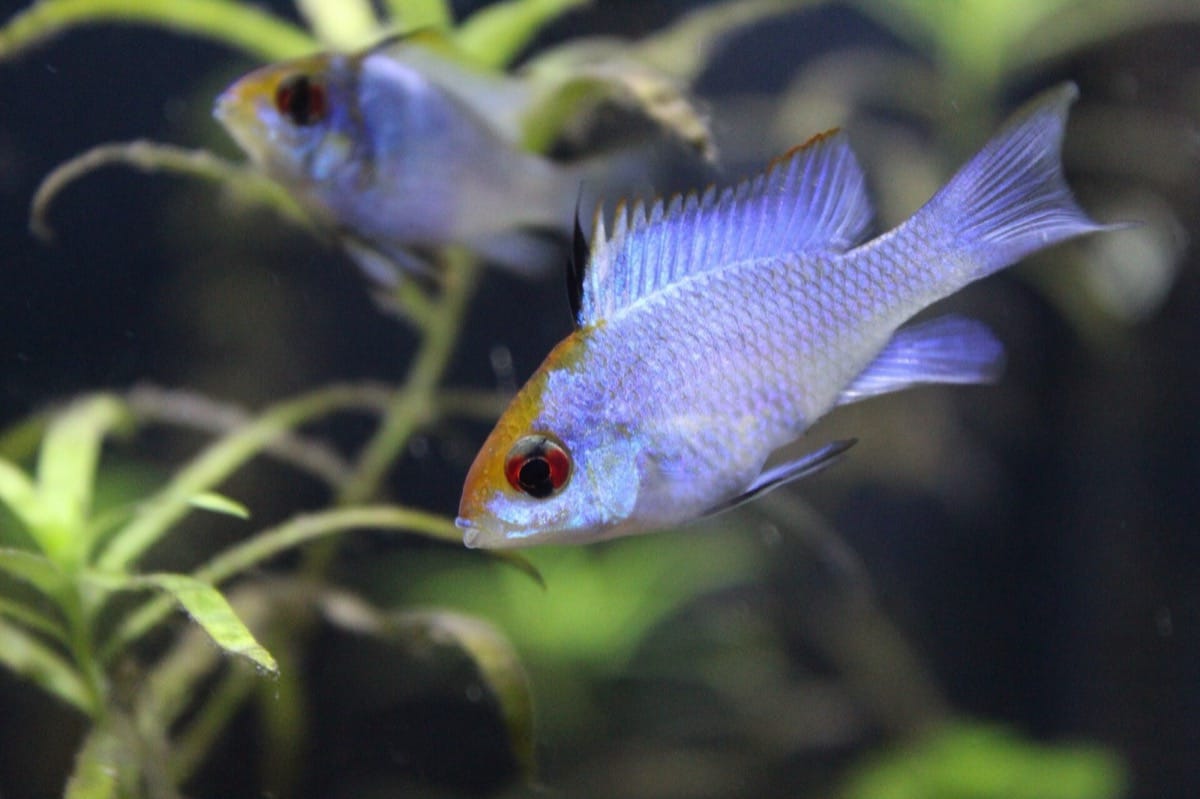
- 25–29°C
- pH 5–7
- 70 L+
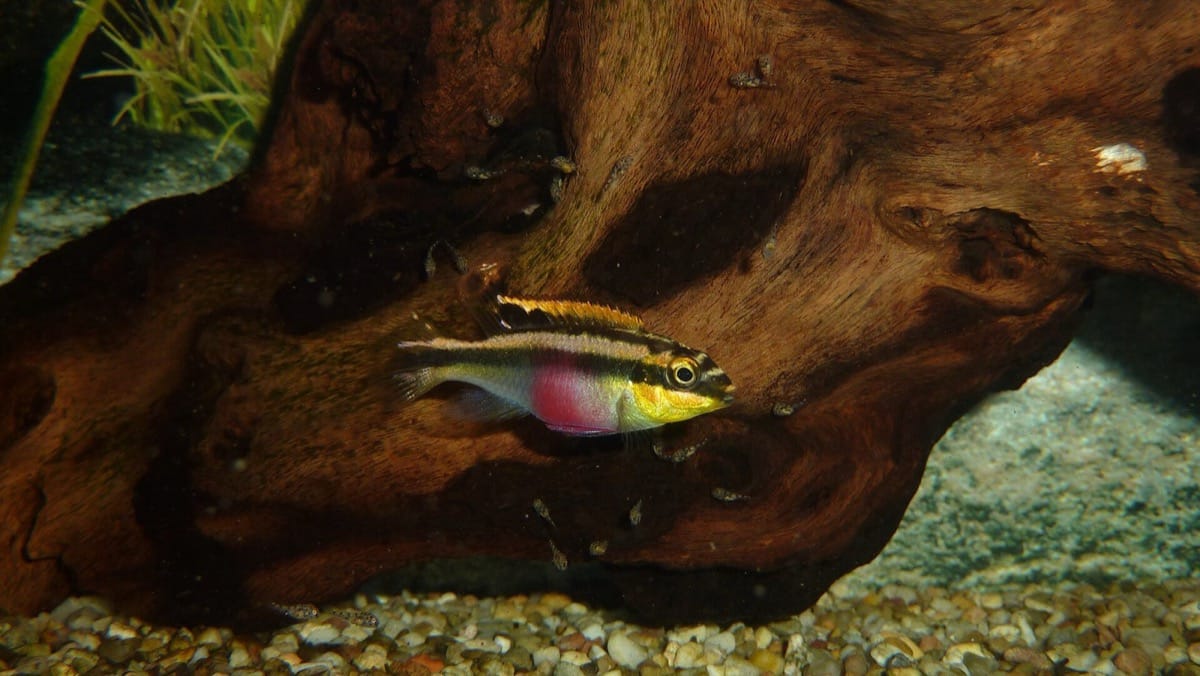
- 24–27°C
- pH 6–7.5
- 70 L+
Compare at a glance
| Parameters | Firemouth cichlid | Angelfish | Ram cichlid | Kribensis |
|---|---|---|---|---|
| Parameters | ||||
| Temp | 22–27 °C | 24–28 °C | 25–29 °C | 24–27 °C |
| pH | 6.5–8 | 6–7.5 | 5–7 | 6–7.5 |
| GH | 6–20 °dGH | 2–12 °dGH | 1–10 °dGH | 5–15 °dGH |
| Min. tank | 110 L | 100 L | 70 L | 70 L |
| Size | 15 cm | 15 cm | 6 cm | 8 cm |
| Diet | Omnivore | Omnivore | Omnivore | Omnivore |
| Temperament | Semi-aggressive | Semi-aggressive | Peaceful | Semi-aggressive |
| Difficulty | Intermediate | Intermediate | Advanced | Intermediate |
Care guides
New to the words? See the aquarium glossary.
Sources and research notes
Parameters are typical ranges for the species in home aquariums and vary with the individual fish and the water you use.