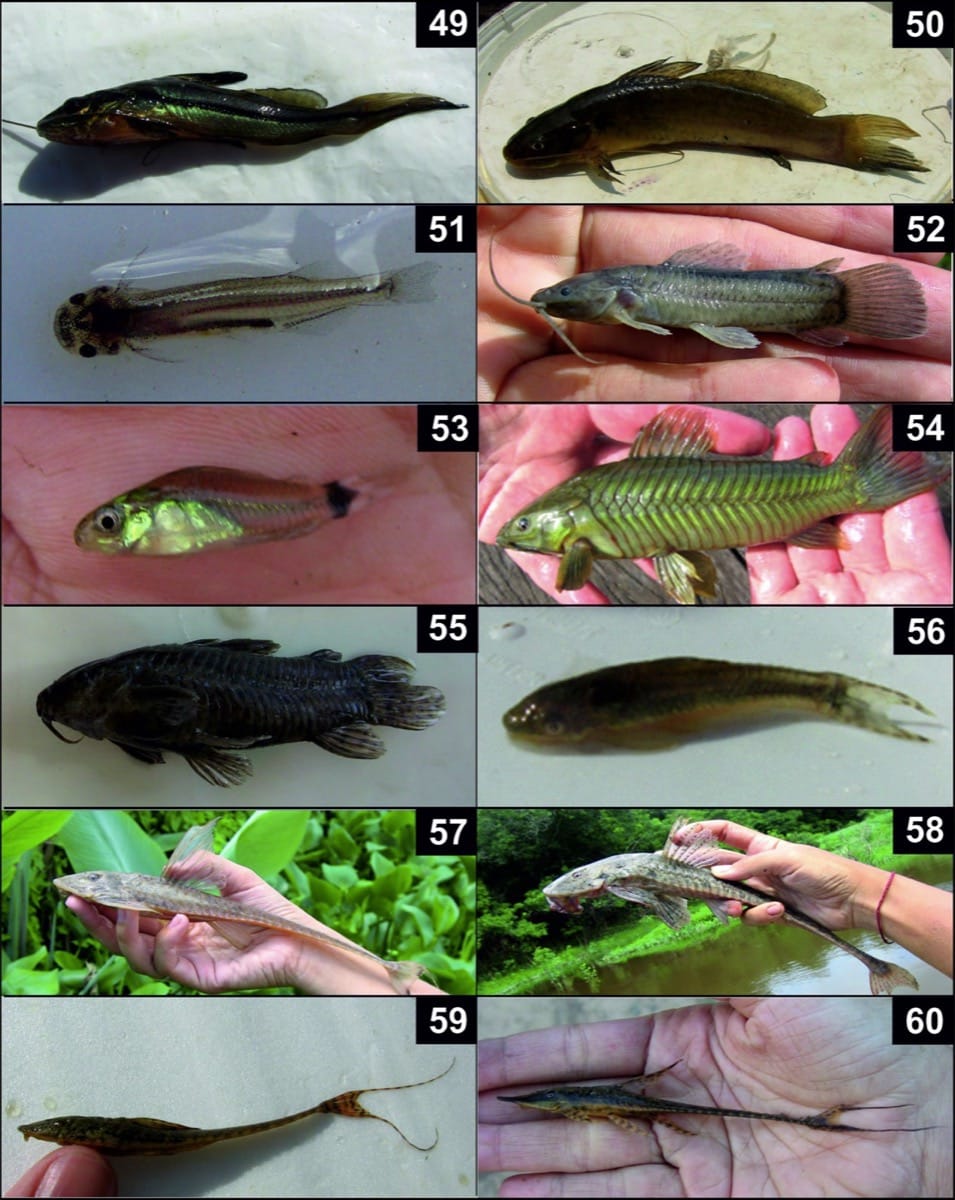
Small, peaceful algae eaters for planted tanks. Best added to a mature tank with a group and plenty of grazing surface.
- Temperature22–27 °C
- pH6–7.5
- Minimum tank50 L
- DifficultyIntermediate
| Food | Algae/biofilm + blanched veg |
|---|---|
| Feeding | Daily grazing + algae wafer |
| Water change | 25% weekly |
Behaviour and habits
A small, peaceful algae-grazing catfish that clings to leaves, wood and glass and works in loose groups. It is shy and mostly active once settled, and best kept in a group of six or more.
What to feed, and how often
A specialised grazer that lives on aufwuchs — algae and biofilm — and often starves in a spotless new tank. Supplement with blanched courgette, spinach or an algae wafer, but let it graze naturally too.
Water changes and maintenance
Keep the water clean and well oxygenated; do 25% weekly changes. Many otos are lost in the first weeks, so add them to a tank that has been running a while.
Care and how easy it is
Not a fish for a brand-new tank: buy it fat, add it to a mature planted tank, and ensure constant grazing.
Lifespan
With good conditions and steady water quality, this species typically lives around 3–6 years in a home aquarium; some individuals live longer.
Common health problems
The main danger is starvation, and parasites in new stock; they arrive thin and fade quickly.
If it gets sick
If an oto looks sunken-bellied, feed blanched vegetables and consider a deworming treatment, but do not over-medicate — they are sensitive to medicines. Quarantine new ones and observe for a few weeks.
Good tank mates
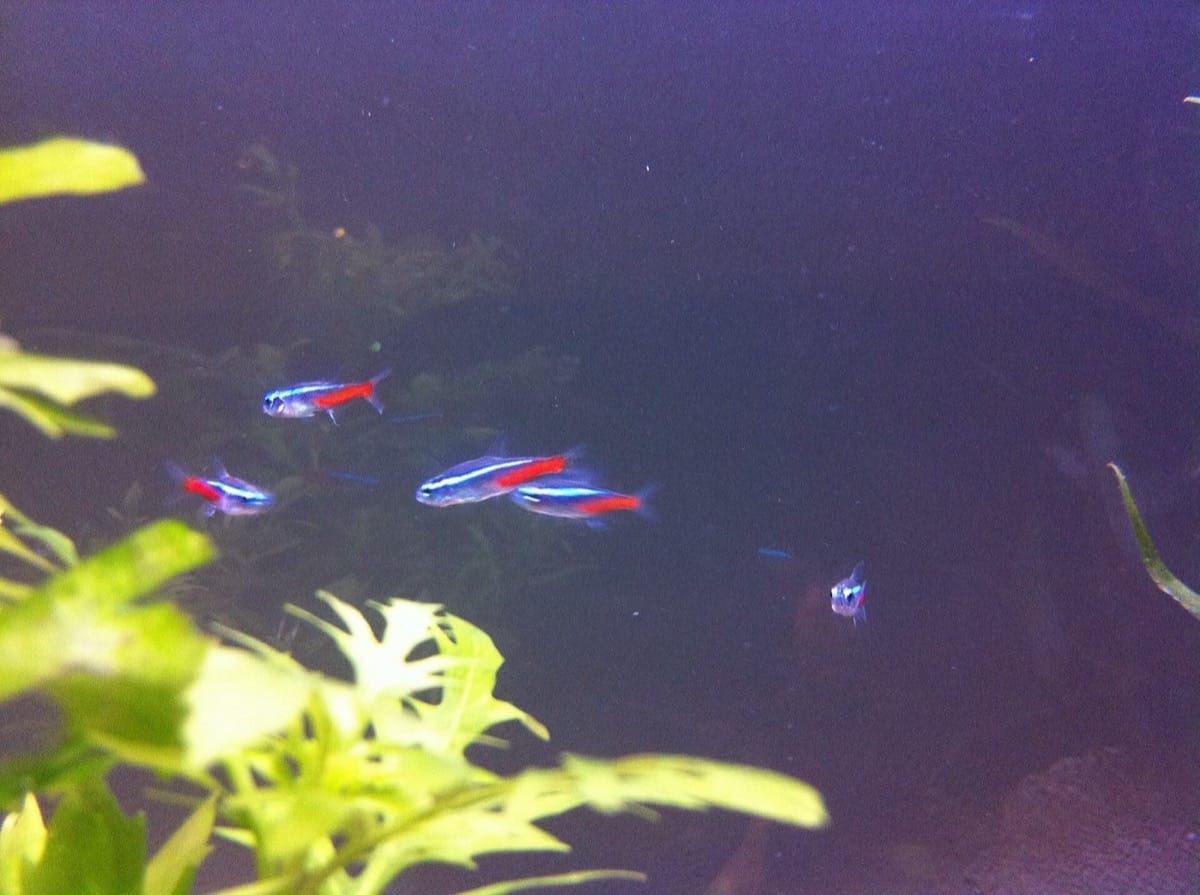
- 21-25 C
- pH 6.0-7.5
- 60 L+; 60 x 30 cm base
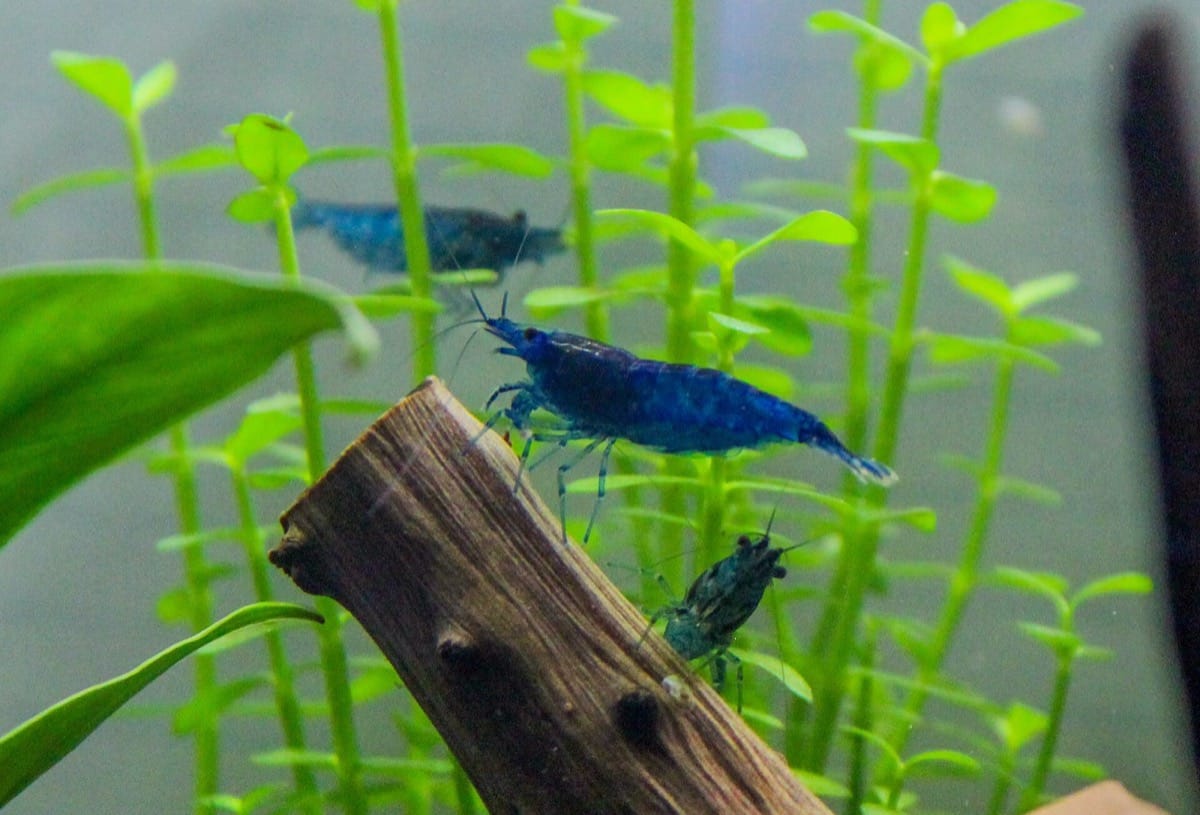
- 18–26°C
- pH 6.5–8
- 20 L+
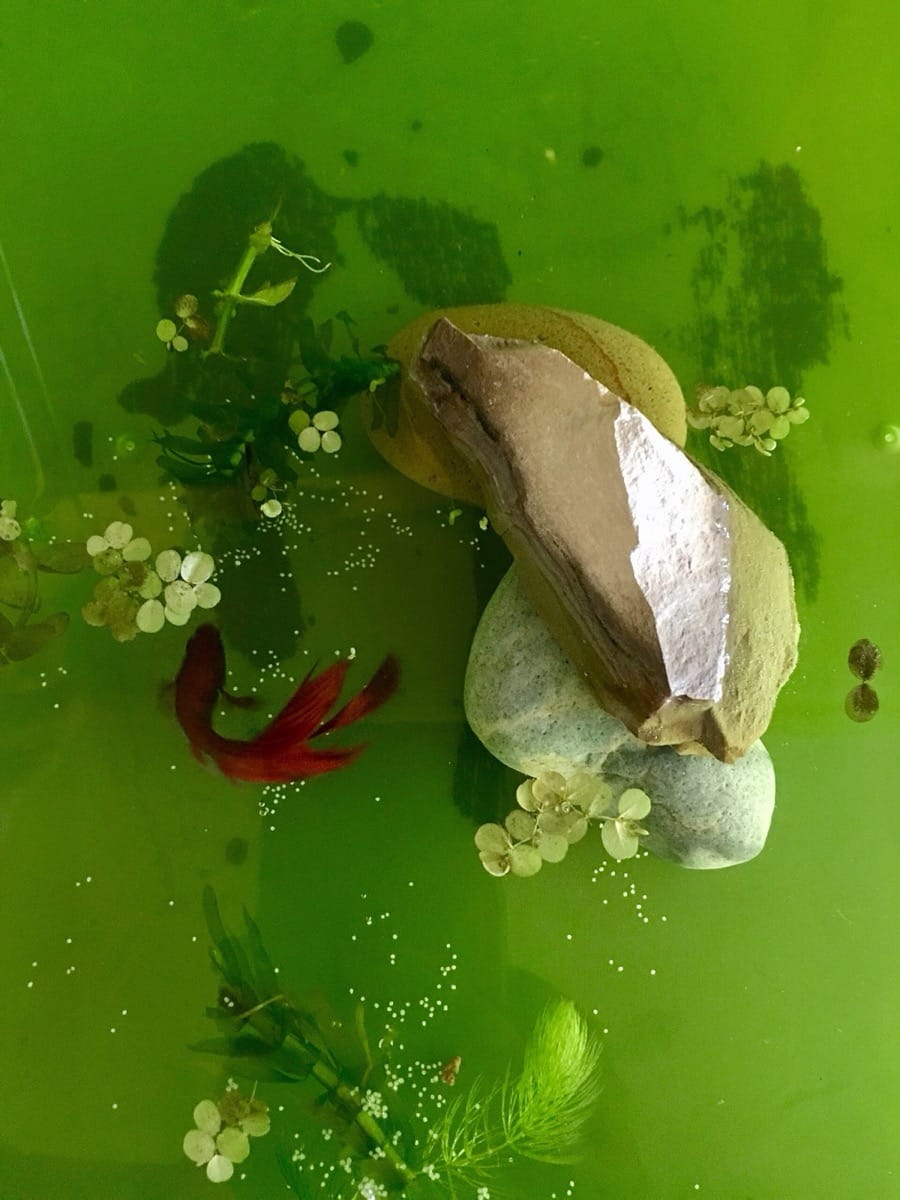
- 24-26 C
- pH 6.5-7.5
- 40 L+; 45 x 30 cm base
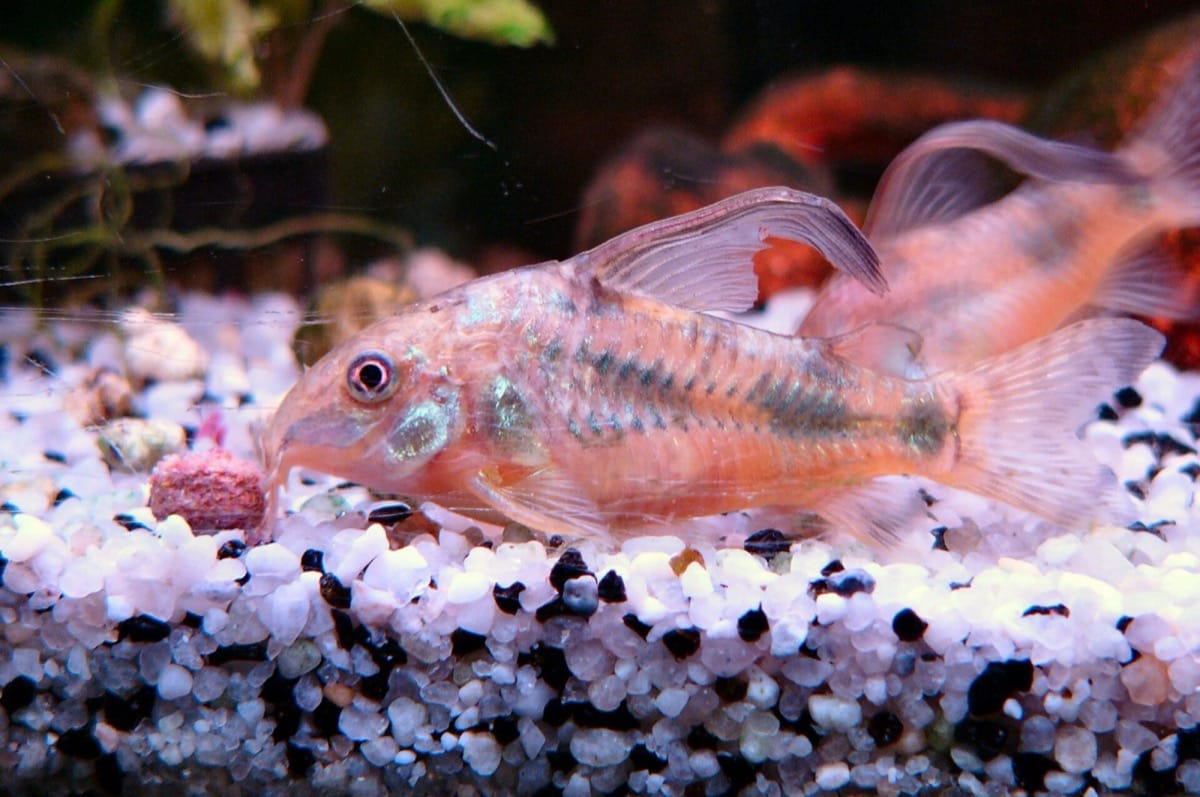
- 20–26°C
- pH 6–7.8
- 60 L+
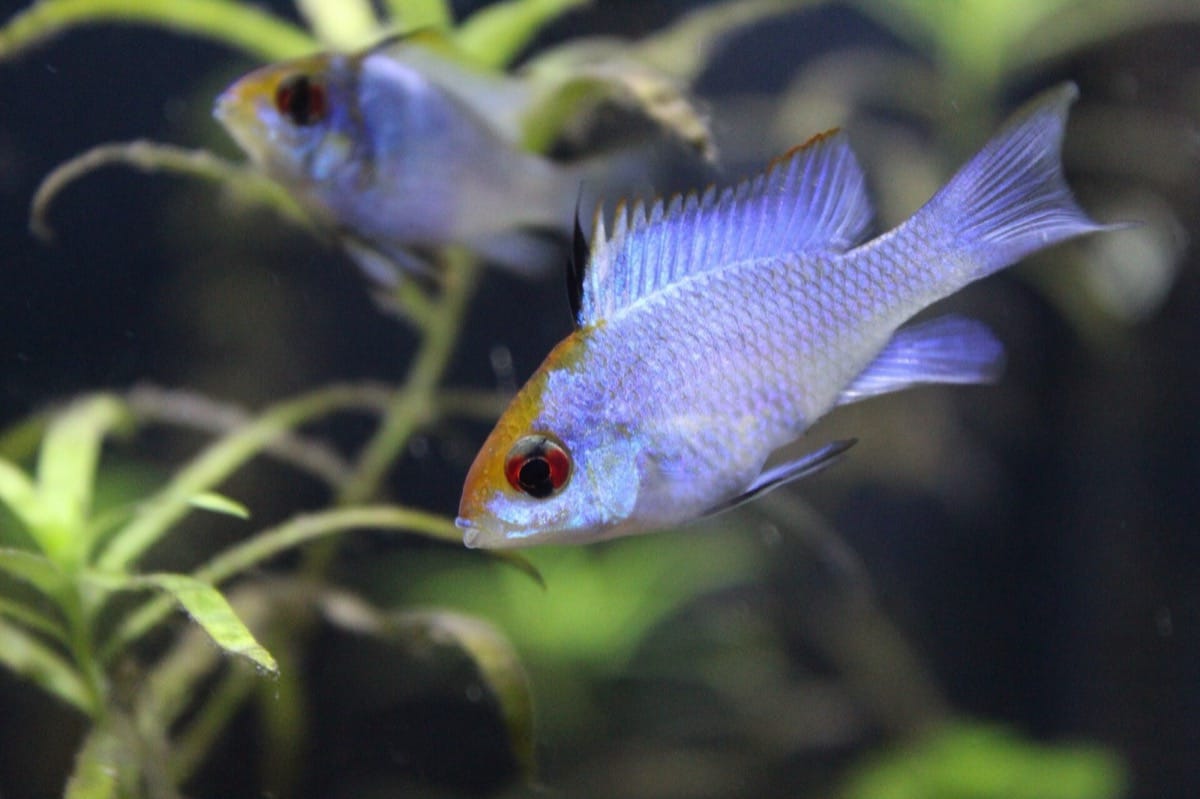
- 25–29°C
- pH 5–7
- 70 L+
Best avoided with
Similar species
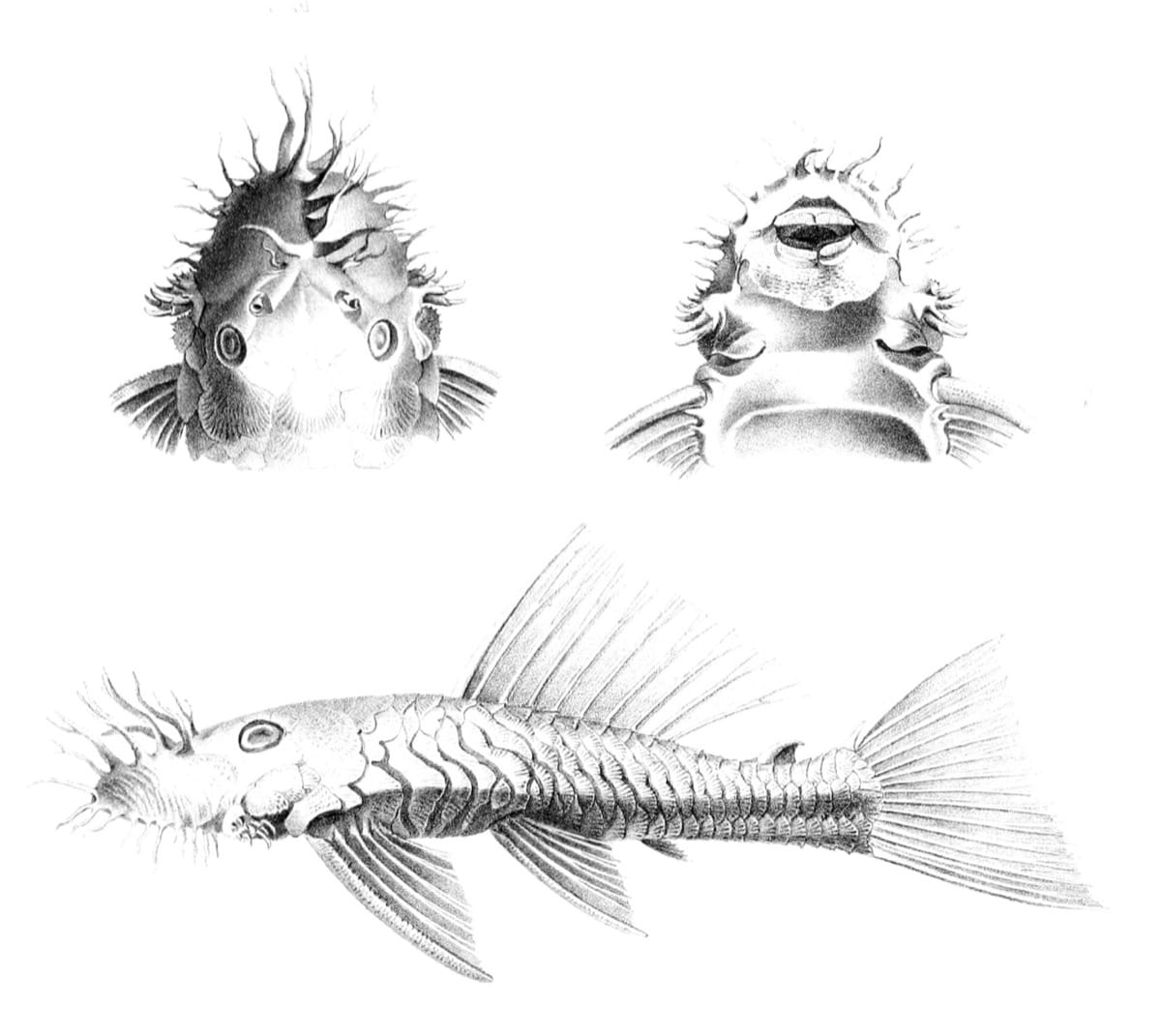
- 23–27°C
- pH 6–7.5
- 80 L+
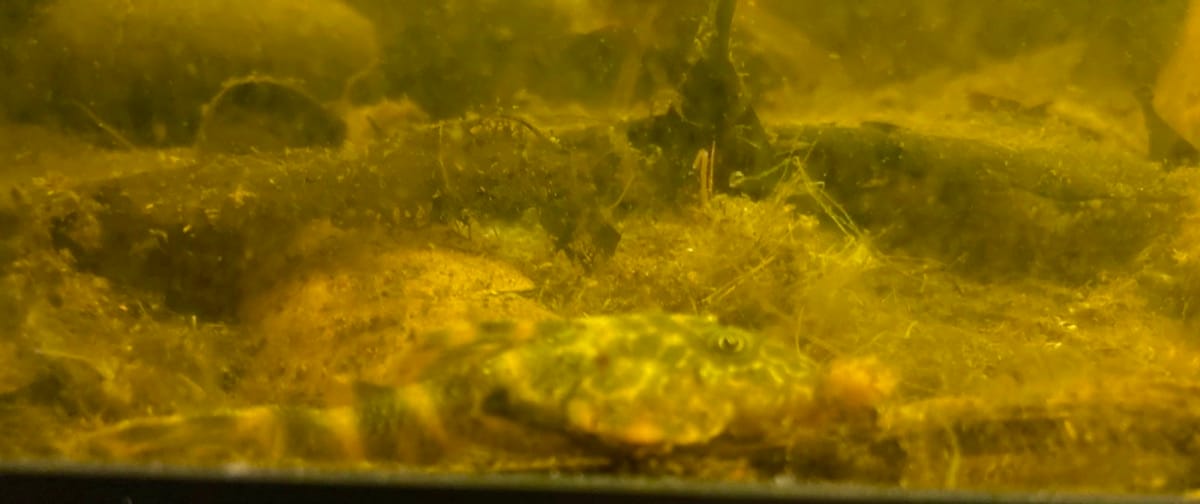
- 23–28°C
- pH 6.5–7.5
- 80 L+
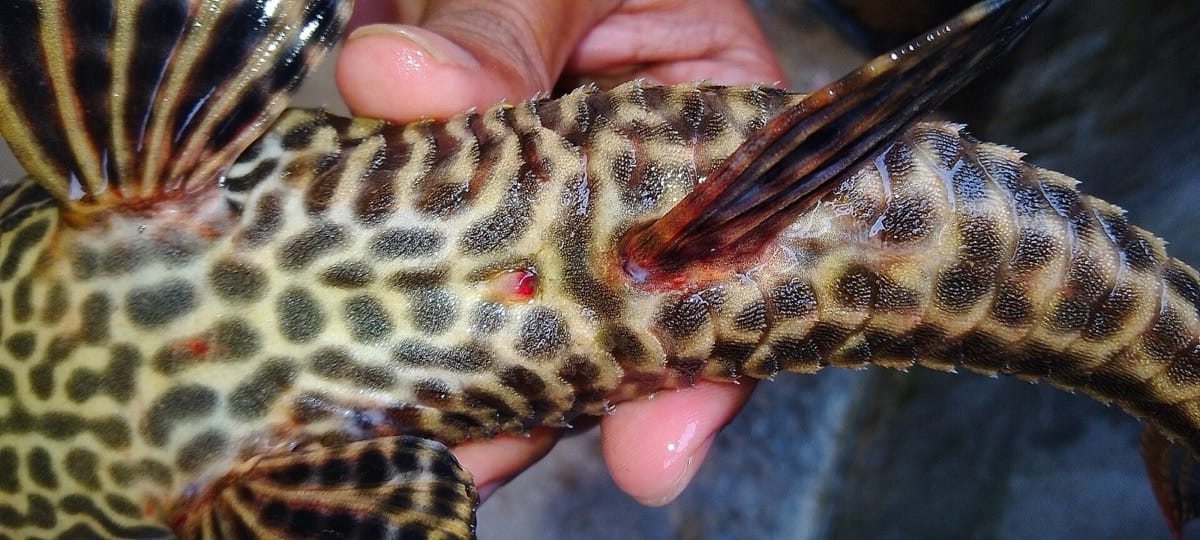
- Confirm species before setting water targets
- 180 x 75 cm base or larger for a large P. pardalis; editorial plan
Compare at a glance
| Parameters | Otocinclus | Bristlenose pleco | Clown pleco |
|---|---|---|---|
| Parameters | |||
| Temp | 22–27 °C | 23–27 °C | 23–28 °C |
| pH | 6–7.5 | 6–7.5 | 6.5–7.5 |
| GH | 2–12 °dGH | 2–15 °dGH | 4–15 °dGH |
| Min. tank | 50 L | 80 L | 80 L |
| Size | 4 cm | 12 cm | 10 cm |
| Diet | Herbivore | Herbivore | Herbivore |
| Temperament | Peaceful | Peaceful | Peaceful |
| Difficulty | Intermediate | Beginner | Beginner |
Care guides
New to the words? See the aquarium glossary.
Sources and research notes
Parameters are typical ranges for the species in home aquariums and vary with the individual fish and the water you use.