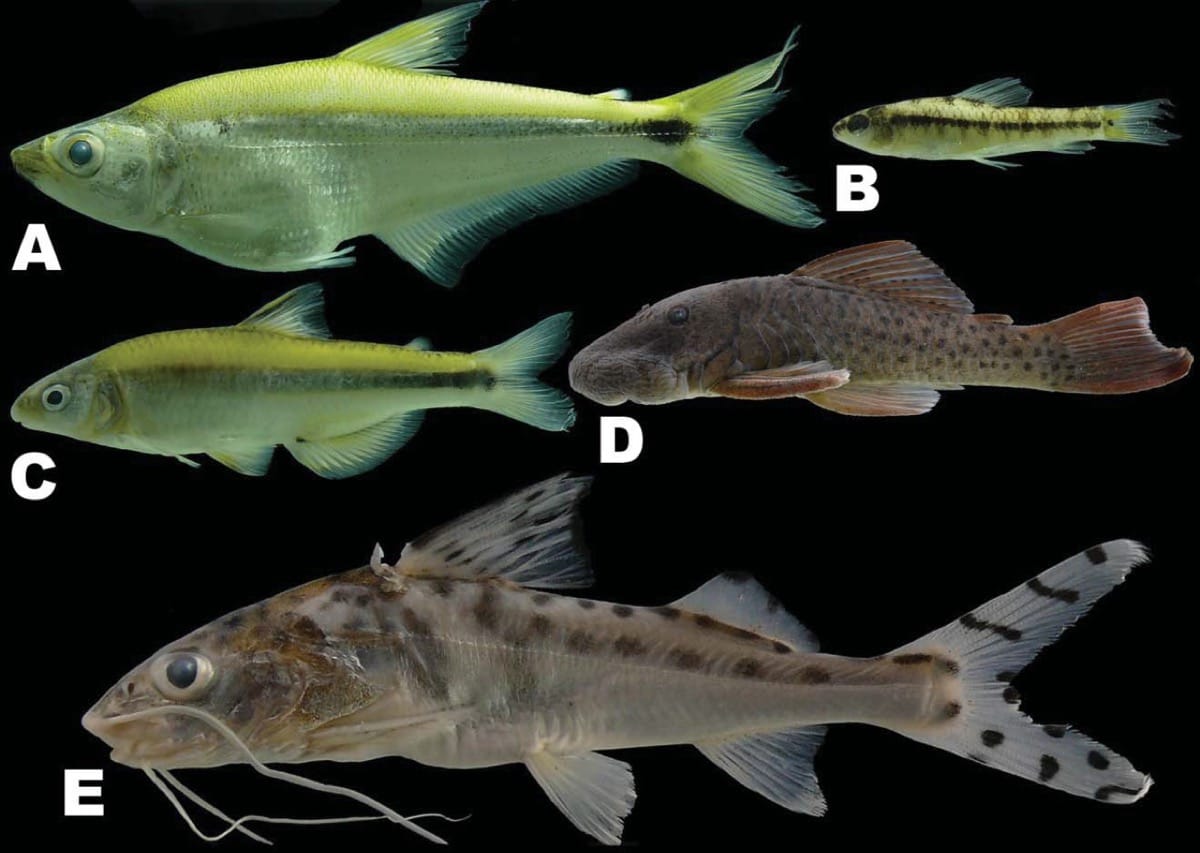
A beautiful, active, spotted catfish that needs space and will eat very small tankmates.
- Temperature23–27 °C
- pH6–7.5
- Minimum tank120 L
- DifficultyIntermediate
| Food | Meaty sinking foods + bloodworm |
|---|---|
| Feeding | 1–2 feeds a day |
| Water change | 25–30% weekly |
Behaviour and habits
The pictus catfish is a striking, active, spotted catfish with long whiskers and a taste for swimming at night. It patrols the tank in a loose group, is peaceful toward fish it cannot eat, and is genuinely predatory — anything small enough to fit in its mouth will disappear. It needs swimming room and a group, and it is most active after dark, so a dim tank suits it.
What to feed, and how often
A carnivore: meaty sinking foods, frozen bloodworm, prawn and pellets, fed once or twice a day. As a fast, active fish it has a good appetite and needs feeding properly, but it should not be kept with fish small enough to become food.
Water changes and maintenance
Change 25–30% weekly. A large, messy catfish, it needs a big tank, strong filtration and clean water; its scaleless body also makes it sensitive to poor conditions.
Care and how easy it is
Needs a large tank, a group and no tiny tankmates; hardy but not a community fish for small species.
Common health problems
Being scaleless, it is prone to ich and sensitive to some medications.
If it gets sick
Quarantine new fish, treat ich carefully (following any half-dose advice for scaleless fish), and keep the water clean.
Good tank mates
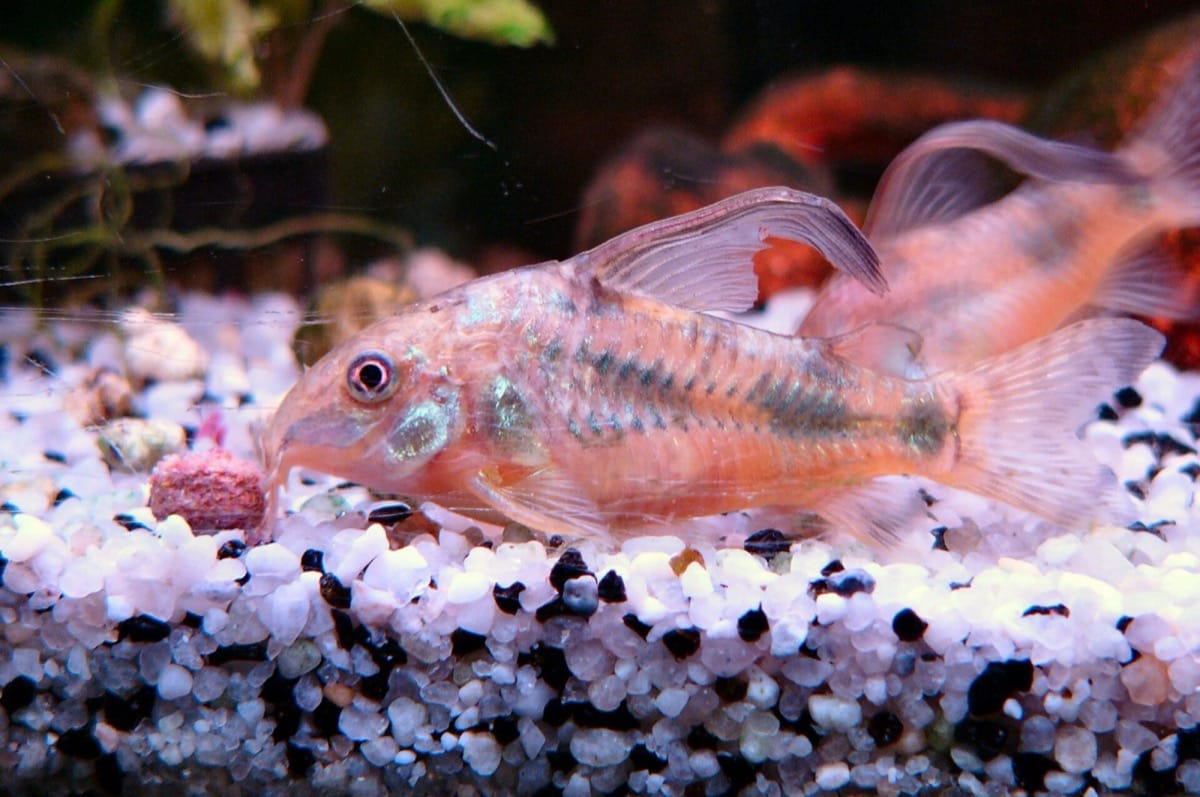
- 20–26°C
- pH 6–7.8
- 60 L+
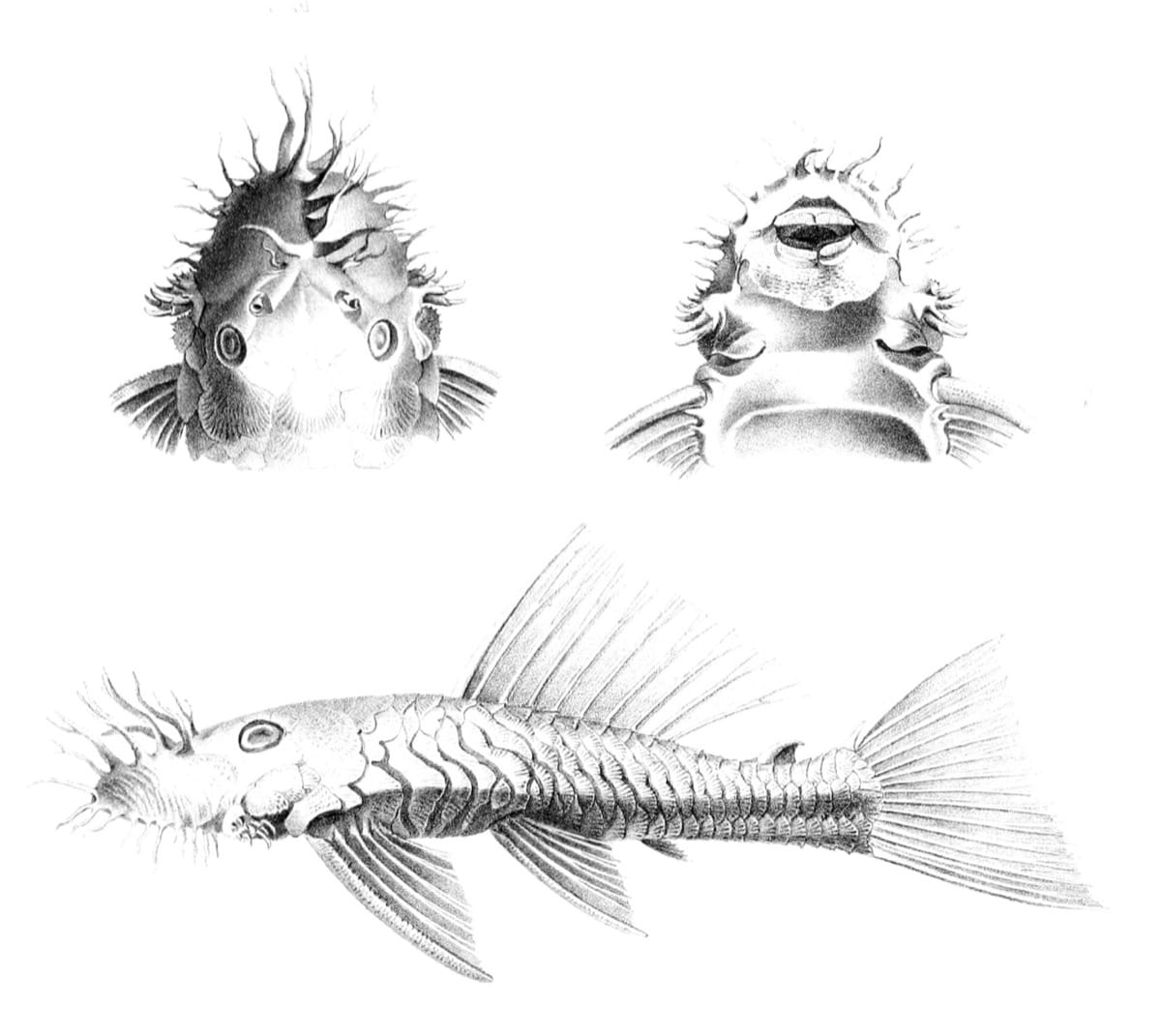
- 23–27°C
- pH 6–7.5
- 80 L+
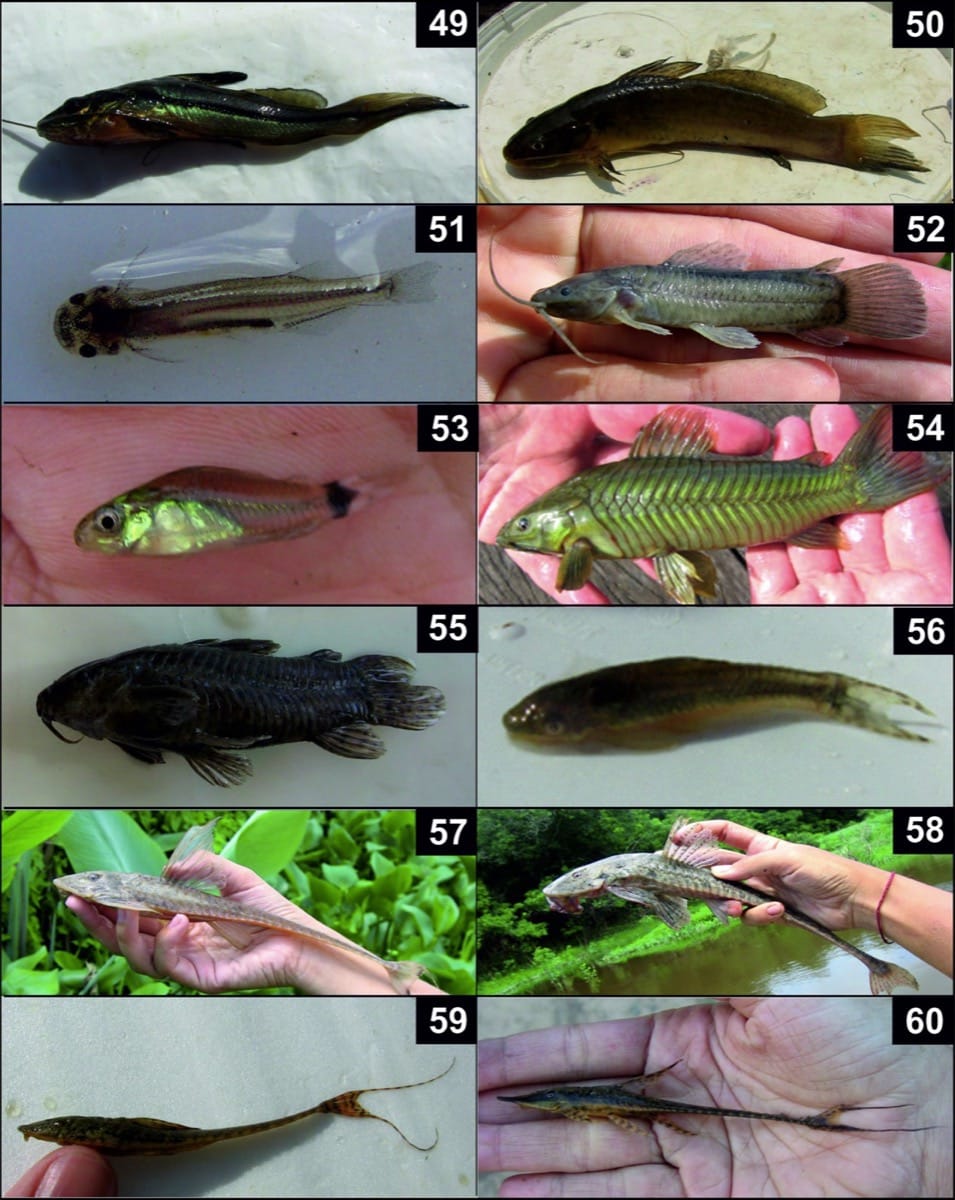
- 22–27°C
- pH 6–7.5
- 50 L+
Best avoided with
Similar species
- 20–26°C
- pH 6–7.8
- 60 L+
- 23–27°C
- pH 6–7.5
- 80 L+
- 22–27°C
- pH 6–7.5
- 50 L+
Compare at a glance
| Parameters | Pictus catfish | Corydoras | Bristlenose pleco | Otocinclus |
|---|---|---|---|---|
| Parameters | ||||
| Temp | 23–27 °C | 20–26 °C | 23–27 °C | 22–27 °C |
| pH | 6–7.5 | 6–7.8 | 6–7.5 | 6–7.5 |
| GH | 4–15 °dGH | 2–15 °dGH | 2–15 °dGH | 2–12 °dGH |
| Min. tank | 120 L | 60 L | 80 L | 50 L |
| Size | 15 cm | 6 cm | 12 cm | 4 cm |
| Diet | Carnivore | Omnivore | Herbivore | Herbivore |
| Temperament | Peaceful | Peaceful | Peaceful | Peaceful |
| Difficulty | Intermediate | Beginner | Beginner | Intermediate |
Care guides
New to the words? See the aquarium glossary.
Sources and research notes
Parameters are typical ranges for the species in home aquariums and vary with the individual fish and the water you use.