Fishless Cycling: The Kindest Way to Start a Tank
Fishless cycling builds the filter's bacteria before any fish goes in, so your first fish never lives through toxic water. Here is how to do it.
A brand-new filter has no bacteria, so the first fish waste becomes toxic ammonia. "Cycling" grows the bacteria that convert ammonia into nitrite and then nitrate. Doing it before adding fish — fishless cycling — means the tank is ready and safe on day one, and spares fish the damage of a cycling tank.
How fishless cycling works
You feed the empty tank a source of ammonia, bacteria colonise the filter, and you watch the readings change through three stages: ammonia falls, nitrite rises then falls, and nitrate appears. When ammonia and nitrite both read zero within a day of adding ammonia, the tank is cycled.
Step by step
- Set up the tank. Filter, heater and water running, at your target temperature. Warmth speeds cycling.
- Add an ammonia source. Use a dedicated aquarium ammonia product, or a pinch of fish food that decays into ammonia. Aim for about 2–3 ppm ammonia.
- Test daily. Use a liquid test kit for ammonia, nitrite and nitrate.
- Top up ammonia as it falls, keeping the bacteria fed.
- Watch nitrite fall. Nitrite peaks, then drops as the second bacteria group establishes.
- Confirm it is done. Add ammonia; if both ammonia and nitrite read zero next day and nitrate is rising, the tank is cycled.
- Do a big water change to lower nitrate, then add your first fish slowly.
How long it takes
Typically two to six weeks. Warmer water, a good filter and a seeding source speed it up; cold, still water slows it. You cannot rush it, but you can usually shorten it by adding a squeeze of filter media from an established tank.
Speeding it up
- Seed with mature media. A piece of sponge or ceramic from a healthy tank carries the bacteria you need.
- Keep it warm. Around 25–28°C cycles fastest.
- Keep the filter running. Bacteria need flow and oxygen.
What fishless cycling is
Cycling grows the bacteria that turn toxic ammonia into nitrite and nitrite into nitrate. In a fishless cycle, you do this in an empty tank by feeding the bacteria a measured source of ammonia, so no fish has to endure the toxic stages. It is slower to start than dumping fish in, but far kinder and often quicker overall, because you can push the cycle harder without harming anything.
Adding the ammonia
Use a pure aquarium ammonia product (with no added detergents or perfumes) and dose to about 2 ppm. Test daily and top the level back up as the bacteria consume it. A pinch of fish food also breaks down into ammonia, but it is imprecise and can foul the water. Ammonia from a bottle lets you keep the level controlled and know exactly what your bacteria are handling.
The steps
- Set up the tank with filter, heater and dechlorinated water, no fish.
- Dose ammonia to around 2 ppm.
- Keep it warm (around 25–28°C) and the filter running.
- Test daily for ammonia, nitrite and nitrate; top up ammonia as it falls.
- Wait for zero — when ammonia and nitrite both read zero within a day, you are cycled.
- Water change to reset nitrate, then add your first fish.
Reading the results
First, ammonia falls as the first colony grows. Then nitrite rises, sometimes sharply, and then also falls as the second colony establishes. Finally nitrate climbs — the sign that both stages are working. When a full 2 ppm dose of ammonia clears to zero and nitrite stays at zero within twenty-four hours, the filter is fully cycled and safe to stock.
Speeding it up
You can shorten a fishless cycle by seeding with mature media from a healthy filter, squeezing the sponge into the new tank or moving a piece of media into the new filter. Bottled bacterial starters and warmth also help. Even without seeding, a fishless cycle usually takes two to four weeks — worth the wait, because your first fish then enters a safe, stable home.
Fishless vs cycling with fish
Cycling with fish means keeping a few hardy fish in toxic water while the filter catches up, requiring daily water changes and constant worry; it is stressful for the fish and for you. Fishless cycling trades that anxiety for patience, with no risk to any animal. For anyone starting a new tank, it is the method to choose.
What ammonia level should I aim for?
Around 2–3 ppm during cycling — enough to feed the bacteria without stalling them.
Can I cycle with a few hardy fish instead?
It is possible but unkind: ammonia and nitrite harm fish. Fishless cycling avoids that entirely.
My nitrate is very high — is that a problem?
High nitrate at the end of cycling is normal. A large water change brings it down before you add fish.
Related guides
Tools for this guide
Sources and research notes
Cycling method follows standard freshwater fishkeeping guidance. Timing depends on temperature, filter and seeding.
Written and edited by the Tankwise Editorial. Every guide answers one real fishkeeping question, is checked against the sources listed above, and is updated when guidance changes. We are an independent editorial desk, not veterinary or aquarium professionals — read how we research and update our guides.
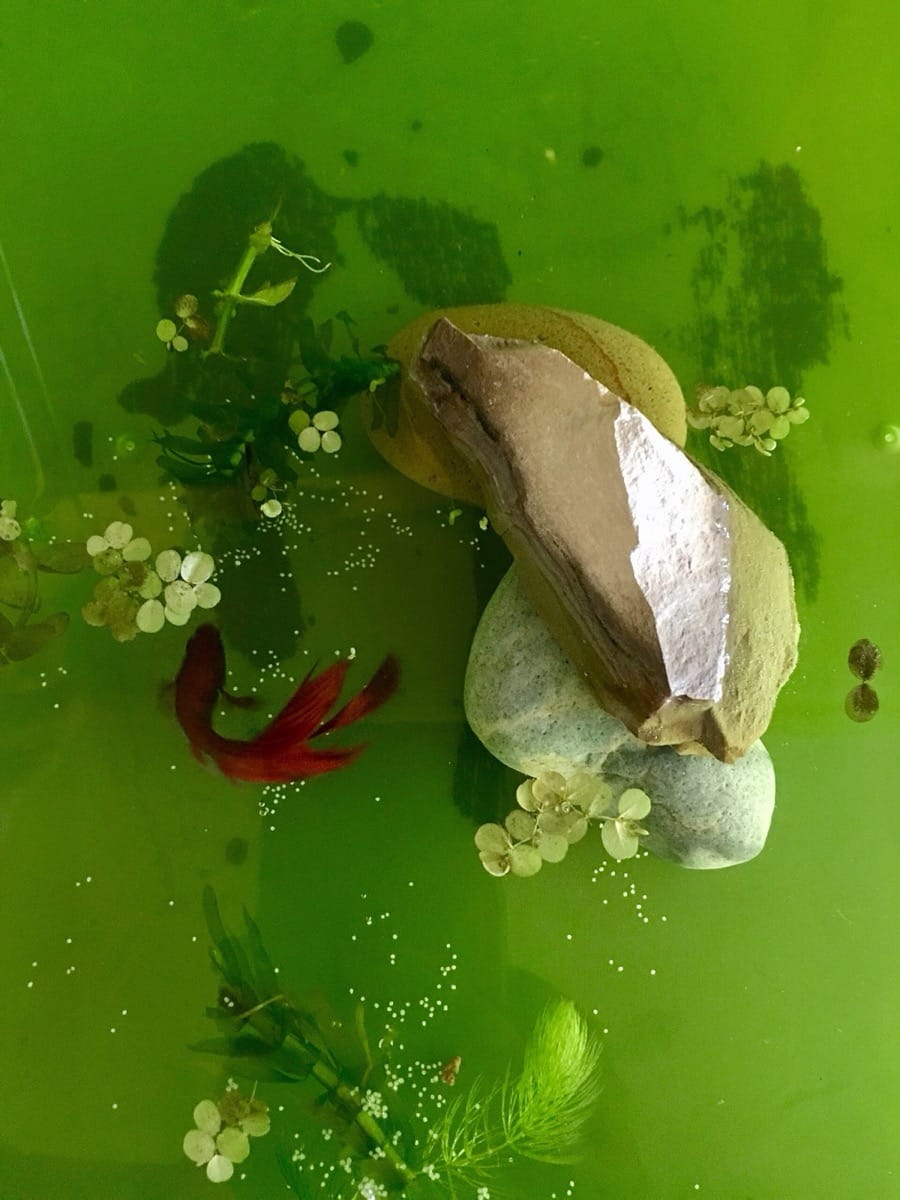
- 24-26 C
- pH 6.5-7.5
- 40 L+; 45 x 30 cm base
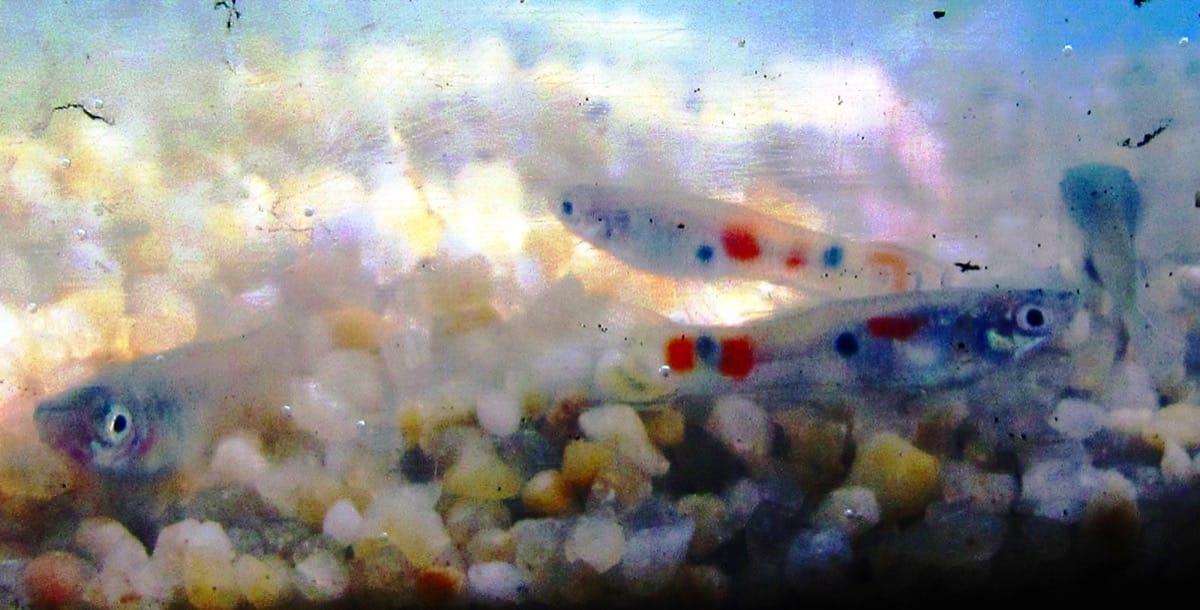
- 22-26 C
- pH 7.0-8.5
- 60 L+; 60 x 30 cm base
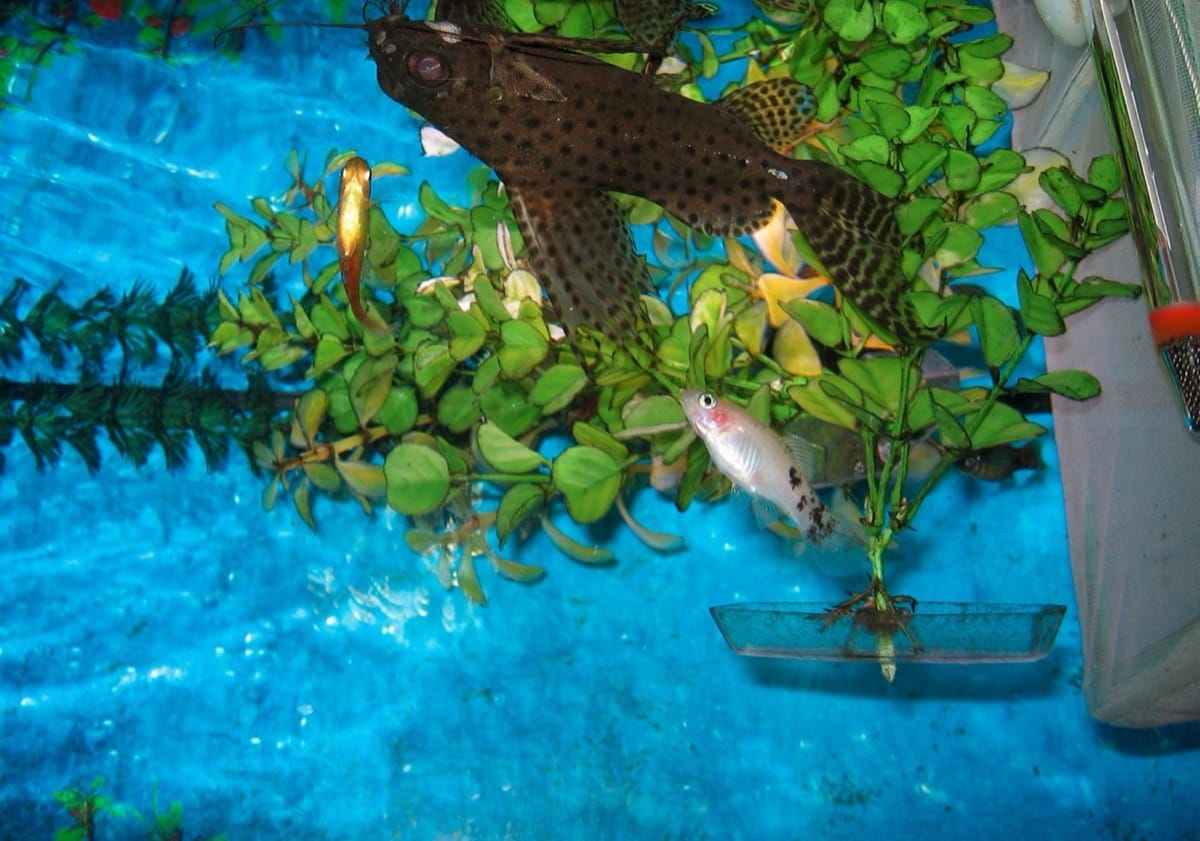
- 20–26°C
- pH 7–8.2
- 50 L+
- 20–26°C
- pH 6–7.8
- 60 L+