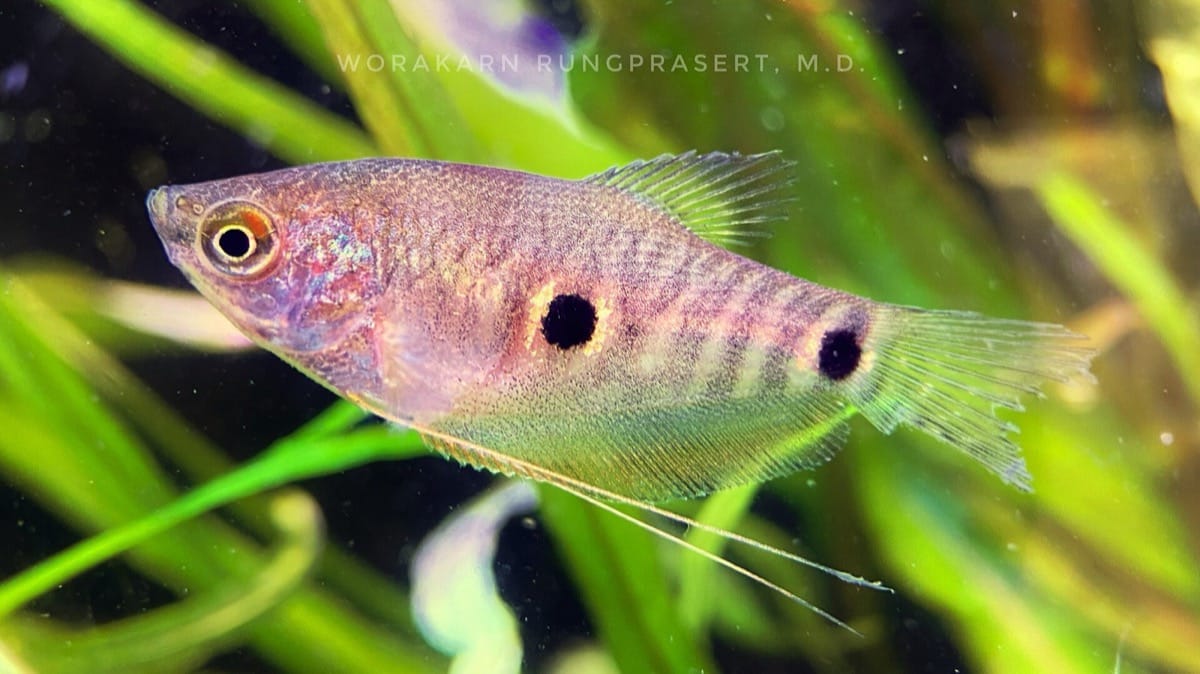
A large, hardy gourami — peaceful with big tankmates but able to bully smaller or similar fish.
- Temperature23–28 °C
- pH6–8
- Minimum tank100 L
- DifficultyBeginner
| Food | Flake/pellet + frozen food |
|---|---|
| Feeding | 1–2 feeds a day |
| Water change | 25% weekly |
Behaviour and habits
The three-spot gourami is a large, hardy labyrinth fish that can live for years and cruises calmly through mid-water. It is peaceful toward bigger tankmates but perfectly able to bully smaller or similar fish, and males are territorial with each other — keep just one male, or a single fish. It breathes air at the surface and likes cover and a planted, roomy tank where it can establish its space without pressing on its companions.
What to feed, and how often
Flake or pellet plus frozen bloodworm and daphnia, and the odd vegetable. Feed once or twice a day; it is greedy and, in a big tank, easy to overfeed, so give measured amounts and keep the water clean.
Water changes and maintenance
Change about 25% weekly. Hardy and adaptable, but a large, long-lived fish produces a fair amount of waste, so good filtration and steady water are important.
Care and how easy it is
Hardy and long-lived, but it needs a large tank and carefully chosen tankmates; avoid small fish and other gouramis or bettas.
Common health problems
Prone to ich and fin rot when stressed by bullying or cold.
If it gets sick
Reduce any bullying, keep the tank warm, and treat ich early, watching the whole tank rather than a single fish.
Good tank mates
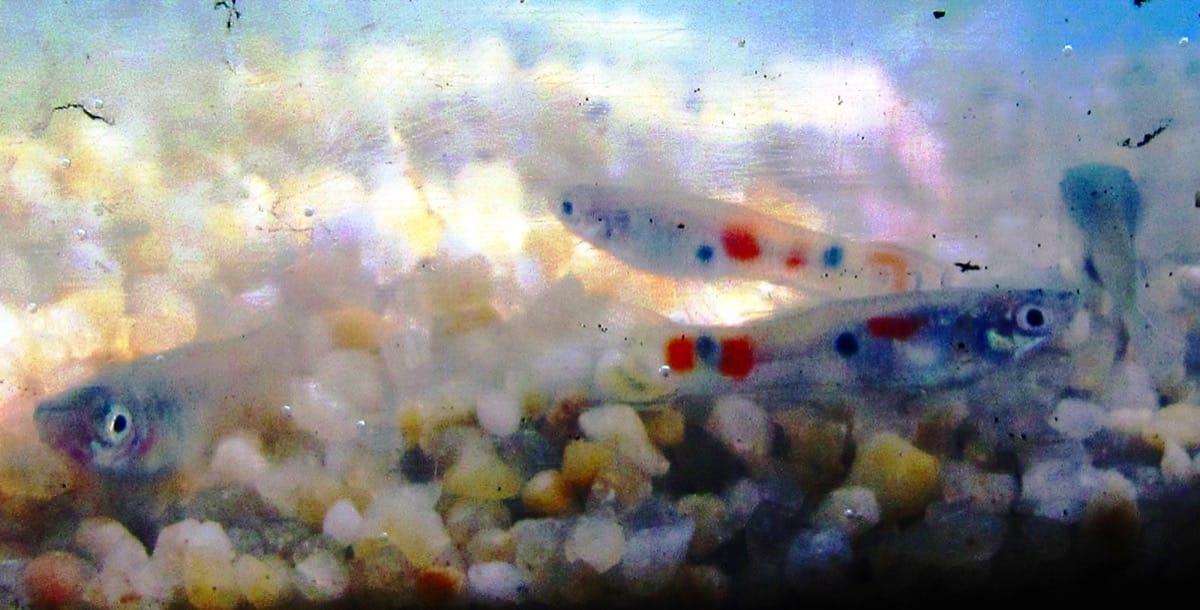
- 22-26 C
- pH 7.0-8.5
- 60 L+; 60 x 30 cm base
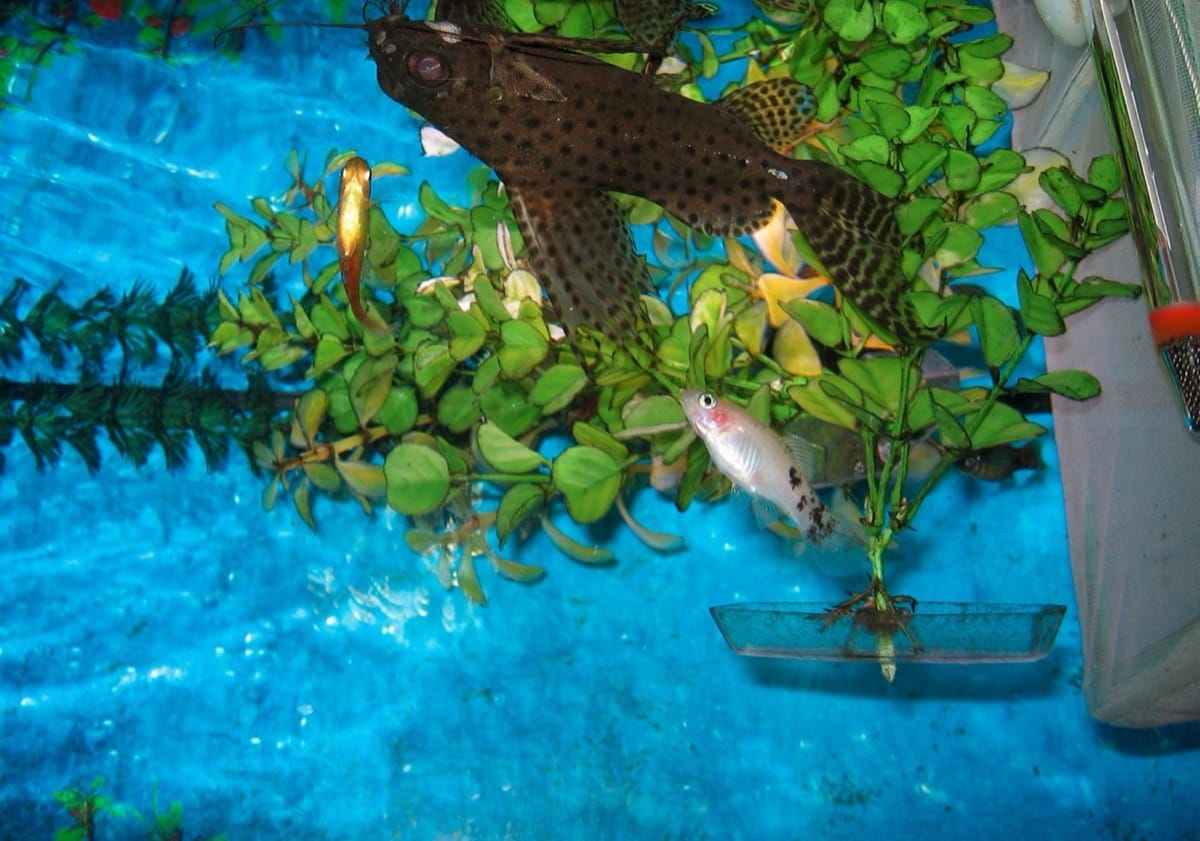
- 20–26°C
- pH 7–8.2
- 50 L+
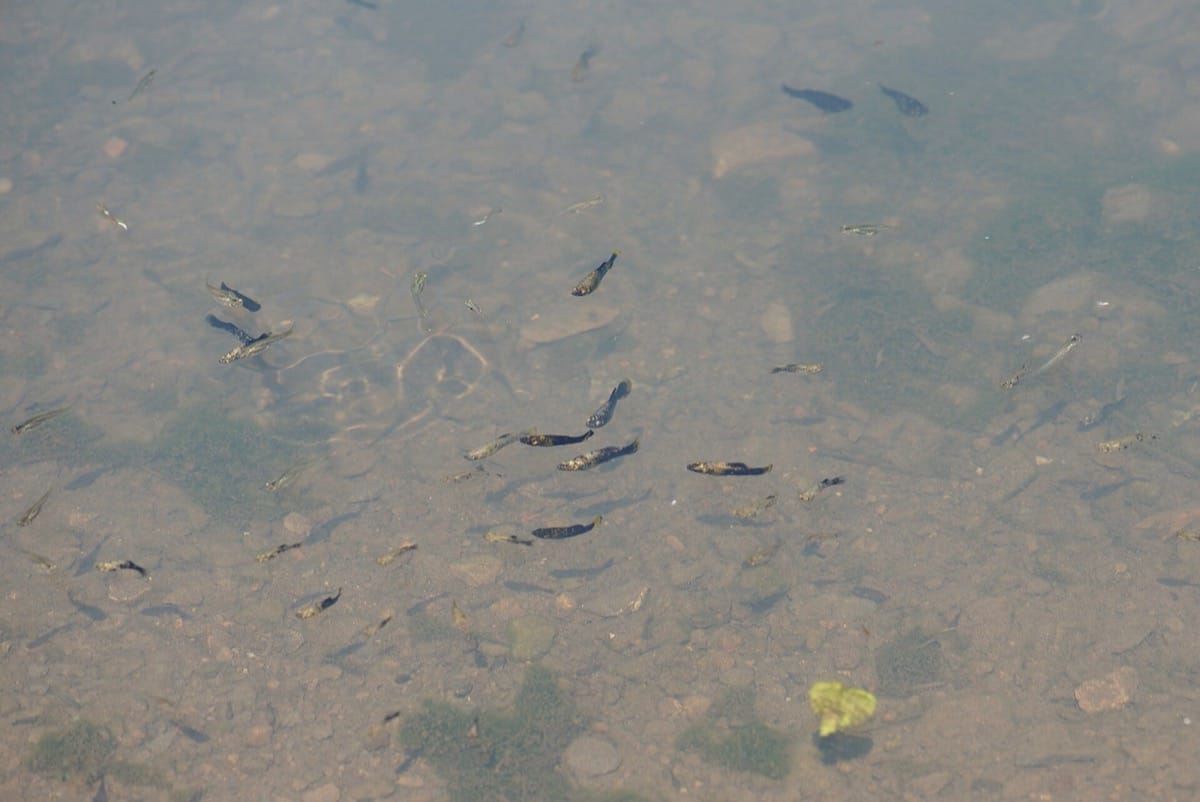
- 22–28°C
- pH 7–8.5
- 70 L+
Best avoided with
Similar species
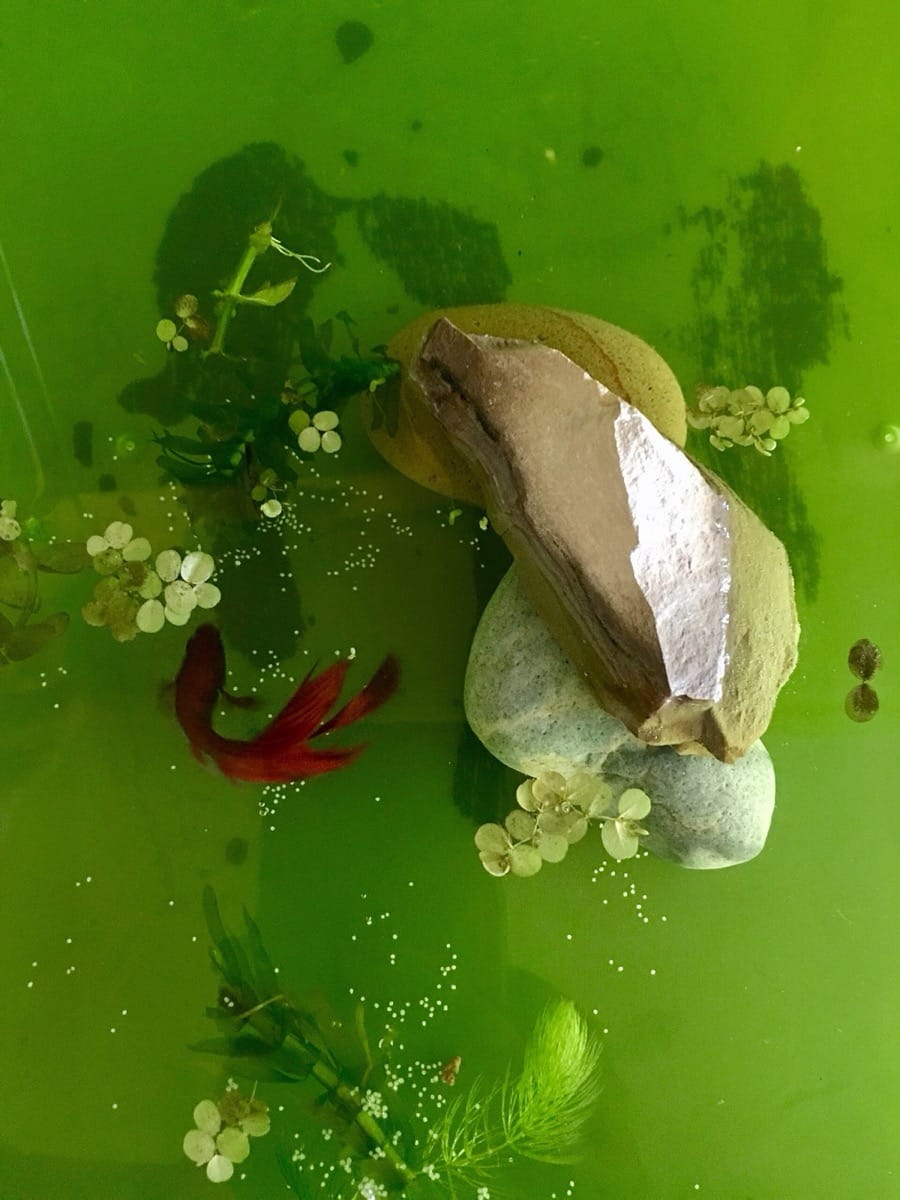
- 24-26 C
- pH 6.5-7.5
- 40 L+; 45 x 30 cm base
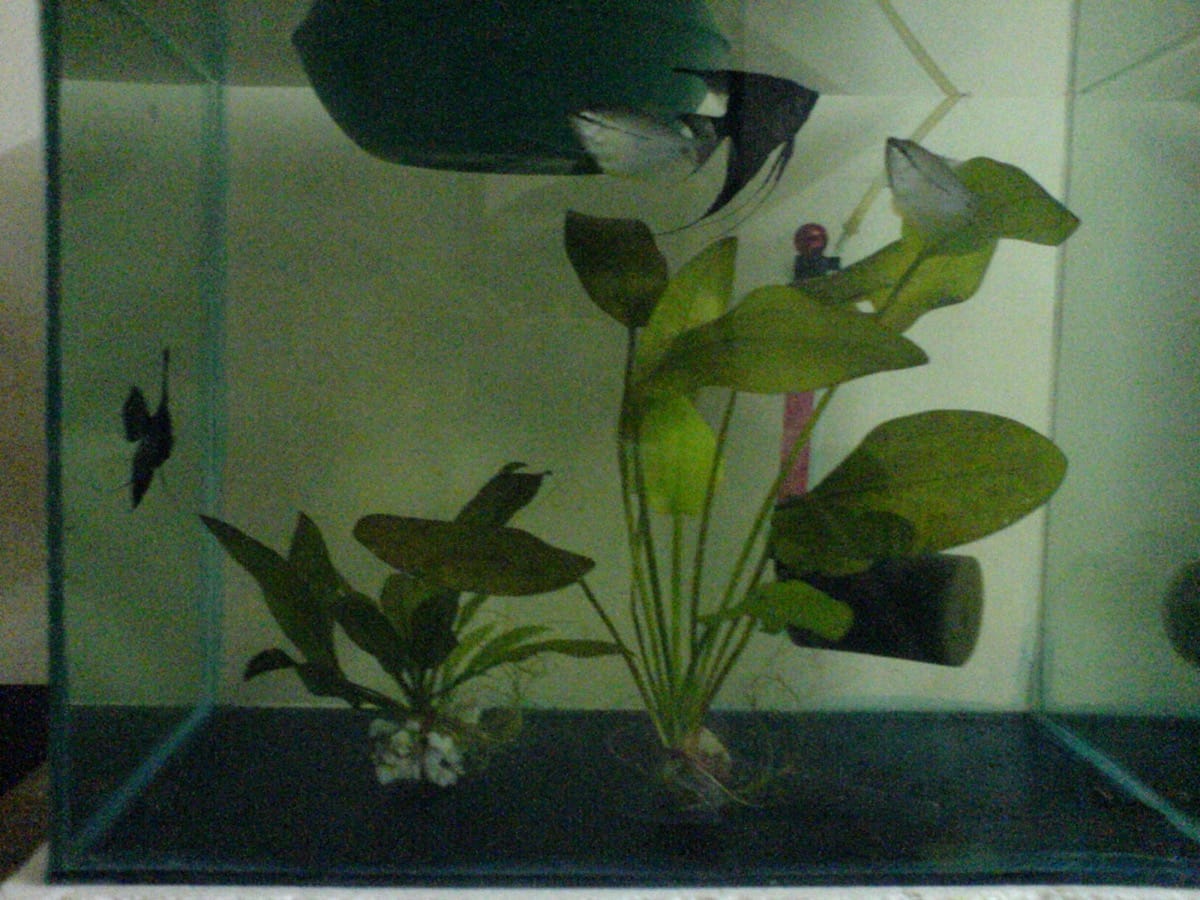
- 24–28°C
- pH 6.5–8
- 90 L+
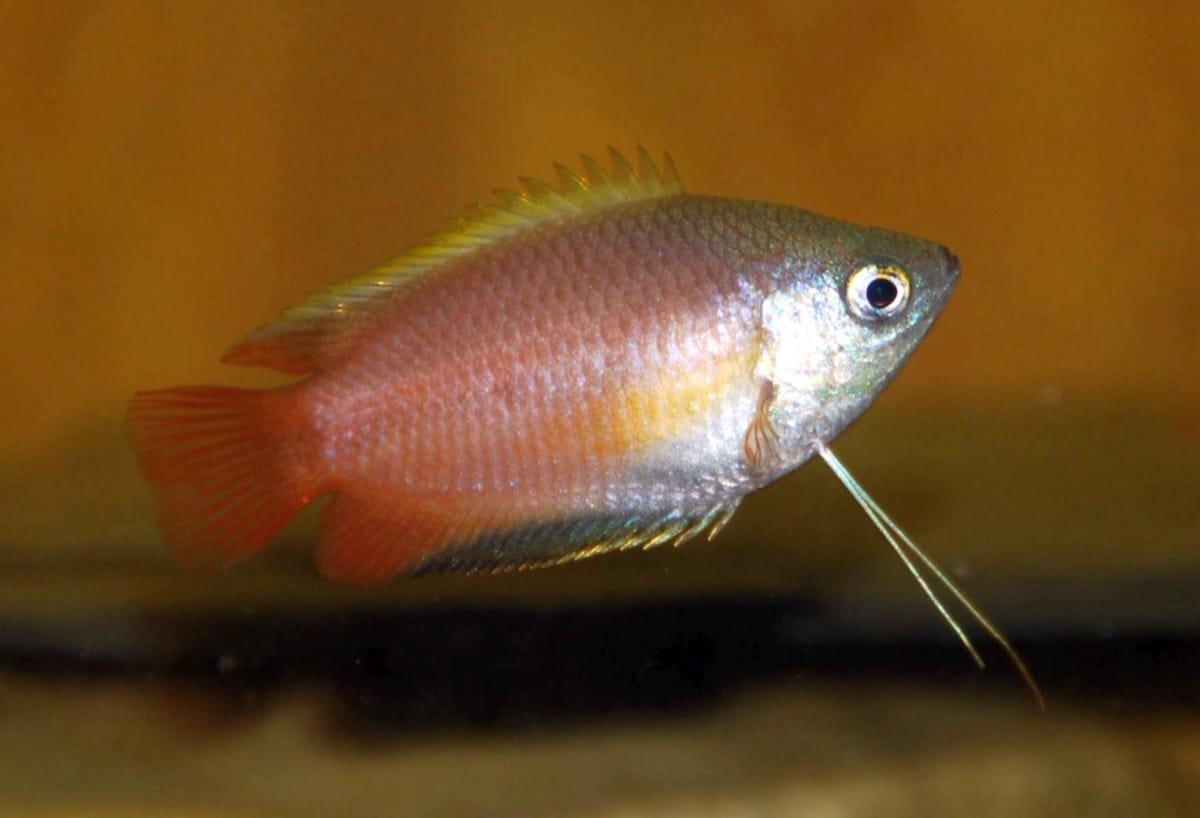
- 22–28°C
- pH 6–7.5
- 50 L+
Compare at a glance
| Parameters | Three-spot gourami | Betta | Pearl gourami | Honey gourami |
|---|---|---|---|---|
| Parameters | ||||
| Temp | 23–28 °C | 24–28 °C | 24–28 °C | 22–28 °C |
| pH | 6–8 | 6–7.5 | 6.5–8 | 6–7.5 |
| GH | 5–20 °dGH | 2–12 °dGH | 5–15 °dGH | 2–12 °dGH |
| Min. tank | 100 L | 20 L | 90 L | 50 L |
| Size | 12 cm | 6 cm | 10 cm | 5 cm |
| Diet | Omnivore | Carnivore | Omnivore | Omnivore |
| Temperament | Semi-aggressive | Semi-aggressive | Peaceful | Peaceful |
| Difficulty | Beginner | Beginner | Intermediate | Beginner |
Care guides
New to the words? See the aquarium glossary.
Sources and research notes
Parameters are typical ranges for the species in home aquariums and vary with the individual fish and the water you use.