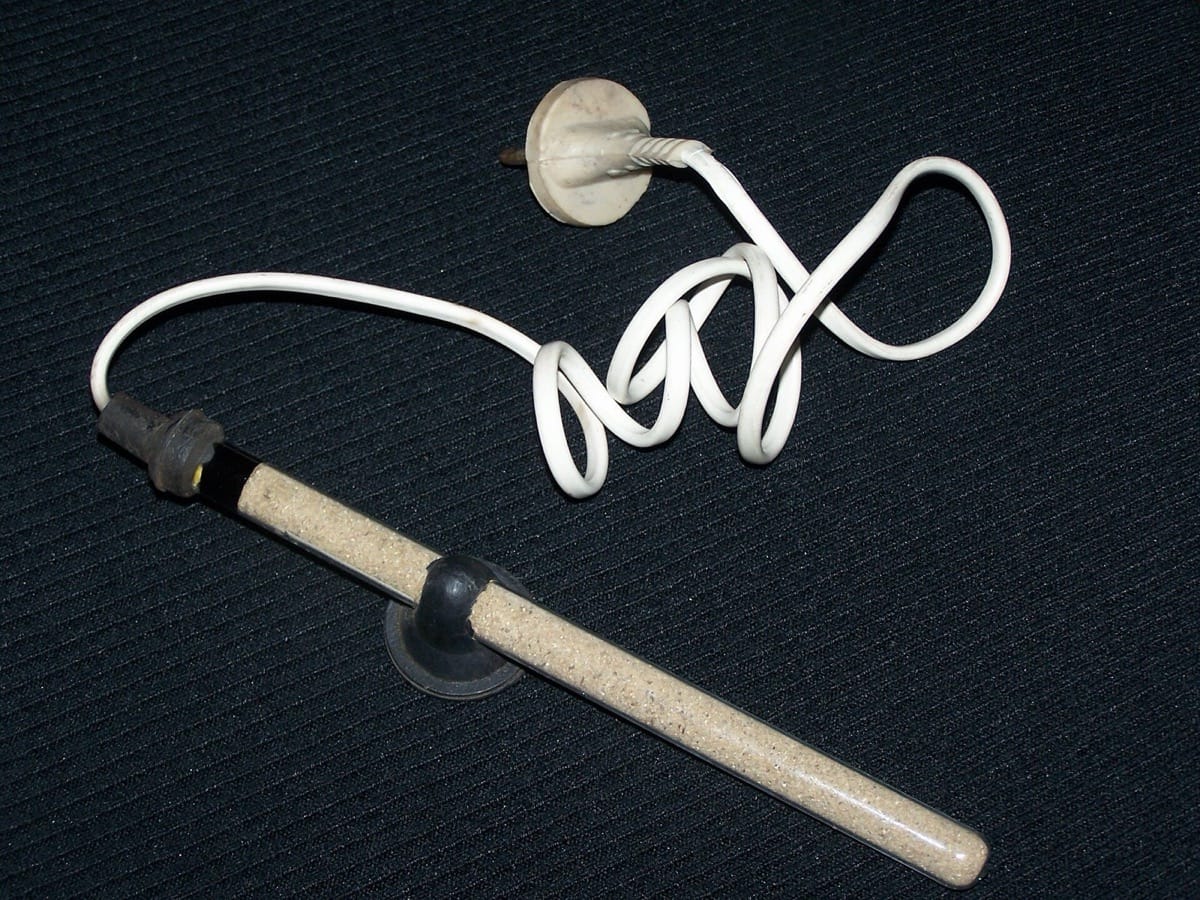
Aquarium Heaters: How to Choose and Use One
Choosing and running an aquarium heater: the right wattage, a reliable thermostat, and how to keep a tropical tank at a steady temperature.
A heater keeps tropical fish at a stable temperature, which matters more than any exact number. Size it for your tank and the coldest the room gets, and always use a separate thermometer — never trust the dial.
What size?
The right wattage depends on the volume and the gap between room and target temperature, not just litres. A tank in a cold room needs a bigger heater than the same tank in a warm one. Use the heater wattage calculator, then round up to a size you can buy — and consider two smaller heaters rather than one large one, for safety and even heat.
Types
| Type | Good for |
|---|---|
| Glass/plastic submersible | Most tanks; must be fully submerged |
| Titanium submersible | Durability; works with external controllers |
| External inline | Canister-filter tanks; out of sight |
Using it safely
- Always use a separate thermometer to confirm the real temperature.
- Keep it in flow so heat spreads, not in a corner.
- Use a heater guard if you keep large or boisterous fish.
- Two smaller heaters reduce the risk of a "cooked tank" if one sticks on.
- Switch it off during water changes if the water will drop below it.
Cold-water tanks
Goldfish and white cloud minnows do not need a heater in a cool room, though a heater can be useful to stop winter dips. Match the equipment to the species — see the temperature stability guide.
What size heater?
The right wattage depends on two things: the volume of water and the gap between room temperature and your target. A tank in a cold room needs a bigger heater than the same tank in a warm one, because the heater must replace the heat the tank loses to the air. As a rough rule, allow about 1 watt per litre for a modest rise above room temperature, more in a cold room. Use the heater calculator in our tools, then round up to a size you can buy.
Types of heater
| Type | Good for |
|---|---|
| Glass / plastic submersible | Most tanks; must be fully submerged |
| Titanium submersible | Durability; works with external controllers |
| External inline | Canister-filter tanks; hidden away |
Using it safely
- Always use a separate thermometer. The dial on a heater can drift; a thermometer is the truth.
- Keep it in the flow so heat spreads, not tucked in a still corner.
- Use a heater guard with large or boisterous fish that could knock it.
- Two smaller heaters reduce the risk of a "cooked tank" if one sticks on, and spread heat more evenly.
- Switch it off during water changes if the water will drop below it.
Cold-water tanks
Goldfish and white cloud minnows do not need a heater in a cool room, though one can be useful to stop winter dips. Match the equipment to the species: a heater for tropical fish, optional for temperate ones. If you keep a mixed tank, choose the temperature the fish share and hold it steady — stability matters more than any exact number.
Common mistakes
Buying an oversized heater for a small tank (overheating risk if it sticks on), trusting the dial without a thermometer, and placing the heater where there is no flow so heat pools in one spot are the usual errors. A correctly sized heater, checked against a thermometer and placed in the current, is one of the simplest and most important pieces of equipment in a tropical tank.
Monitor the temperature
A heater is only as good as your ability to check it. Keep a thermometer at the opposite end of the tank from the heater, and glance at it daily. A slow drift up or down is an early warning that the heater is struggling or set wrong. In a heatwave, watch the temperature and increase surface movement if it climbs too high.
Cheap insurance
Because a stuck heater is one of the few faults that can kill a whole tank overnight, a second smaller heater — or a simple temperature alarm — is worthwhile insurance. Two heaters also spread the heat more evenly, so the tank holds its temperature better across the day.
Can a heater be too big?
Yes — a very large heater in a small tank can overheat it fast if it fails on. Two smaller units are safer.
Why does my heater run constantly?
It is undersized, the room is cold, or the tank loses heat. Insulation and correct sizing fix it.
Do I need a heater for goldfish?
Not necessarily; they prefer cooler water. A heater is only useful to prevent winter dips.
Related guides
Tools for this guide
Sources and research notes
Heater sizing follows common fishkeeping rules of thumb; always confirm the actual temperature with a separate thermometer.
Written and edited by the Tankwise Editorial. Every guide answers one real fishkeeping question, is checked against the sources listed above, and is updated when guidance changes. We are an independent editorial desk, not veterinary or aquarium professionals — read how we research and update our guides.
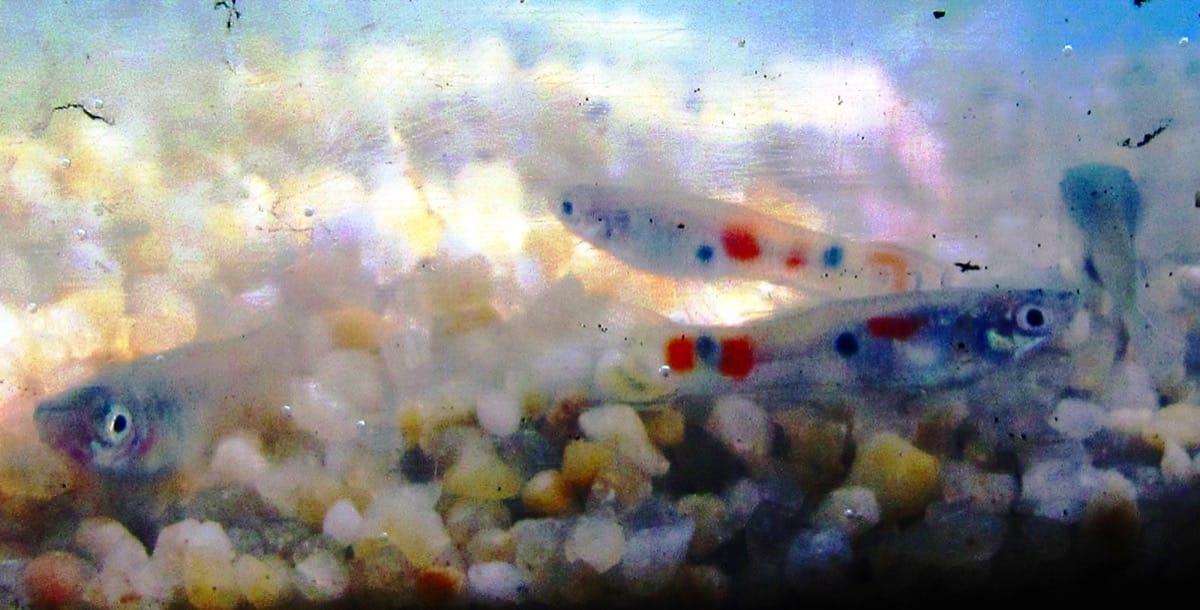
- 22-26 C
- pH 7.0-8.5
- 60 L+; 60 x 30 cm base
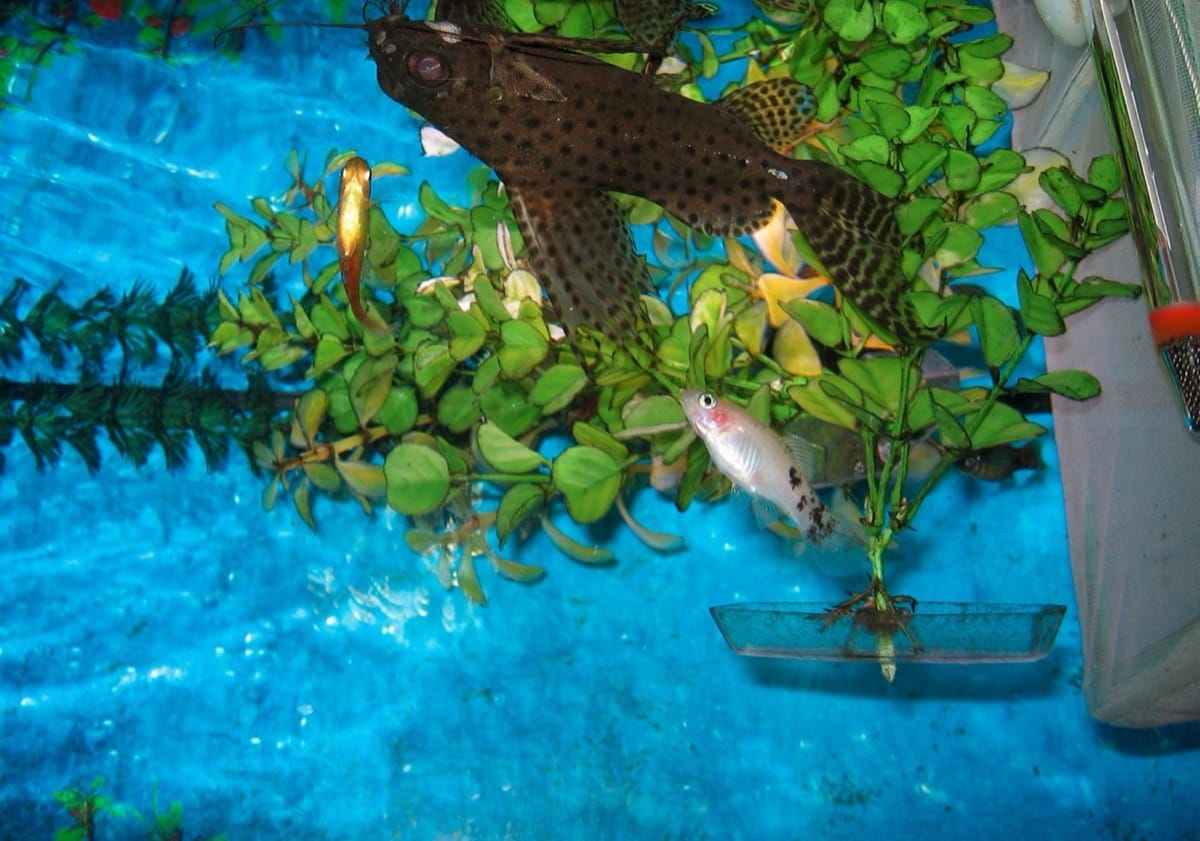
- 20–26°C
- pH 7–8.2
- 50 L+
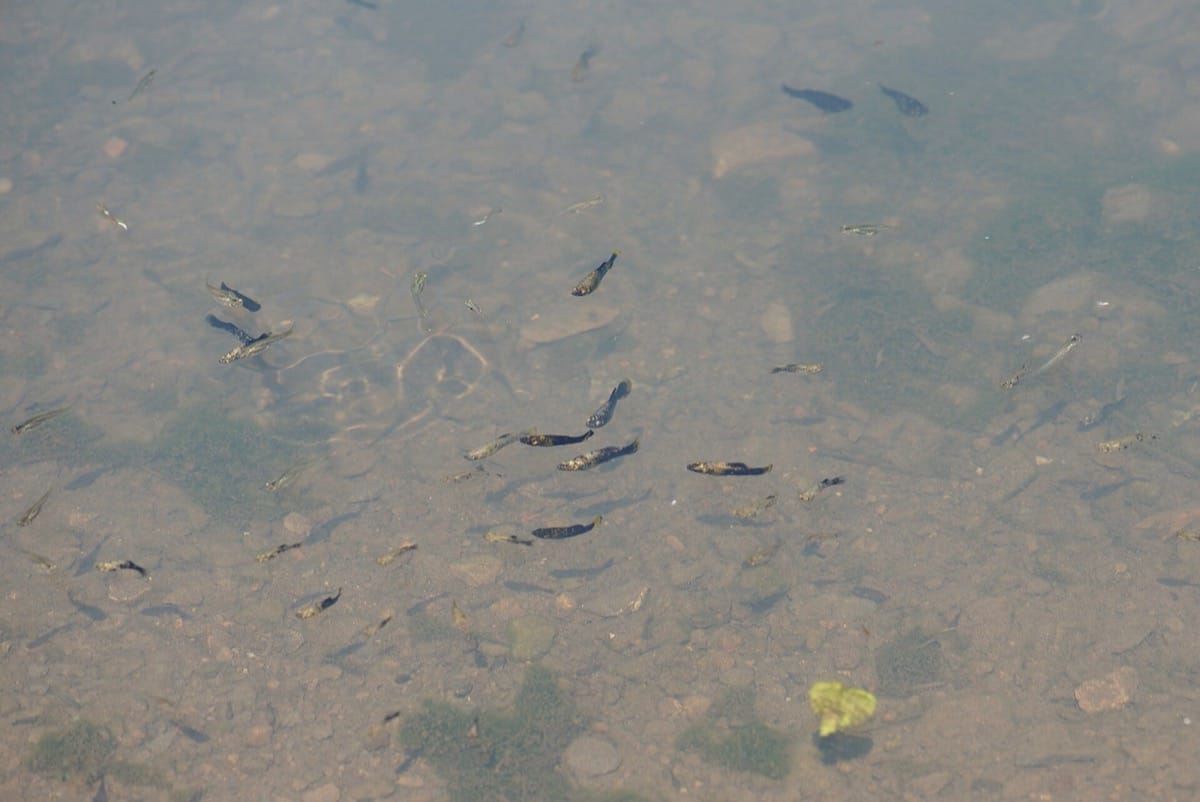
- 22–28°C
- pH 7–8.5
- 70 L+
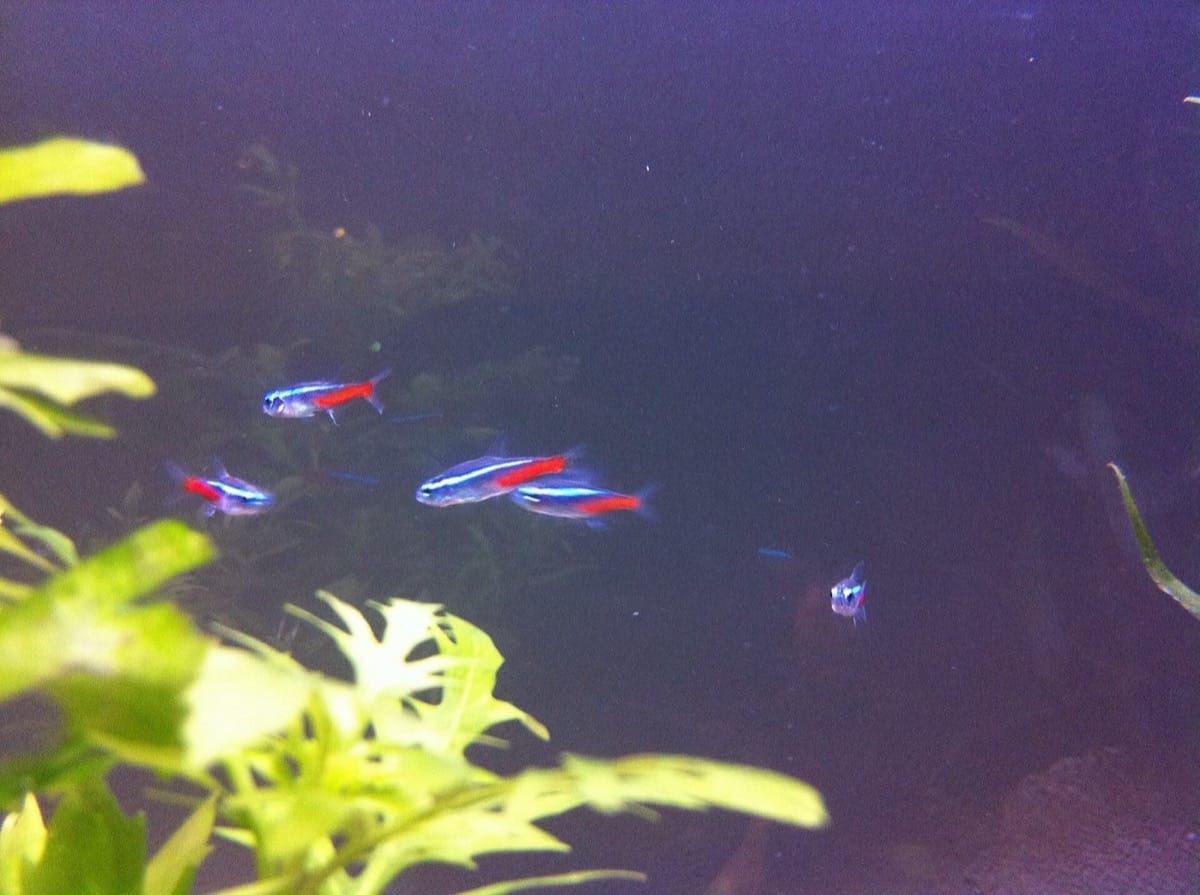
- 21-25 C
- pH 6.0-7.5
- 60 L+; 60 x 30 cm base