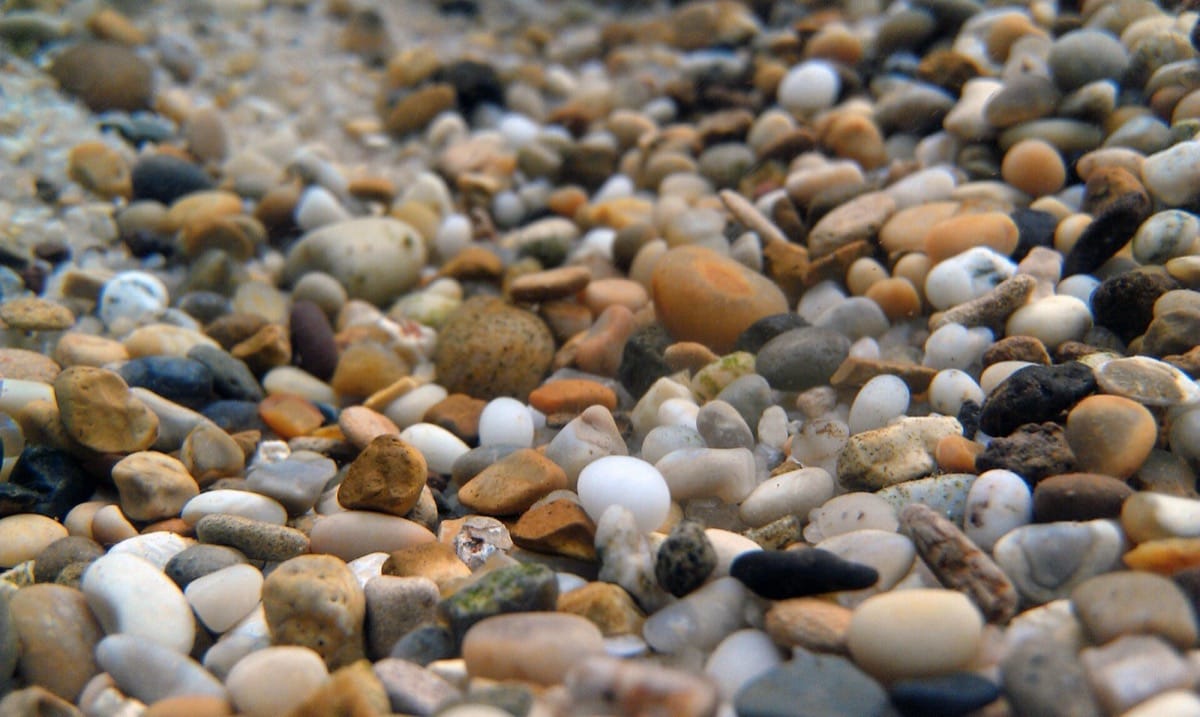
Choosing Aquarium Substrate
Substrate is more than decoration — it affects plants, bottom-dwellers and even water chemistry. A few simple rules keep the choice easy.
The layer on the tank floor does several jobs: it anchors plants, gives bottom-dwellers somewhere to sift, and can even influence water chemistry. For most tanks, one type suits one job.
The main types
| Substrate | Good for | Notes |
|---|---|---|
| Smooth sand | Bottom-dwellers (corys, loaches), look | Gentle on barbels; can compact |
| Rounded gravel | General community tanks | Avoid sharp edges |
| Planting soil | Rooted plants | Boosts nutrients; can leach ammonia at first |
| Aragonite/coral | Hard-water and African-cichlid tanks | Raises GH/KH |
A note on bottom-dwellers
Corydoras and loaches have sensitive barbels. Go for smooth, rounded sand for them — rough or sharp gravel wears the barbels and can lead to infection. This is one of the most common substrate mistakes.
How much?
Around 3–5 cm deep suits most tanks — deep enough for plants, shallow enough to clean easily. Very deep beds can compact and trap gas, especially with sand.
If you keep plants
Easy plants like anubias and java fern grow on wood or rock and do not need rich soil. Rooted plants benefit from a planting soil or root tabs. Do not mix heavy soils with a sifting bottom-dweller — the fish will stir everything up.
How deep should it be?
Three to five centimetres suits most tanks — deep enough to anchor plants, shallow enough to vacuum without turning the whole bed over. Very deep beds, especially of fine sand, can compact and trap gas pockets, and they hide a lot of decaying waste. If you keep rooted plants, a slightly deeper layer at the back is fine, but keep the front shallow so you can see and clean it.
For a sifting bottom-dweller like a cory or a loach, a shallower, softer bed is kinder: they grub through it constantly, and a deep rough layer abrades their barbels and their gills.
Substrate for plants
Not every plant needs soil. Epiphytes like anubias, java fern and moss grow attached to wood or rock and take nutrients from the water, so they are happy on any substrate — and their roots rot if buried. Rooted plants such as cryptocorynes and swords do better in a nutrient-rich layer, whether that is a dedicated planting soil or ordinary gravel boosted with root tabs pushed down to the roots. Do not put planting soil under a fish that constantly digs, or it will stir the whole thing into the water column.
Colour and the look of the tank
Substrate sets the mood more than most equipment. Pale sand makes a tank look bright and open and shows off a fish's colour, but it shows every speck of dirt. Dark gravel or sand makes colours pop, hides mulm and suits a moody, planted look. Bright, unnatural gravel can cheapen an otherwise lovely tank. Think about the fish and plants you keep, and pick a tone you are happy to look at every day.
Cleaning different substrates
Gravel is easy: push the siphon tube into it and the trapped waste lifts out. Sand is slower — vacuum just above the surface rather than plunging in, and stir the top layer now and then so it does not go anoxic. Never strip a whole bed at once; clean a section each week on rotation, leaving the bacteria and the plants undisturbed.
How much to buy
As a rough guide, you need about 1 kg of gravel per litre of tank volume to reach a 4-5 cm bed, or a little more for sand, which packs denser. Buying slightly more than you think lets you build a gentle slope — deeper at the back, shallower at the front — which looks natural and gives rooted plants room while keeping the front easy to clean.
Substrate and the first weeks
New substrate should be rinsed until the water runs clear before it goes in, or the tank will cloud for days. Planting soil often releases a little ammonia at first, so expect to test daily and change water in the first week or two if you use it. Gravel and sand are inert and do not affect the cycle. Let the dust clear before adding fish, and do not disturb the whole bed once the tank is running.
Changing substrate later
Swapping substrate in an established tank is disruptive, so it is worth getting right the first time. If you must change it, do it in halves on different days so the bacteria in the bed and filter are not lost at once, and keep the filter running throughout. Expect a possible mini-cycle and test for a week or two.
Is sand or gravel better?
Sand suits bottom-dwellers and looks natural; gravel suits general tanks. Both work — match the fish.
Can substrate change my water?
Yes — aragonite and crushed coral raise GH/KH, while some soils lower pH at first.
Do I need to rinse it?
Yes, rinse gravel or sand until the water runs clear before adding it.
Related guides
Tools for this guide
Sources and research notes
Guidance follows standard fishkeeping practice; smooth substrate protects the barbels of bottom-dwelling fish.
Written and edited by the Tankwise Editorial. Every guide answers one real fishkeeping question, is checked against the sources listed above, and is updated when guidance changes. We are an independent editorial desk, not veterinary or aquarium professionals — read how we research and update our guides.
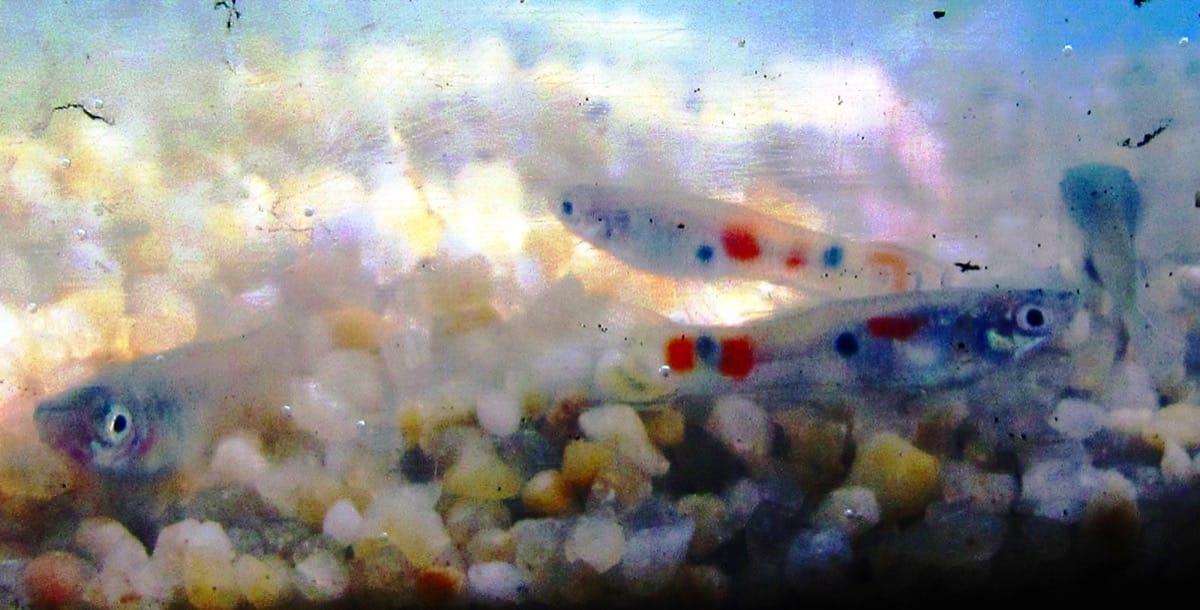
- 22-26 C
- pH 7.0-8.5
- 60 L+; 60 x 30 cm base
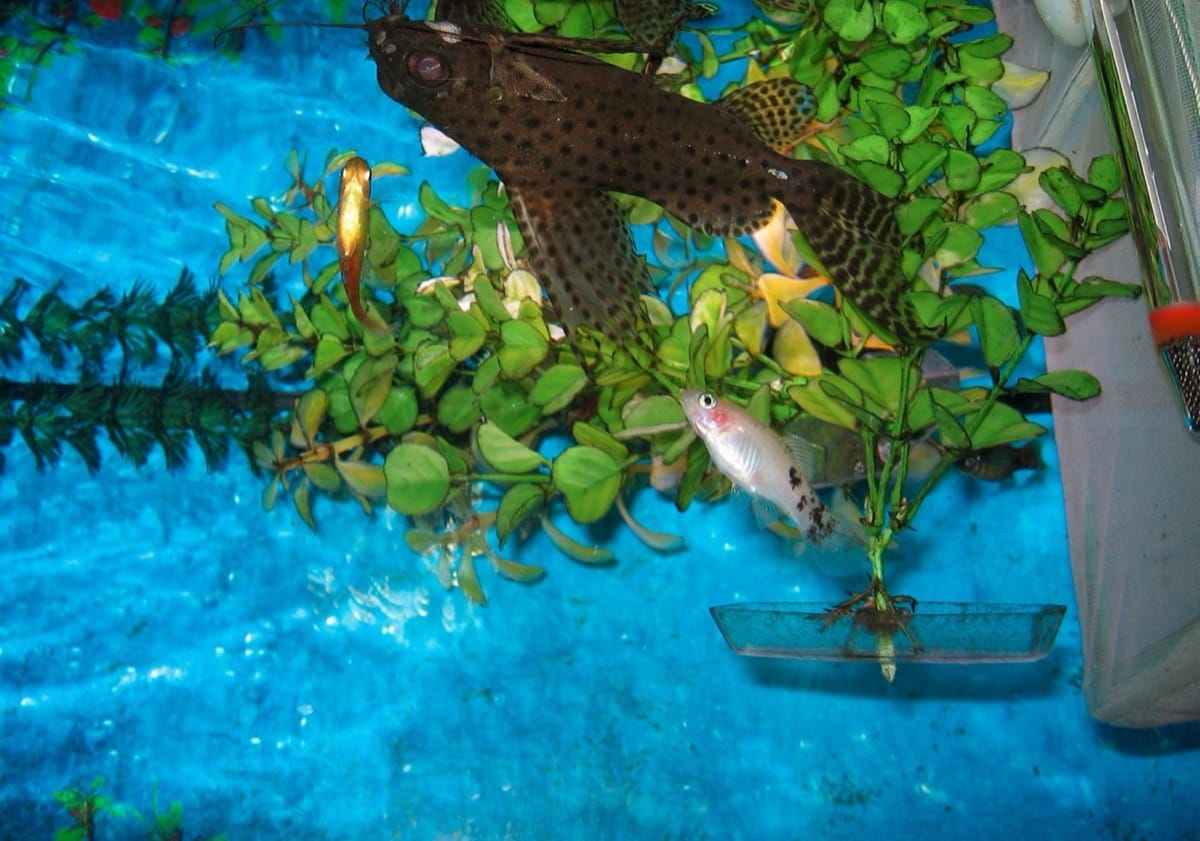
- 20–26°C
- pH 7–8.2
- 50 L+
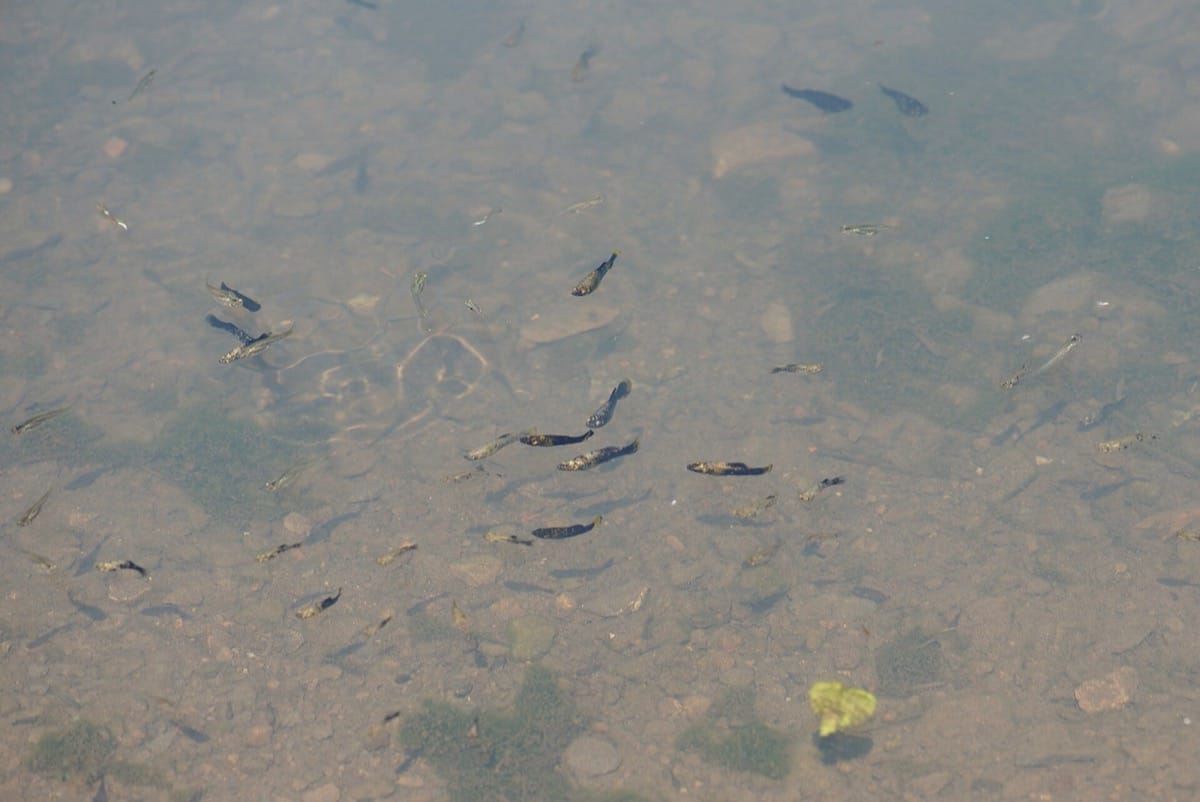
- 22–28°C
- pH 7–8.5
- 70 L+
- 21-25 C
- pH 6.0-7.5
- 60 L+; 60 x 30 cm base