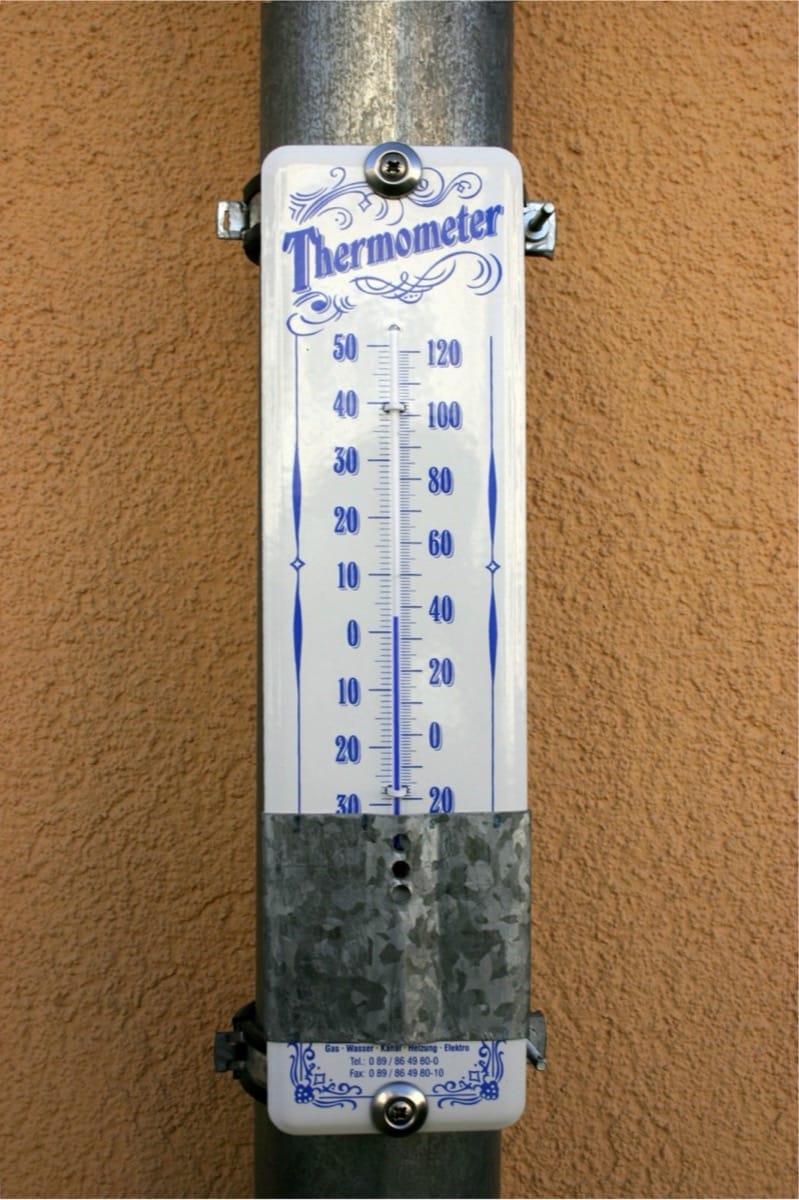
Aquarium Temperature Stability: Why Swings Harm Fish
Fish cope with a steady temperature far better than with constant swings. Here is how to keep a tank stable through heatwaves and cold snaps.
Temperature is easy to overlook because it changes slowly — but a swinging temperature stresses fish and invites illness. The goal is not a precise number so much as a stable one, within the range your species prefers, with no sudden jumps.
Choosing a temperature
Many tropical community fish are happy around 24–26°C. Some species prefer cooler (white cloud minnows, many danios) and others warmer (bettas, discus). Match the setting to your fish, and keep the whole tank within a degree or two of it. Cold-water species need no heater at all.
Keeping it stable
- Size the heater correctly for the volume and the coldest room temperature.
- Use a separate thermometer — never rely on the heater dial alone.
- Keep the tank away from direct sun, radiators and draughty windows.
- Match new water to tank temperature at water changes.
When temperature goes wrong
| Sign | Likely cause |
|---|---|
| Fish gasping, listless in heat | Overheating — heater stuck on or hot room |
| Fish sluggish, feeding stops | Too cold — undersized heater or cold snap |
| Temperature swings daily | Heater too small, or sun/room changes |
In a heatwave, increase surface movement and consider floating a bag of ice or running a fan across the surface. In a cold snap, check the heater is working and insulate the tank with a cover.
Why stability matters
Fish are cold-blooded: their body temperature follows the water, so sudden changes affect their metabolism, immune system and behaviour. A tank that sits at a steady 25°C is healthier than one bouncing between 22 and 28°C.
Why stability beats a perfect number
Fish are cold-blooded, so their body temperature follows the water. A slow, small swing is something most can adjust to; a fast or wide one is stressful and can suppress their immune system, leaving them open to ich and other problems. This is why a stable 24°C is kinder than a tank that lurches between 20 and 28°C. Aim first for steadiness, then for the right range for your species.
Choosing a temperature
Most community fish sit comfortably between 23 and 26°C. Bettas, gouramis and many tetras like the warmer end; goldfish, danios and white cloud mountain minnows prefer cooler water. Check each species' range and set a thermostat heater to the middle of the overlap for the fish you keep, rather than chasing one "ideal" figure that suits nothing.
What causes swings
- Too small a heater for the tank volume, so it runs flat out on cold nights.
- Direct sun through a window, which can raise a tank several degrees by afternoon.
- Open windows, draughts and air conditioning, which drop it fast.
- Big water changes with water far from tank temperature.
- Power cuts, where both heater and filter stop.
Heatwaves
In a heatwave, switch the light off during the hottest hours, leave the lid open for evaporation and run a fan across the surface — evaporation cools the water. Float a bag of ice if it climbs dangerously, but add it gradually rather than dumping it in. Warm water holds less oxygen, so increase surface movement to keep the fish breathing easily.
Cold snaps
If the room turns cold, insulate the tank on its sides and rear, ensure the heater is powerful enough, and keep lids on to hold warmth. Never pour hot water straight in; raise the setting slowly and let the heater do its job. A cheap plug-in thermometer placed at the far end of the tank confirms the water is actually the temperature the heater claims.
Keeping it steady
Buy a heater slightly oversized and controlled by a thermostat, keep the tank out of direct sunlight and away from draughts, and always match the temperature of new water to the tank during a change. Check the thermometer weekly. Steady, boring temperature is exactly what you want: it is the invisible condition that keeps fish calm, feeding well and resistant to disease.
A simple weekly check
Once a week, glance at the thermometer at feeding time and make sure it sits where you expect. If it has drifted, adjust the heater a degree at a time and re-check the next day rather than turning it up sharply. A working thermometer and a heater with a reliable thermostat are two of the cheapest pieces of insurance you can own, and together they turn temperature from a worry into a non-event.
What temperature should a community tank be?
Around 24–26°C suits many tropical community fish. Check each species and pick a stable value they share.
Why does my heater run constantly?
It is undersized, the room is cold, or the tank loses heat. A bigger heater or better insulation helps.
Can fish tolerate a power cut?
Short outages are usually fine; a wrapped tank cools slowly. Long, cold outages are dangerous — monitor and warm gently afterwards.
Related guides
Tools for this guide
Sources and research notes
Temperature ranges are typical for common species; always check the specific needs of the fish you keep.
Written and edited by the Tankwise Editorial. Every guide answers one real fishkeeping question, is checked against the sources listed above, and is updated when guidance changes. We are an independent editorial desk, not veterinary or aquarium professionals — read how we research and update our guides.
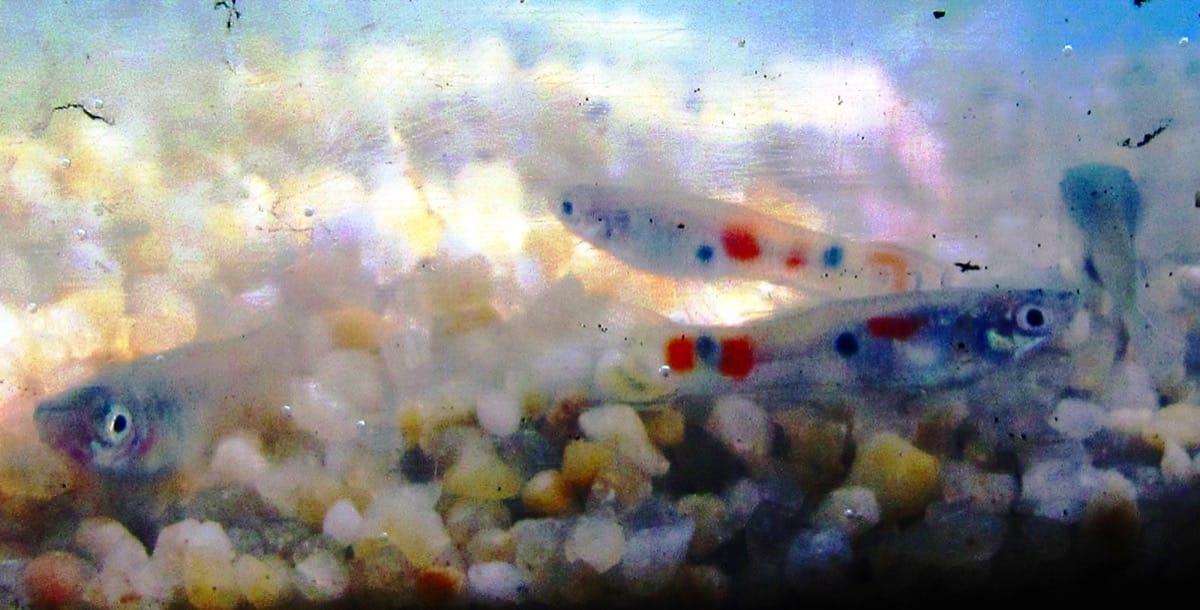
- 22-26 C
- pH 7.0-8.5
- 60 L+; 60 x 30 cm base
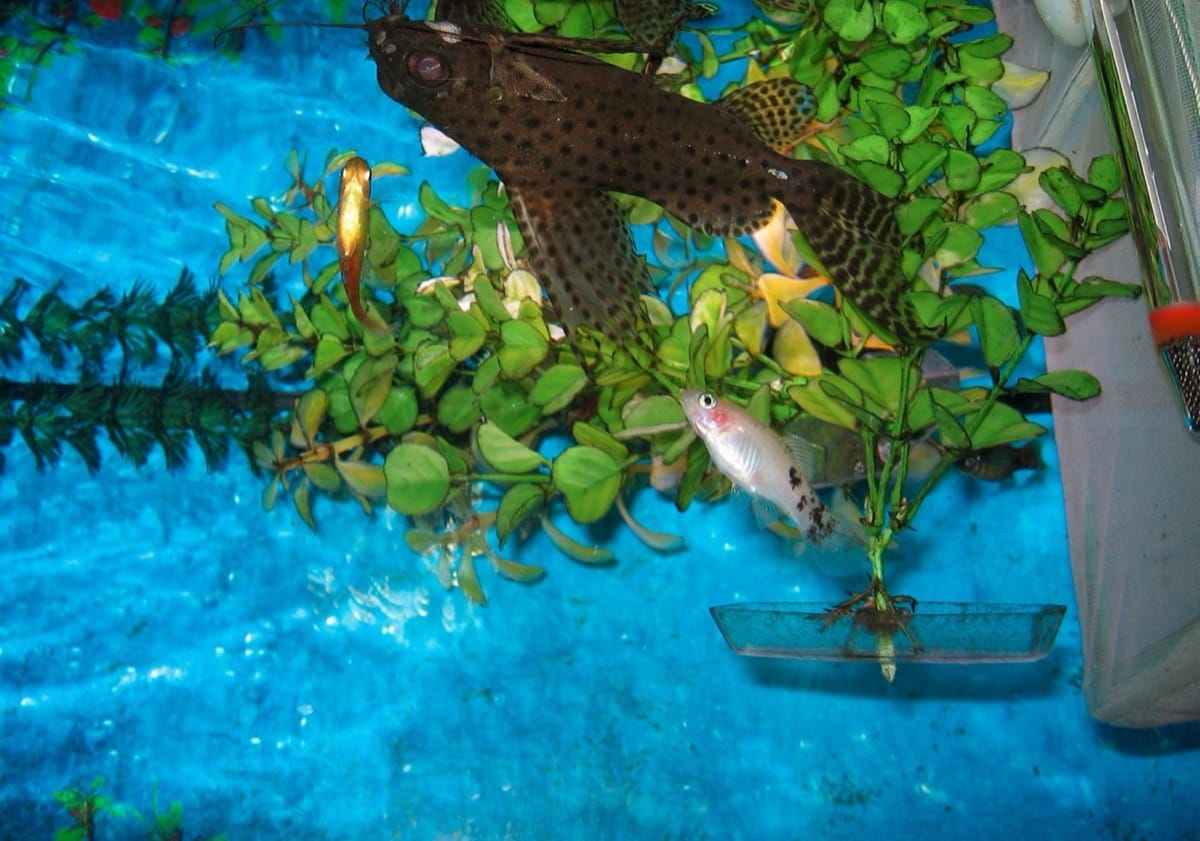
- 20–26°C
- pH 7–8.2
- 50 L+
- 22–28°C
- pH 7–8.5
- 70 L+
- 21-25 C
- pH 6.0-7.5
- 60 L+; 60 x 30 cm base