Your First Aquarium: A Complete Beginner's Guide
Everything a new keeper needs, in order: choosing a tank, cycling it, stocking, feeding, and the weekly routine that keeps fish healthy.
Quick answer
Set up the tank, cycle the filter for a few weeks, then add fish a few at a time
- Order
- Position, water, filter, heater, then cycle.
- Patience
- Cycle for 2–6 weeks before any fish.
- Stocking
- Add fish slowly, a few at a time, over weeks.
- Maintenance
- Weekly water changes and regular testing.
Choose a tank and a spot
Bigger tanks are more forgiving than small ones: more water means temperature and water chemistry change more slowly. A first freshwater tank of around 60–90 cm is easier to keep stable than a tiny bowl. Place it somewhere out of direct sunlight, away from radiators and draughts, on a stand designed for the weight — a litre of water weighs about a kilogram.
The kit you actually need
- A filter. The most important piece of equipment — it holds the bacteria that keep water safe.
- A heater and thermometer (for tropical fish).
- A water test kit for ammonia, nitrite and nitrate.
- A water conditioner to remove chlorine and chloramine from tap water.
- A gravel vacuum and bucket for water changes.
Cycle the filter before fish
This is the step beginners skip and fish suffer for. A new filter has no bacteria, so fish waste turns into toxic ammonia. "Cycling" means growing a colony of bacteria that converts ammonia into nitrite and then into much less harmful nitrate. It takes two to six weeks. You can fishless-cycle by adding a source of ammonia and testing until ammonia and nitrite read zero — see the fishless cycling guide for the full method.
Adding fish slowly
Once the tank is cycled, add fish a few at a time, not all at once. Each new fish adds to the waste the filter must process, and the bacteria need time to catch up. Choose hardy beginner species, keep to the tank's realistic stocking, and test the water for a week after each addition. See the best beginner fish for ideas.
The maintenance routine
A small, regular routine keeps a tank healthy: a 25% water change each week, a light gravel vacuum on rotation, and a quick test of ammonia, nitrite and nitrate. Rinse filter media only in old tank water — never under the tap, which kills the bacteria. Feed lightly; overfeeding is behind a great many beginner problems.
Frequently asked questions
Start with the right expectations
An aquarium is not a bowl of water you fill and forget; it is a small living ecosystem where bacteria, plants and fish all matter. The good news is that once the setup is right, keeping it is mostly a short weekly routine. The main thing to understand up front is the nitrogen cycle, because it explains almost everything else and is where nearly all beginner problems begin.
Choose the tank
Bigger is easier. A 20-gallon (75-litre) tank is far more stable than a 5- or 10-gallon and forgives small mistakes, while still being manageable. It needs a filter, a heater, a light, substrate, a water conditioner and a liquid test kit. Buy a filter rated for a slightly larger tank, and place the tank out of direct sun and on a stand that carries the weight.
Cycle before you add fish
This is the step to get right. Cycling grows the filter's bacteria so they turn toxic ammonia into nitrite and then nitrate. Run the empty, filtered tank for a few weeks with a source of ammonia — a fishless cycle is the kindest method — and test daily until ammonia and nitrite both read zero. Only then add fish. Rushing this step is the single most common reason new fish die in the first weeks.
Stock slowly
Add a few hardy, peaceful fish first — platies, danios, tetras or a betta — in the numbers the species needs, over several weeks rather than all at once. Check every fish's adult size, water preferences and temperament, and avoid the classics that outgrow a first tank, like goldfish and common plecos. A lightly stocked tank is far easier to keep healthy than a crowded one.
Introduce them kindly
Float the bag to match temperature, mix in tank water gradually, then net the fish in (not the bag water) with the lights off. If you can, quarantine new arrivals first, and never skip acclimation — it prevents the shock that opens the door to disease.
The weekly routine
- Change 25% of the water, dechlorinated and temperature-matched.
- Vacuum part of the substrate while siphoning old water out.
- Feed once or twice a day, only what is eaten in a couple of minutes.
- Check the temperature and glance at the fish and filter flow.
- Rinse filter media in old tank water only when flow drops.
When something looks wrong
Most early problems trace back to water. If fish gasp, sulk or show spots, test ammonia and nitrite first and do a partial water change, then look for the cause. Cloudy water in a new tank is usually just a cycling bloom that clears itself. Learn to test the water, change it when needed, feed carefully, and keep the temperature steady, and you can solve most beginner issues without medication.
Patience is the real skill
Nearly every aquarium mistake comes from rushing: adding fish too soon, cleaning too hard, feeding too much, changing too much water at once. Move slowly, change one thing at a time, and let the tank mature. A well-cycled, lightly stocked, properly maintained first aquarium becomes stable and low-effort, and it is the best possible foundation for the whole hobby.
How long before I can add fish?
Only once the tank is cycled — ammonia and nitrite at zero. That usually takes two to six weeks.
Can I use a bowl instead of a tank?
A bowl has too little water to stay stable and usually no proper filter. A filtered tank is far kinder to fish.
What is the biggest beginner mistake?
Adding too many fish too soon, before the filter is cycled. Slow and steady beats fast and crowded.
Related guides
Tools for this guide
Sources and research notes
Setup order and cycling follow standard freshwater fishkeeping guidance. Timings vary with temperature and how the filter is seeded.
Written and edited by the Tankwise Editorial. Every guide answers one real fishkeeping question, is checked against the sources listed above, and is updated when guidance changes. We are an independent editorial desk, not veterinary or aquarium professionals — read how we research and update our guides.
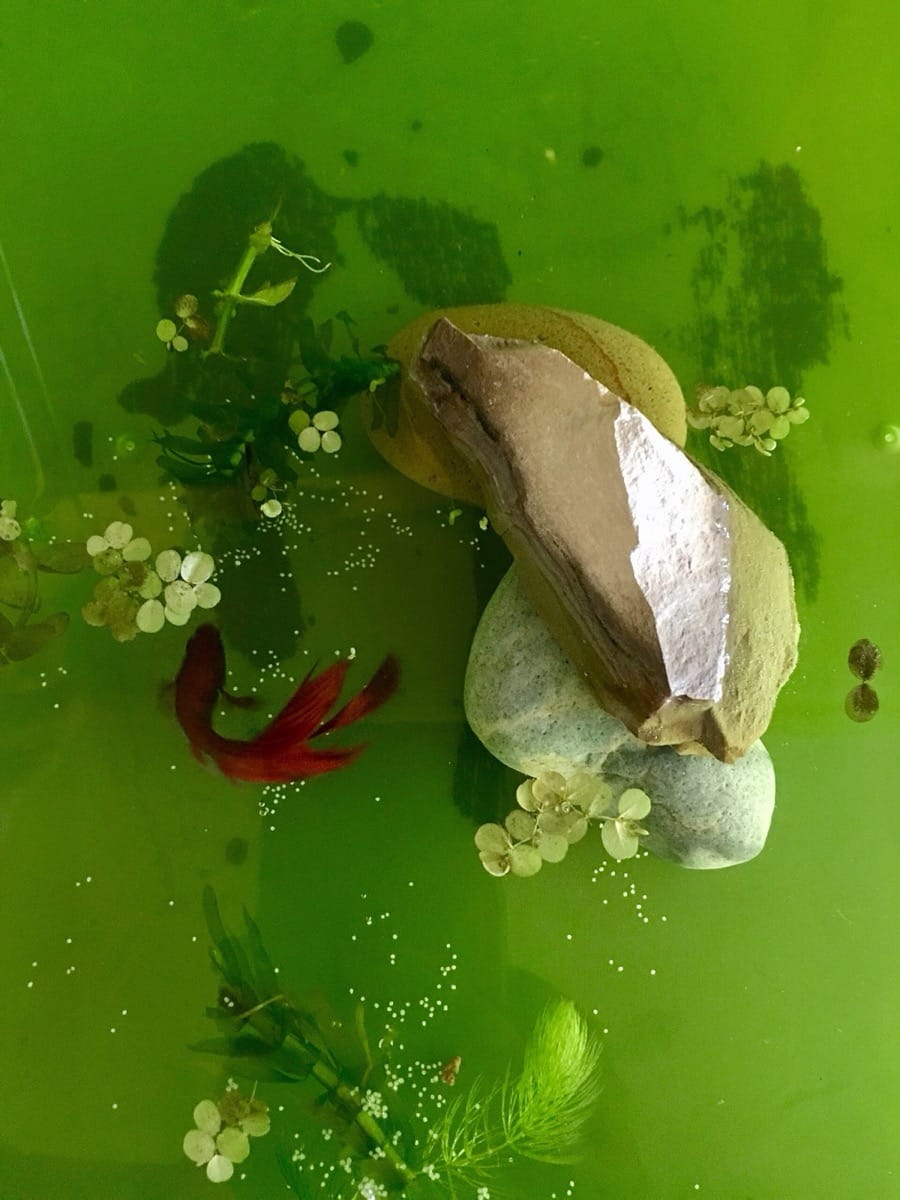
- 24-26 C
- pH 6.5-7.5
- 40 L+; 45 x 30 cm base
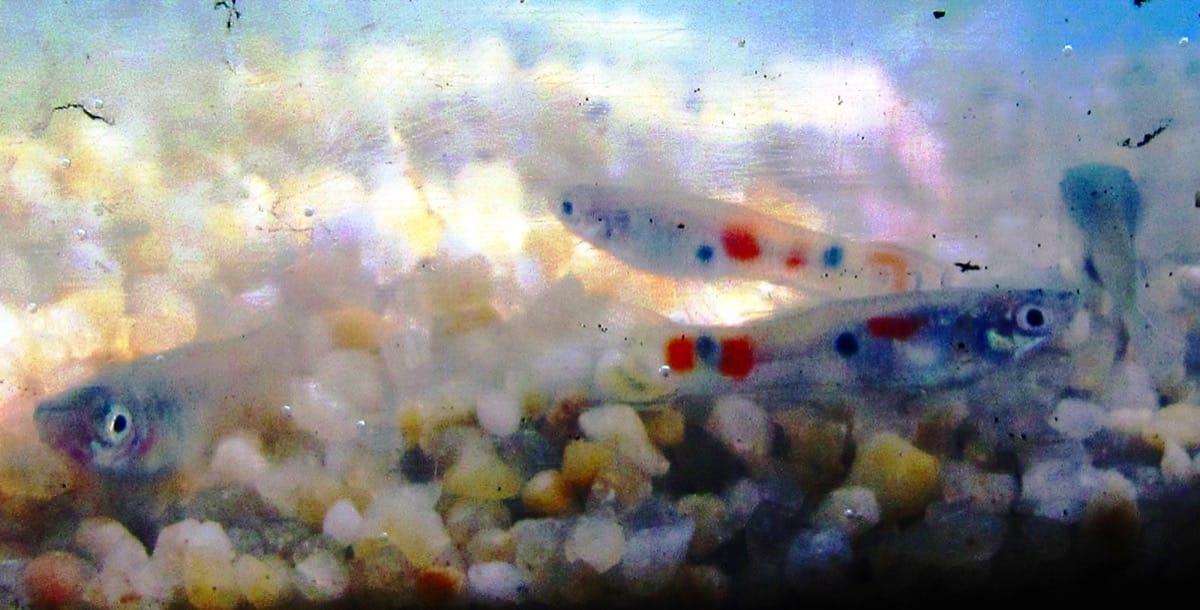
- 22-26 C
- pH 7.0-8.5
- 60 L+; 60 x 30 cm base
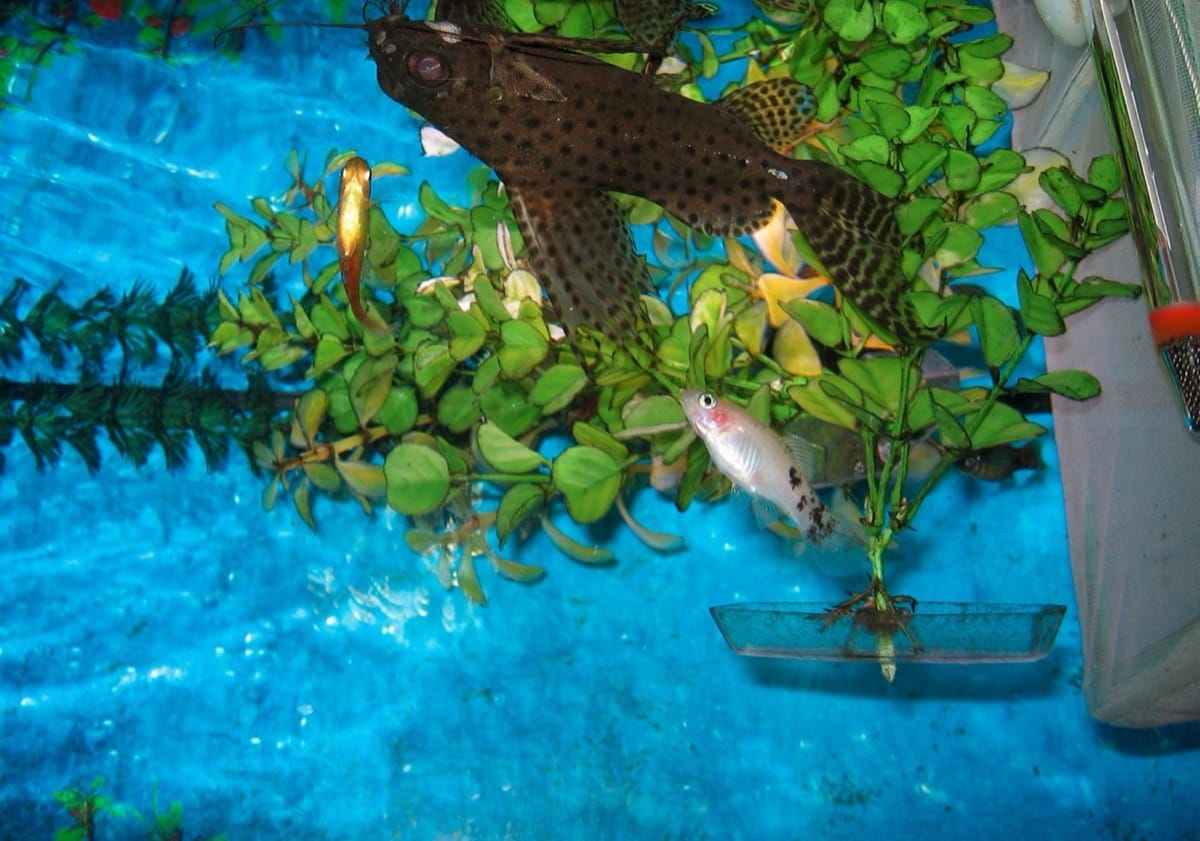
- 20–26°C
- pH 7–8.2
- 50 L+
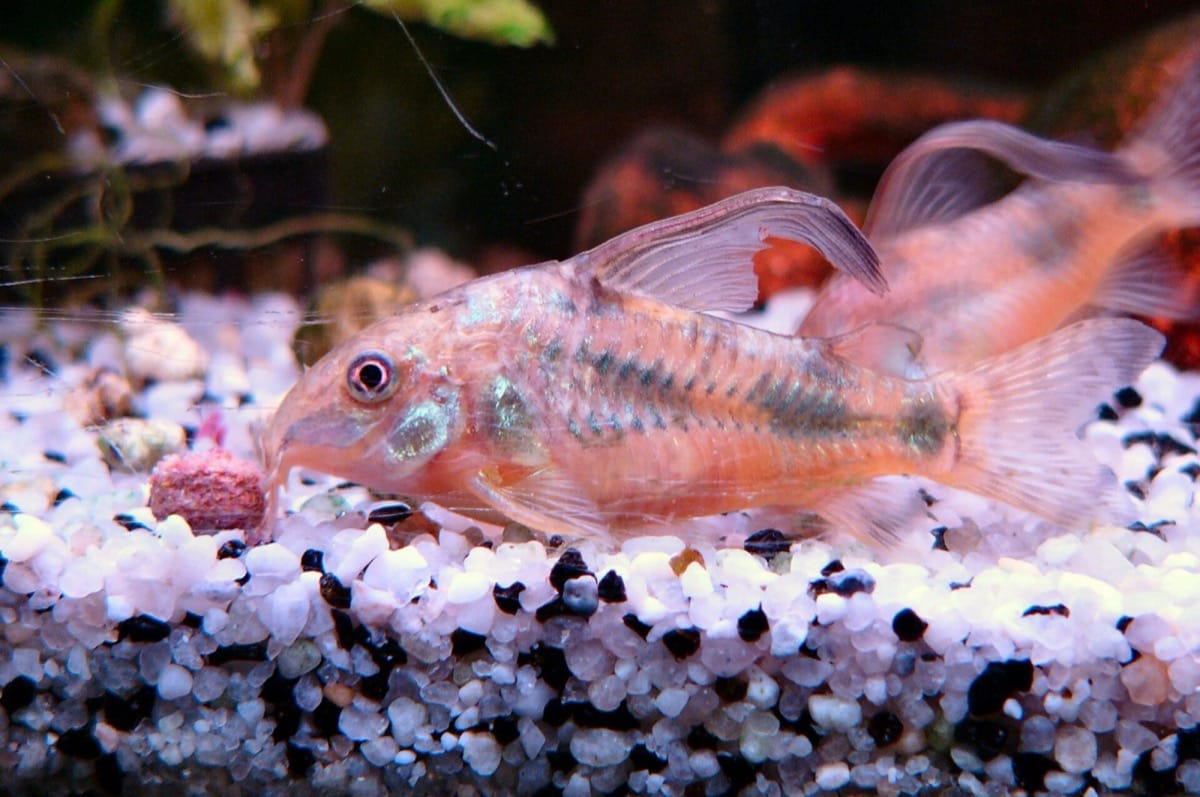
- 20–26°C
- pH 6–7.8
- 60 L+