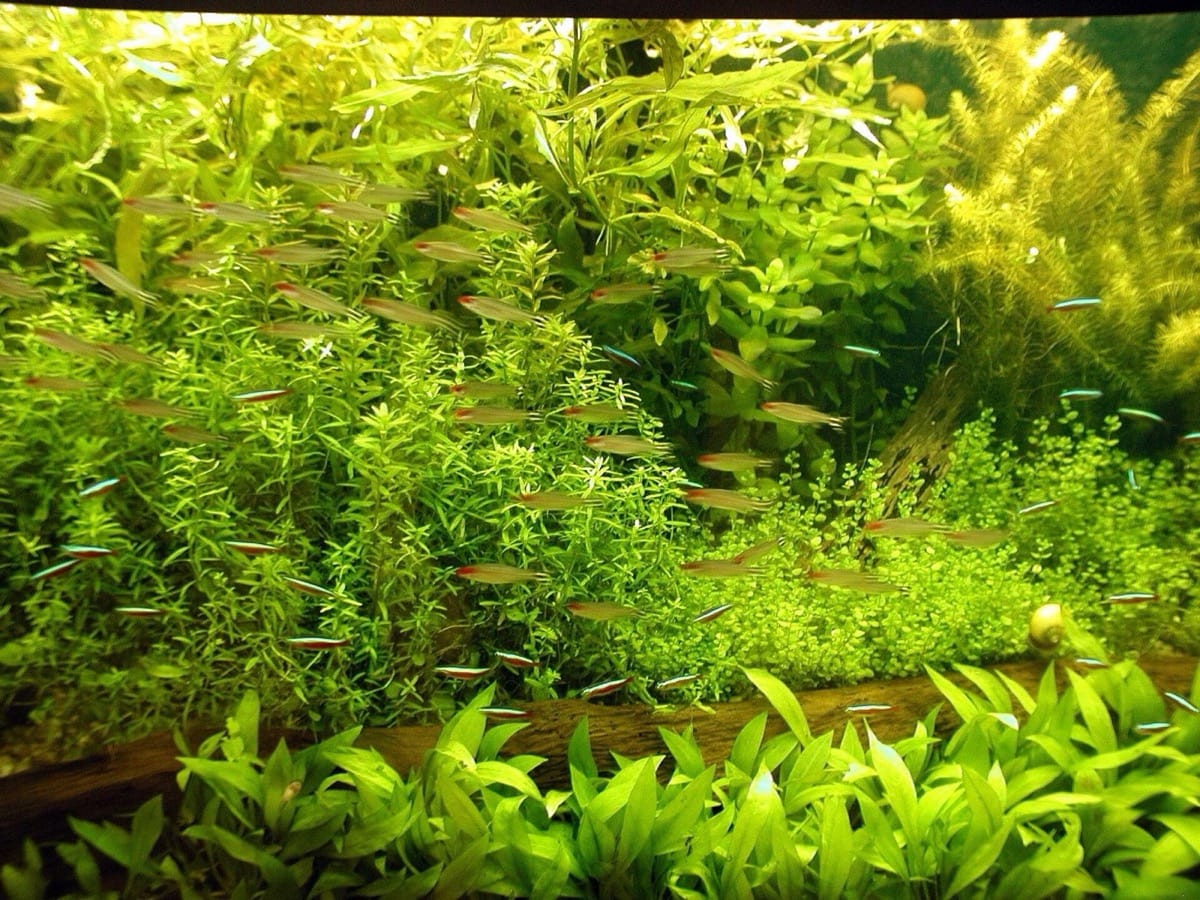
Aquarium Lighting for Plants
Plants need light to grow, but more is not always better. Matching light intensity and hours to your plants is what separates a lush tank from an algae farm.
Light drives plant growth, and it also drives algae. The trick is to match the light to the plants you keep — not to buy the brightest possible fixture.
Start with easy plants
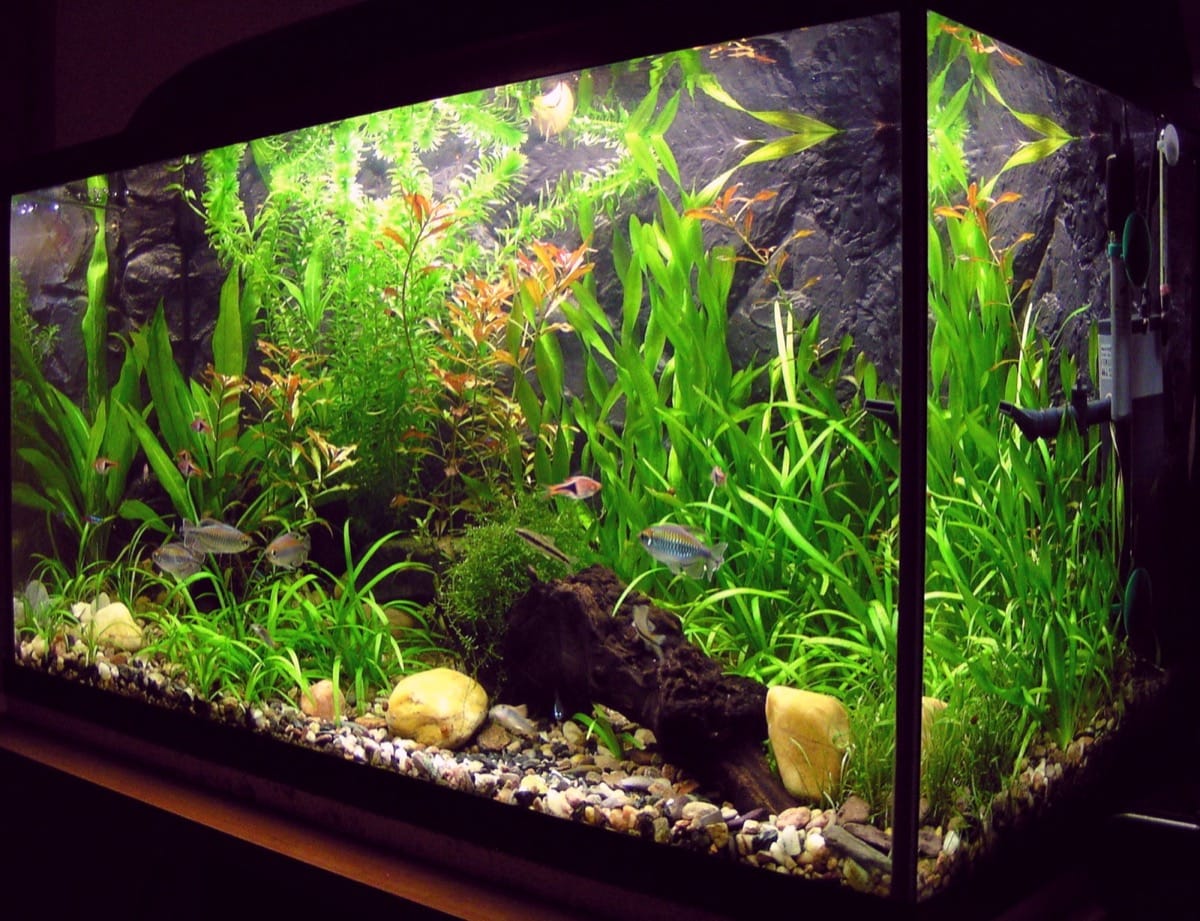
Anubias, java fern, moss and cryptocorynes grow under basic LED light with no CO₂ and no fertiliser. This is where almost everyone should start. Only move to stronger light once the easy plants are thriving.
Light, CO₂ and nutrients
Plants need three things together: light, CO₂ and nutrients. Give strong light without enough CO₂ or fertiliser and the plants cannot use it — so the algae do. That is why "high light" tanks almost always also run CO₂ and dosing.
How many hours
- 6–8 hours a day for most planted tanks, on a timer.
- Less at the first sign of algae.
- Keep the tank out of direct sunlight — it drives algae and heats the water.
Reading the plants
- Slow, weak growth — often too little light.
- Fast growth but algae everywhere — too much light for the CO₂/nutrients available.
- Plants stretching upward — reaching for light, too little intensity.
Spectrum and colour temperature
Light is not just brightness — it has a spectrum, and plants use mostly the red and blue parts of it. Aquarium LEDs are built to give a balanced spectrum that grows plants and looks natural to the eye. A colour temperature around 6,500 K (daylight white) is a good all-round choice; warmer or cooler tones change how the tank looks but matter less than intensity and duration. You do not need to chase exotic spectrums to grow easy plants.
The photoperiod
Plants, like everything alive, run on a daily rhythm. A steady 6–8 hour photoperiod, controlled by a timer, suits most planted tanks and gives plants time to grow while denying algae the round-the-clock light it loves. A midday "siesta" — lights on, off for a few hours, then on again — is used by some keepers to let CO₂ build up for a second burst, but a simple continuous block is easier to manage and works well.
Light and algae together
The single most common planted-tank mistake is treating light as a one-way dial: more must be better. In truth, light is only useful when it is matched by CO₂ and nutrients. Add stronger light to a tank with no CO₂ and the plants cannot use the extra energy — so the algae do, and you get a green bloom. Whenever you increase light, increase CO₂ and fertiliser to match, and do it slowly. If algae wins, the first move is always to reduce the photoperiod.
Upgrading step by step
A sensible path is: start with easy plants under a basic light, get them growing well, then add a fertiliser, then consider CO₂, and only then increase the light. Doing it in that order keeps the balance in your favour. Jumping straight to a high-power light on a low-tech tank is the fastest way to spend money and grow algae instead of plants.
Judging intensity without a meter
Serious planters talk about PAR — the light plants can actually use — but you do not need a meter to grow easy plants. The practical test is plant behaviour: steady, compact growth with good colour means the light is about right; plants that stretch thin and tall are reaching for more; plants that stay small while algae flourishes have more light than the system can use. Adjust one thing at a time and give it two weeks before judging.
Light and water depth
Light weakens as it passes through water, so a tall tank needs more intensity at the surface than a shallow one for the same result at the substrate. If plants at the bottom look pale while those near the top thrive, the issue may be depth rather than the plants themselves.
Keeping the light working
Light output drops quietly over time as LEDs age and the cover glass collects dust and condensation. Wiping the cover and the fixture every few weeks keeps usable light steady, and old units can lose enough output over the years to change plant growth. If a tank that grew well starts to struggle, clean the light before blaming the plants.
Do I need a special plant light?
Only for demanding plants. Basic LED suits easy plants; full-spectrum lights pair with CO₂.
Can I use a household bulb?
Not reliably — aquarium LEDs are designed for the spectrum and moisture. Use a proper fixture.
Why do I get algae when I increase light?
Because the plants cannot use the extra light without more CO₂ and nutrients. Increase those together, not light alone.
Related guides
Tools for this guide
Sources and research notes
Guidance follows standard planted-tank practice; balancing light with CO₂ and nutrients is the key to avoiding algae.
Written and edited by the Tankwise Editorial. Every guide answers one real fishkeeping question, is checked against the sources listed above, and is updated when guidance changes. We are an independent editorial desk, not veterinary or aquarium professionals — read how we research and update our guides.
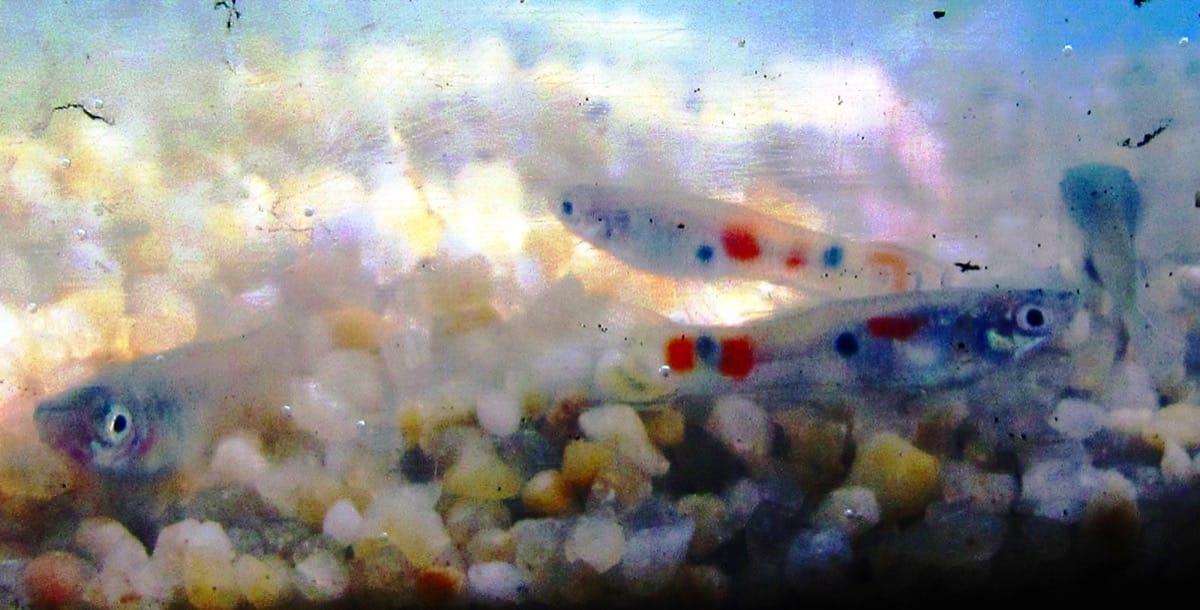
- 22-26 C
- pH 7.0-8.5
- 60 L+; 60 x 30 cm base
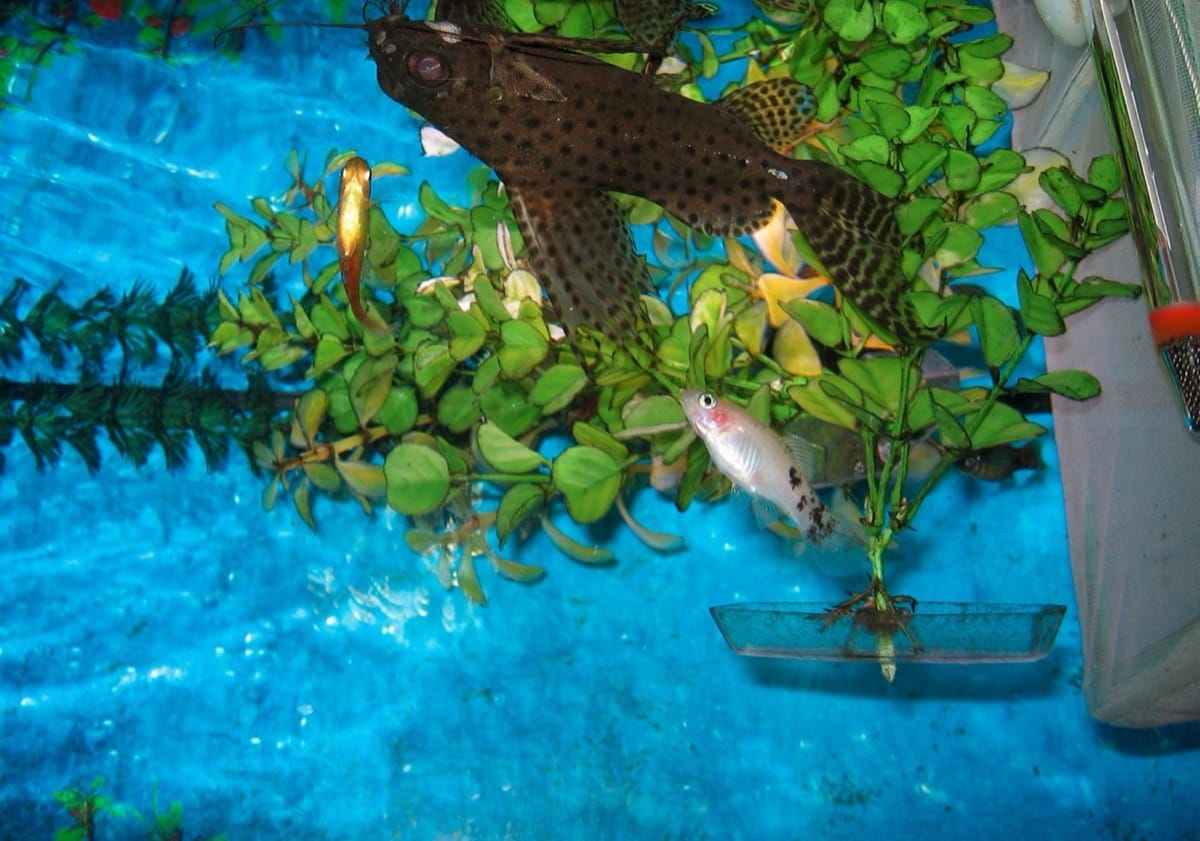
- 20–26°C
- pH 7–8.2
- 50 L+
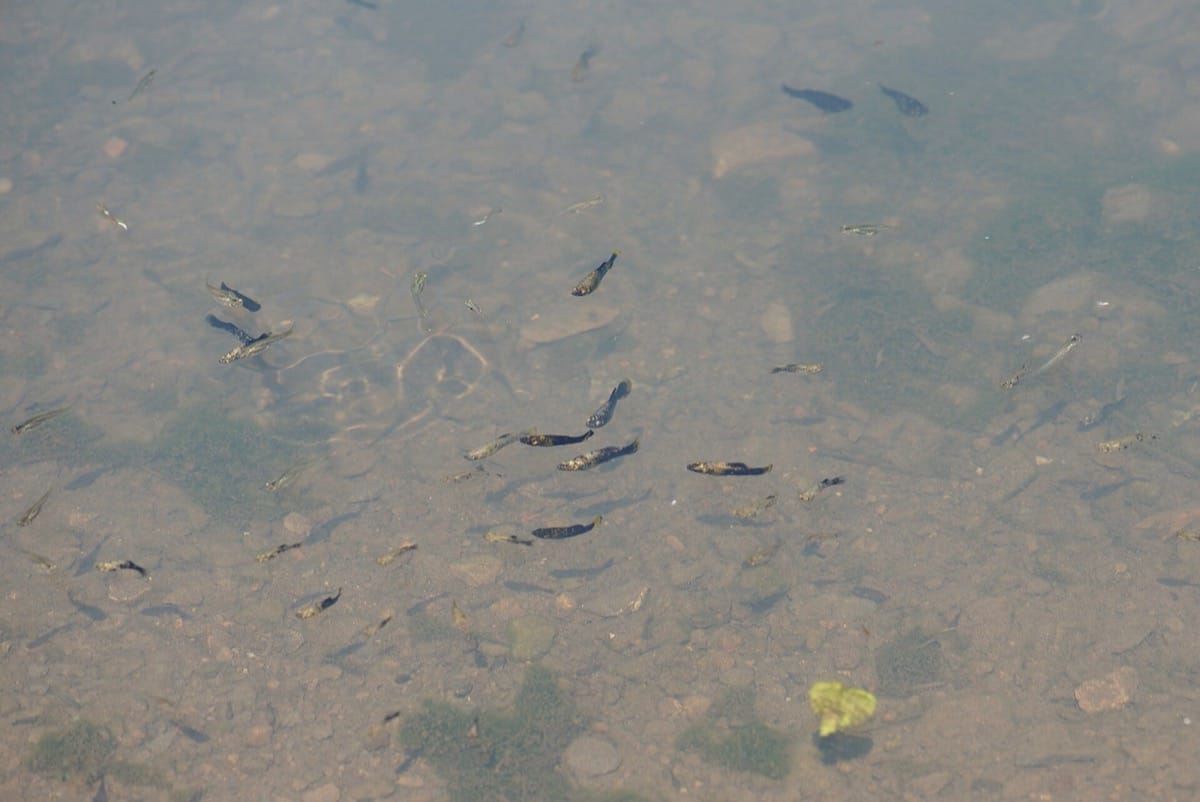
- 22–28°C
- pH 7–8.5
- 70 L+
- 21-25 C
- pH 6.0-7.5
- 60 L+; 60 x 30 cm base