The Best Aquarium Test Kits
A test kit is the most useful thing you can buy after a filter. Here is what you actually need to test, and which type of kit to choose.
You cannot see most water problems, so a test kit is how you keep fish safe. You do not need every test — but you do need the nitrogen ones.
What you actually need
| Test | Priority |
|---|---|
| Ammonia | Essential |
| Nitrite | Essential |
| Nitrate | Very useful |
| pH | Useful |
| KH / GH | Useful for hardness-sensitive fish |
Liquid vs strips
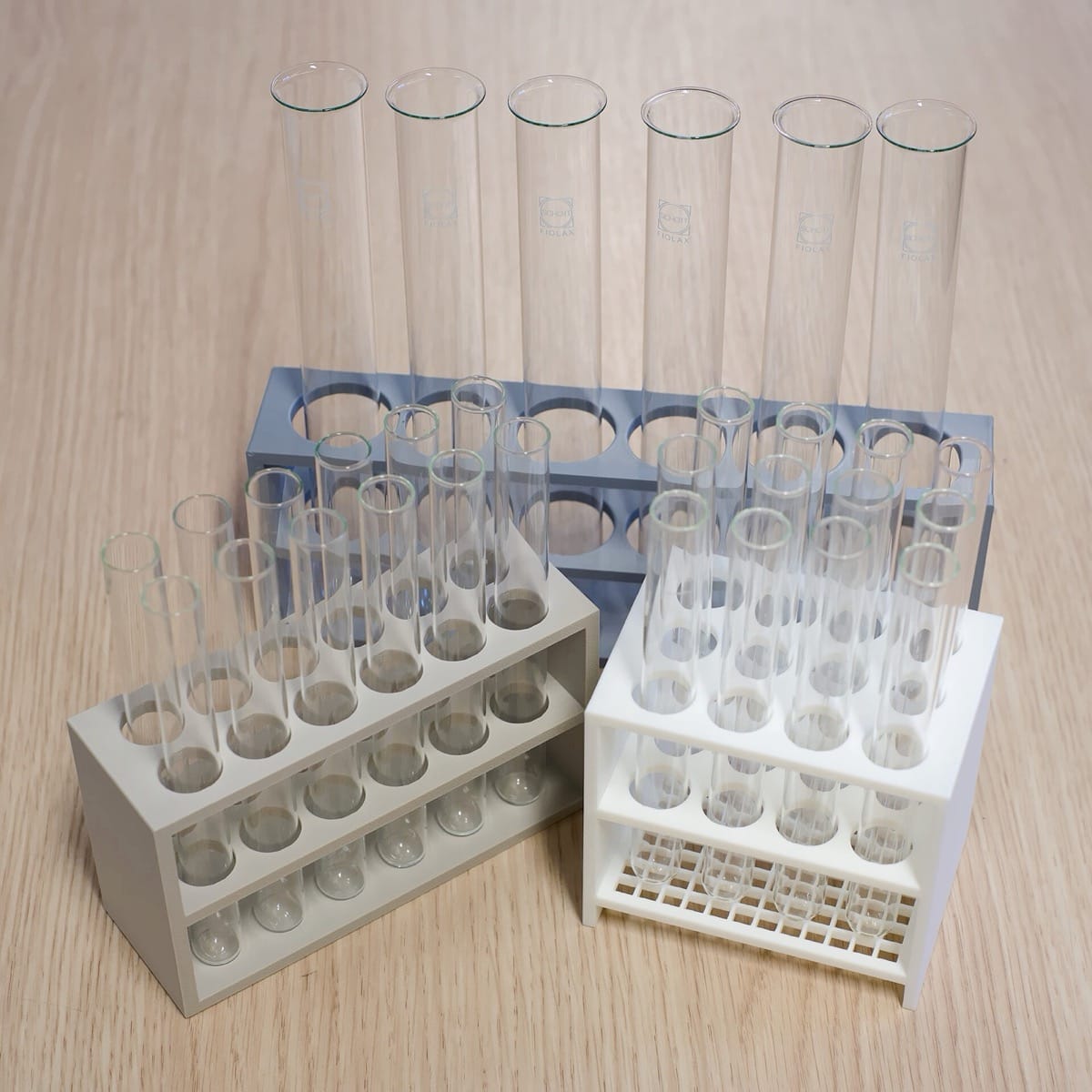
Liquid drop kits are more accurate, especially for ammonia and nitrite, and last a long time. Dip strips are quick but less precise and can fade. For the nitrogen tests that actually protect your fish, choose liquid. See what to test.
Using them well
- Read under natural light — indoor bulbs change the colours.
- Follow the timing the kit states; too long and the colour changes again.
- Rinse the tubes after use and keep the kit somewhere cool and dark.
- Check expiry — old reagents give false readings.
How the different tests actually work
Understanding what each test measures makes the numbers far more useful. Ammonia is the first toxic waste, produced constantly by fish and decaying food; in a cycled tank it should never register. Nitrite is the next stage, made as bacteria process ammonia, and it is equally dangerous. Nitrate is the end product — much less harmful, but it accumulates and is removed only by water changes. pH tells you how acidic or alkaline the water is, while KH is the buffering that holds pH steady and GH is the dissolved calcium and magnesium that suit some species and not others.
The nitrogen tests — ammonia, nitrite and nitrate — are the ones that protect your fish week to week. pH and hardness matter more for choosing the right species and for keeping sensitive fish and shrimp. You do not need every test on the shelf, but the three nitrogen ones are close to essential.
Reading the colours accurately
Most false readings come from the way the test is done, not the kit itself. Read the colour under natural daylight; a warm indoor bulb or a phone screen changes what you see. Hold the tube against the white part of the colour card and look through the side, not the top. Follow the timing exactly — too short and the reaction has not finished, too long and the colour darkens or fades and you misread it. Rinse the tubes with tank water after use and never touch the inside of the tube with your fingers.
Storing and replacing reagents
Test liquids have a shelf life. Keep them somewhere cool and dark, screw the caps tight, and check the expiry date — old reagents drift and give readings that are quietly wrong. If a bottle has changed colour or smells unusual, replace it. It is worth writing the date you opened each bottle on the label, because a kit rarely runs out before it ages.
What you can tell without a kit
Testing is best, but your fish also tell you things. Gasping at the surface, clamped fins, hiding and loss of appetite can all point to poor water, especially ammonia or nitrite. A sudden bloom of algae or cloudy water suggests rising nitrate or a filter that has slipped. None of this replaces a test, but noticing behaviour early is often what prompts you to test in the first place.
Common mistakes
- Testing only when something looks wrong — by then the problem is usually advanced. Test weekly as routine.
- Chasing an exact pH when the real issue is ammonia. Test the nitrogen first.
- Using strips for the nitrogen tests, where they are least reliable. Reserve strips for quick checks.
- Dosing medicine before testing — identify the problem first, then treat.
Should you use a digital meter?
A digital pH meter reads to finer resolution than a colour card, which helps when you keep soft-water fish or inject CO2 and want to watch small shifts. The catch is upkeep: a meter must be calibrated with reference solutions and stored with the probe kept moist, or it drifts and quietly lies to you. A cheap, uncalibrated meter is worse than a liquid kit. For most freshwater keepers a liquid pH kit is accurate enough; a meter earns its place only when precision genuinely matters.
Whatever you use, note the reading each week. A written log of ammonia, nitrite, nitrate and pH over a month tells a far richer story than any single test — you can see the week nitrate started creeping up, or that pH always dips after a big feed, and act before a problem takes hold.
Do I need a digital meter?
For pH, a meter can be more precise, but it needs calibrating. Liquid kits cover most needs.
How often should I test?
Weekly in a settled tank, and daily while cycling or after a problem.
Are cheap kits accurate enough?
Often, if they are liquid drop kits and in date. Strips are the ones to be wary of.
Related guides
- Aquarium water testing: what to test
- The nitrogen cycle and cycling a tank
- Ammonia spike: what to do
Tools for this guide
Sources and research notes
Guidance follows standard fishkeeping practice; liquid kits are recommended over strips for the critical nitrogen tests.
Written and edited by the Tankwise Editorial. Every guide answers one real fishkeeping question, is checked against the sources listed above, and is updated when guidance changes. We are an independent editorial desk, not veterinary or aquarium professionals — read how we research and update our guides.
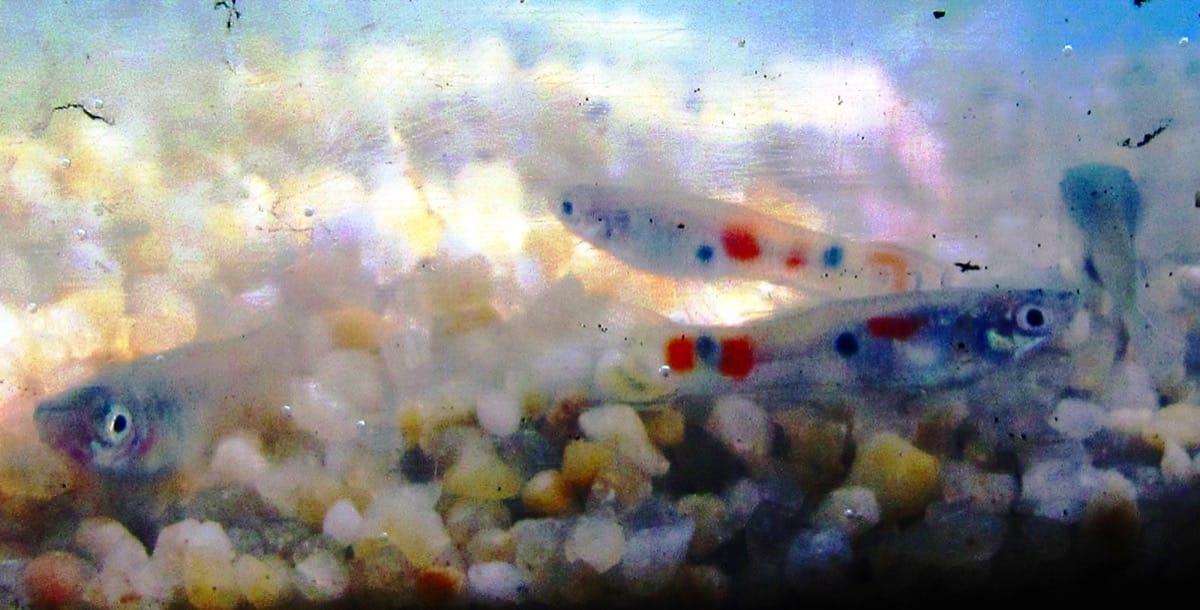
- 22-26 C
- pH 7.0-8.5
- 60 L+; 60 x 30 cm base
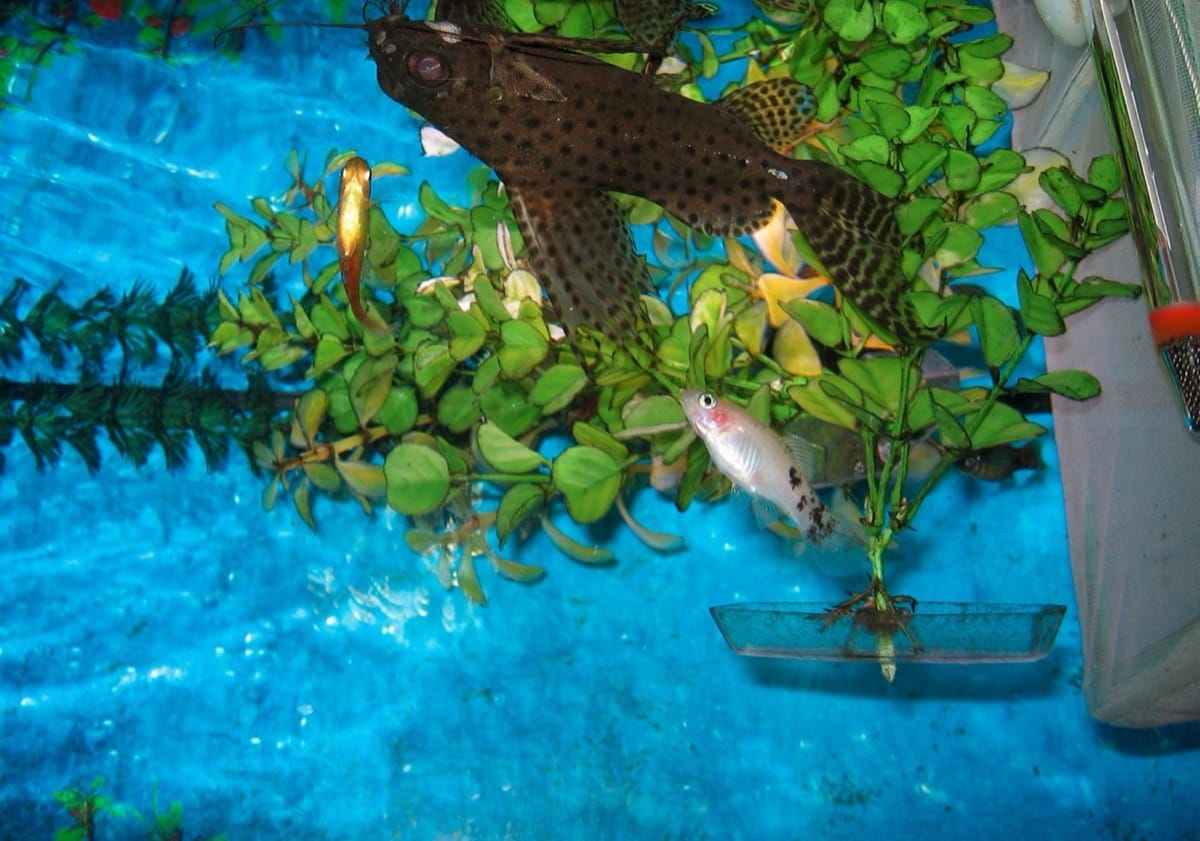
- 20–26°C
- pH 7–8.2
- 50 L+
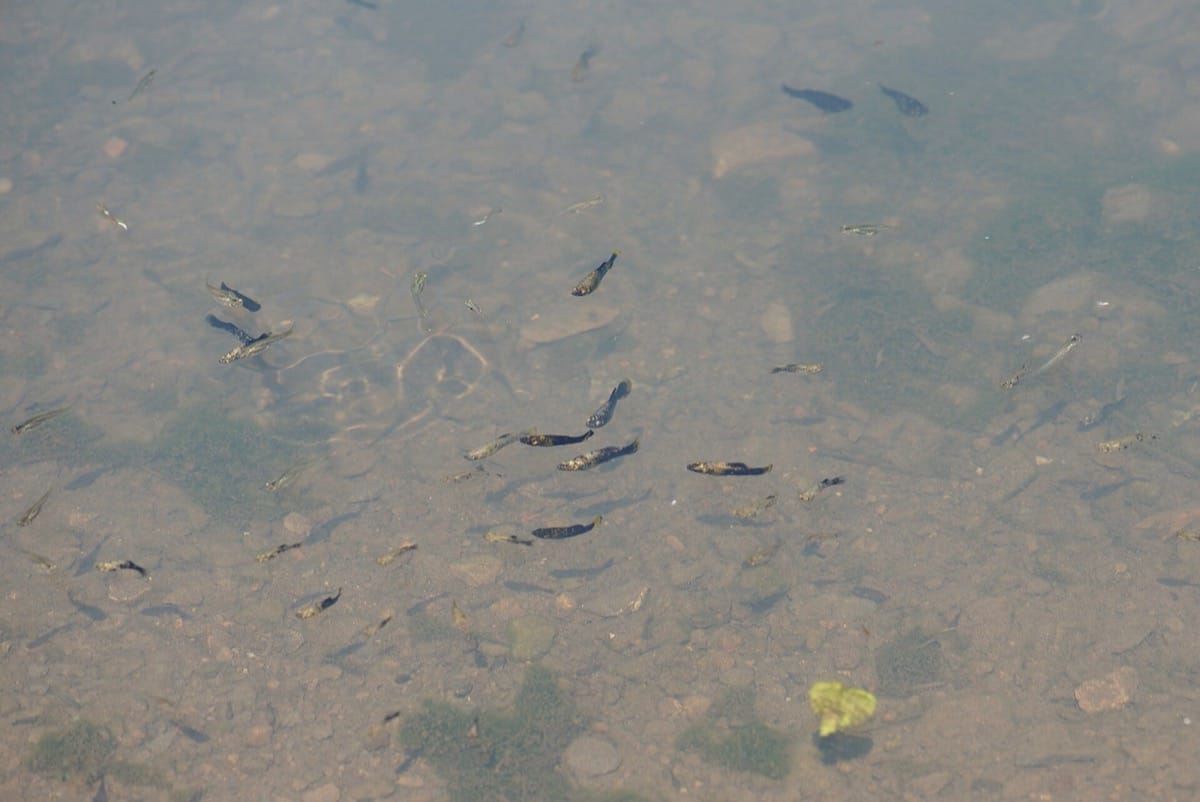
- 22–28°C
- pH 7–8.5
- 70 L+
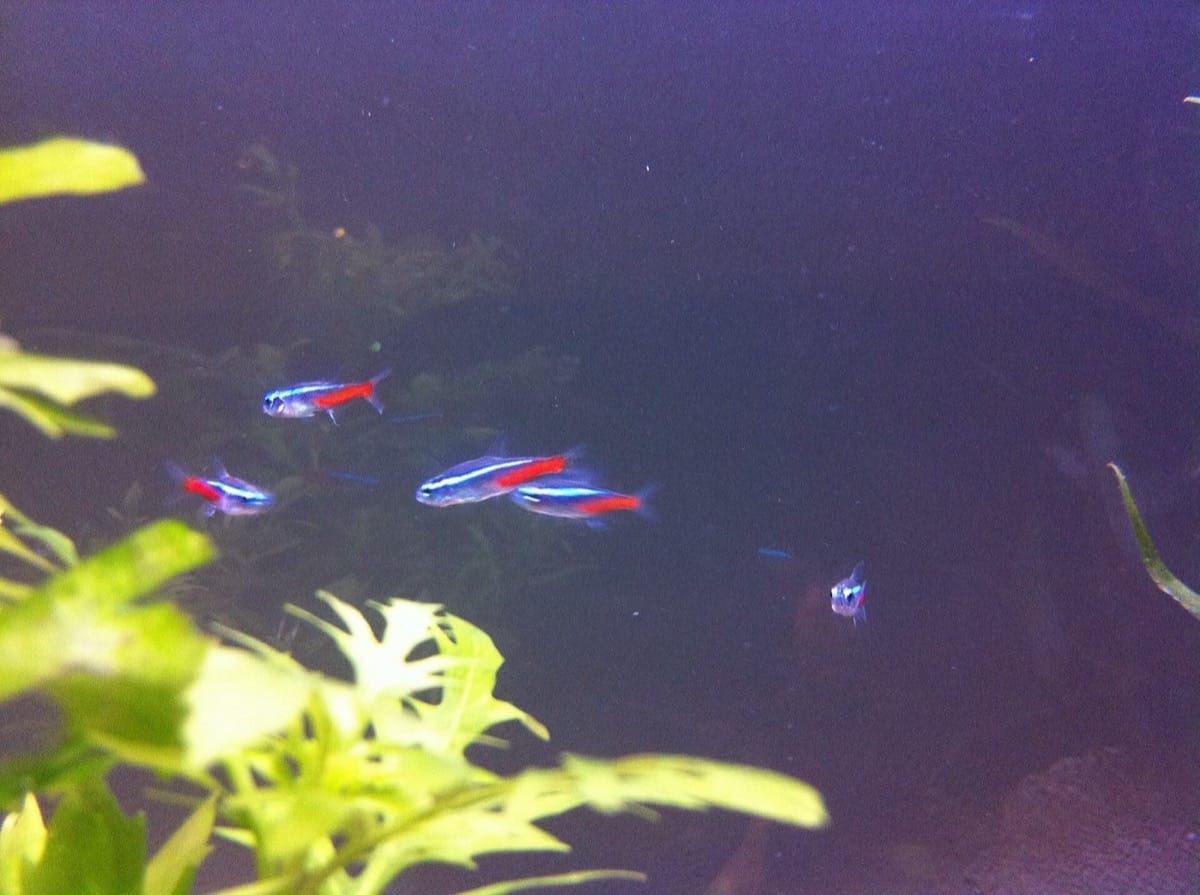
- 21-25 C
- pH 6.0-7.5
- 60 L+; 60 x 30 cm base