How to Sex Guppies, Platies and Mollies
Guppies, platies, mollies and swordtails are easy to sex once you know what to look for — which matters if you want to avoid a tank full of fry.
Livebearers give birth to live young, so a mixed group breeds whether you plan it or not. Being able to tell males from females lets you control the numbers — and keep the right ratio.
What to look for
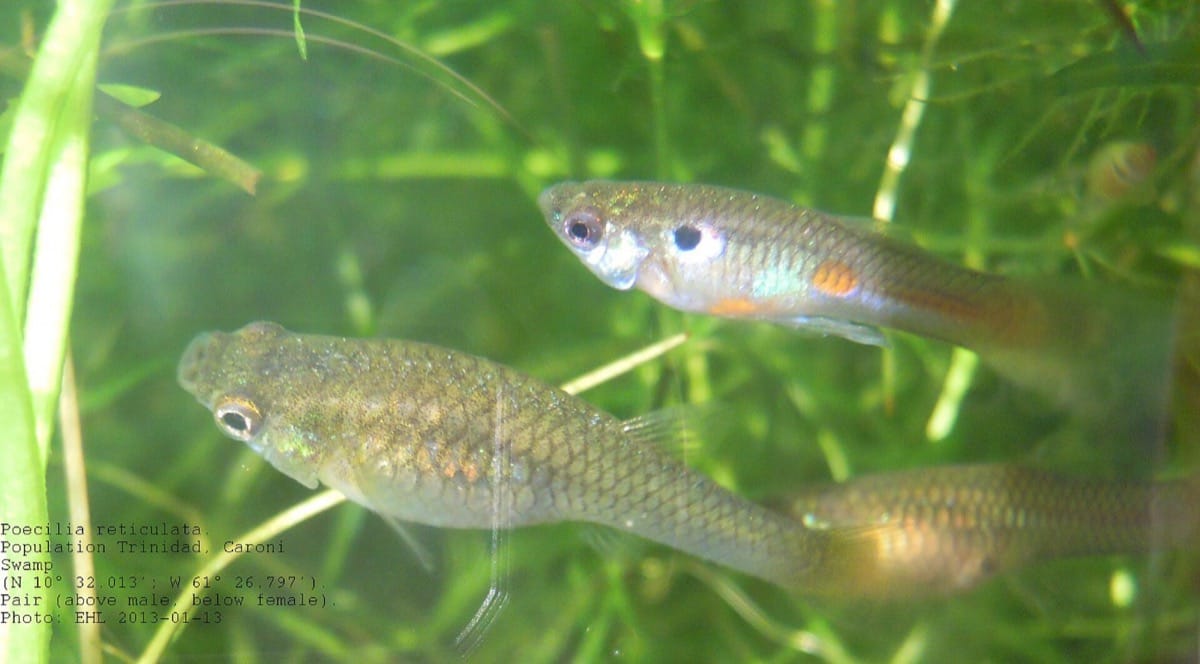
- Males are usually slimmer, smaller and more colourful, with a modified fin (the gonopodium) instead of a normal anal fin.
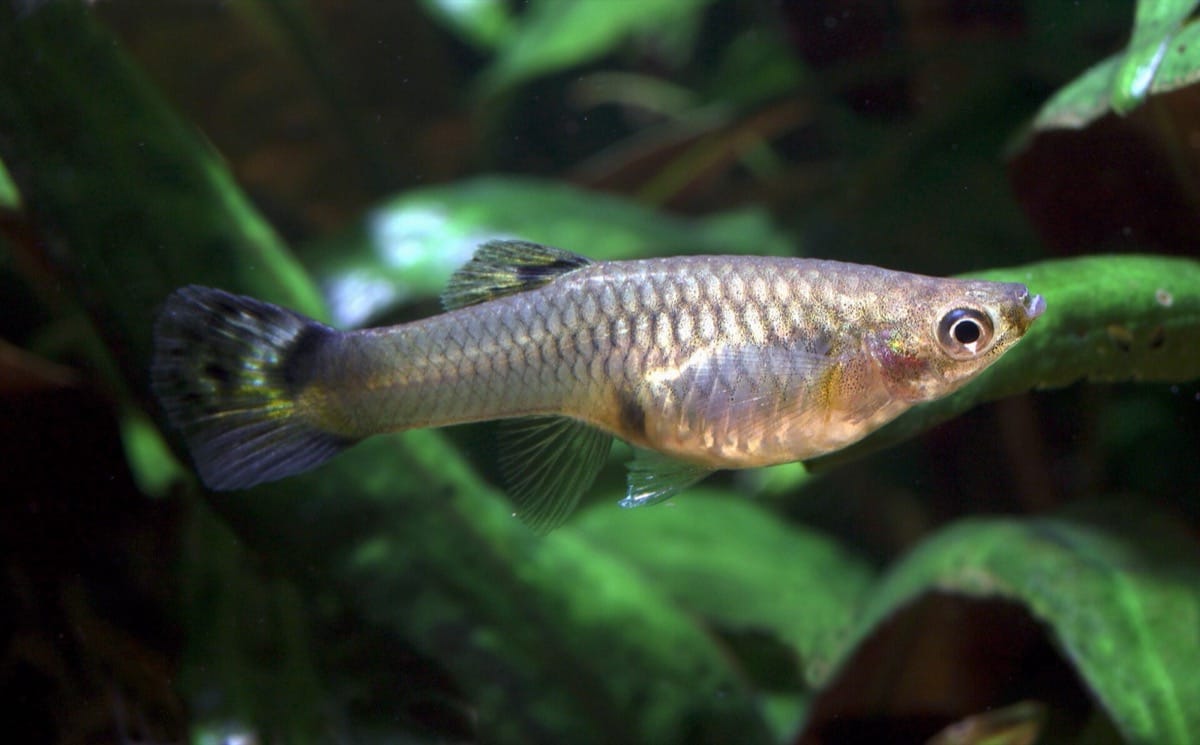
- Females are larger and rounder, with a normal, fan-shaped anal fin, and often a "gravid spot" (a darker patch near the tail) when carrying young.
- Swordtails: males carry the long "sword" extension on the tail.
Why the ratio matters
Males chase females constantly. With too few females, one fish is harassed to exhaustion and can fall ill. The usual advice is two or three females for every male, or all of one sex if you want no breeding at all.
Controlling numbers
- Keep only males for colour with no fry.
- Keep a mixed group and accept some fry surviving in cover.
- Separate the sexes once the young are large enough to tell apart.
If a female has already been with a male, assume she is pregnant — livebearers can store sperm and produce several broods. Plan for the fry. See how to breed guppies.
Telling males from females in detail
Once you know the features, sexing livebearers is quick. Look at three things. First, the anal fin: females have a normal, fan-shaped fin, while males have a narrow, rod-like fin called a gonopodium, used in mating. Second, body shape: males are usually slimmer and smaller, females rounder and plumper, especially when carrying young. Third, colour and finnage: in guppies and swordtails, males are far more colourful and carry longer or showier fins, while females are plainer and larger.
In swordtails, the male also carries the long "sword" extension on the tail. In guppies, the male's gonopodium is easiest to see from the side as he swims. If a fish is very young, the differences are slight, so wait a few weeks and look again before deciding.
Why the sex ratio matters so much
Males chase females constantly, and in a small group the same female can be harassed until she is exhausted, hides constantly and falls ill. The usual advice is two or three females for every male. With a reasonable ratio the attention is spread and the females stay in condition; with too few, one fish bears all the pressure. If you want no breeding at all, keep a single sex.
Remember, too, that a female you buy is often already carrying young, and livebearers can store sperm and produce several broods from one mating. So even a group of "all females" can suddenly produce fry if one had mated before you bought it.
What to do with the fry
Once fry appear, decide early how to handle them. You can leave them in the tank among dense plants, where some survive; move the female to a separate tank before she gives birth; or let nature take its course and accept the numbers. If you want to raise them, separate the sexes as soon as they are large enough to tell apart, or you will soon have more fish than you can house. Overstocking from uncontrolled breeding is one of the most common causes of water problems in livebearer tanks.
Breeds, colour and culling
Serious guppy and swordtail keepers select for colour, fin shape and vigour, keeping the best fish to breed and passing on or selling the rest. You do not have to go that far, but a little selection keeps a line healthy. If colour fades or deformities appear over several generations, introduce fresh blood from a different source rather than breeding only from your own stock.
A note on each species
Sexing guppies is the easiest of all: the male's gonopodium is clearly visible, and his colour and long tail set him apart from the plainer, larger female. Swordtails add the male's long sword. Platies and variatus are subtler, so lean on the anal fin and body shape rather than colour, which can mislead in some strains. Mollies are larger again, and the male's gonopodium and slimmer build remain the reliable signs. Whichever species, check the fin first — it never lies.
Can I tell from colour alone?
Often, but not reliably — always check the anal fin and body shape.
Is my female pregnant?
Likely if she has been with a male. A dark gravid spot and a squared-off belly are signs she is close to giving birth.
How many babies at once?
From a handful to dozens, depending on the species and the female's age.
Related guides
Tools for this guide
Sources and research notes
Sexing follows the standard features of livebearers (gonopodium, body shape, gravid spot); these are reliable practical guides.
Written and edited by the Tankwise Editorial. Every guide answers one real fishkeeping question, is checked against the sources listed above, and is updated when guidance changes. We are an independent editorial desk, not veterinary or aquarium professionals — read how we research and update our guides.
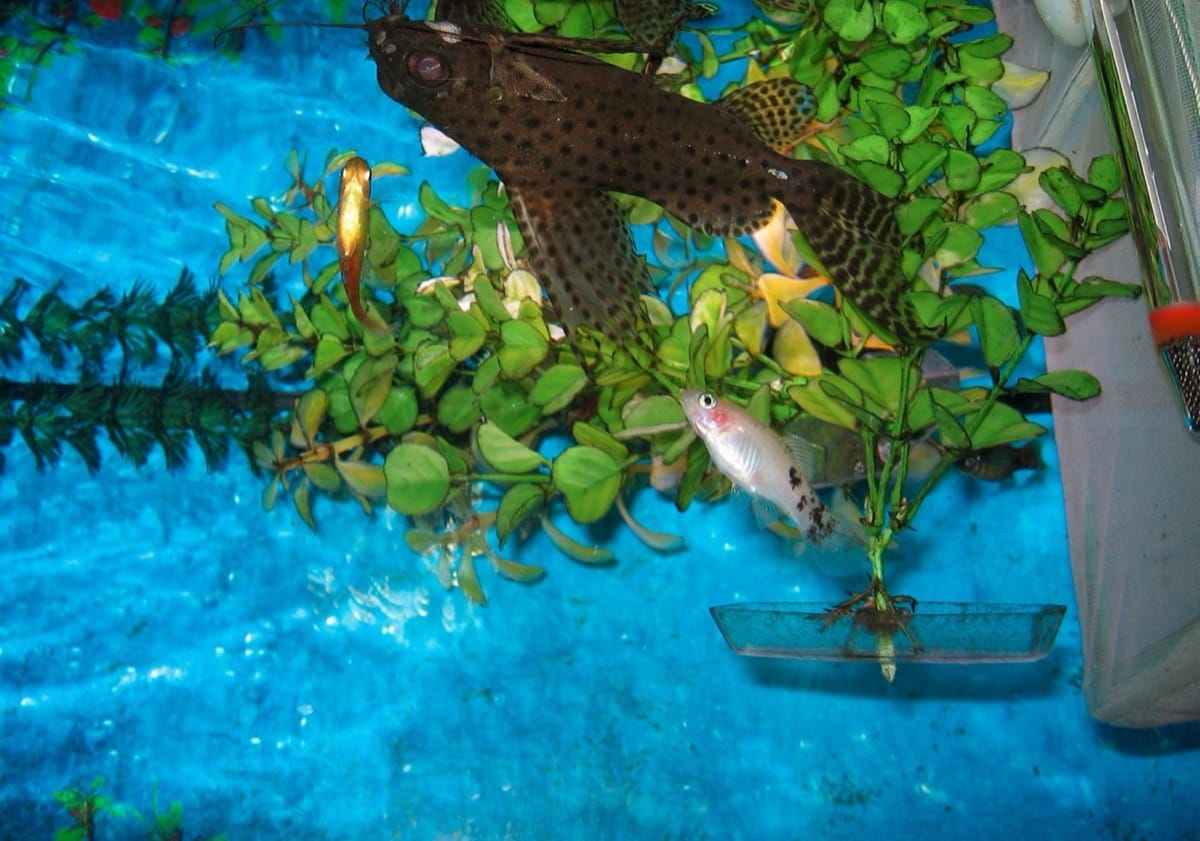
- 20–26°C
- pH 7–8.2
- 50 L+
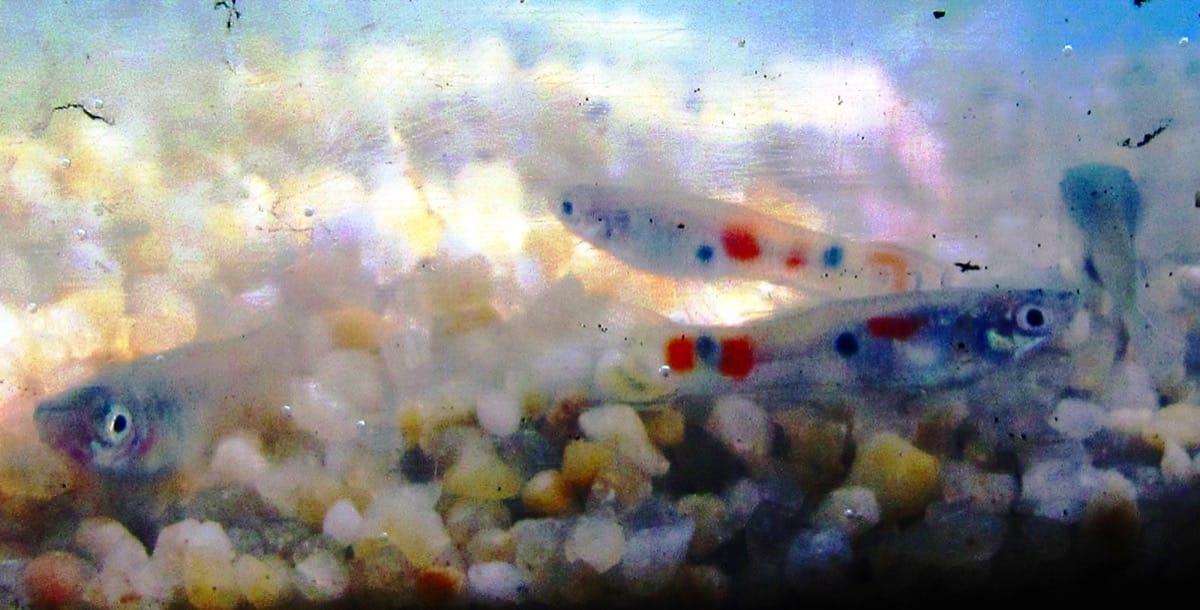
- 22-26 C
- pH 7.0-8.5
- 60 L+; 60 x 30 cm base
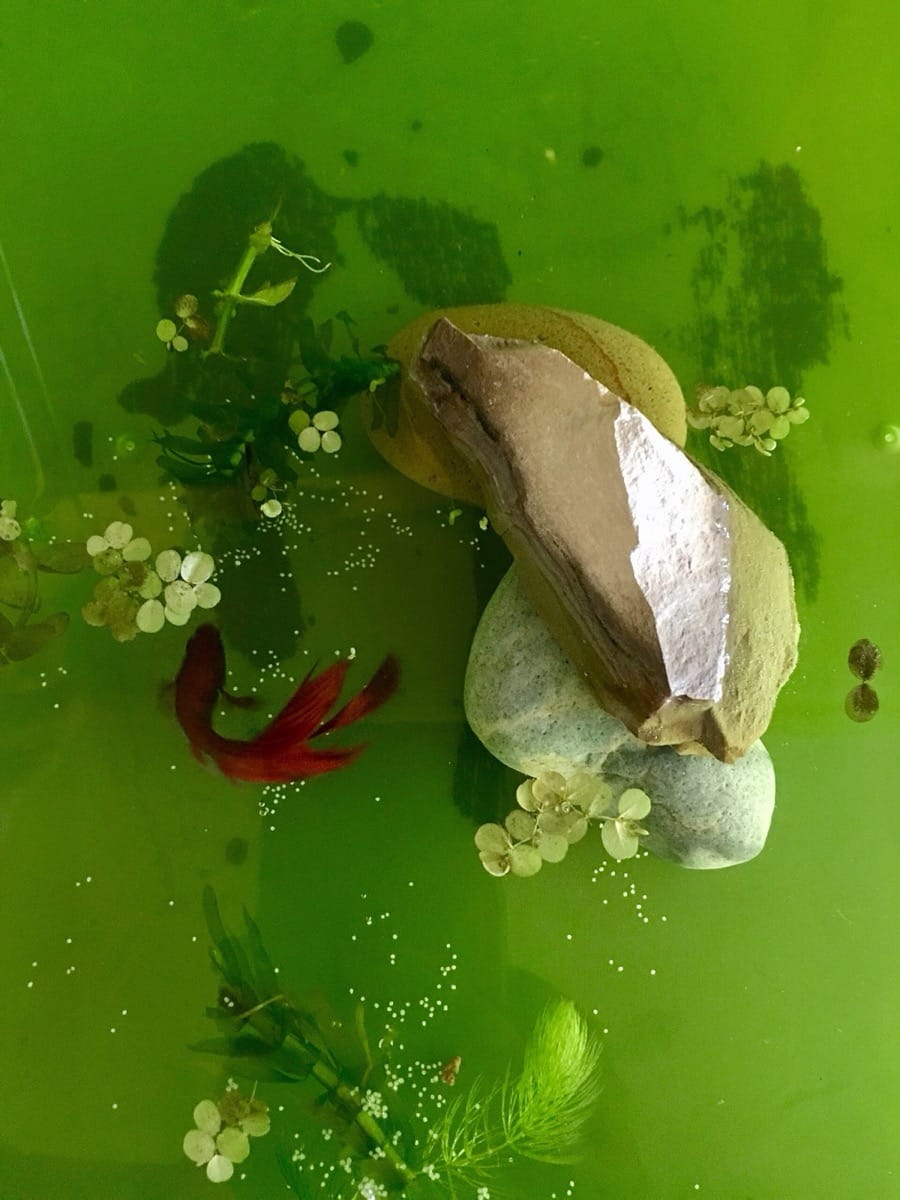
- 24-26 C
- pH 6.5-7.5
- 40 L+; 45 x 30 cm base
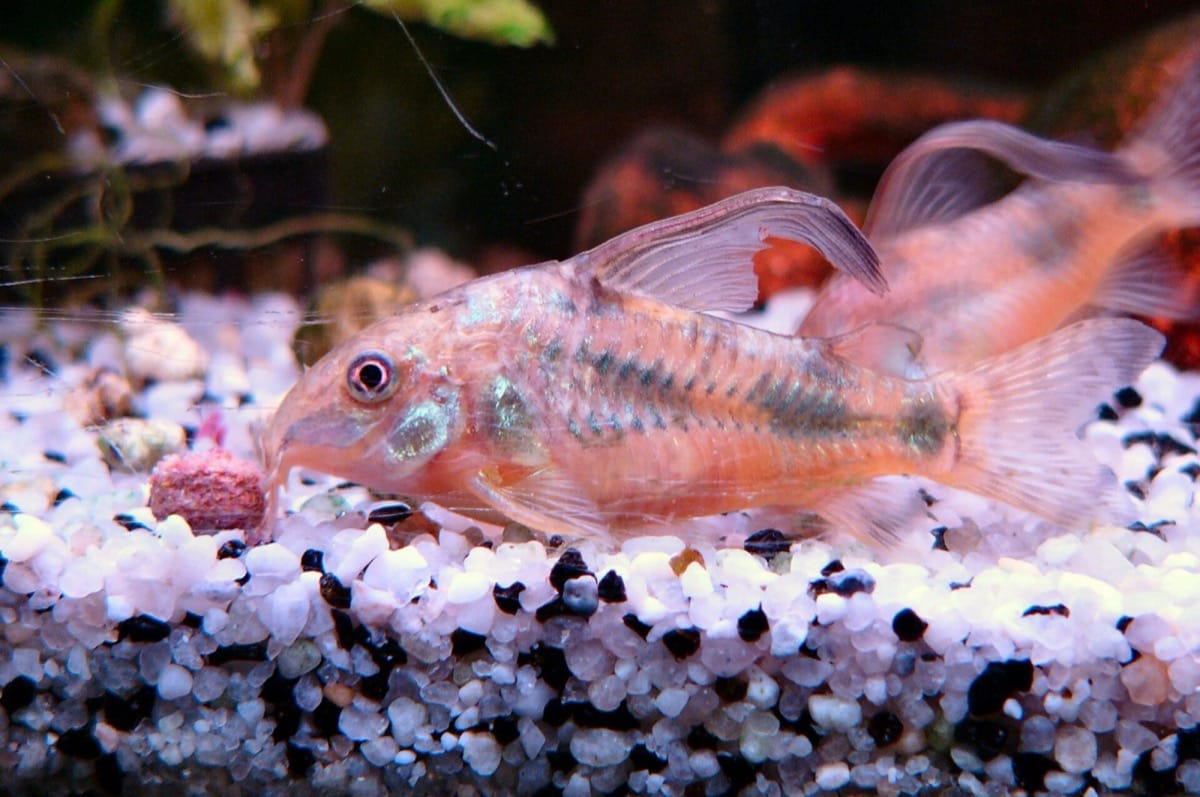
- 20–26°C
- pH 6–7.8
- 60 L+