Fish Tank Compatibility: Choosing Tankmates
Some fish mix; some do not. Compatibility comes down to water needs, temperament and adult size — check all three before you buy any new fish.
Two fish can live together only if they agree on three things: water, temperament and size. Get any one wrong and you end up with stress, disease or missing fish.
The three checks
- Water: do their temperature, pH and hardness ranges overlap?
- Temperament: is one nippy, territorial or a fin-nipper, and is the other long-finned or timid?
- Size: will one fit in the other's mouth as either grows?
Safe combinations
- Peaceful shoalers (tetras, rasboras, corys) together in a community tank.
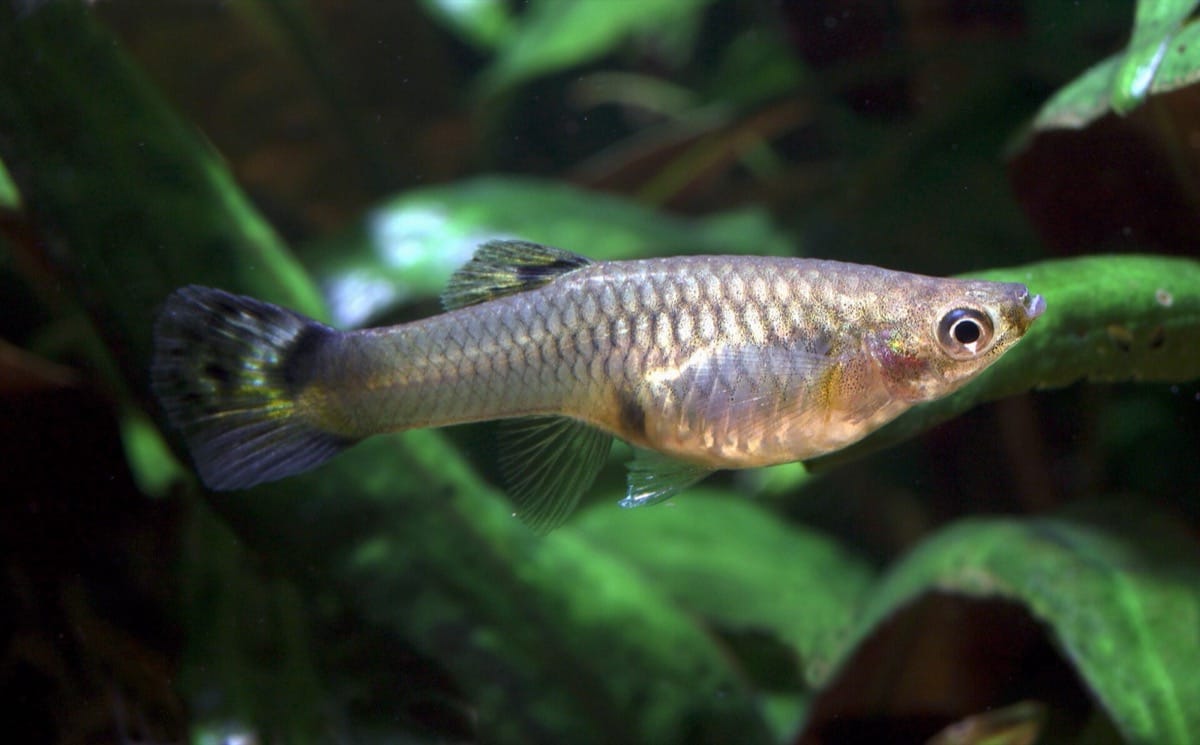
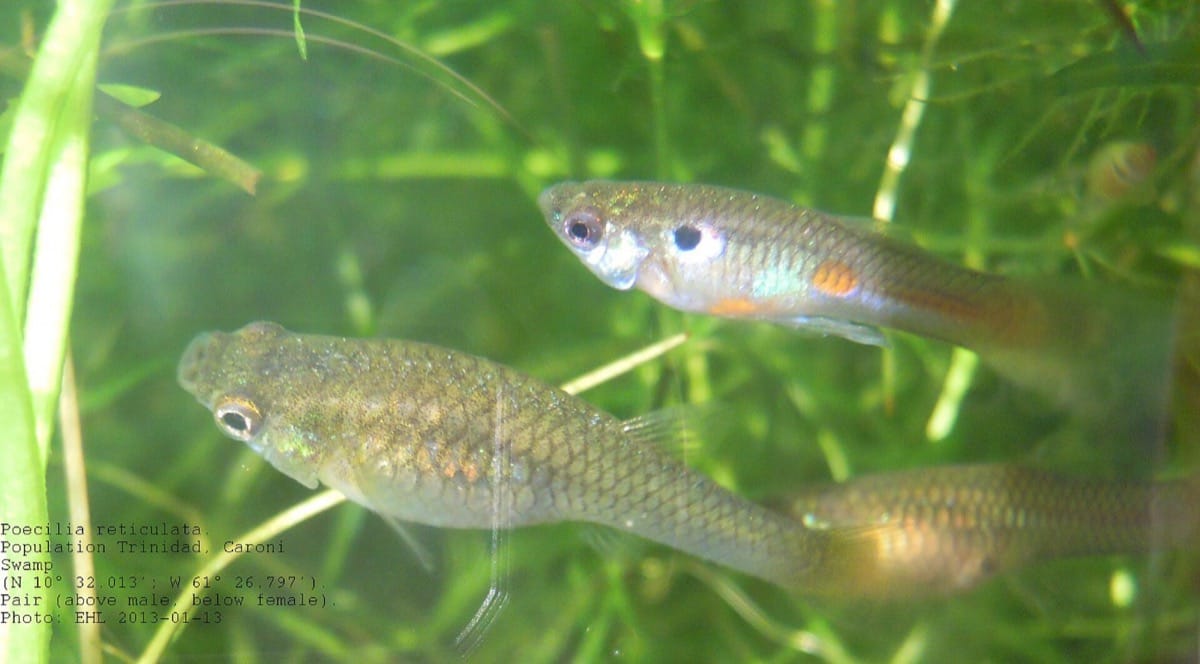
- Livebearers (guppies, platies) with peaceful bottom-dwellers.
- A single betta with snails or shrimp in a planted tank.
Common clashes
- Nippers and long fins — tiger barbs with bettas or angelfish.
- Predator and small fish — angelfish or pictus catfish with tiny tetras or shrimp.
- Different water needs — hard-water livebearers with soft-water tetras.
- Two males of a territorial species — bettas, many cichlids.
How to do it right
Plan the community around one main species, add tankmates that suit the same water, and check each species' adult size and temperament before buying. Add fish slowly, and use the stocking calculator only as a rough guide. When in doubt, keep it simple.
Check 1: water and temperature
The first question is whether two species can live in the same water at all. Look at their temperature, pH and hardness ranges and check they overlap comfortably. A hard-water livebearer and a soft-water tetra can survive together, but neither thrives, and one is always slightly stressed. Fish kept at the edge of their range are more prone to disease and often never show their best colour. Match the water, and everything else gets easier.
Check 2: temperament
Peaceful fish can still be the wrong company. A fin-nipper like a tiger barb will shred the trailing fins of a betta, angelfish or guppy. A territorial cichlid will defend a corner and bully timid tankmates. A shy fish kept with boisterous ones will simply hide. Read each species' temperament notes, and remember that a fish's behaviour can change as it matures — a peaceful juvenile angelfish may turn predatory with age.
Check 3: adult size
This is the check people forget. A small fish in the shop can grow large, and anything that fits in a bigger fish's mouth eventually becomes food. Check the adult size, not the size on the day, and rule out any pairing where one fish could swallow the other. The same logic applies to space: a fish that grows to 30 cm does not belong in a community of small tetras, however peaceful it is.
Three communities that work
- Soft-water community: a shoal of tetras or rasboras with corys on the bottom and a peaceful centrepiece such as a honey gourami.
- Hard-water community: livebearers (guppies, platies) with a bristlenose pleco and nerite snails.
- Nano community: a group of ember tetras or chili rasboras with cherry shrimp and a few nerite snails.
Introducing new fish
Add fish slowly, one group at a time, so the filter can keep up. Quarantine new arrivals for two to four weeks before they meet the others, and acclimate them gently. Watch for a few days after each addition; if aggression or illness appears, act early rather than hoping it settles. A community built patiently is calm and healthy, while one assembled in a single afternoon usually produces trouble within weeks.
Buy in groups, not singles
Many community fish are shoaling species that feel safe only in numbers. A lone tetra, rasbora or cory becomes stressed and often hides or turns nippy; the same fish in a group of six is calm, colourful and active. Compatibility therefore includes the fish's own kind: plan for the group size each species needs, not just the mix of species, or you will end up with nervous, unhealthy fish.
Compatibility changes with age
Fish are not fixed personalities. A juvenile angelfish or cichlid may be peaceful and grow into a territory-holder that eats small tankmates. A pair that spawns can turn from gentle to fiercely protective overnight. Build in room for that, and be ready to separate if the balance changes — a community that worked when the fish were young may need rethinking a year later.
Can I keep a betta with guppies?
Risky — bettas may attack the guppies' bright tails, and it depends on the individual fish. Often best avoided.
Will my cichlid eat my tetras?
Larger cichlids often will. Check adult sizes; anything that fits in the mouth is at risk.
Do all community fish get along?
No — "community fish" is a loose term. Check water, temperament and size case by case.
Related guides
Tools for this guide
Sources and research notes
Compatibility depends on water, temperament and adult size; always check each species' requirements and behaviour before mixing.
Written and edited by the Tankwise Editorial. Every guide answers one real fishkeeping question, is checked against the sources listed above, and is updated when guidance changes. We are an independent editorial desk, not veterinary or aquarium professionals — read how we research and update our guides.
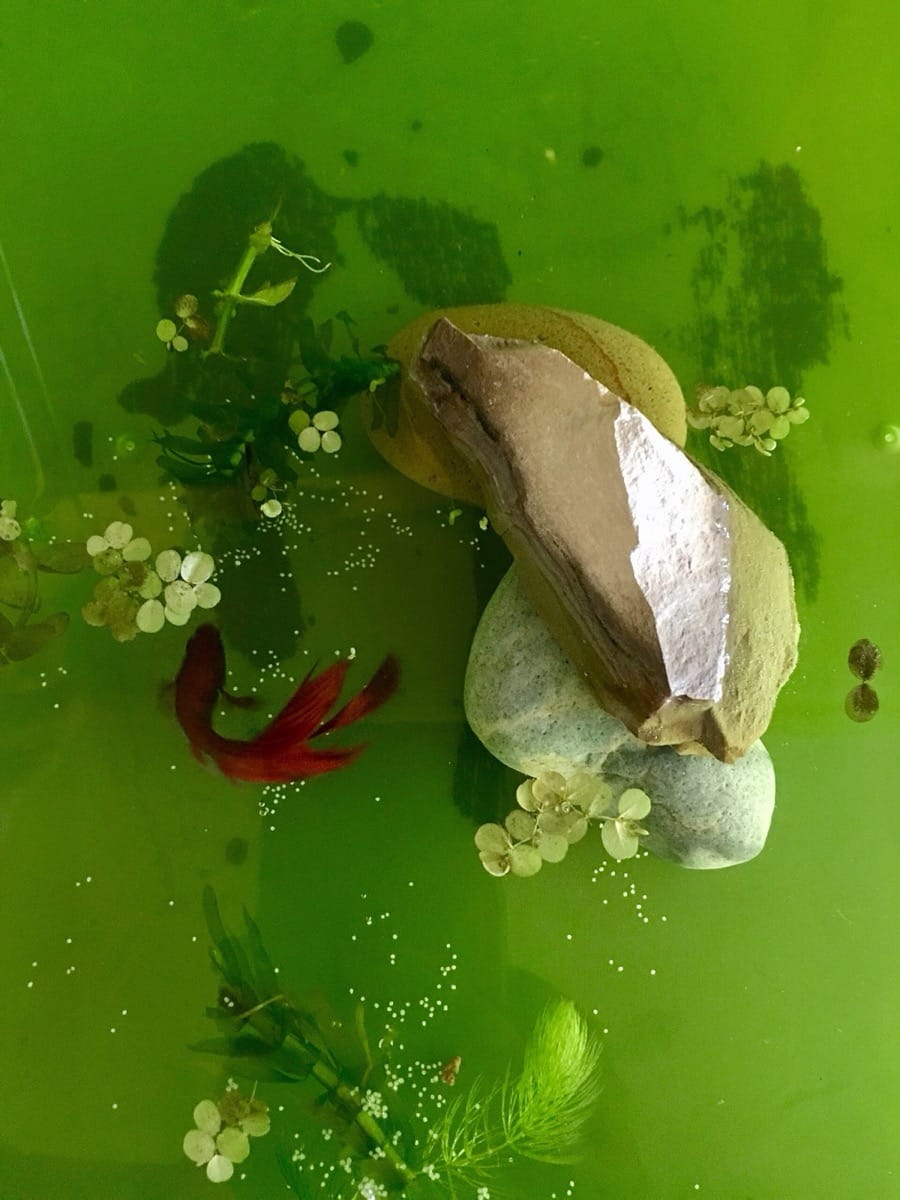
- 24-26 C
- pH 6.5-7.5
- 40 L+; 45 x 30 cm base
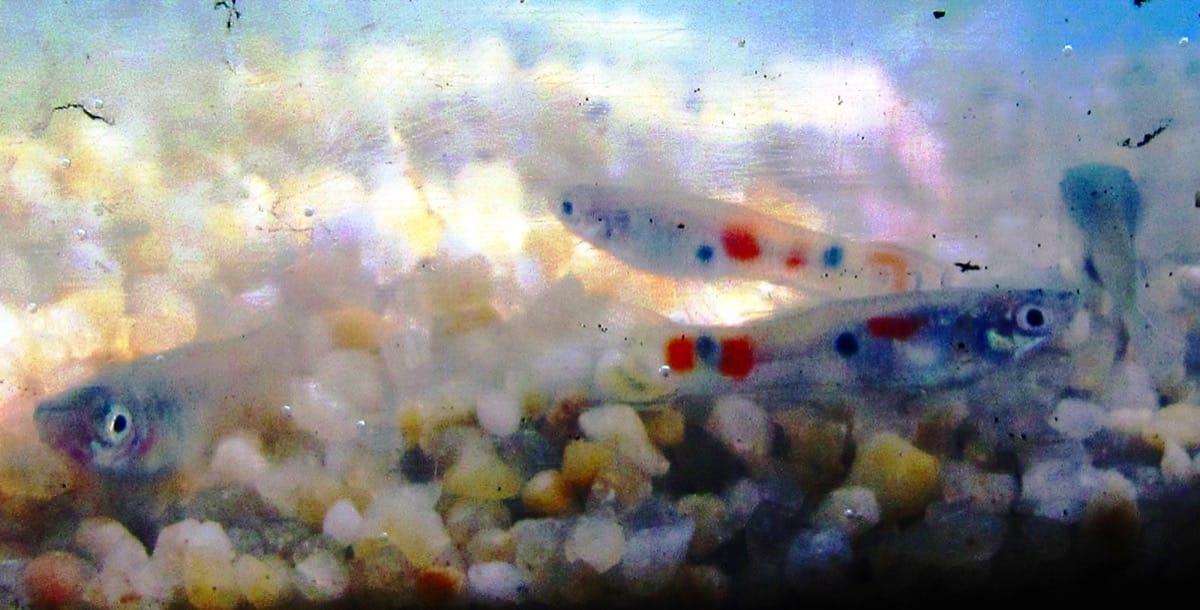
- 22-26 C
- pH 7.0-8.5
- 60 L+; 60 x 30 cm base
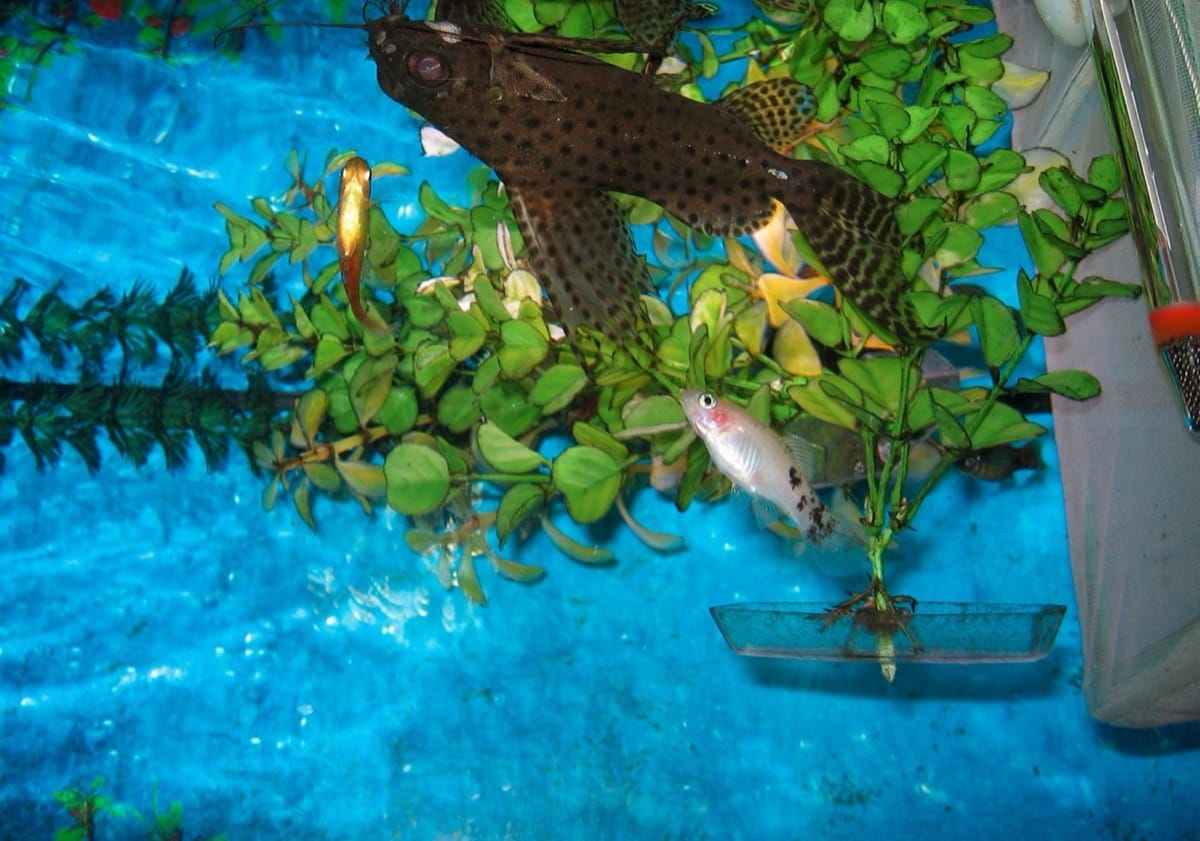
- 20–26°C
- pH 7–8.2
- 50 L+
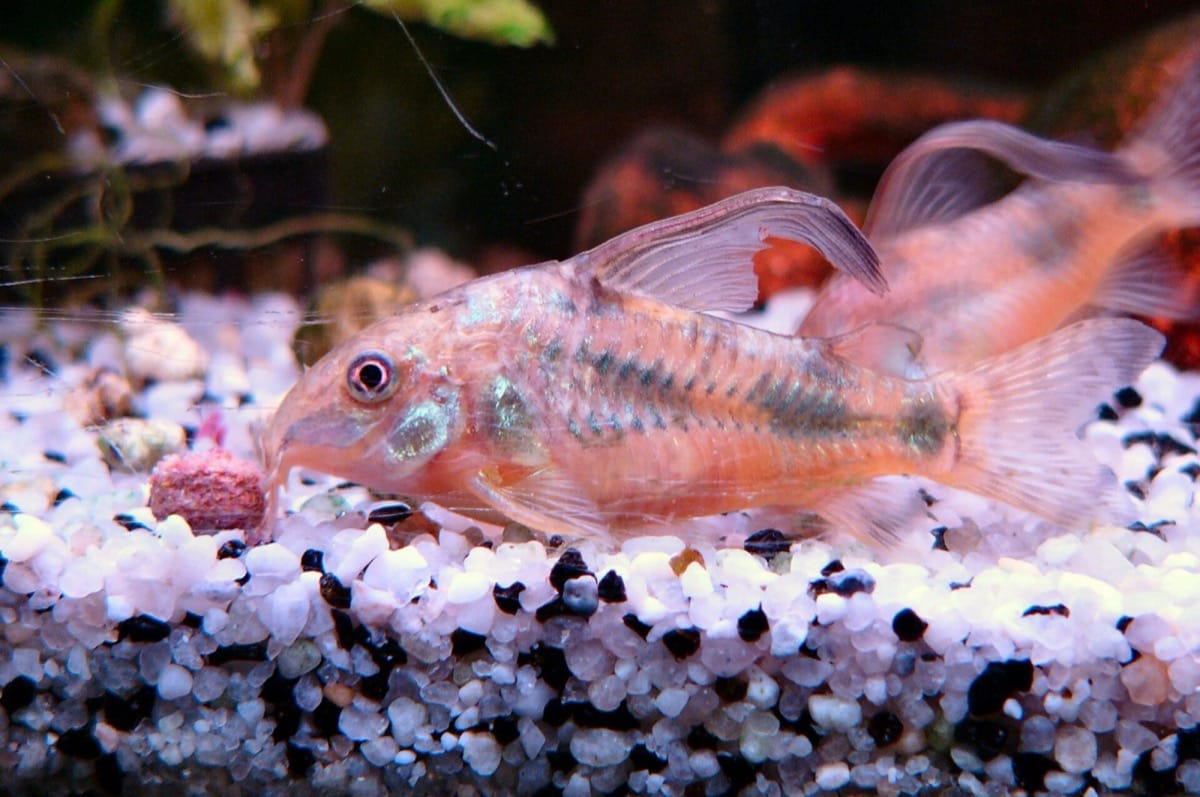
- 20–26°C
- pH 6–7.8
- 60 L+