How to Move a Fish Tank Without Losing the Cycle
Moving a tank stresses the fish and risks the filter. With a little planning, both arrive safely — and the bacteria keep the tank cycled after the trip.
Moving a tank is really two jobs: moving the fish safely, and keeping the filter alive. The bacteria in the filter are what keep the fish safe, and if they die in transit you come home to an uncycled tank.
Quick answer
Keep the filter media wet and the fish in tank water
- Fish
- Transport in tank water in buckets or bags.
- Filter
- Keep media submerged in tank water — never let it dry out.
- Water
- Save as much old water as you can.
- After
- Reassemble, refill with old + treated new water, test daily.
Before the move
- Stop feeding the fish for a day so they produce less waste in transit.
- Gather buckets or bags and a battery air pump for longer trips.
- Decide what to keep: keep the filter media, substrate and as much old water as possible.
Moving day
- Drain about half the water into clean buckets, then net the fish into them.
- Remove and bag the filter media — keep it wet in tank water.
- Drain the rest and take the tank, keeping décor damp where possible.
- Reassemble promptly at the new place: same substrate, same media, then refill with the old water plus fresh, treated, temperature-matched water.
- Test daily for a week, as the move may cause a mini-cycle.
A tip for short moves
If the tank can be moved in place — for instance across a room — you can leave the fish in with the water drained low and the filter off, then refill. It is much easier on everyone than a full teardown.
Before moving day
Stop feeding the fish for a day so they produce less waste, and give the tank a routine water change to start clean. Gather the right gear: buckets or fish bags, a net, a spare heater and airstone if the trip is long, towels and, if possible, an insulated box. Do not empty or clean the filter in advance — it goes last and stays wet. Plan the move so the fish spend as little time in transit as possible.
On the day
- Drain the water into clean buckets. Keep as much as you can to refill at the far end, which reduces shock.
- Catch the fish gently and place them in buckets or bags of tank water. Keep these dark, warm and quiet.
- Keep the filter media submerged in a bucket of tank water — never let it dry out, as the bacteria die fast.
- Remove décor and plants, wrap plants in damp paper.
- Move the tank last, emptied and supported underneath so the glass is not stressed.
Protecting the cycle
The single most important thing is the filter. The bacteria that keep the tank safe live in its media and need oxygen and moisture. Keeping the media wet and warm during the move preserves the cycle; letting it dry or go cold can crash it, so the tank has to cycle again with fish in it — the worst case. If the trip is long, run the filter on one of the fish buckets with an air pump.
Setting up again
Reassemble the tank, refill with the saved water plus dechlorinated fresh water matched to temperature, and restart the filter and heater. Acclimatise the fish as you would any new arrival, then switch the lights off for the rest of the day to reduce stress. Feed lightly for the first few days and test ammonia and nitrite daily for a week, since a move often triggers a small mini-cycle.
Short moves
For a move across a room, you can leave the fish in a well-covered bucket of tank water, keep the filter running on that bucket if possible, and move the tank on a board rather than dragging it. Even short moves benefit from keeping filter media wet and water temperature matched. Plan, keep the filter damp and warm, and keep the fish quiet — and the tank will settle back as though nothing happened.
Keep it calm
The days around a move are the most stressful a fish will face, so keep handling, light and noise to a minimum and resist the urge to fuss. Quiet, warm, clean water and a little patience let them settle; within a week or two the tank is running as before, cycle intact and fish none the worse for the journey.
Can I keep the old water?
Yes — it helps preserve the cycle and chemistry. Save as much as you reasonably can.
Why did my tank cycle after moving?
If the filter media dried out or was rinsed under the tap, the bacteria died. Keep it wet in tank water.
How long can fish stay in a bucket?
Healthy fish cope for hours in tank water with an air pump. For long trips, use larger containers and keep them warm.
Related guides
Tools for this guide
Sources and research notes
Moving guidance follows standard fishkeeping practice; the key risk is losing the filter bacteria if the media dries out.
Written and edited by the Tankwise Editorial. Every guide answers one real fishkeeping question, is checked against the sources listed above, and is updated when guidance changes. We are an independent editorial desk, not veterinary or aquarium professionals — read how we research and update our guides.
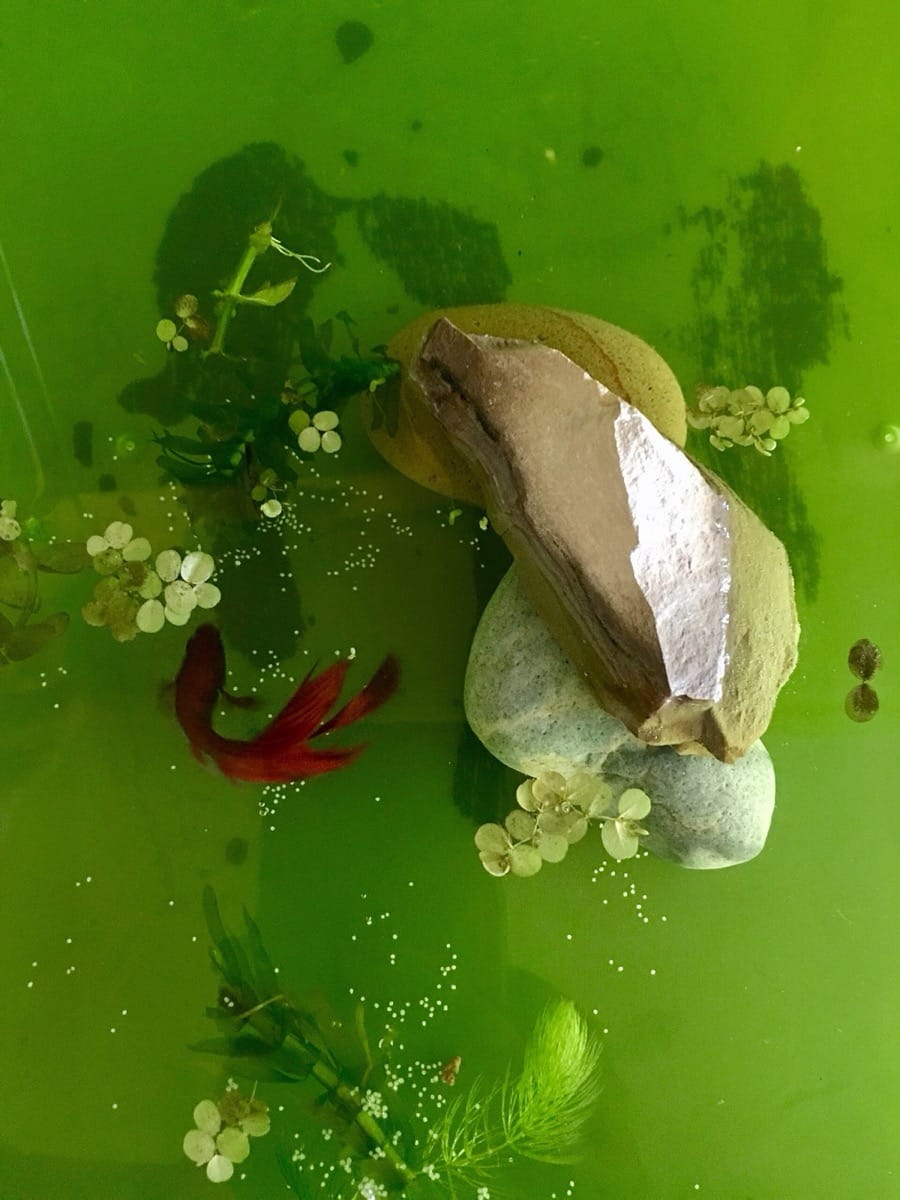
- 24-26 C
- pH 6.5-7.5
- 40 L+; 45 x 30 cm base
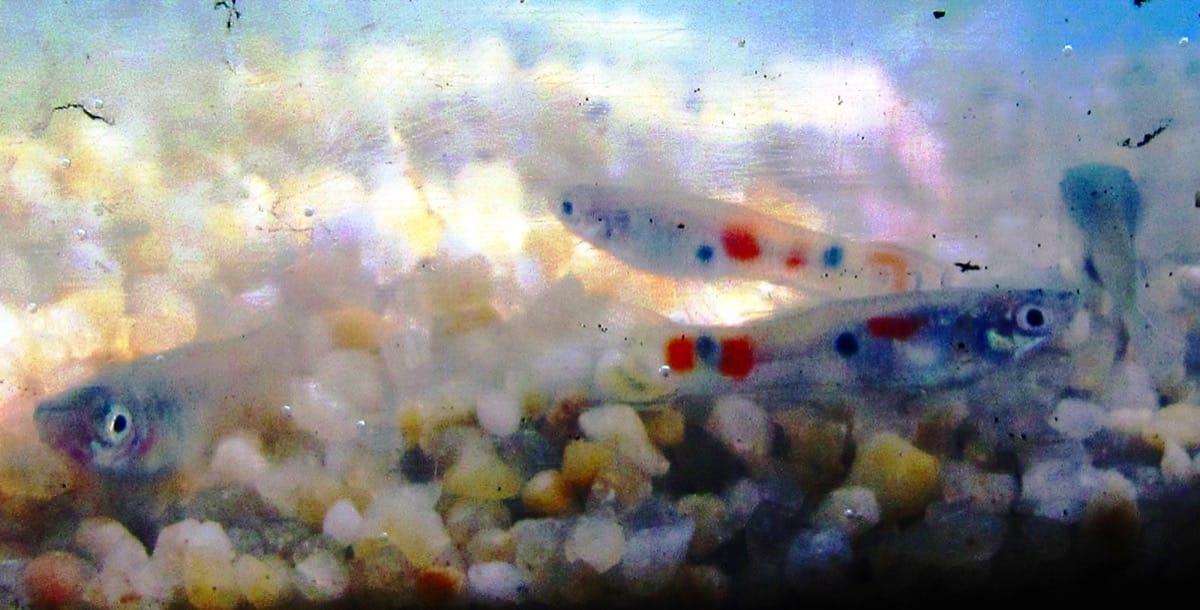
- 22-26 C
- pH 7.0-8.5
- 60 L+; 60 x 30 cm base
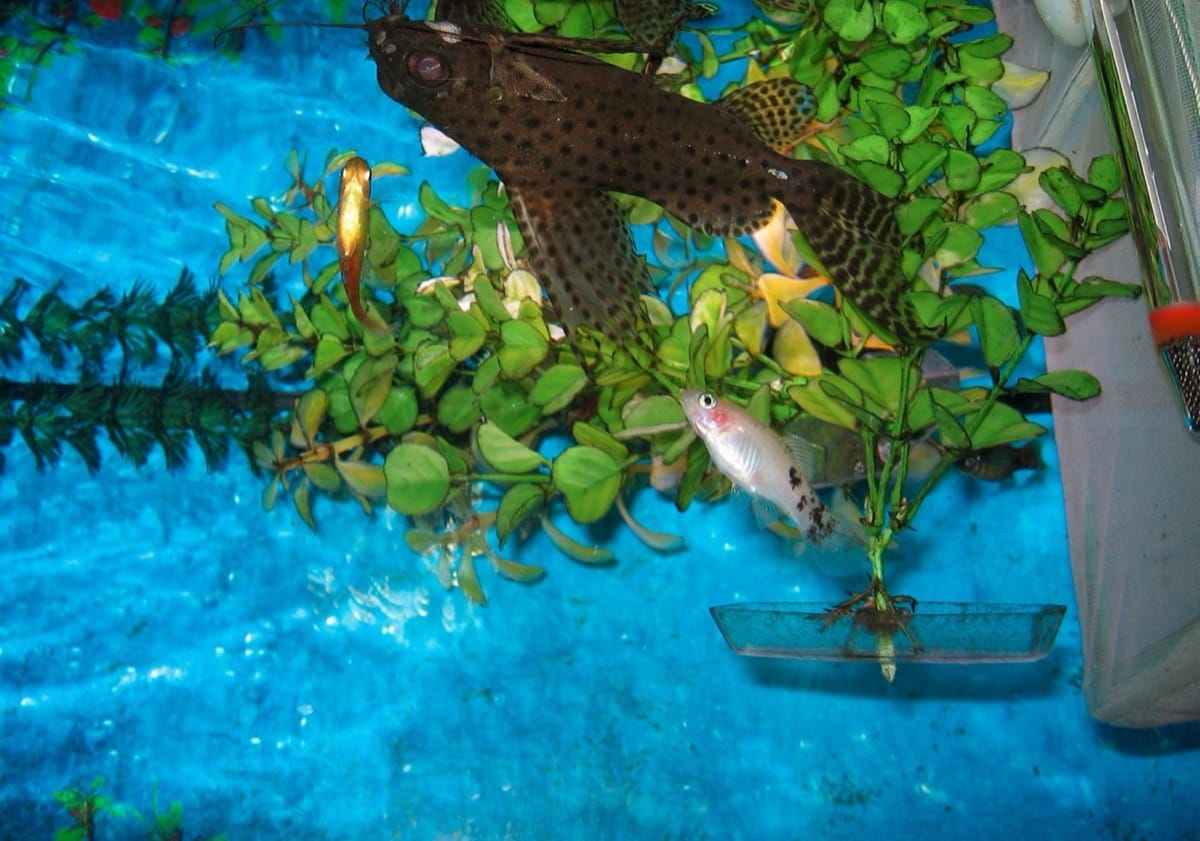
- 20–26°C
- pH 7–8.2
- 50 L+
- 20–26°C
- pH 6–7.8
- 60 L+