How to Breed Guppies (and Control the Fry)
Guppies are the easiest fish to breed — they do it themselves. What takes care is raising the fry and stopping the tank from being overrun.
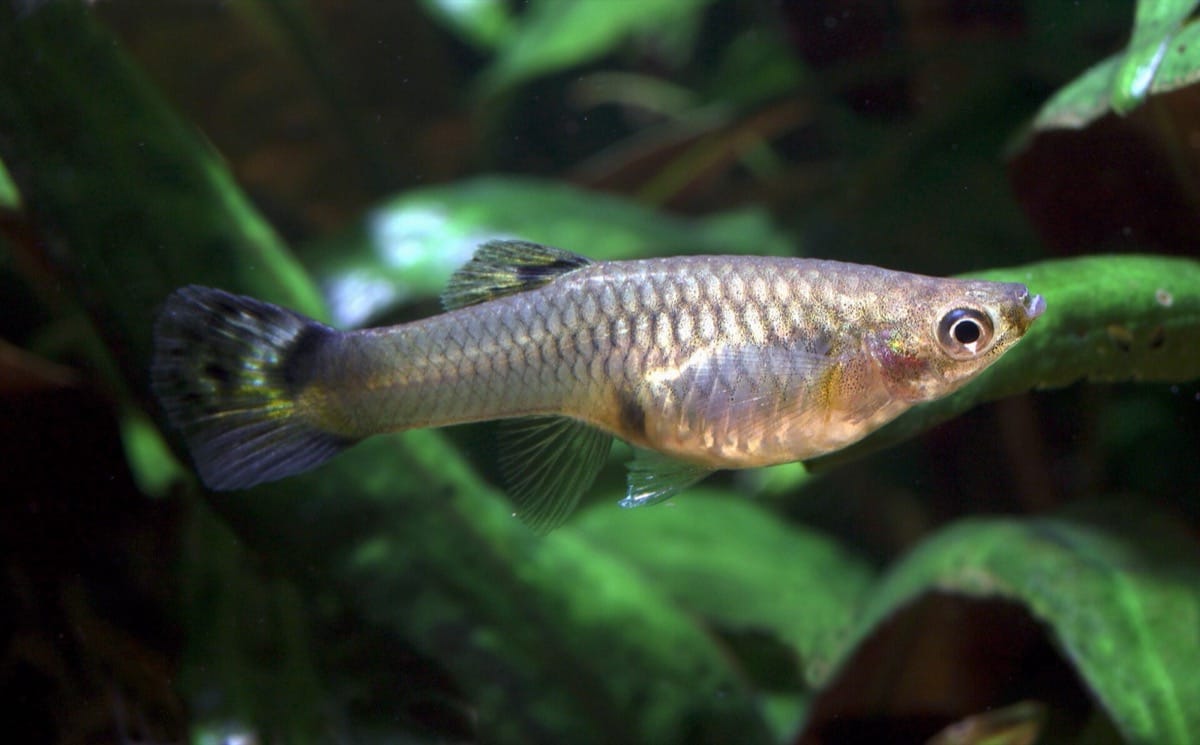
Guppies are livebearers: the female gives birth to free-swimming fry rather than laying eggs, and in a mixed group she is almost always pregnant. Breeding them is less about "how" and more about managing the results.
The basics
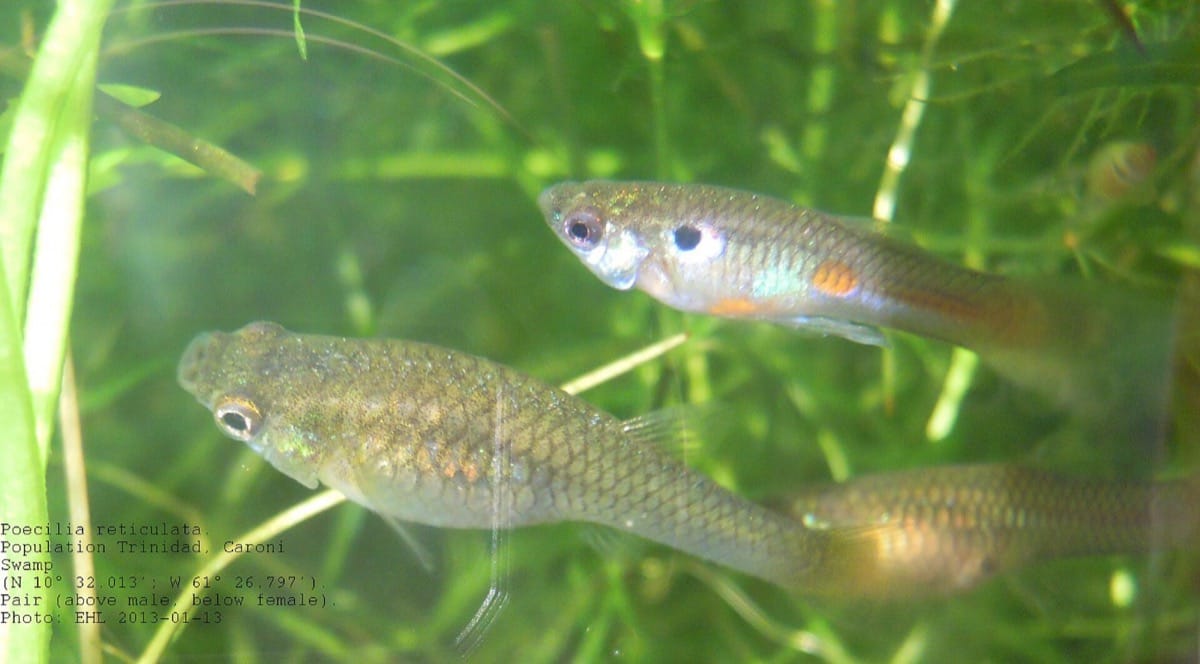
- Keep 2–3 females per male so no single female is chased to exhaustion.
- Provide cover — plants and moss give fry somewhere to hide from hungry adults.
- Feed well — a varied diet keeps females in condition and improves the fry.
- Keep water stable and warm, in the mid-20s.
Raising the fry
- Fry can be left in the tank if there is plenty of cover, or moved to a separate grow-out tank.
- Feed tiny foods — crushed flake, micro-powder or baby brineshrimp — several times a day.
- Keep the water clean; fry are sensitive to waste.
- Separate the sexes as they grow, or you will soon have more guppies than you can house.
Managing the numbers
Two guppies become dozens quickly. Decide early what to do with the extras: keep a few, share them, or keep only females to slow the population. Overstocking from uncontrolled breeding is one of the most common causes of water problems in guppy tanks.
Setting up for breeding
You do not need a special tank to get guppies breeding — in a mixed group they will breed anyway. But if you want to raise the young deliberately, a separate tank helps. A small, cycled tank with a sponge filter (which will not suck fry in), some floating plants and a gentle temperature in the mid-20s is ideal. Feed the adults well on a varied diet, keep 2–3 females per male, and the females will soon be carrying.
Because a female can store sperm and drop a brood roughly every month, plan for a steady supply of fry rather than a single event.
Raising the fry
Guppy fry are born free-swimming and ready to eat, but they are tiny and vulnerable. Feed them several small meals a day of food fine enough to fit their mouths — crushed flake, micro-powder, newly hatched brineshrimp or vinegar eels. Keep the water clean, because fry are sensitive to waste, and provide plant cover so they feel secure. Growth is fast in a warm, well-fed tank, and fry can start to show sex within a few weeks.
Controlling the numbers
Two guppies become dozens quickly, and an accidental population explosion is one of the most common reasons a beginner's tank goes wrong. Decide early what you will do. You can separate the sexes as the young mature, keep only females to avoid breeding, share or sell the surplus, or let the adults eat some of the fry by removing the cover. However you manage it, keep an eye on the total stocking and test the water — it is easy to overstock a breeding tank without noticing.
Sharing and selling
Healthy, colourful guppies are always in demand at local clubs, shops and swaps. If you are raising a line, select the brightest and strongest to continue and pass on the rest. Taking even a little care over which fish you breed keeps the line healthy and the colours bright over the generations.
Sexing the fry
Fry can be raised together at first, but as they grow the males will already start to chase, and unchecked breeding continues. The gonopodium becomes visible on males from around three to four weeks, and colour follows soon after. Once you can tell them apart, separate the sexes if you want to control numbers. This single step is what stops a small breeding project from becoming an accidental fish farm.
Keeping the tank clean
A tank full of growing fry is a tank full of waste. Feed little and often, remove any uneaten food, and change water more often than usual — perhaps twice a week while the fry are young — because their small bodies are sensitive to ammonia and nitrate. A sponge filter is ideal here, since it aerates gently and will not trap fry against an intake.
Why guppies breed so readily
Guppies are livebearers, so the female gives birth to free-swimming young and can store sperm to produce several broods from one mating. That biology is why a single pair can populate a tank quickly — and why controlling the numbers is the real work of keeping them.
How often do guppies breed?
A female can give birth roughly every month, and stores sperm, so she can have several broods from one mating.
Will adults eat the fry?
Often, yes — dense plants greatly improve fry survival.
Do I need a separate breeding tank?
Not necessarily. Many keepers let nature take its course in a planted community and simply keep the numbers in check.
Related guides
Tools for this guide
Sources and research notes
Breeding behaviour reflects the biology of Poecilia reticulata as a livebearer; the challenge is population control, not spawning.
Written and edited by the Tankwise Editorial. Every guide answers one real fishkeeping question, is checked against the sources listed above, and is updated when guidance changes. We are an independent editorial desk, not veterinary or aquarium professionals — read how we research and update our guides.
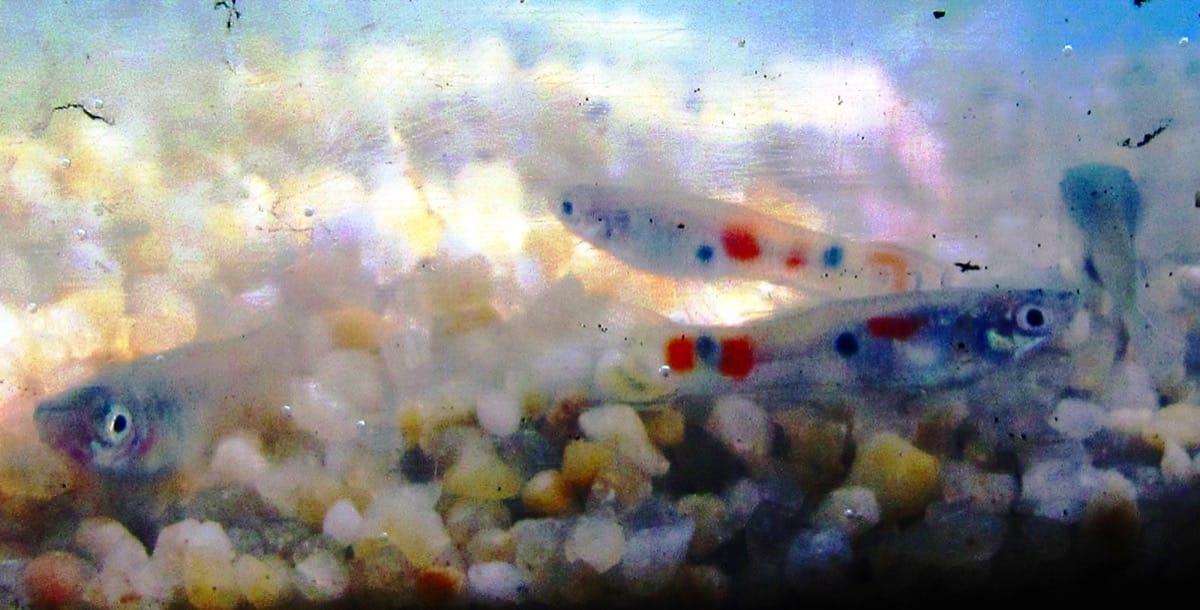
- 22-26 C
- pH 7.0-8.5
- 60 L+; 60 x 30 cm base
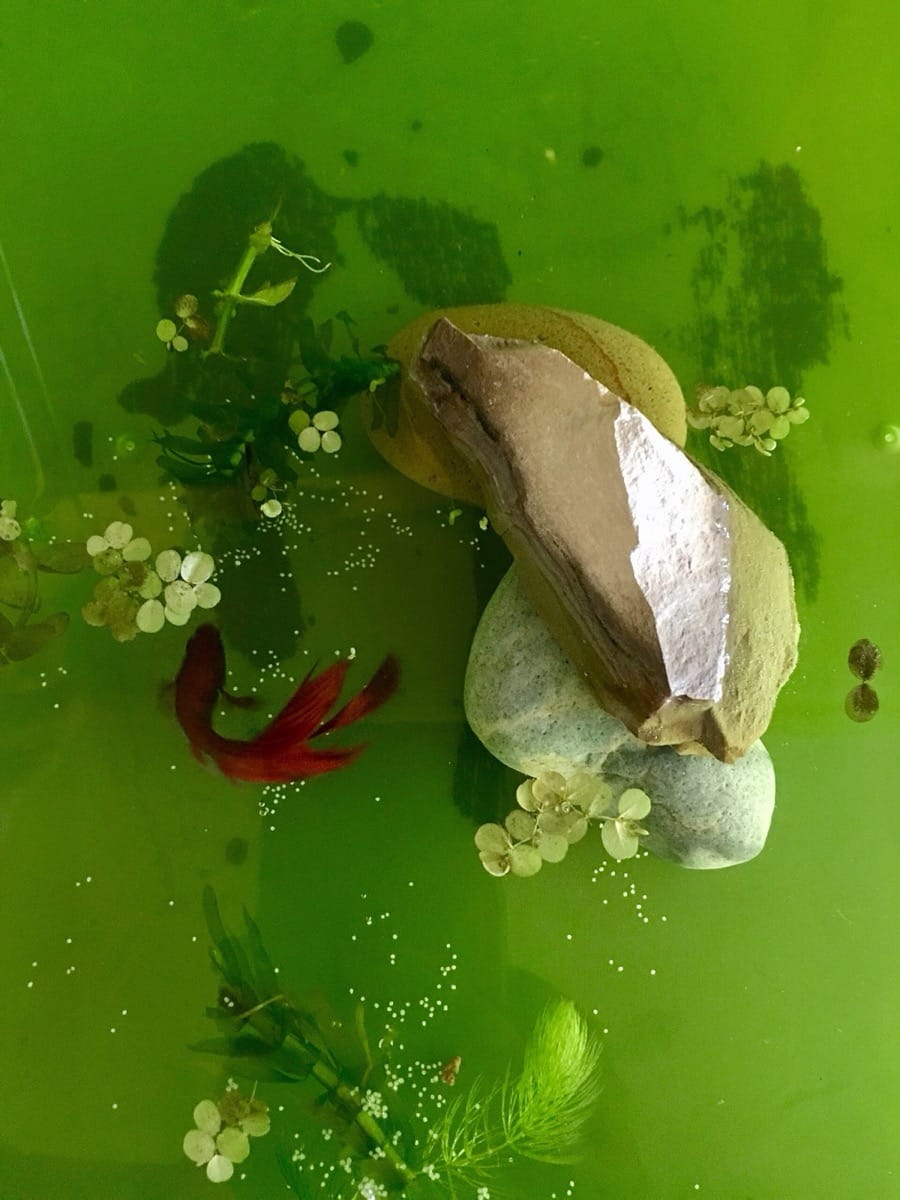
- 24-26 C
- pH 6.5-7.5
- 40 L+; 45 x 30 cm base
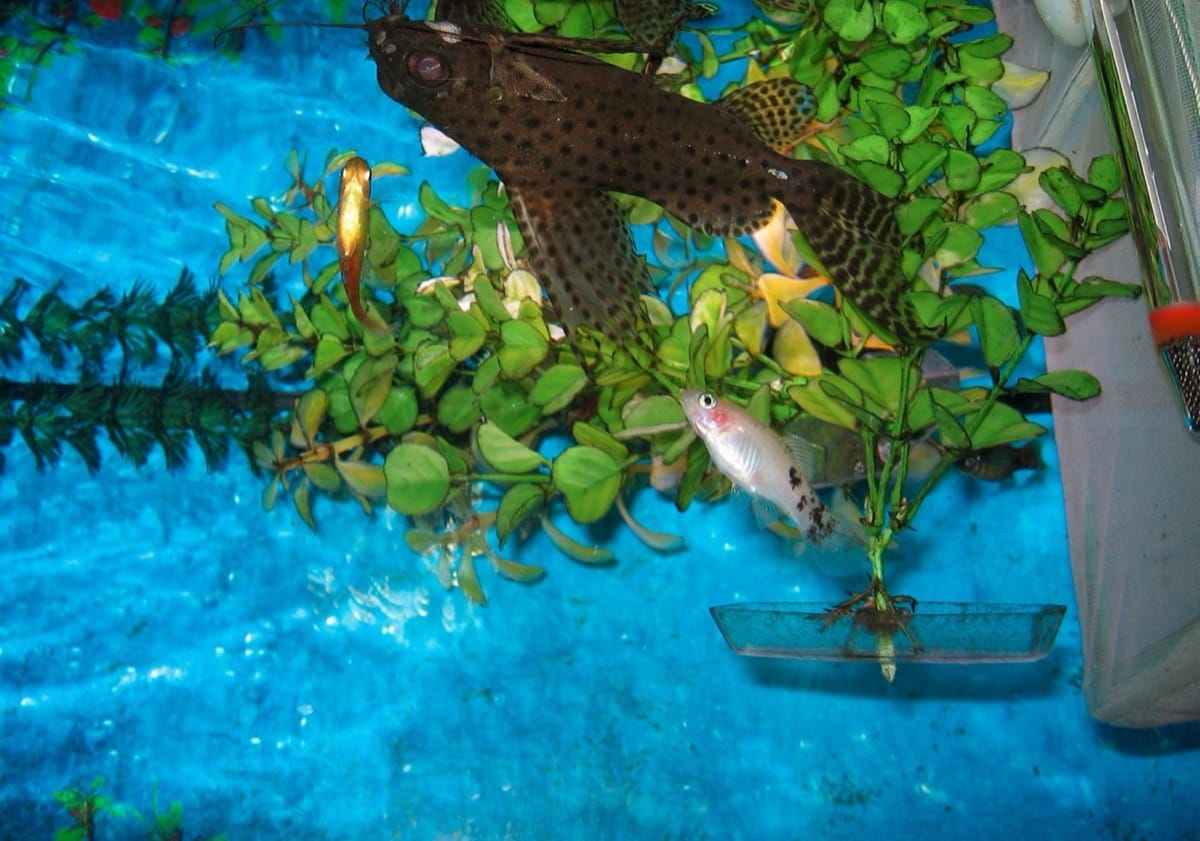
- 20–26°C
- pH 7–8.2
- 50 L+
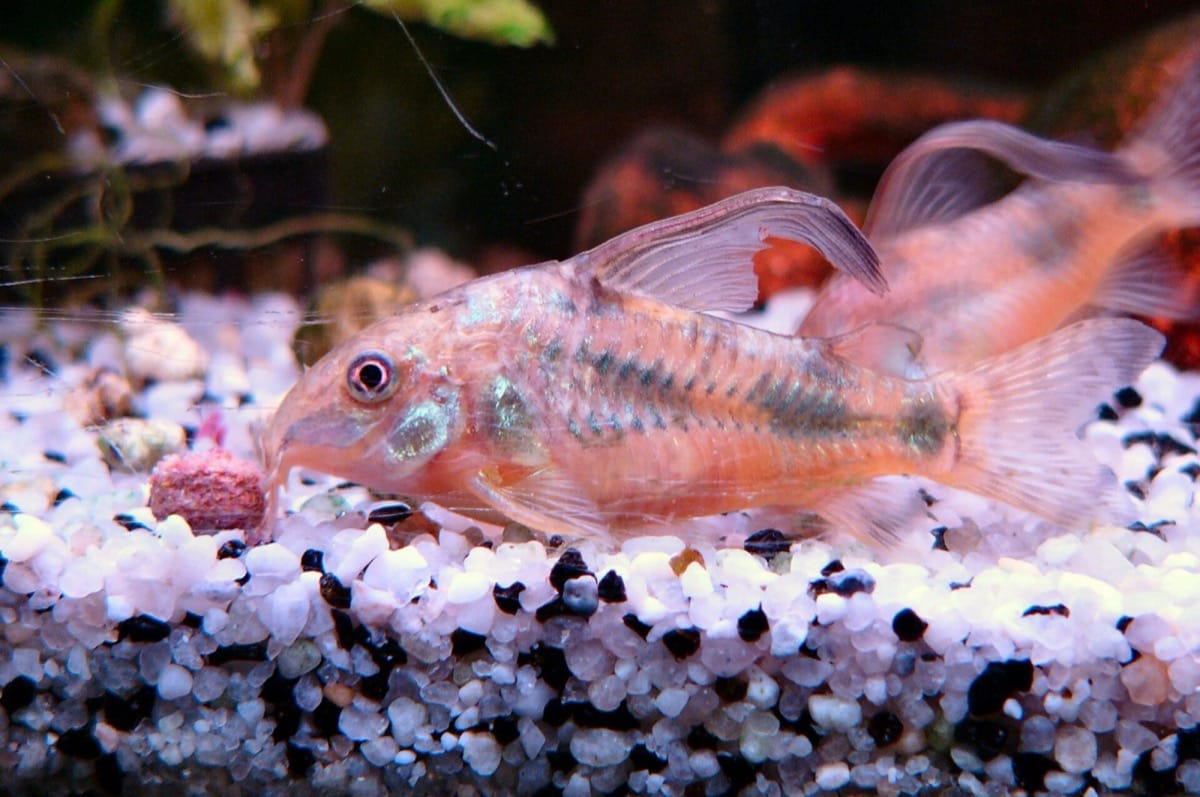
- 20–26°C
- pH 6–7.8
- 60 L+