How to Set Up a Nano Aquarium
A nano tank — under about 40 litres — is small, beautiful and unforgiving. Set it up with the right equipment and stocking and it thrives.
A nano aquarium is any tank much under 40 litres. They are lovely on a desk or shelf, but small water swings fast, so the equipment and stocking choices matter more than in a big tank.
The right equipment
- A small but efficient filter — a sponge filter or a gentle internal filter. Never skip filtration because the tank is small.
- A reliable heater sized for the volume, with a separate thermometer.
- Simple light on a timer — 6–8 hours, or less if you see algae.
- Easy plants like anubias, java fern and moss.
Stocking a nano tank
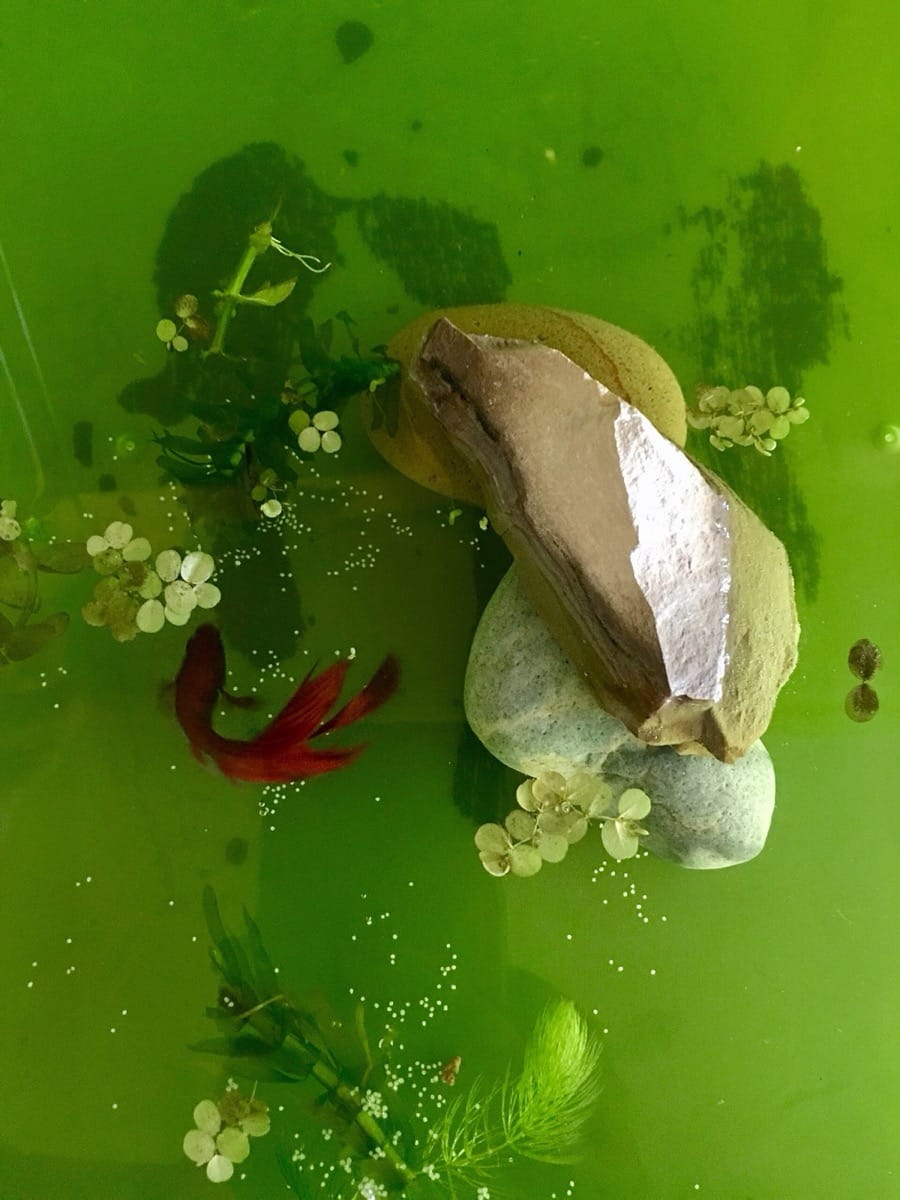
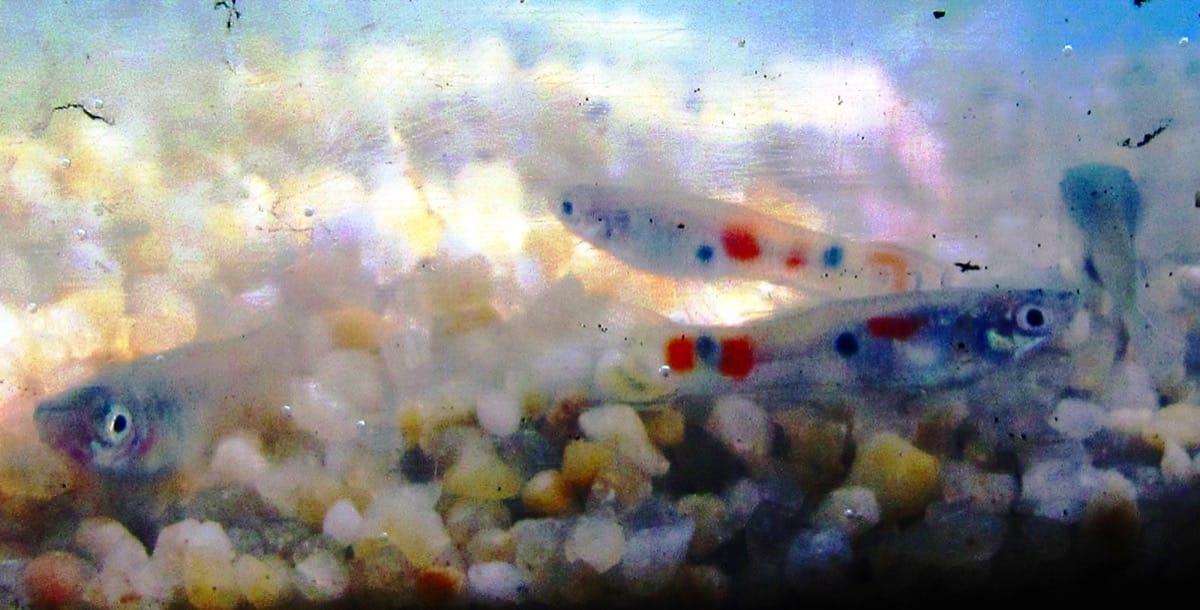
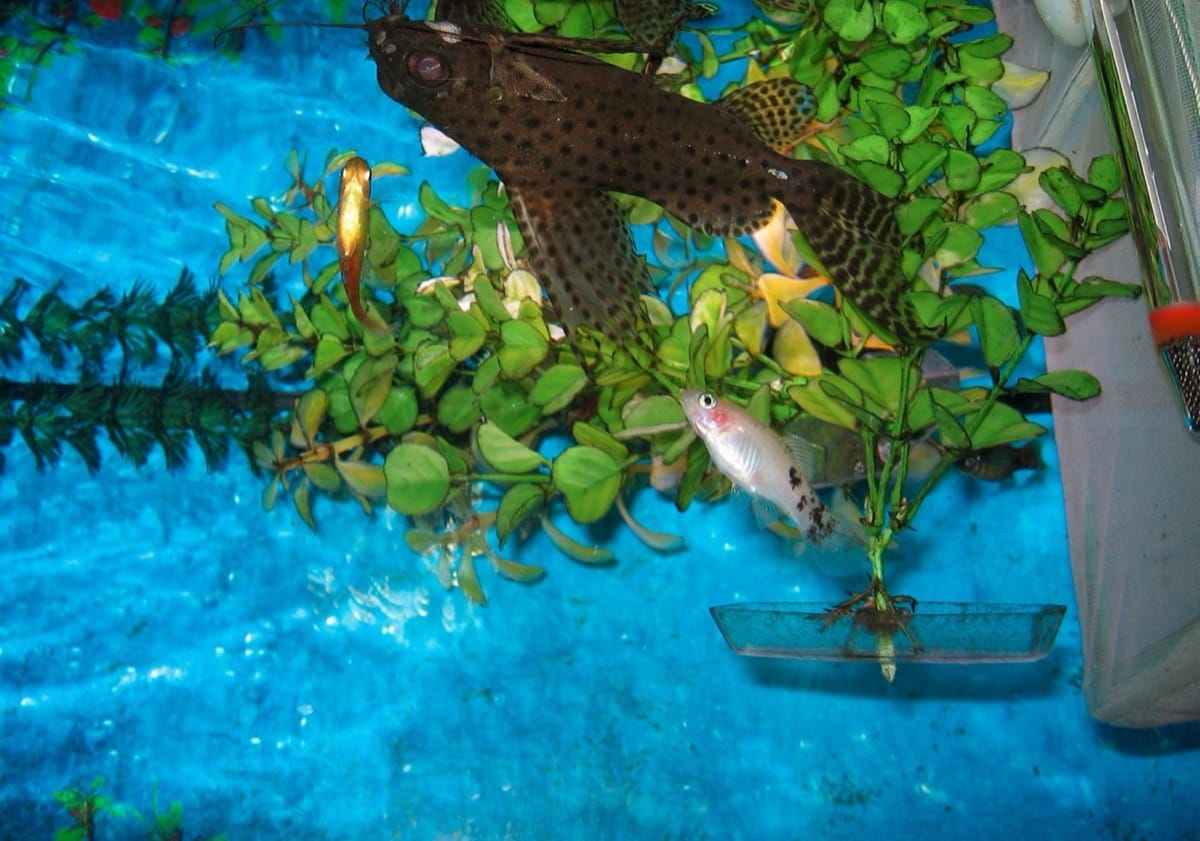
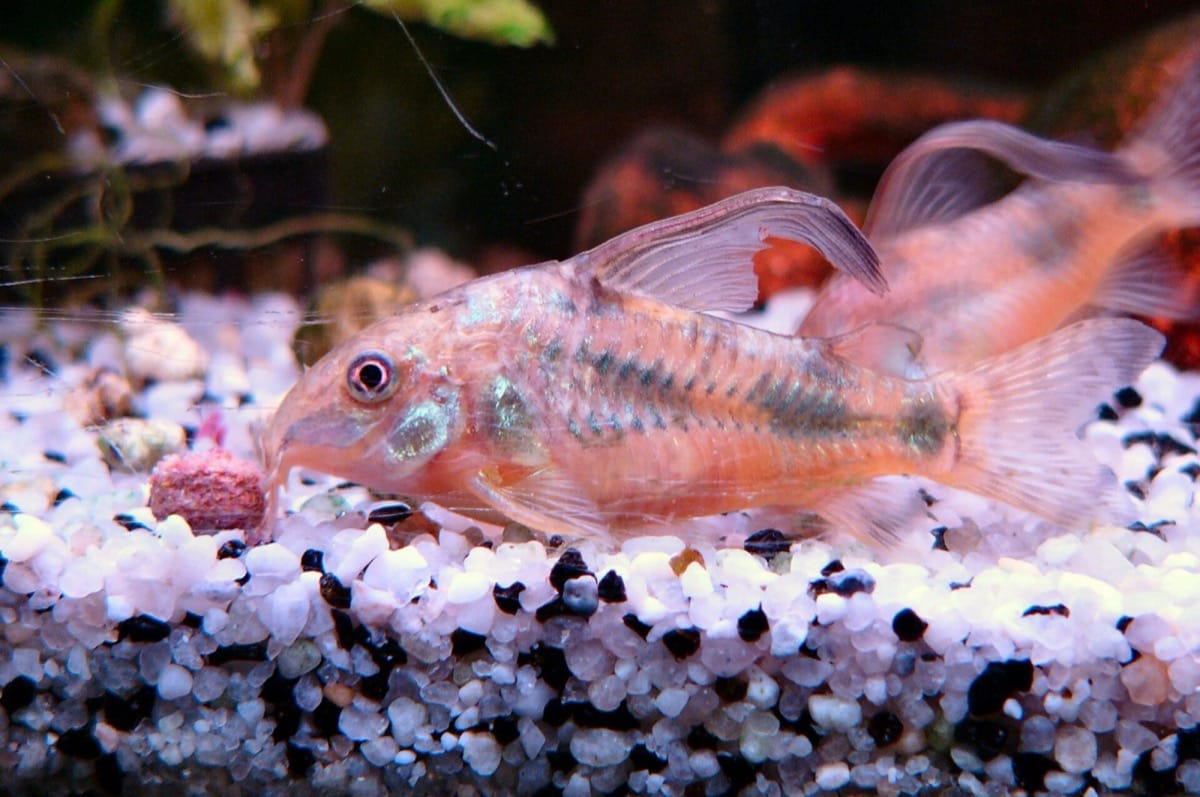
Keep it to one small species: a betta, a group of six micro-fish, a pair of small shrimp, or a single small cory group. Avoid mixing many species, and rule out anything that grows large or needs length. Use the stocking calculator as a rough check only.
Keeping it stable
- Cycle it fully before adding fish — see fishless cycling.
- Test often — small volumes change quickly.
- Change 20–25% weekly, matched to temperature.
- Feed lightly — overfeeding ruins small tanks fast.
Choosing the kit
In a nano tank every piece of equipment has to earn its space. A sponge filter or small internal filter gives gentle filtration without a bulky box. A small, reliable heater with a separate thermometer keeps the temperature steady. A basic LED light on a timer grows easy plants. And a soft, dark substrate holds the plants and hides mulm. Because the volume is small, buy slightly better equipment than the cheapest option — a failing heater matters more here than in a big tank.
Cycling a nano tank
Small tanks are just as toxic as large ones when uncycled, and they swing faster. Run the filter with an ammonia source for two to six weeks until ammonia and nitrite read zero, exactly as you would for a bigger tank. A squeeze of mature filter media from an established tank seeds the bacteria and shortens the wait considerably. Do not add fish until the cycle has finished — patience here prevents almost every beginner disaster.
Stocking a nano tank
Keep it to one small species: a betta, a group of micro-fish, or a shrimp colony. Nano tanks reward restraint. Add the fish slowly, feed lightly, and resist the urge to add "just one more". A lightly stocked nano is stable and lovely; an overstocked one becomes a daily chore and a constant source of water problems.
A simple maintenance routine
Change 20–25% weekly with water matched to temperature, vacuum a section of substrate, and test the water now and then. Trim fast-growing plants so they do not shade everything else. Keep the filter running and rinse its media only in old tank water. Because the tank is small, no single job takes long — but skipping a week shows up quickly, so consistency is the whole secret.
Where to put it
A nano tank is small enough that its surroundings matter a lot. Direct sunlight overheats a tiny volume and drives algae, so keep it out of a sunny window. Radiators, draughts and air-conditioning swing the temperature of a small tank faster than a large one. Give it a stable, level surface rated for the weight — even a 40-litre nano weighs tens of kilograms full — and leave space around it for cleaning and reaching in.
Plants in a nano tank
Plants are even more valuable in a small tank, because they use the waste that would otherwise build up quickly in a tiny volume. Easy, slow-growing choices like anubias, java fern and moss suit low light and need no CO2, and a few floating plants help use nutrients fast. Avoid large, fast-growing plants that would swamp the space; in a nano, small and few is better than big and crowded.
Adding the first fish
Once the tank is cycled, add a small first group and give it a fortnight before adding anything else. Test the water after each addition and feed lightly. Going slowly matters even more in a nano than a big tank, because there is less water to absorb a mistake.
Are nano tanks good for beginners?
They are fine if stocked lightly and tested often, but larger tanks are more forgiving of mistakes.
Can I keep a betta in a nano tank?
Yes — a 20 L+ planted nano is a good home for one betta.
Why does my nano tank go cloudy?
Small volumes show bacterial blooms and waste spikes quickly. Cut feeding and test — see the cloudy water guide.
Related guides
Tools for this guide
Sources and research notes
Nano-tank guidance follows standard fishkeeping practice for small volumes; stability and light stocking are the keys to success.
Written and edited by the Tankwise Editorial. Every guide answers one real fishkeeping question, is checked against the sources listed above, and is updated when guidance changes. We are an independent editorial desk, not veterinary or aquarium professionals — read how we research and update our guides.
- 24-26 C
- pH 6.5-7.5
- 40 L+; 45 x 30 cm base
- 22-26 C
- pH 7.0-8.5
- 60 L+; 60 x 30 cm base
- 20–26°C
- pH 7–8.2
- 50 L+
- 20–26°C
- pH 6–7.8
- 60 L+