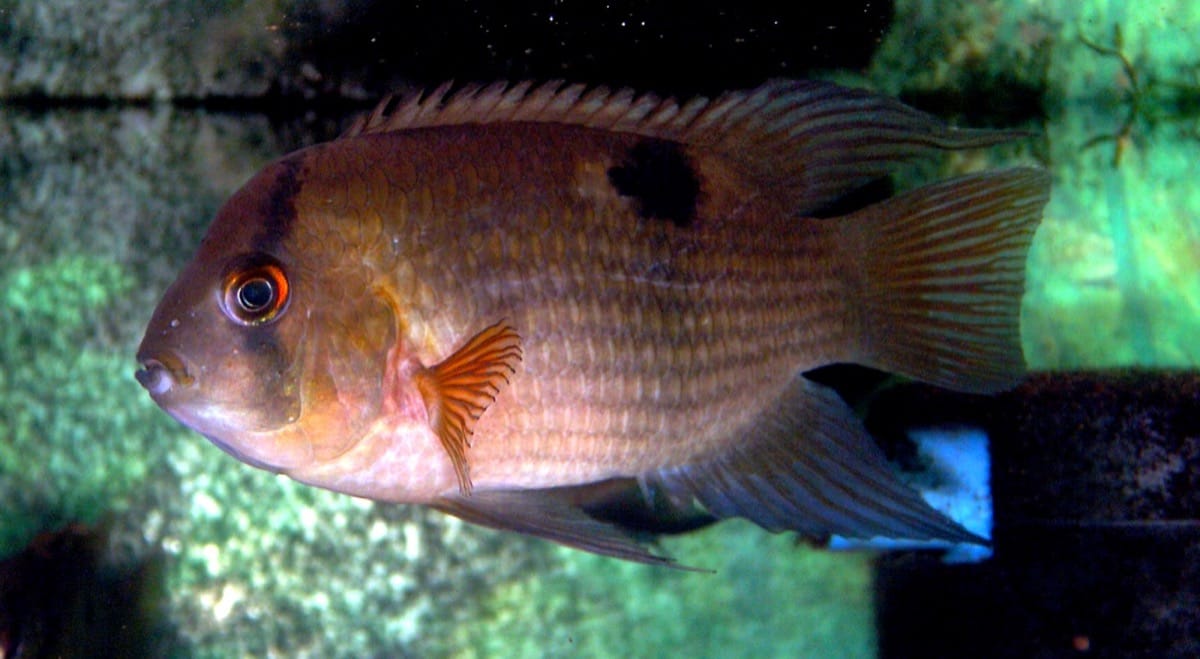
A peaceful cichlid is still a cichlid with requirements. The keyhole cichlid suits a calm, mature aquarium, and the decision that most often goes wrong is reading "peaceful" as "easy anywhere": it is shy, sensitive to deteriorating water and must never go into a newly set-up tank.
- Temperature21-28 C
- pH4.0-7.5
- Tank planningAt least 90 x 30 cm base (about 80 L) for one
- DifficultyIntermediate
| Maturity | Never stock a newly set-up tank; this species needs established, stable water |
|---|---|
| Cover | Wood, leaf litter or pots it can disappear behind when alarmed |
| Feeding | A slow bottom-picker: confirm it actually eats in any shared tank |
Care parameters and their limits
- Temperature: 21-28 C
- Seriously Fish captive husbandry range; FishBase records a tropical 22-25 C environment. A care range, not a treatment target or a reason to swing between limits. Seriously Fish: Cleithracara maroniiFishBase: Cleithracara maronii summary
- pH: 4.0-7.5
- Seriously Fish captive range, which reaches into natural blackwater acidity; FishBase lists an environmental range of 6.0-8.0. Most trade fish are commercially farmed, so near-neutral supplier water is acceptable and blackwater chemistry is not required. Seriously Fish: Cleithracara maroniiFishBase: Cleithracara maronii summary
- General hardness: 2-15 dGH
- Seriously Fish captive range; FishBase lists dH up to 20 in the wild. The narrower husbandry range is used here. Seriously Fish: Cleithracara maroniiFishBase: Cleithracara maronii summary
- Adult size: Up to 11 cm standard length
- Published maximum of 110 mm SL from Seriously Fish; FishBase cites a smaller 7.1 cm SL record. A maximum excluding the tail fin, not a mean adult size. Seriously Fish: Cleithracara maroniiFishBase: Cleithracara maronii summary
- Tank planning: At least 90 x 30 cm base (about 80 L); editorial starting plan for one
- Seriously Fish aquarium dimension of 90 x 30 cm, with its filter sizing based on roughly 81 L. Framed here as a conservative starting plan for one fish, not a measured biological minimum or a community stocking allowance. Seriously Fish: Cleithracara maronii
- Lifespan: No universal captive lifespan stated
- Neither consulted source establishes a reliable captive survival interval, and no figure is borrowed from another cichlid species or from retail anecdotes. Seriously Fish: Cleithracara maroniiFishBase: Cleithracara maronii summary
- Diet: Omnivore; quality dried staple plus live or frozen supplements
- Seriously Fish describes a foraging omnivore that accepts most prepared foods but needs a varied diet of quality dried products plus live or frozen bloodworm, Artemia and Daphnia; FishBase records wild prey of worms, crustaceans and insects. Seriously Fish: Cleithracara maroniiFishBase: Cleithracara maronii summary
- Social planning: One or an established pair; not a shoaling fish
- Seriously Fish rates the species "best in a pair": juveniles are gregarious, but maturing fish form monogamous pairs that each claim a breeding territory a couple of feet across. Groups are a way to raise a pair, not a permanent arrangement. Seriously Fish: Cleithracara maronii
Settle the tank before this cichlid goes in
Cleithracara maronii comes from slow, shaded blackwater streams, but the trade fish are mostly commercially farmed and adapt to ordinary near-neutral water. The requirement that survives translation into a home aquarium is stability. Seriously Fish states it should never be introduced to a biologically immature aquarium and is susceptible to deteriorating water quality; where maintenance or diet falls short, individuals can develop head and lateral line erosion or stunted growth. Cycle and settle the tank first — our guide to cycling a tank covers what "mature" means — and keep conditions steady rather than chasing the acidic extremes of its habitat. Hold a regular partial water-change routine with conditioned replacement water matched to the tank — deteriorating water is where this species fails first.
Keep the published 21-28 C, pH 4.0-7.5 and 2-15 dGH ranges as compatible-care boundaries, not targets to bounce between. Avoid high flow: position filter returns so the fish has calm areas. For structure, wood roots, branches, leaf litter and flowerpot-style caves all work; this species rarely digs, so a planted layout is safe, and a flat stone or broad leaf may later serve as a spawning site. Regular water testing matters more with this fish than an elaborate aquascape.
Peaceful means it loses the arguments
A gentle temperament is a liability in the wrong company. The species account warns this cichlid is naturally shy: when it detects danger it darkens noticeably and takes cover among plants, wood or leaf litter. Boisterous, aggressive or strongly territorial fish — and species needing harder water — are the ones to avoid, because a fish that spends its days hidden is also a fish that may not be feeding.
Useful company is the opposite: small, calm schooling fish of similar water needs act as a visible all-clear cue that encourages it out into the open. A small group of a species such as the neon tetra is a classic example to research; check adult size, water range and feeding speed for any candidate rather than trusting a "community" label.
Juveniles are gregarious, but adults form monogamous pairs and each pair claims a territory a couple of feet across when breeding, laying eggs on a flat stone, wood, a broad leaf or the glass. Do not buy a group of youngsters for a modest tank assuming they will stay a peaceful crowd: be ready to separate pairs as they form, and decide in advance what happens to eggs or fry if a pair spawns in a community.
Feed the slow picker, not the fastest mouth
This is an unfussy but deliberate feeder that picks food carefully rather than snatching it. Seriously Fish recommends quality dried foods as the staple, varied with live or frozen bloodworm, brine shrimp and daphnia for condition; FishBase records worms, crustaceans and insects as natural prey. Offer some food that sinks or reaches the lower water where it feeds.
Follow the food's directions, watch what the keyhole cichlid itself swallows, and remove what is left. In a shared tank, food disappearing quickly may mean faster fish ate all of it; if so, change where food is delivered or reconsider the companions rather than simply increasing the ration. A sustained drop in intake is information to investigate, not a cue to pile in extra meals.
Dark colour, head marks and a shrinking fish are clues, not diagnoses
Three signals deserve attention in this species. First, persistent darkening with constant hiding: brief darkening when startled is normal threat behaviour, but a fish that lives dark and hidden points to bullying, flow or water problems worth checking. Second, pits or eroded areas around the head and lateral line, or visibly stunted growth: Seriously Fish links these to insufficient maintenance or diet, so review water-change history and feeding before anything else. Third, steady weight loss or fading interest in food in a slow bottom feeder, which can be masked by faster companions eating first.
A symptom is not a diagnosis. None of these signs proves a specific disease, and none is a reason to reach for a medicine. Record recent water tests, temperature, diet, new livestock and any products already used; our fish-loss investigation guide and water-testing guide cover that groundwork. Ask an aquatic veterinarian or qualified fish-health professional to assess progressing lesions, ongoing weight loss or repeated deaths. Do not trial-treat with salt, heat or combined medications, and stop any improvised intervention that increases distress while professional advice is obtained.
Related species to compare
These profiles help compare care needs; appearing here does not mean the animals can share a tank.
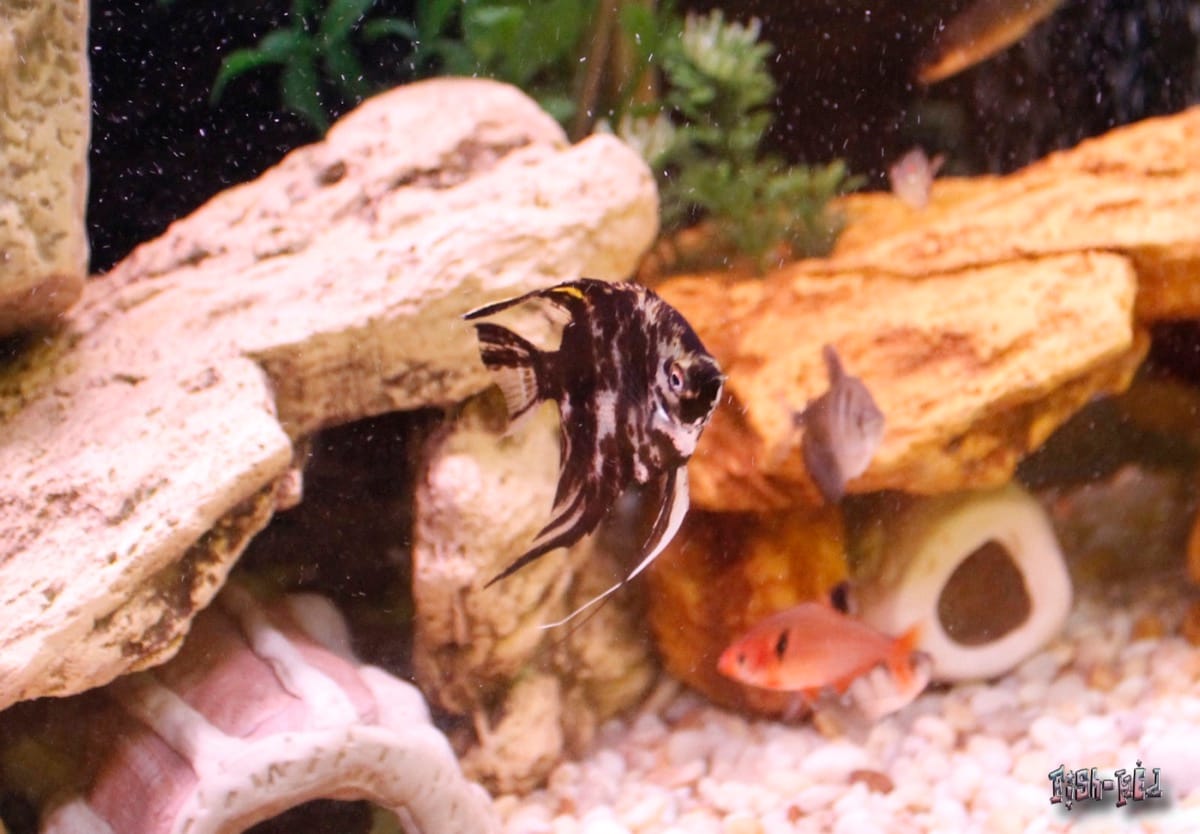
- 24-28 C
- pH 6.0-7.4
- 200 L+ nominal; 100 x 40 x 50 cm; conditional pair-only plan
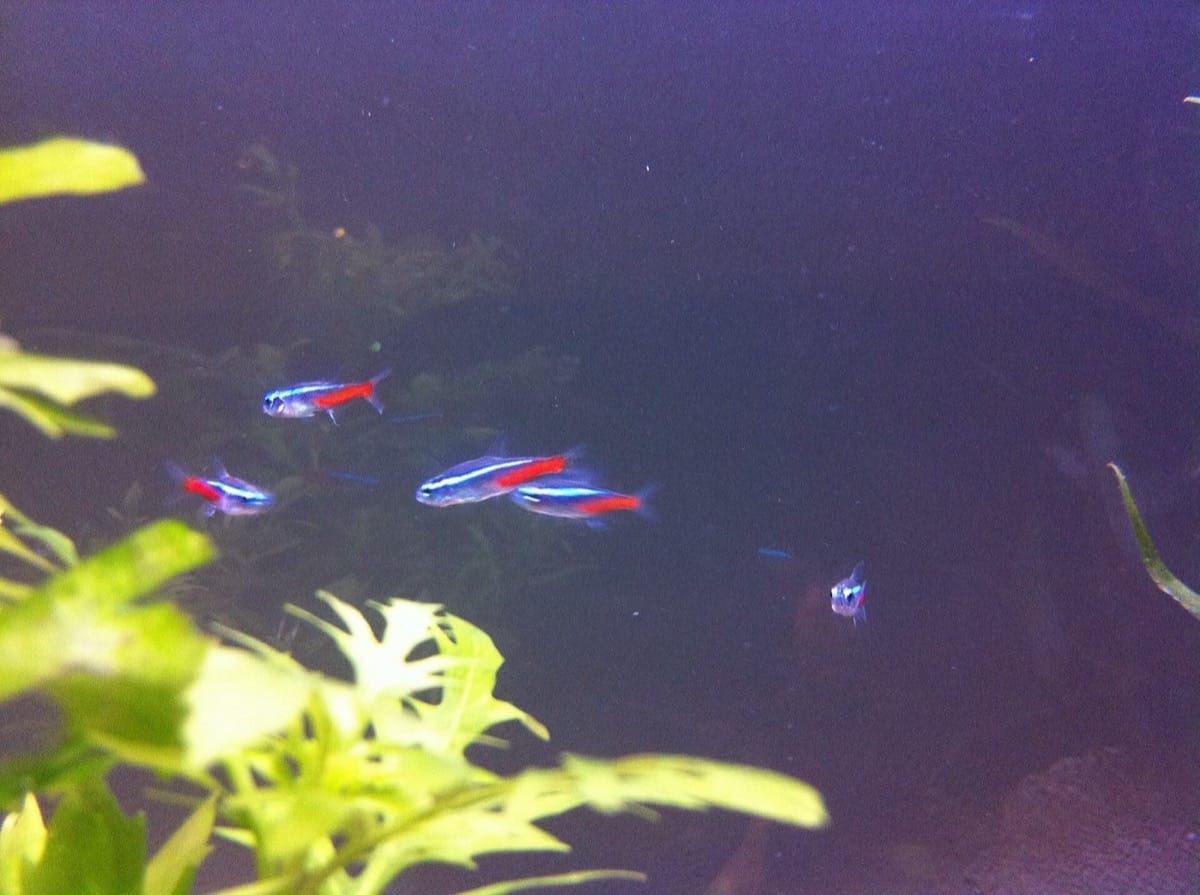
- 21-25 C
- pH 6.0-7.5
- 60 L+; 60 x 30 cm base
Care guides
New to the words? See the aquarium glossary.
Sources and research notes
Captive water ranges are care guidance, not targets to cycle through. The smaller FishBase length record is noted but the larger published Seriously Fish maximum is used. Farmed trade stock does not require blackwater chemistry. No captive lifespan figure is asserted because neither source supports one.
Content reviewed 2026-10-30. Tankwise Editorial provides husbandry information, not veterinary diagnosis.
- Seriously Fish: Cleithracara maronii
Identity, 110 mm SL maximum, captive water ranges, 90 x 30 cm aquarium dimension, immature-tank warning, flow and cover guidance, head and lateral line erosion risk, diet, shy behaviour, pair formation and breeding territory. Secondary specialist synthesis with references and commercial links. Tank dimensions and water ranges are husbandry guidance, not experimentally established thresholds; no captive lifespan data is offered. Accessed 2026-10-30.
- FishBase: Cleithracara maronii summary
Distribution, environmental pH 6.0-8.0 and dH to 20, tropical 22-25 C record, wild diet of worms, crustaceans and insects, substrate spawning with biparental care, IUCN Least Concern citation and highly commercial aquarium use. Aggregated species database citing primary literature; its cited 7.1 cm SL maximum is a single published record, and environmental ranges describe wild habitat rather than captive requirements. Accessed 2026-10-30.