Quarantine Tank Basics: Why Every Keeper Needs One
A quarantine tank stops new fish from bringing disease into your display. Here is how to set one up and use it — the cheapest insurance in the hobby.
Quarantine means keeping new fish separate for a few weeks before adding them to your main tank. It sounds fussy, but it is one of the most effective ways to avoid wiping out a settled aquarium with a disease carried in by one new arrival.
What a quarantine tank is
A quarantine tank is a small, bare, filtered tank kept ready for new or unwell fish. It does not need to be pretty — no substrate, minimal décor, just a filter, a heater and somewhere for the fish to feel secure. Its purpose is observation and, if needed, treatment, without exposing your main tank.
Why it matters
- Disease. Many illnesses show up only after a week or two. Quarantine lets them appear before the fish mix.
- Stress. New fish are stressed from transport and adapt better in a quiet tank.
- Treatment. Treating one small tank is cheaper and easier than treating a whole aquarium.
Setting one up
- Use a small tank — even 20–40 litres suits most arrivals.
- Keep it bare. No substrate makes cleaning and observation easy.
- Run a cycled filter. Keep spare media in your main filter so you can seed the quarantine tank instantly when needed.
- Add a heater and hide. Match the temperature the new fish needs, and give a cave or plant pot for security.
- Observe for 2–4 weeks. Watch for spots, ragged fins, clamped behaviour or appetite loss.
After quarantine
If the fish stay healthy through the observation period, move them to the main tank. If a problem appears, treat it in the quarantine tank and only move the fish on once they have recovered. Never share nets or equipment between the quarantine tank and the main tank without disinfecting — that is how disease spreads.
Why quarantine
New fish often carry ich, flukes, worms or bacterial infections without showing signs yet, and stress in transit makes an outbreak likely. Put them straight into your main tank and one sick fish can infect everything, forcing you to treat the whole display — expensive, stressful and sometimes impossible with plants and invertebrates present. A quarantine tank lets you observe and treat one or two fish instead of your whole collection.
A simple setup
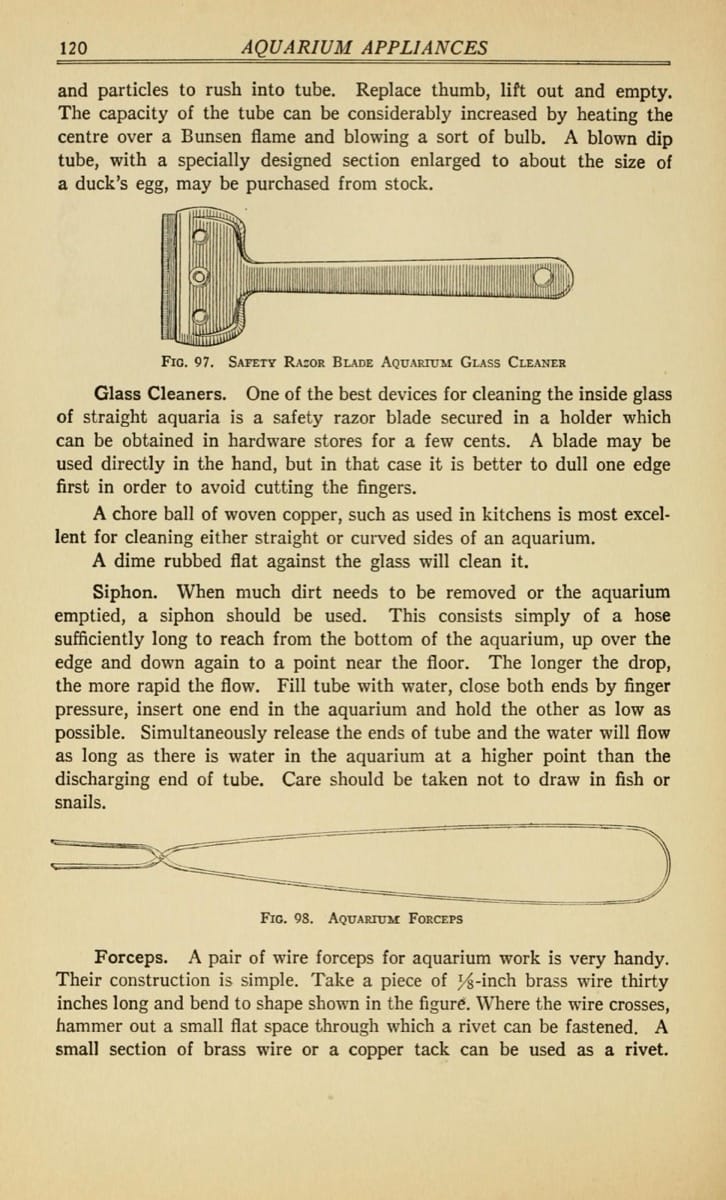
A quarantine tank does not need to be pretty. A small tank (10–20 litres), a gentle sponge filter, a heater, a thermometer and a few hiding spots are enough. No substrate or plants are needed — a bare bottom is easier to clean and lets you see waste and parasites. Keep it running, or keep a spare sponge filter cycling in your main tank so it is ready to use instantly when new fish arrive.
The process
- Acclimatise the new fish to the quarantine tank as usual.
- Observe for two to four weeks — watch for white spots, clamped fins, scratching or lethargy.
- Treat only if needed, according to the symptoms you see.
- Keep water clean with small, regular changes matched to temperature.
- Move the fish to the main tank only once it has been healthy for the full period.
Avoiding cross-contamination
Disease can travel on nets, siphons, buckets and your hands, so if possible keep separate equipment for the quarantine tank, or disinfect between uses. Do not pour quarantine water into the main tank or share a net without rinsing it. These small habits are what make quarantine actually work, because a parasite that hitches a ride defeats the whole point.
Other uses
Beyond new arrivals, a quarantine tank is invaluable as a hospital tank for injured or sick fish, a recovery tank for bullied fish or fish after a move, and a holding tank for fry or for livestock when you deep-clean the main tank. Because it is bare and simple, it is quick to set up and easy to keep sterile — which is exactly what a treatment tank should be.
"My new fish look fine"
This is the myth that costs keepers their tanks. Many diseases are invisible until the fish is stressed, and a fish can carry a problem for days without a single symptom. Quarantining every new arrival, without exception, is the single simplest way to keep disease out of a display tank. For the small cost of a second heater and filter, it protects everything you already own.
How long should I quarantine new fish?
Two to four weeks is typical. Longer gives more time for slow-developing problems to show.
Do I need a separate filter?
No — keep spare filter media in your main tank and move it to the quarantine filter when you need to set it up, so it is already cycled.
Should I treat every new fish automatically?
Opinions differ. Many keepers observe first and treat only if needed; others use a preventive course. Observation is the minimum.
Related guides
Sources and research notes
Quarantine practice follows standard fishkeeping guidance on disease prevention. This is general care advice, not veterinary advice.
Written and edited by the Tankwise Editorial. Every guide answers one real fishkeeping question, is checked against the sources listed above, and is updated when guidance changes. We are an independent editorial desk, not veterinary or aquarium professionals — read how we research and update our guides.
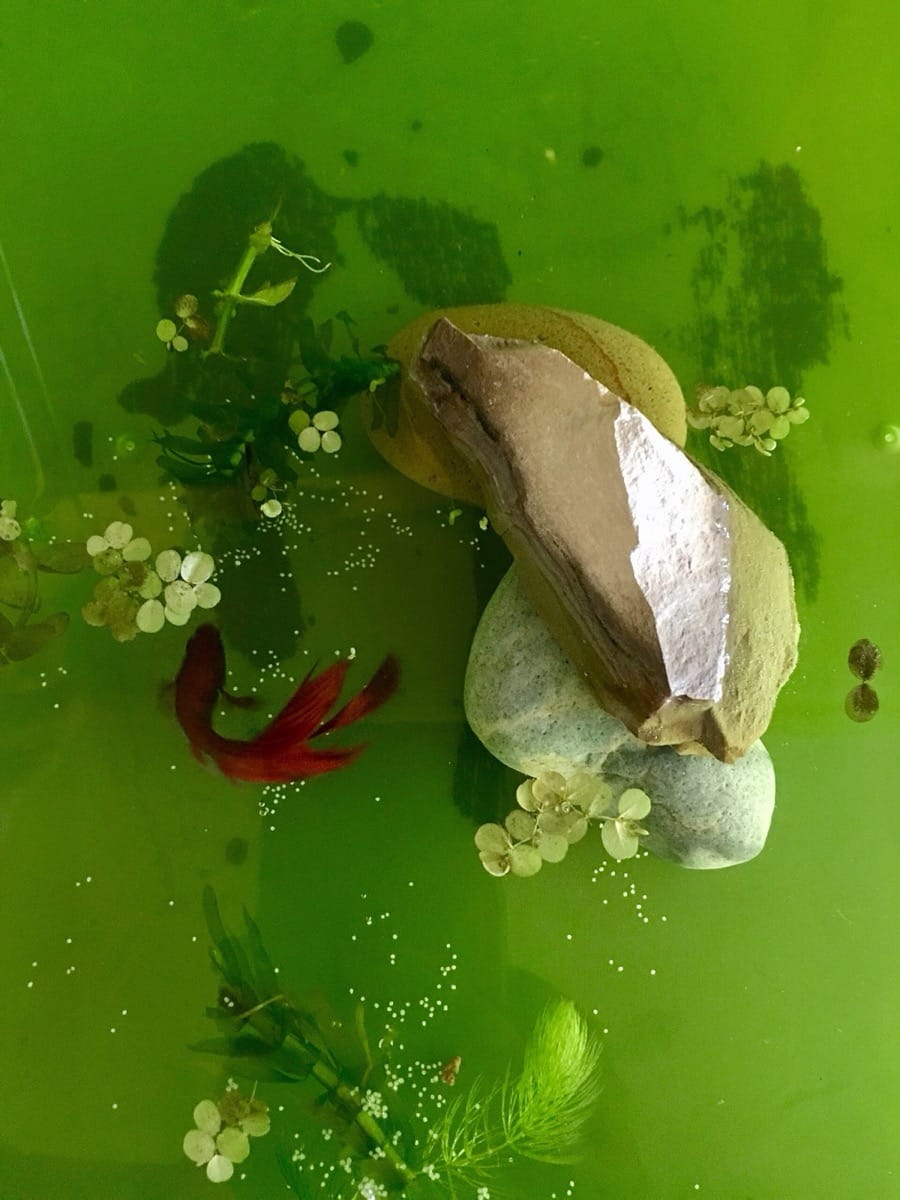
- 24-26 C
- pH 6.5-7.5
- 40 L+; 45 x 30 cm base
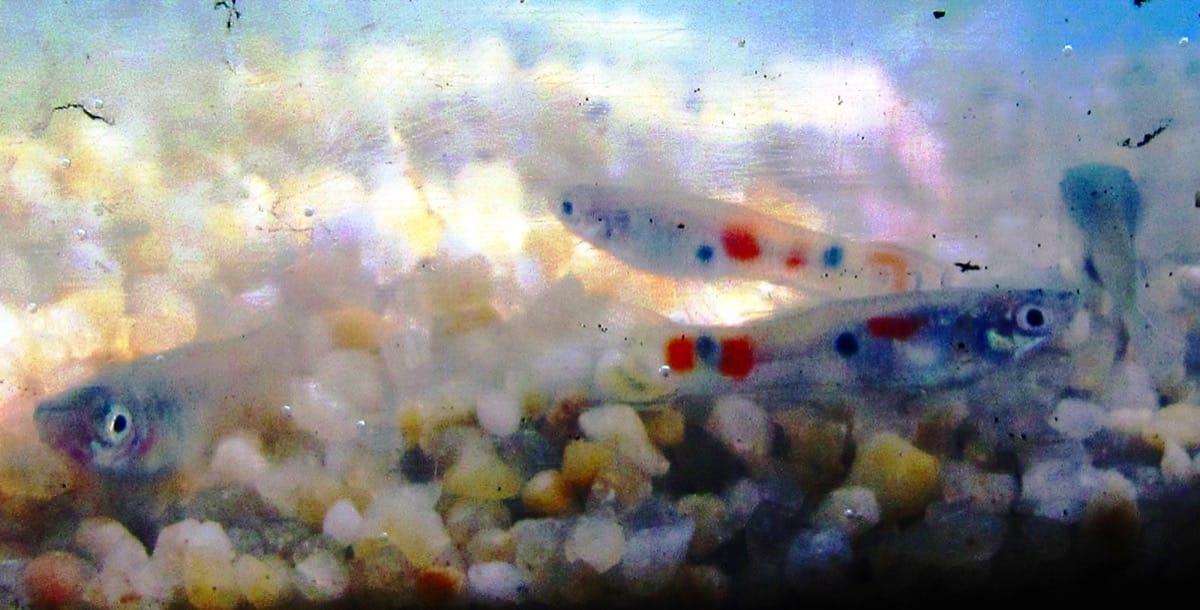
- 22-26 C
- pH 7.0-8.5
- 60 L+; 60 x 30 cm base
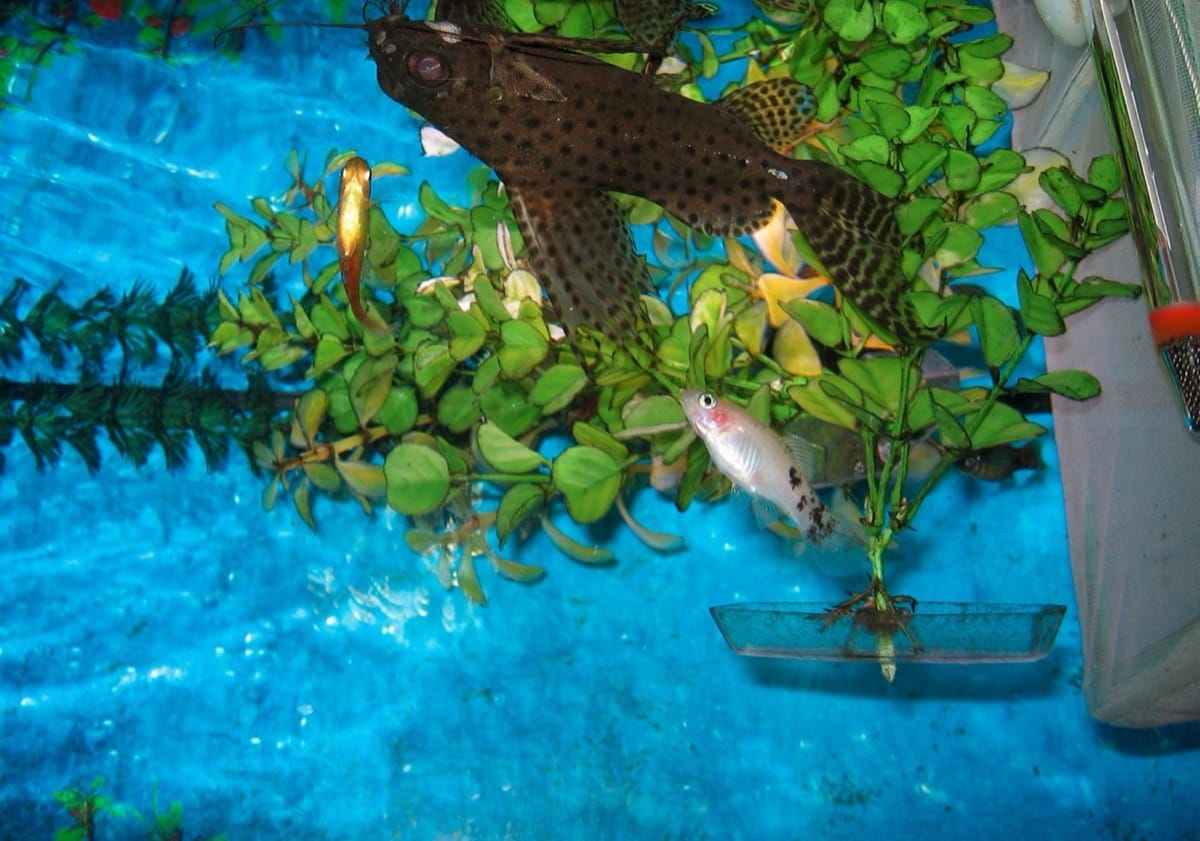
- 20–26°C
- pH 7–8.2
- 50 L+
- 20–26°C
- pH 6–7.8
- 60 L+