The Nitrogen Cycle and Cycling a Tank
The nitrogen cycle is the foundation of every healthy tank. Understand it, and most “mystery” water problems stop being mysteries for good.
Fish waste and uneaten food break down into ammonia, which is toxic. In a cycled tank, two kinds of bacteria convert it: one turns ammonia into nitrite (also toxic), and another turns nitrite into nitrate (much less harmful, removed by water changes). This chain is the nitrogen cycle, and it is the single most important thing to understand in fishkeeping.
The three stages
| Stage | What happens | Danger |
|---|---|---|
| Ammonia | Waste decays into ammonia | Toxic — burns gills |
| Nitrite | Bacteria convert ammonia to nitrite | Toxic — harms blood |
| Nitrate | Bacteria convert nitrite to nitrate | Low harm; removed by water changes |
Reading a test kit
A good kit measures all three. During cycling you will see ammonia fall, nitrite rise then fall, and nitrate climb. In a mature tank, ammonia and nitrite should stay at zero, and nitrate should be kept low by routine water changes. If ammonia or nitrite ever reads above zero, the cycle has been disturbed.
What breaks the cycle
- Over-cleaning the filter. Rinsing media under tap water kills the bacteria. Use old tank water.
- Adding too many fish at once. The bacteria cannot keep up with the new waste, and ammonia spikes.
- Medication or a long power cut. Loss of flow and oxygen can knock the colony back.
Fixing a mini-cycle
If ammonia or nitrite appears, act quickly: do a water change to dilute it, feed less, and test daily. A partial or mini-cycle usually settles in a week or two. Keep ammonia and nitrite as close to zero as you can, and avoid adding more fish until the readings are steady.
The three stages
Fish waste and uneaten food break down into ammonia, which is toxic. In a cycled tank, one group of bacteria turns ammonia into nitrite (also toxic), and another turns nitrite into nitrate (far less harmful, removed by water changes). This chain is the nitrogen cycle, and it runs continuously in every healthy aquarium.
| Stage | What happens | Danger |
|---|---|---|
| Ammonia | Waste decays into ammonia | Toxic — burns gills |
| Nitrite | Bacteria convert ammonia to nitrite | Toxic — harms blood |
| Nitrate | Bacteria convert nitrite to nitrate | Low harm; removed by water changes |
Reading a test kit
A good kit measures all three. During cycling you will see ammonia fall, nitrite rise then fall, and nitrate climb. In a mature tank, ammonia and nitrite should stay at zero, and nitrate should be kept low by routine water changes. If ammonia or nitrite ever reads above zero, the cycle has been disturbed and you should act: water change, feed less, test daily.
What breaks the cycle
- Over-cleaning the filter — rinsing media under the tap kills the bacteria.
- Adding too many fish at once — the bacteria cannot keep up with the new waste.
- Medication or a long power cut — loss of oxygen and flow knocks the colony back.
Fixing a mini-cycle
If ammonia or nitrite appears in a settled tank, you have a "mini-cycle": a partial crash of the bacteria. Act quickly — do a water change to dilute it, cut feeding, and test daily. A mini-cycle usually settles in a week or two as the bacteria recover. Keep ammonia and nitrite as close to zero as you can, and avoid adding more fish until the readings are steady again.
How long it takes
Cycling from scratch takes two to six weeks. Seeding with mature media and keeping the tank warm speeds it up; cold water and a stalled filter slow it down. Patiently cycling before adding fish is the kindest thing you can do for them — it means they never meet toxic water in the first place.
Cycle without fish if you can
The kindest way to start is a fishless cycle: run the empty tank and feed the bacteria with a small daily dose of aquarium ammonia, so no fish ever lives through the toxic stage. Test daily until ammonia and nitrite both fall to zero within a day, then do a big water change and add your first fish. If you must cycle with fish already in the tank, stock very lightly, feed sparingly, test constantly, and change water at the first hint of a reading. Either way, the goal is the same — build both colonies before the fish depend on them.
How long does cycling take?
Two to six weeks from scratch. Seeding with mature media and keeping the tank warm speeds it up.
Is nitrate harmful?
Far less than ammonia or nitrite, but sustained high nitrate is still undesirable. Weekly water changes keep it in check.
Can I cycle with fish food instead of ammonia?
Yes — a pinch of food decays into ammonia. A dedicated ammonia product gives more control.
Related guides
Tools for this guide
Sources and research notes
The nitrogen cycle is a standard biological process; its application to aquariums follows established fishkeeping guidance.
Written and edited by the Tankwise Editorial. Every guide answers one real fishkeeping question, is checked against the sources listed above, and is updated when guidance changes. We are an independent editorial desk, not veterinary or aquarium professionals — read how we research and update our guides.
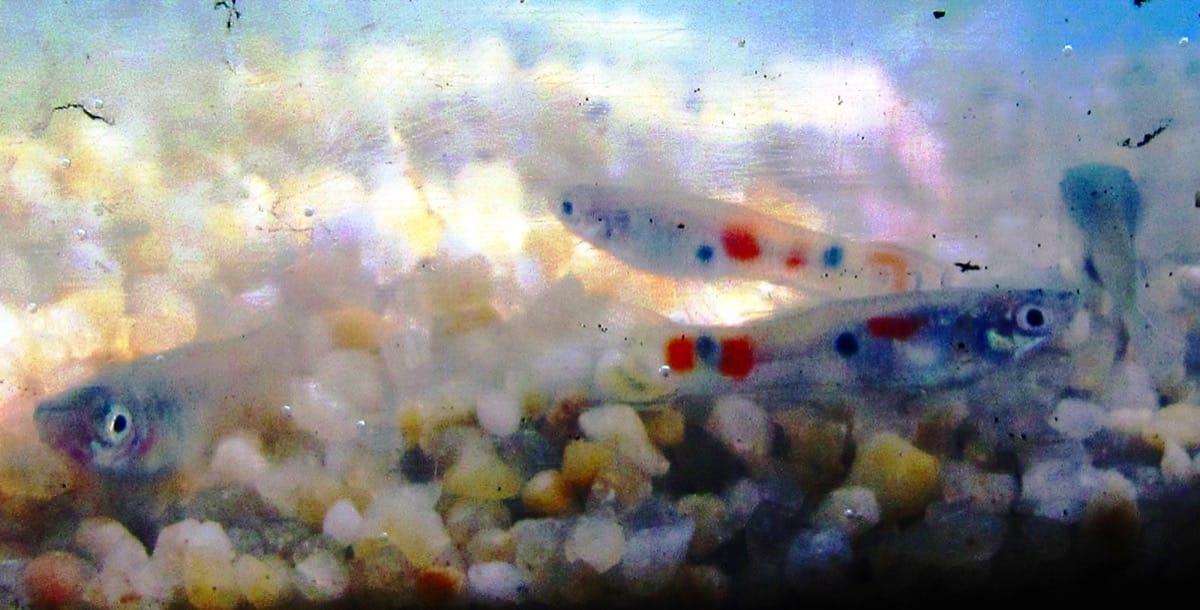
- 22-26 C
- pH 7.0-8.5
- 60 L+; 60 x 30 cm base
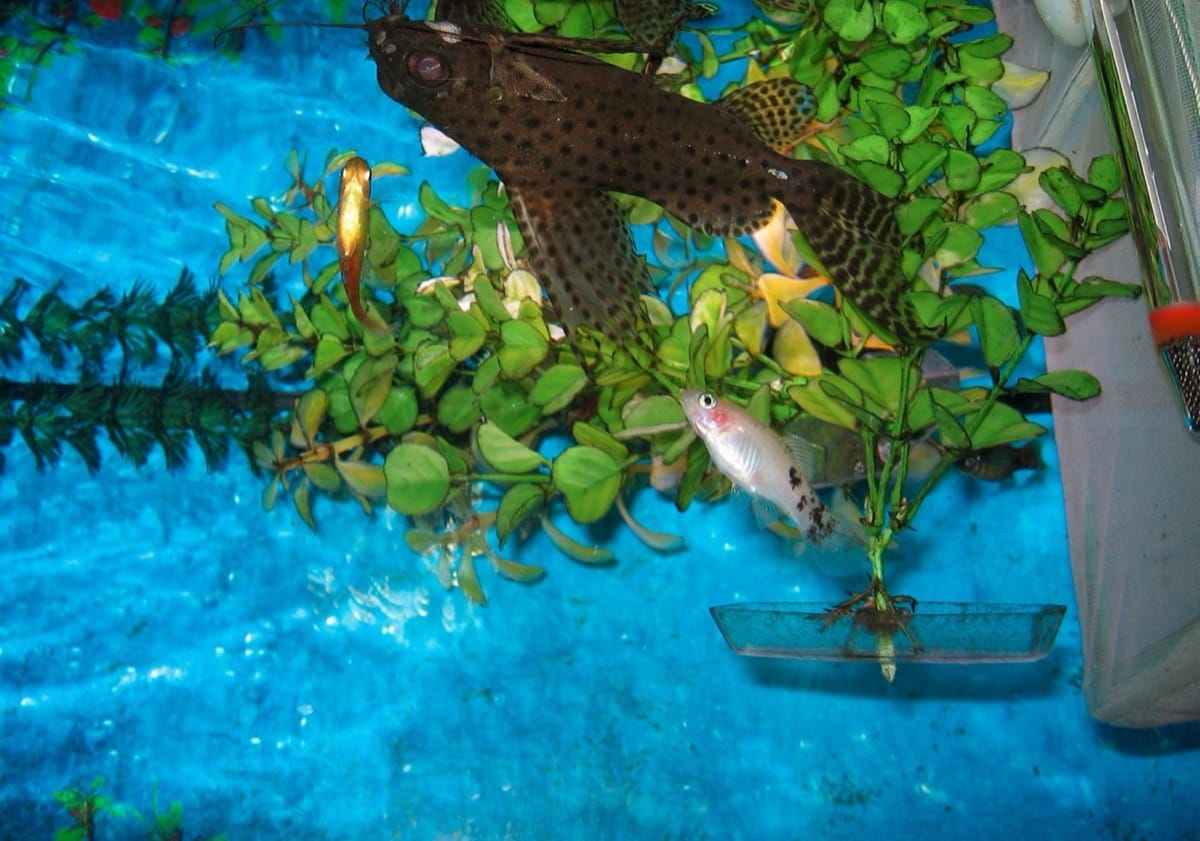
- 20–26°C
- pH 7–8.2
- 50 L+
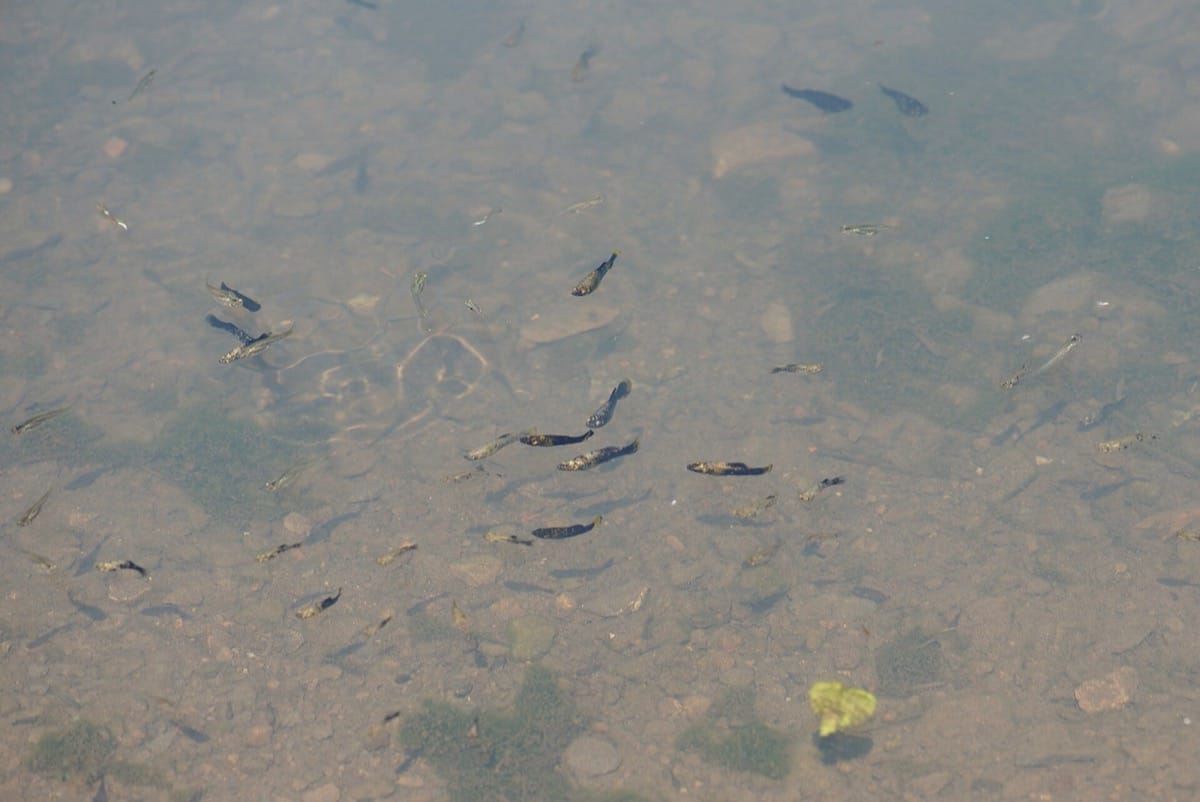
- 22–28°C
- pH 7–8.5
- 70 L+
- 21-25 C
- pH 6.0-7.5
- 60 L+; 60 x 30 cm base