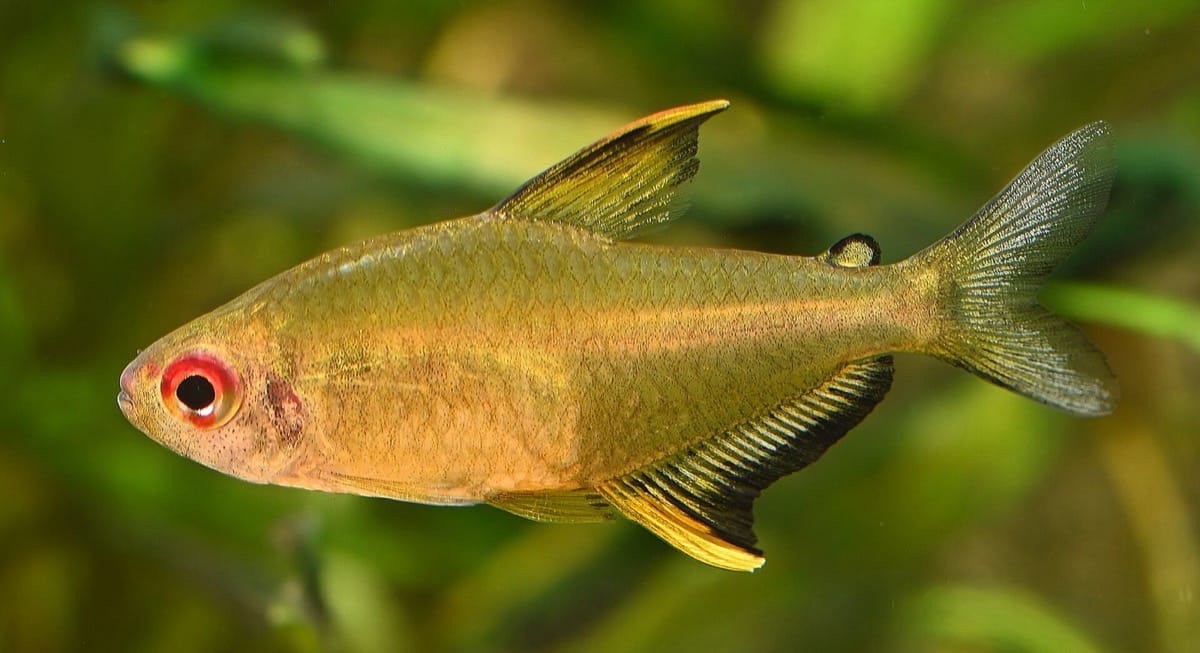
A bright, peaceful tetra with glowing yellow fins — hardy and a reliable community shoaler.
- Temperature23–28 °C
- pH6–7.5
- Minimum tank60 L
- DifficultyBeginner
| Food | Micro-pellet/flake + daphnia |
|---|---|
| Feeding | 1–2 feeds a day |
| Water change | 25% weekly |
Behaviour and habits
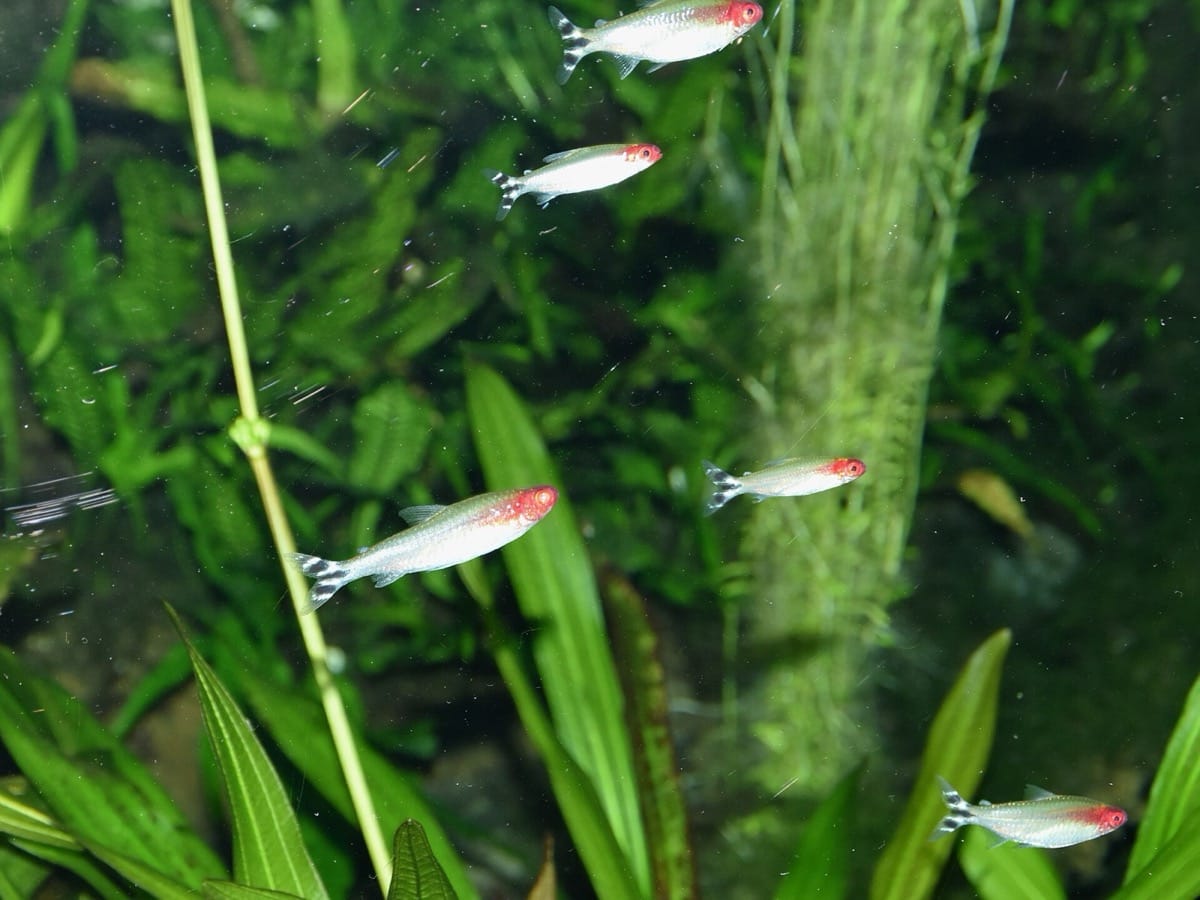
The lemon tetra is a peaceful, slim-bodied shoaler whose bright yellow fins glow against a backdrop of green plants. It schools loosely in mid-water, never nipping or bullying, and is a calm, unhurried fish that fits easily into a peaceful community. Its colour deepens in soft, stable, well-planted water, and it is happiest in a group of six or more, where it feels secure and stays out in the open rather than hiding among the leaves. A lone lemon tetra tends to pale and skulk, so the group is part of its care.
What to feed, and how often
It takes micro-pellets, fine flake and small frozen foods such as daphnia and bloodworm, feeding at any level of the tank. Offer one or two light meals a day, only what it clears in a minute or two, and vary the diet — a mix of dry and frozen food brings out the strongest yellow in the fins and keeps the fish in condition.
Water changes and maintenance
Change about 25% of the water each week, matched closely to the tank. Lemon tetras are hardy but prefer soft-to-neutral, slightly acidic water and a mature tank, and they dislike sudden swings in temperature or chemistry — so avoid large or cold water changes and keep conditions steady.
Care and how easy it is
A hardy, easy tetra and a good beginner choice for a planted community. Keep a group of six or more, give it soft, stable water and some plant cover, and it rewards you with vivid colour and calm, active schooling.
Common health problems
It is generally robust; fin rot and ich appear mainly when the fish is stressed by poor water quality or a chill. Long-term neglect, rather than any inherent weakness, is what causes problems.
If it gets sick
Keep the water clean, warm and stable, and act early: test the water at the first sign of clamped fins or spots, correct anything that is wrong, and treat promptly rather than waiting for the problem to spread.
Good tank mates
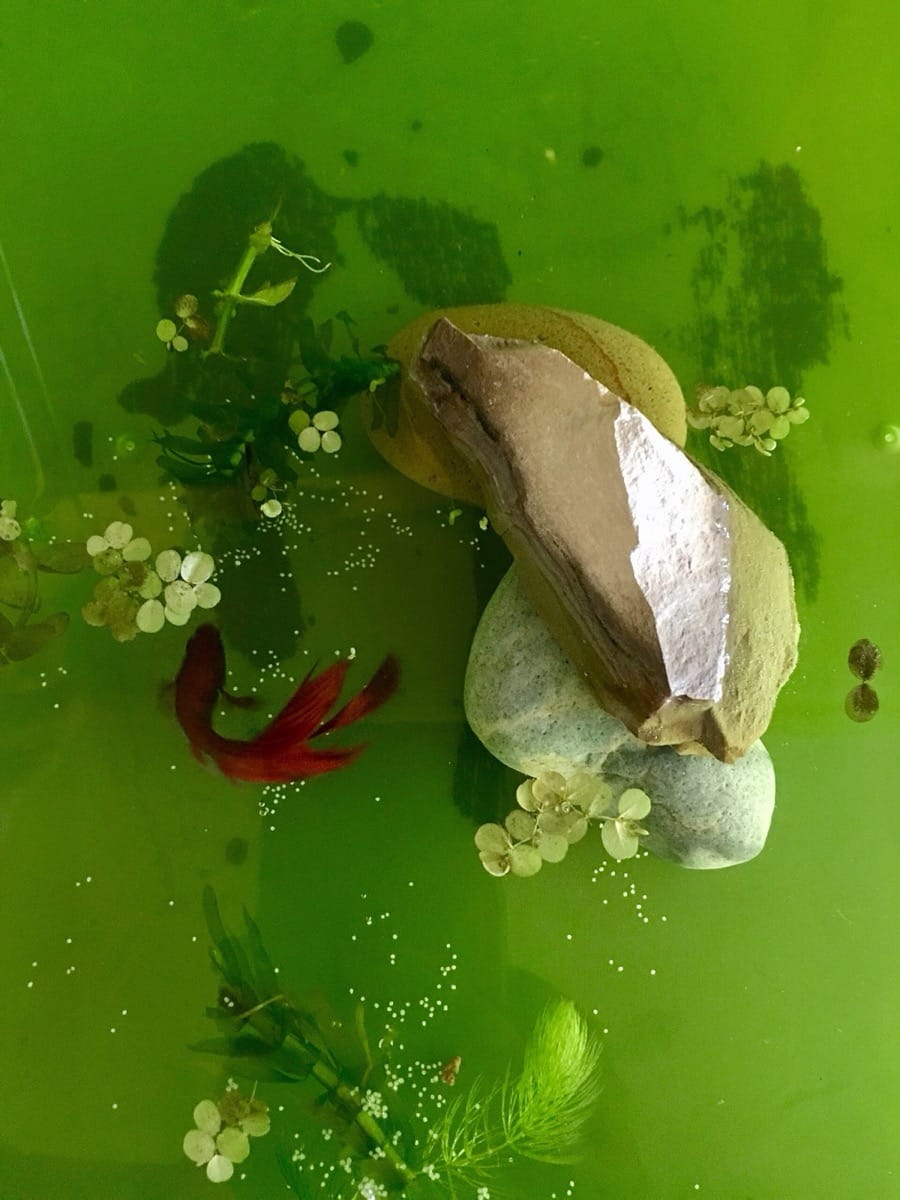
- 24-26 C
- pH 6.5-7.5
- 40 L+; 45 x 30 cm base
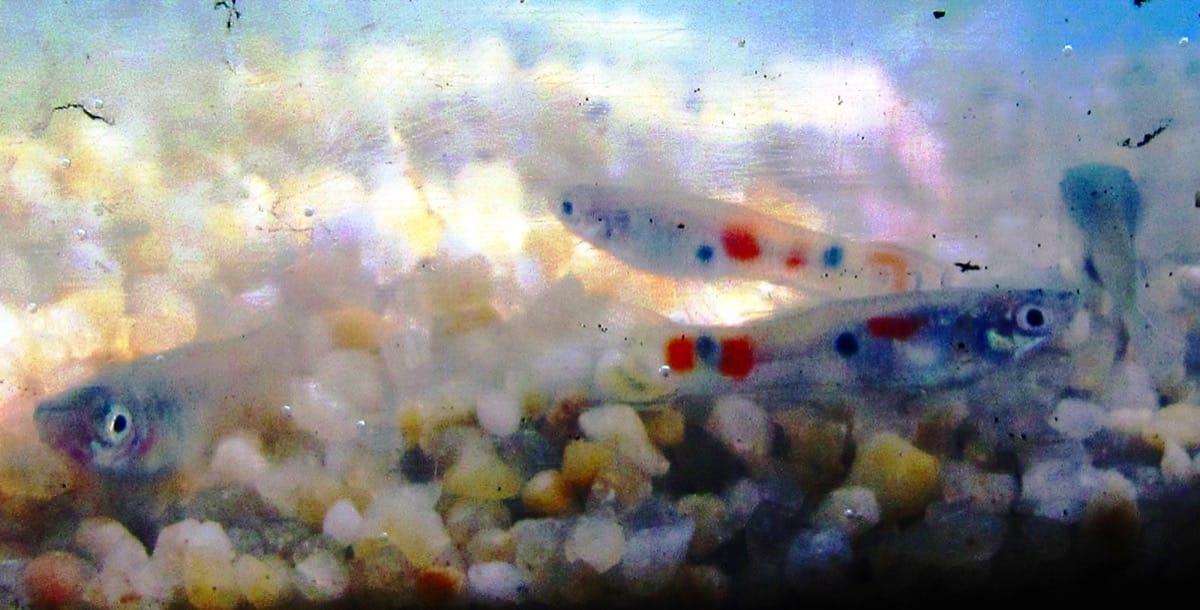
- 22-26 C
- pH 7.0-8.5
- 60 L+; 60 x 30 cm base
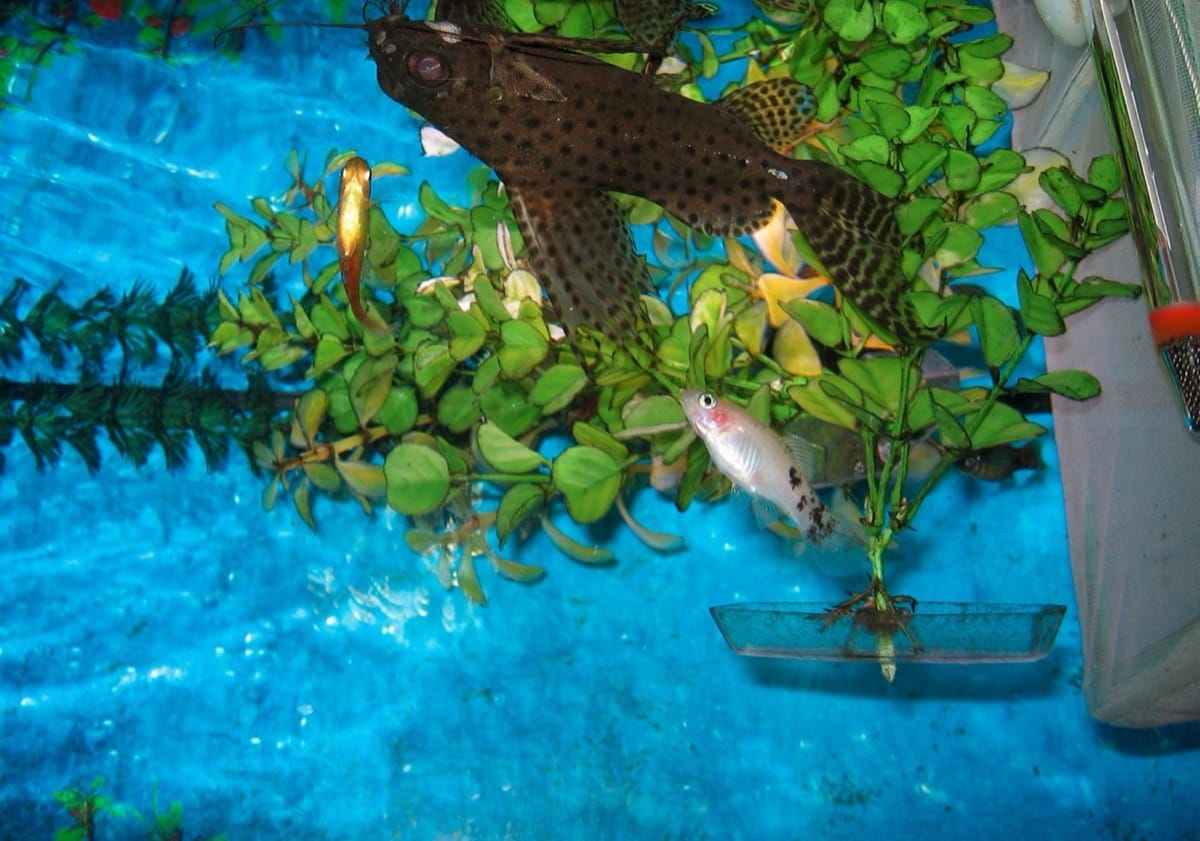
- 20–26°C
- pH 7–8.2
- 50 L+
- 22–28°C
- pH 7–8.5
- 70 L+
Best avoided with
Similar species
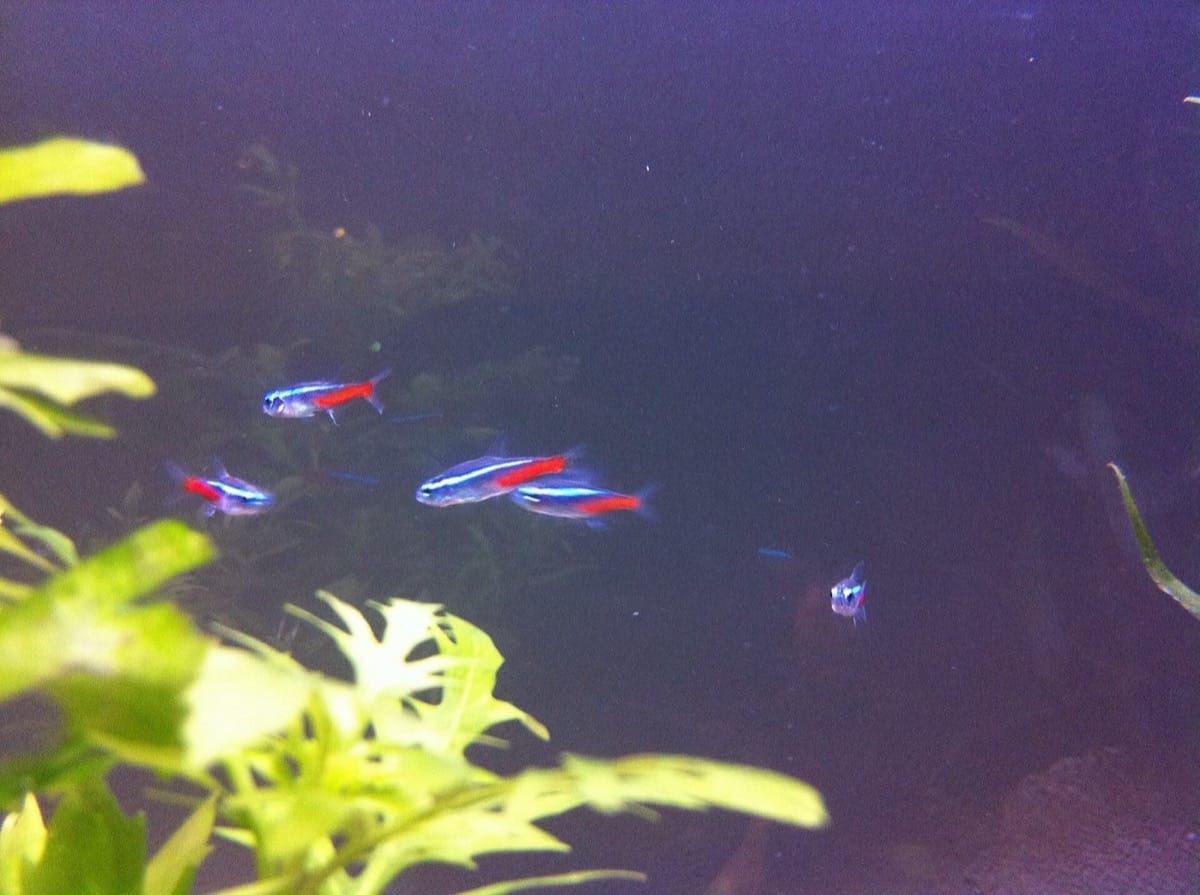
- 21-25 C
- pH 6.0-7.5
- 60 L+; 60 x 30 cm base
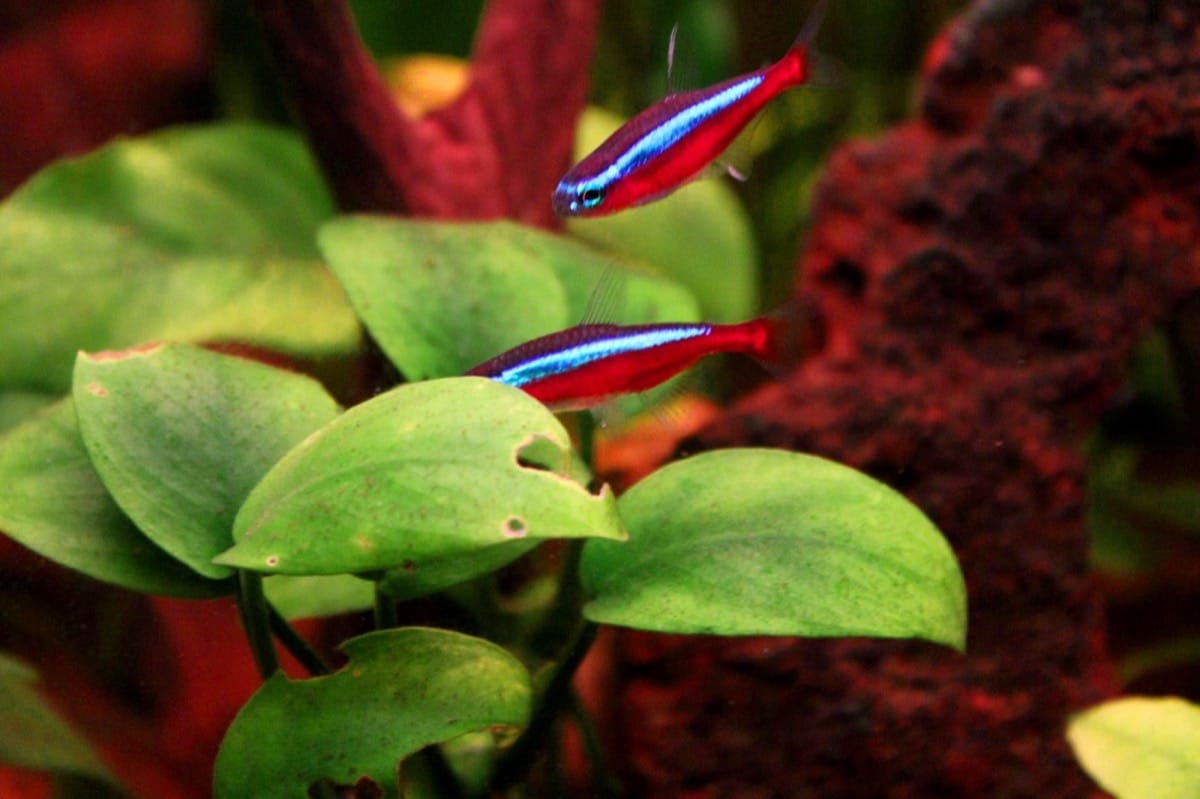
- 23–28°C
- pH 5–6.8
- 60 L+
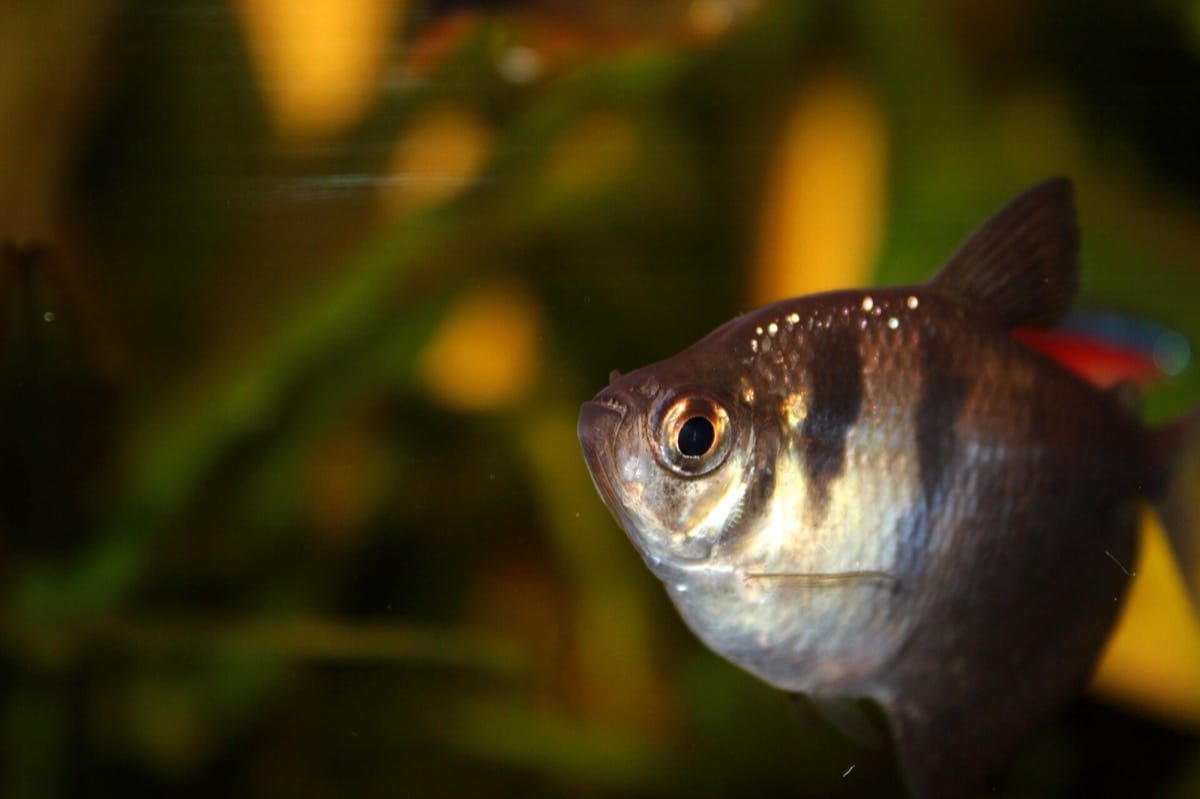
- 22–27°C
- pH 6–7.5
- 60 L+
- 24–28°C
- pH 5.5–7
- 60 L+
Compare at a glance
| Parameters | Lemon tetra | Neon tetra | Cardinal tetra | Black widow tetra |
|---|---|---|---|---|
| Parameters | ||||
| Temp | 23–28 °C | 20–26 °C | 23–28 °C | 22–27 °C |
| pH | 6–7.5 | 5.5–7.5 | 5–6.8 | 6–7.5 |
| GH | 4–15 °dGH | 2–12 °dGH | 1–8 °dGH | 4–15 °dGH |
| Min. tank | 60 L | 50 L | 60 L | 60 L |
| Size | 5 cm | 3 cm | 4 cm | 5 cm |
| Diet | Omnivore | Omnivore | Omnivore | Omnivore |
| Temperament | Peaceful | Peaceful | Peaceful | Peaceful |
| Difficulty | Beginner | Intermediate | Intermediate | Beginner |
Care guides
New to the words? See the aquarium glossary.
Sources and research notes
Parameters are typical ranges for the species in home aquariums and vary with the individual fish and the water you use.