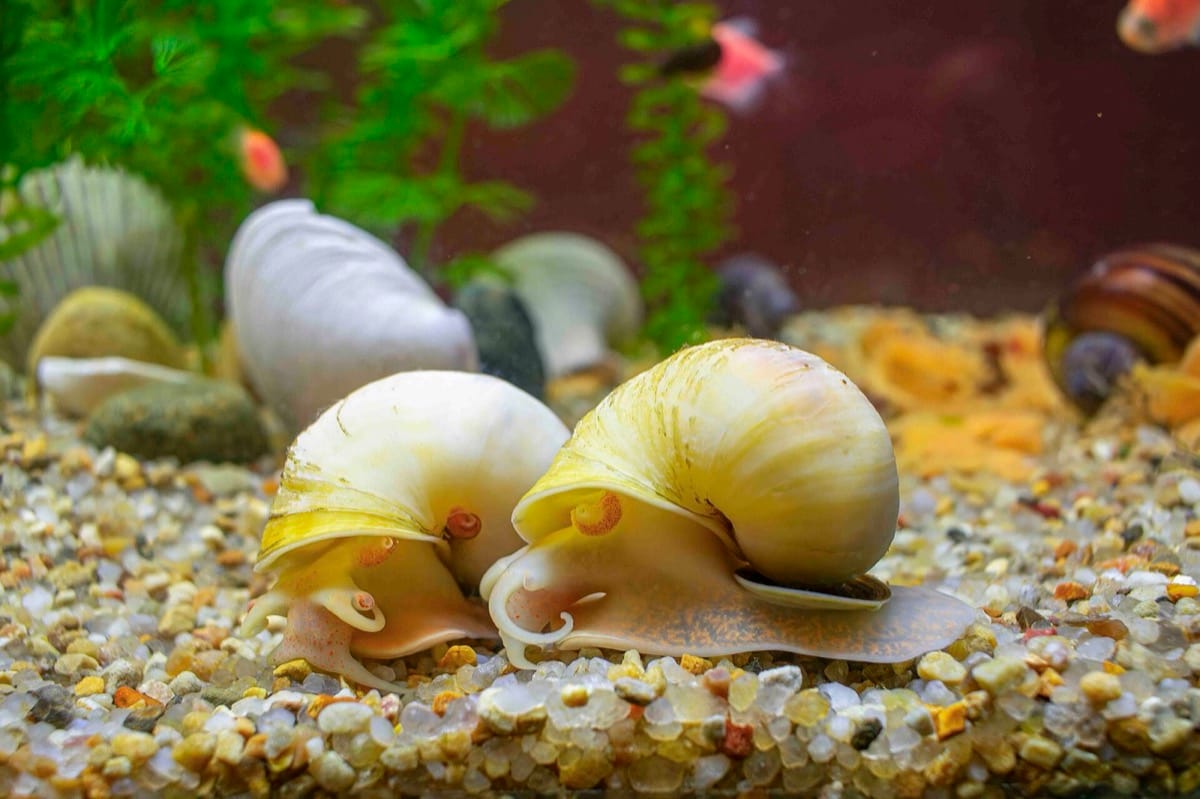
A large, peaceful snail that grazes algae and is easy to keep in harder water.
- Temperature20–28 °C
- pH7–8.4
- Minimum tank40 L
- DifficultyBeginner
| Food | Algae + veg (little extra) |
|---|---|
| Feeding | Rarely needs feeding |
| Water change | 25% weekly |
Behaviour and habits
The mystery snail is a large, peaceful grazer that roams the tank eating algae, leftover food and detritus, and it is unusually active by day rather than only at night. It needs calcium to build a strong shell, and it may lay distinctive pink egg clusters above the waterline. Slow, harmless and interesting to watch, it is a useful cleaner and a good companion for peaceful community fish.
What to feed, and how often
It eats algae, leftover food and blanched vegetables such as courgette and spinach. Direct feeding is rarely needed, but calcium-rich foods and hard water keep the shell strong; remove any uneaten food so it does not foul the water.
Water changes and maintenance
Change about 25% weekly in hard, alkaline water, which suits it and protects the shell. Soft, acidic water erodes the shell over time, so if your water is soft, the snail may not thrive long-term.
Care and how easy it is
Easy in harder water with a lid and some calcium; keep it away from soft, acidic setups and copper treatments.
Common health problems
Shell erosion in soft, acidic water is the main issue; otherwise hardy.
If it gets sick
Keep the water hard and the pH up, provide calcium and some algae, and never use copper-based medications.
Good tank mates
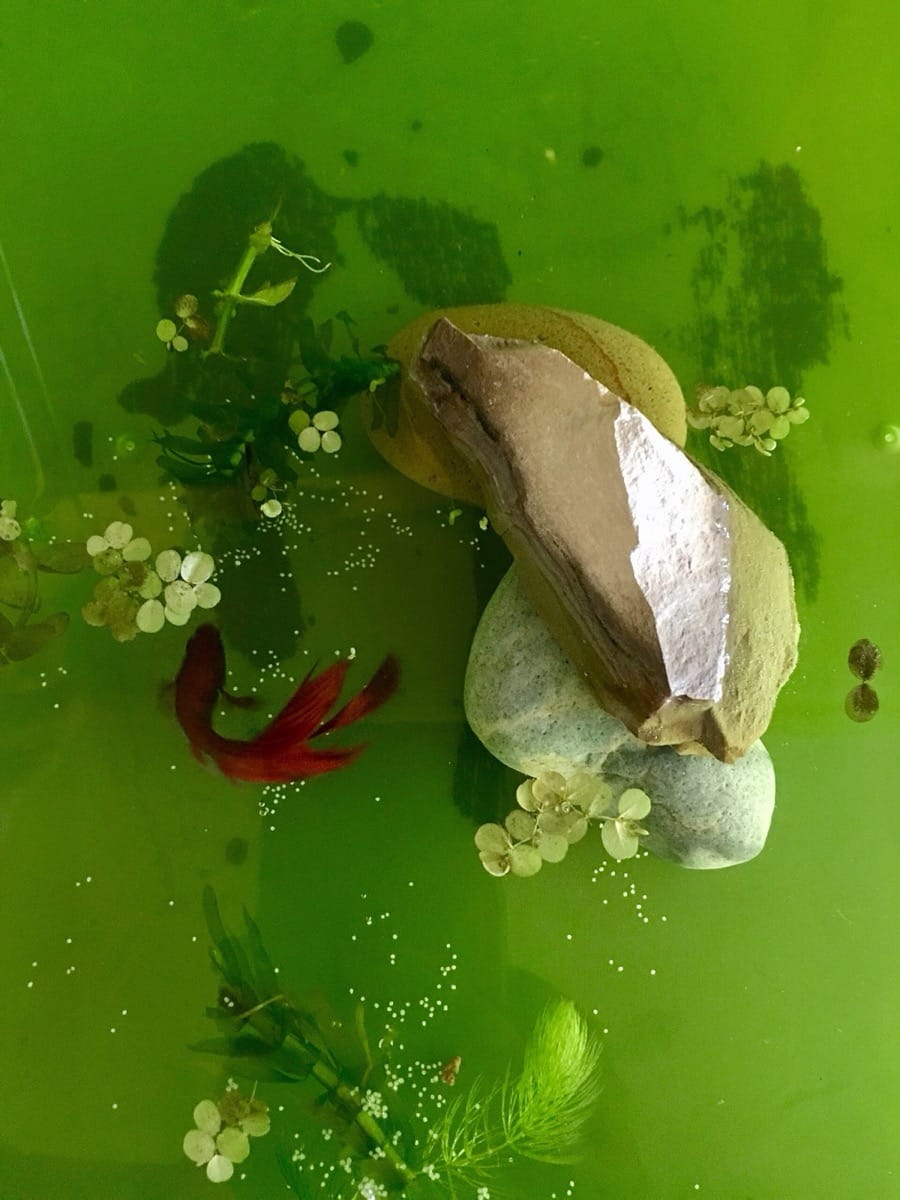
- 24-26 C
- pH 6.5-7.5
- 40 L+; 45 x 30 cm base
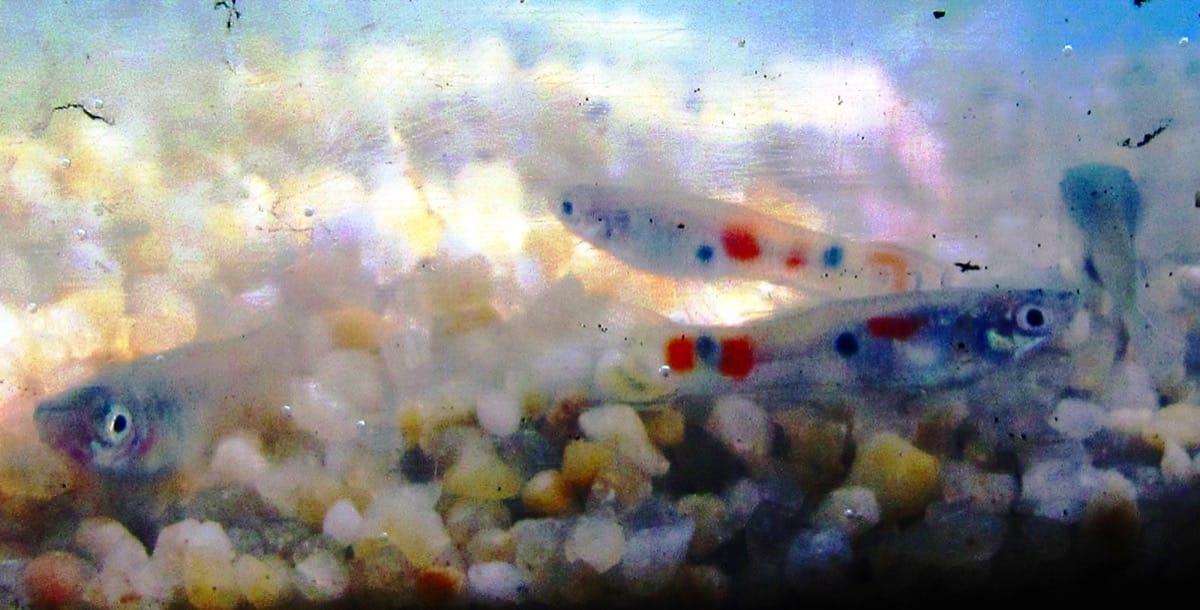
- 22-26 C
- pH 7.0-8.5
- 60 L+; 60 x 30 cm base
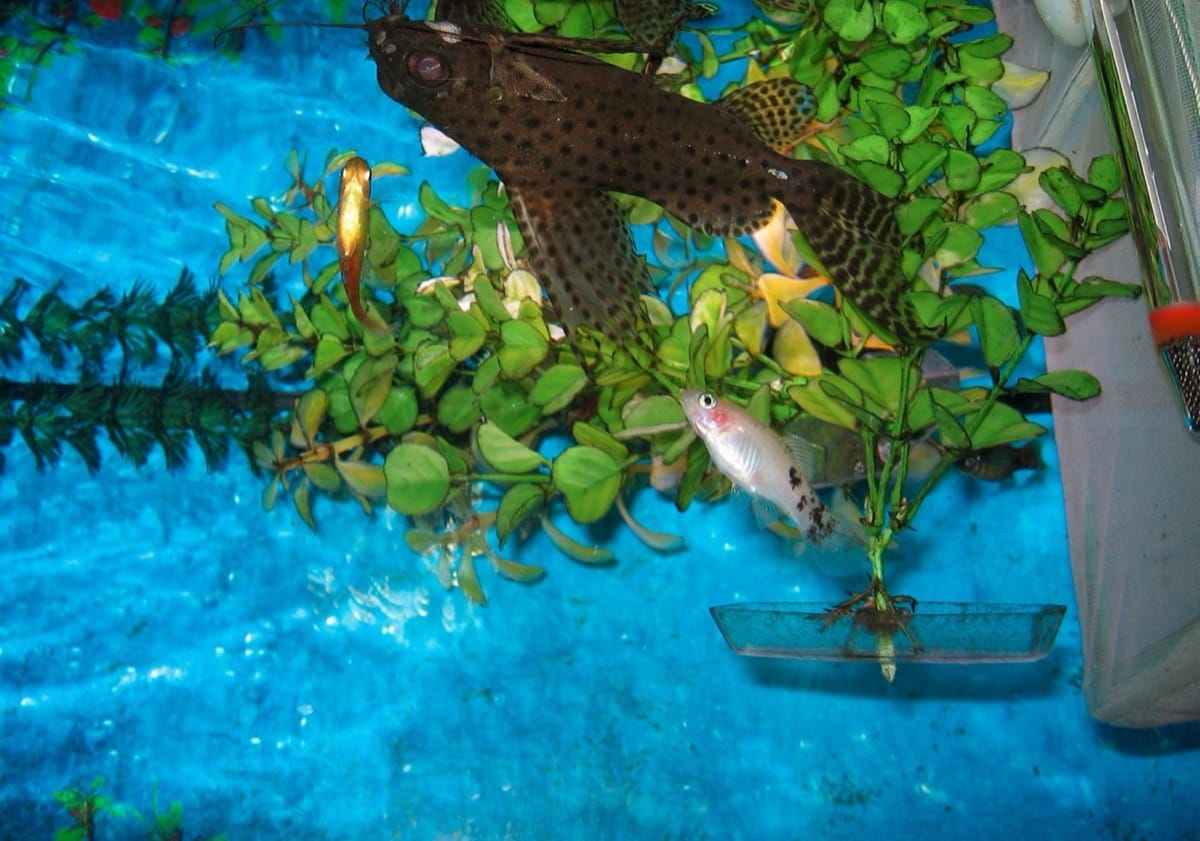
- 20–26°C
- pH 7–8.2
- 50 L+
- 22–28°C
- pH 7–8.5
- 70 L+
Best avoided with
Similar species
- 24-26 C
- pH 6.5-7.5
- 40 L+; 45 x 30 cm base
- 22-26 C
- pH 7.0-8.5
- 60 L+; 60 x 30 cm base
- 20–26°C
- pH 7–8.2
- 50 L+
- 22–28°C
- pH 7–8.5
- 70 L+
Compare at a glance
| Parameters | Mystery snail | Betta | Guppy | Platy |
|---|---|---|---|---|
| Parameters | ||||
| Temp | 20–28 °C | 24–28 °C | 22–28 °C | 20–26 °C |
| pH | 7–8.4 | 6–7.5 | 6.8–8 | 7–8.2 |
| GH | 6–20 °dGH | 2–12 °dGH | 8–20 °dGH | 10–25 °dGH |
| Min. tank | 40 L | 20 L | 40 L | 50 L |
| Size | 5 cm | 6 cm | 5 cm | 6 cm |
| Diet | Omnivore | Carnivore | Omnivore | Omnivore |
| Temperament | Peaceful | Semi-aggressive | Peaceful | Peaceful |
| Difficulty | Beginner | Beginner | Beginner | Beginner |
Care guides
New to the words? See the aquarium glossary.
Sources and research notes
Parameters are typical ranges for the species in home aquariums and vary with the individual fish and the water you use.