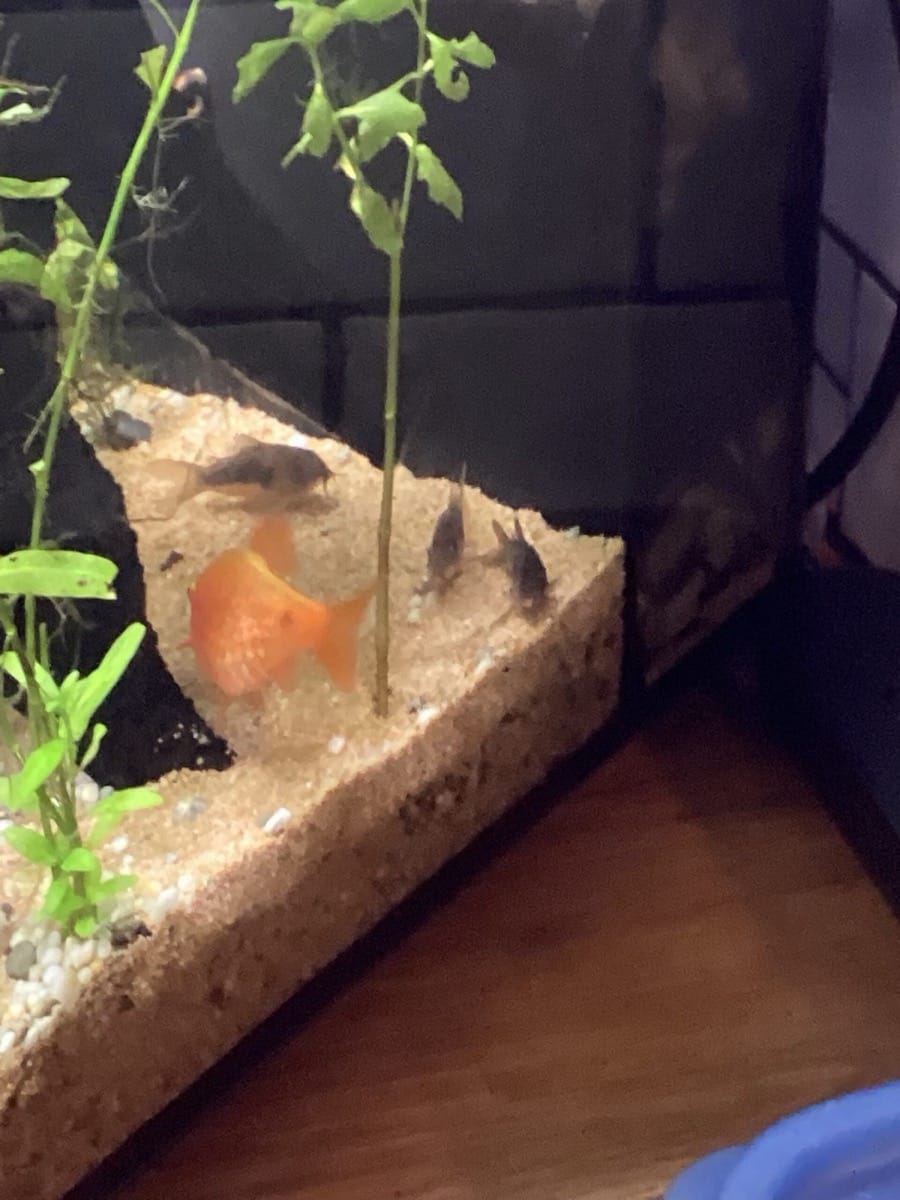
A hardy barb that flushes rose-red when happy — a good shoaler and tolerant of cooler water.
- Temperature18–26 °C
- pH6–7.5
- Minimum tank60 L
- DifficultyBeginner
| Food | Flake + frozen food |
|---|---|
| Feeding | 1–2 feeds a day |
| Water change | 25% weekly |
Behaviour and habits
The rosy barb is a hardy, active shoaler that flushes rose-red, especially the males, in good conditions, and it is one of the most tolerant small fish. It is slightly boisterous but far less nippy than the tiger barb, and it tolerates cooler water than most tropical fish, which makes it useful in temperate tanks. It is happiest in a group of six or more with room to swim, and it grazes algae and vegetable matter between meals.
What to feed, and how often
Flake or pellet plus frozen foods and some vegetable matter; feed once or twice a day. It is a greedy eater, so avoid overfeeding, and a varied diet with greens keeps the rosy colour rich and the fish healthy.
Water changes and maintenance
Change about 25% weekly in soft-to-neutral water, matched closely. It is very tolerant, even of cooler temperatures, but clean, stable water keeps the shoal in colour and good condition.
Care and how easy it is
One of the easiest barbs and a good choice for an unheated or temperate community, provided it has a group and some room.
Common health problems
Hardy; ich follows a chill and fin rot follows poor water.
If it gets sick
Keep the water clean and steady, and treat early if spots or ragged fins appear.
Good tank mates
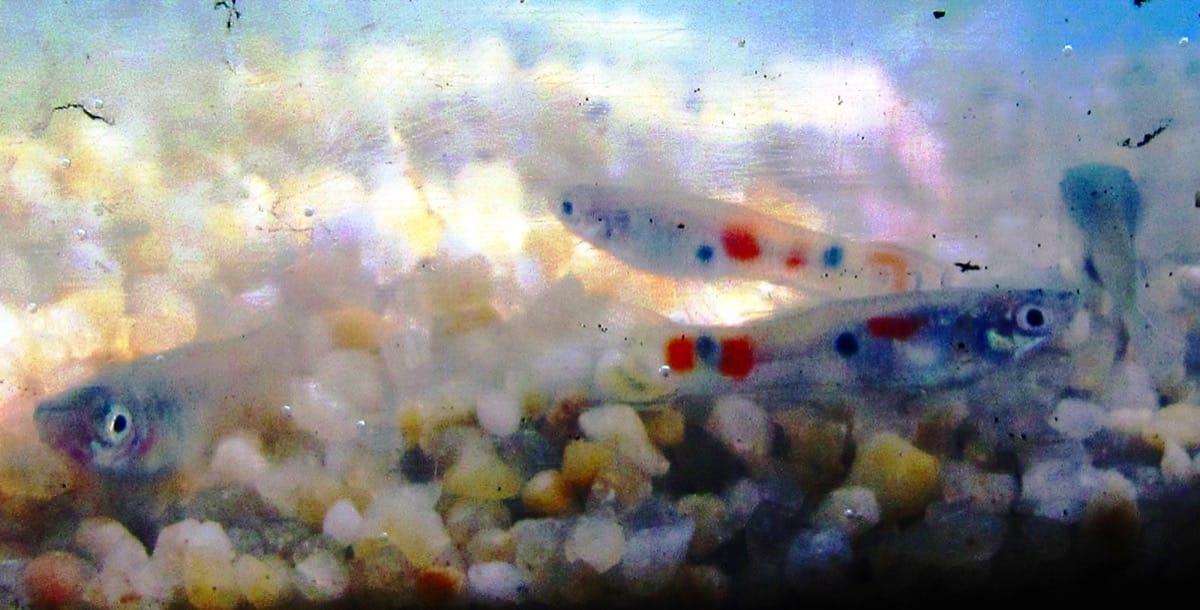
- 22-26 C
- pH 7.0-8.5
- 60 L+; 60 x 30 cm base
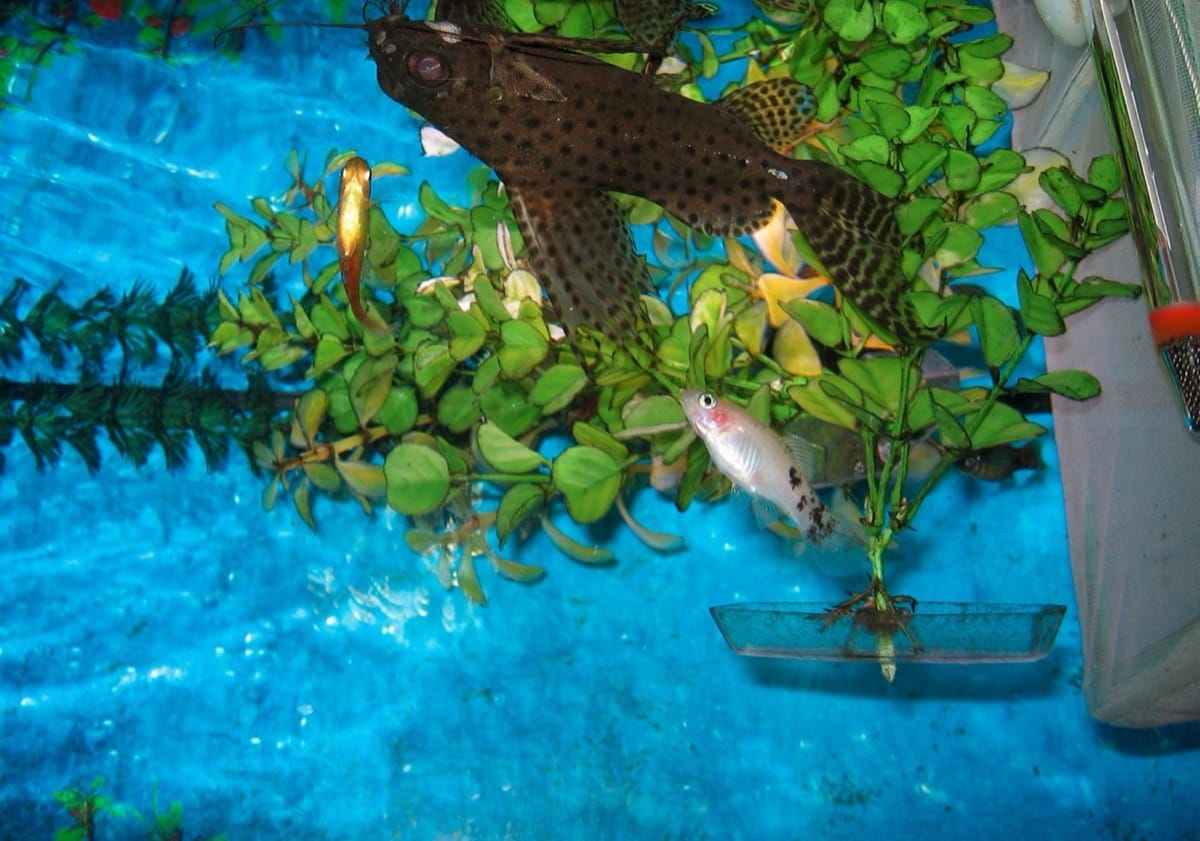
- 20–26°C
- pH 7–8.2
- 50 L+
- 22–28°C
- pH 7–8.5
- 70 L+
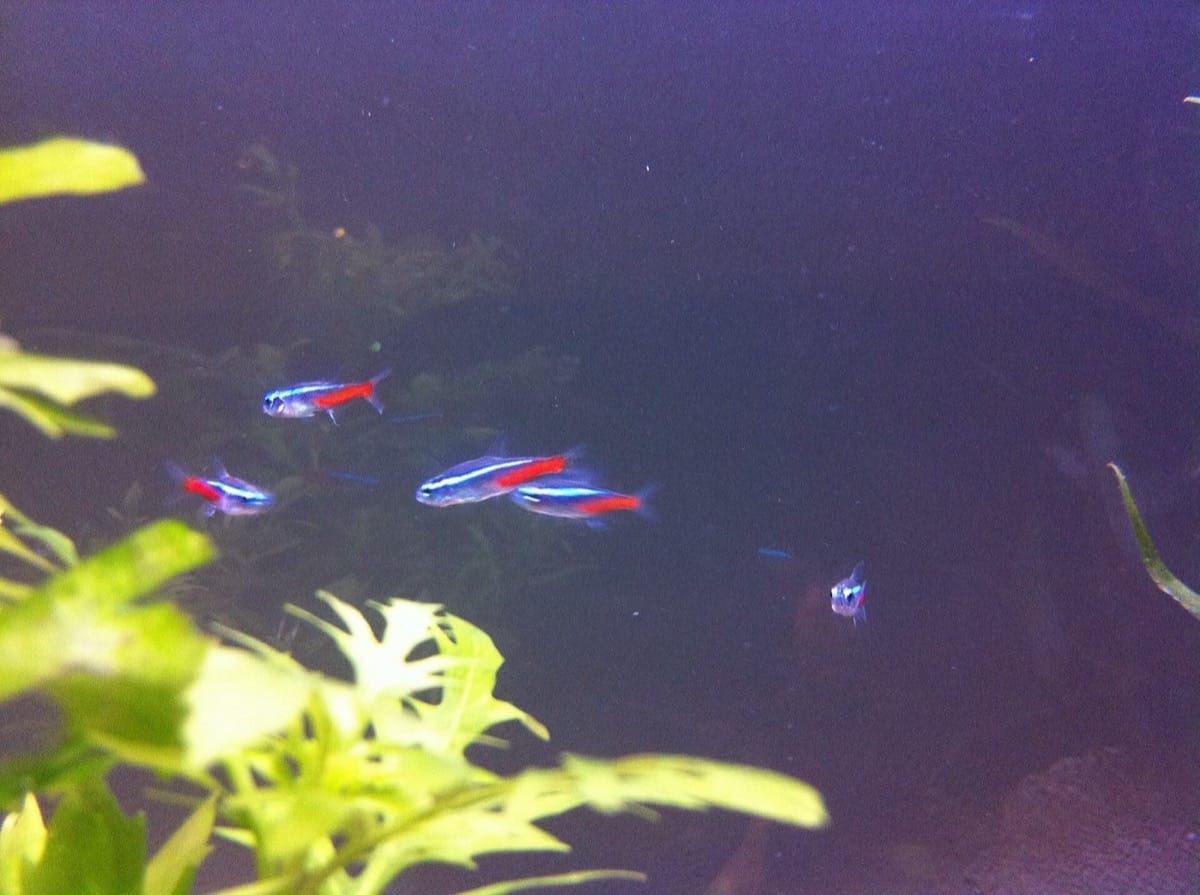
- 21-25 C
- pH 6.0-7.5
- 60 L+; 60 x 30 cm base
Best avoided with
Similar species
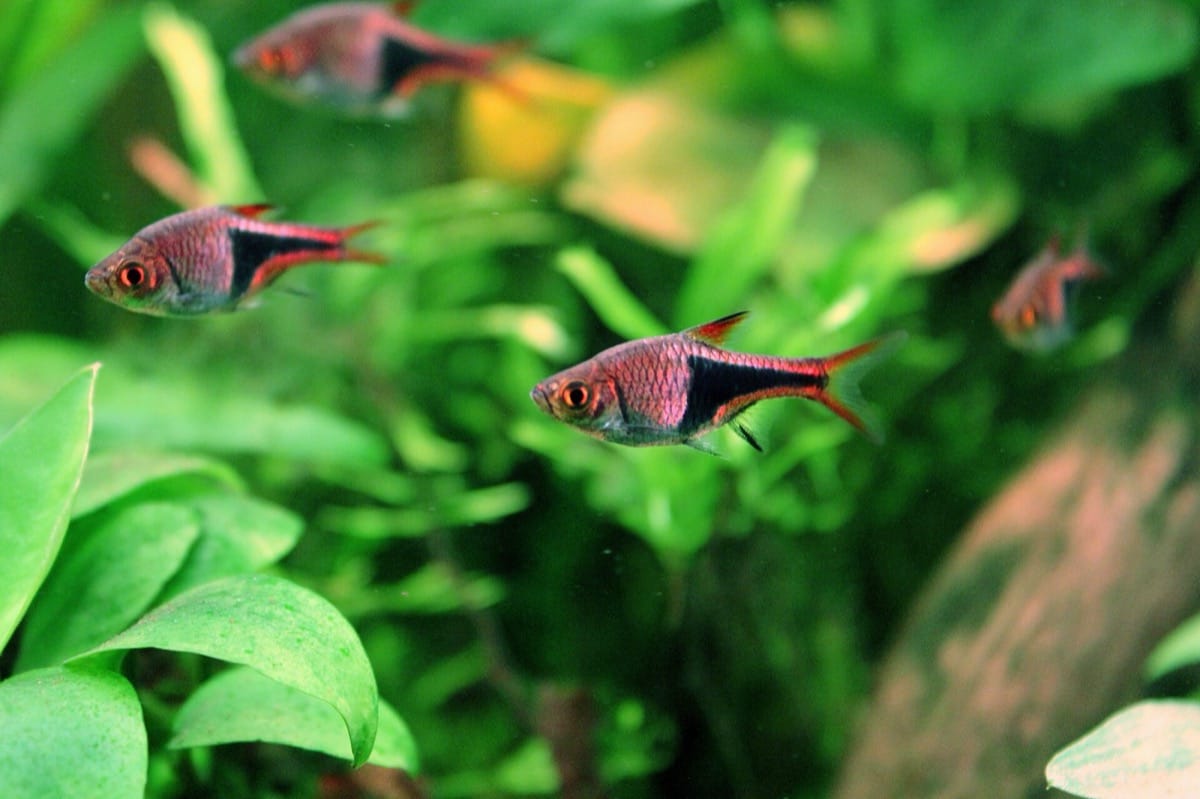
- 22–27°C
- pH 6–7.5
- 60 L+
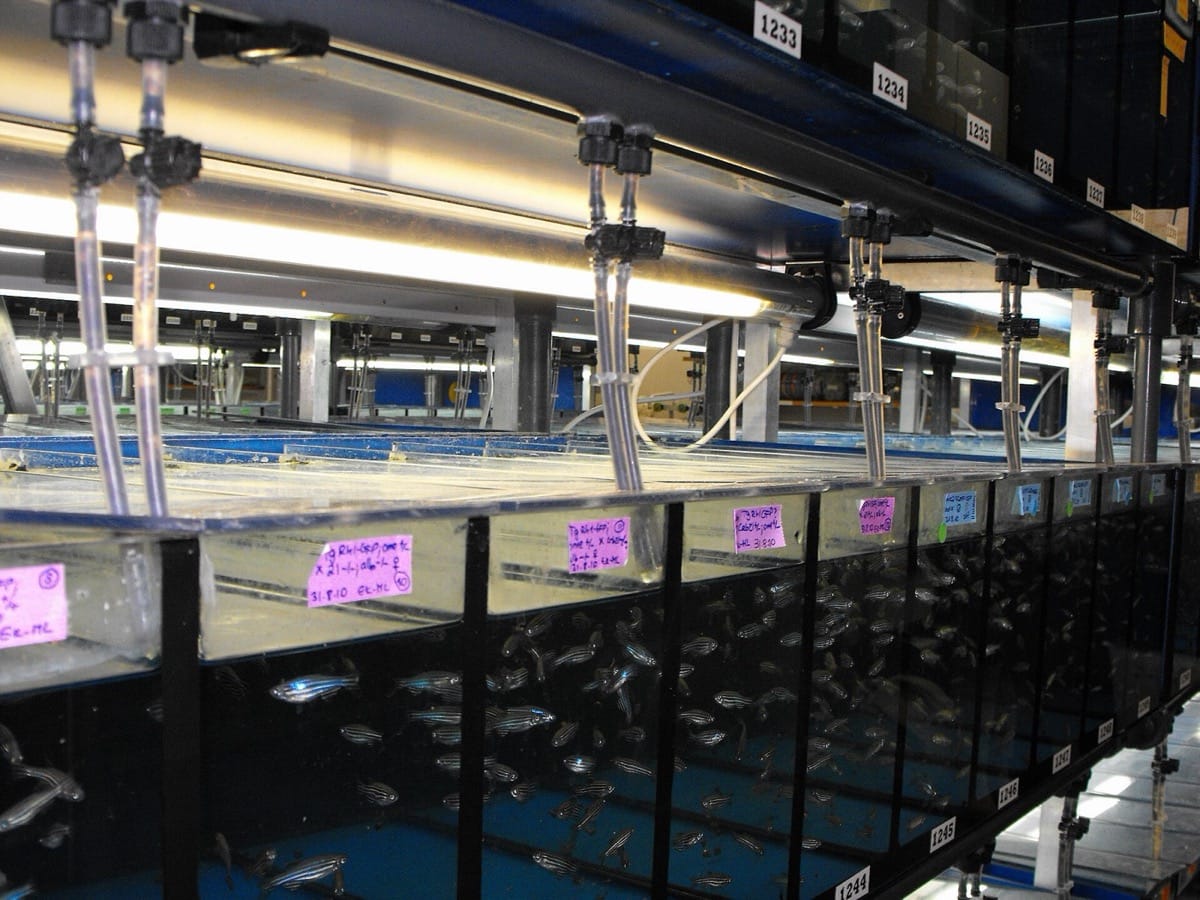
- 18–26°C
- pH 6.5–8
- 60 L+
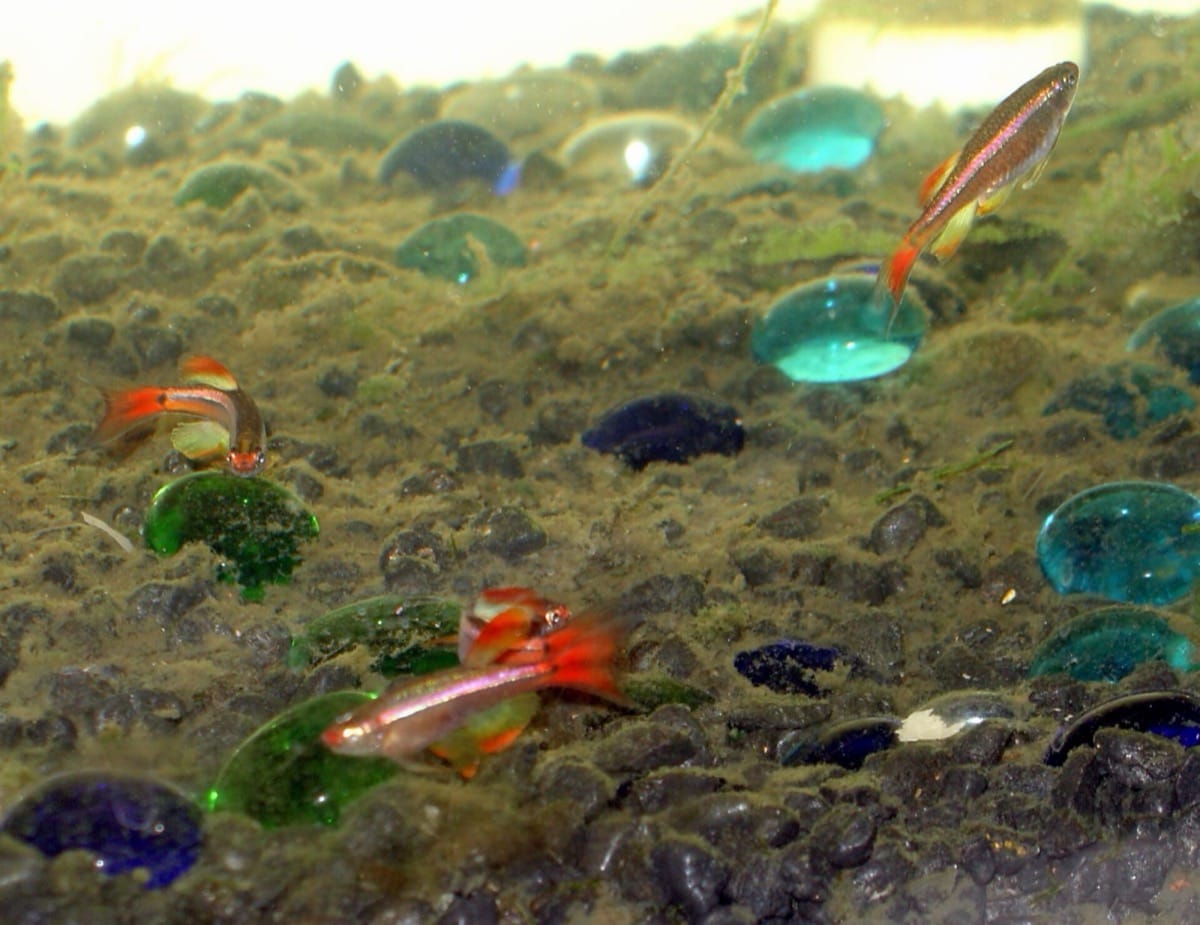
- 16–24°C
- pH 6–8
- 50 L+
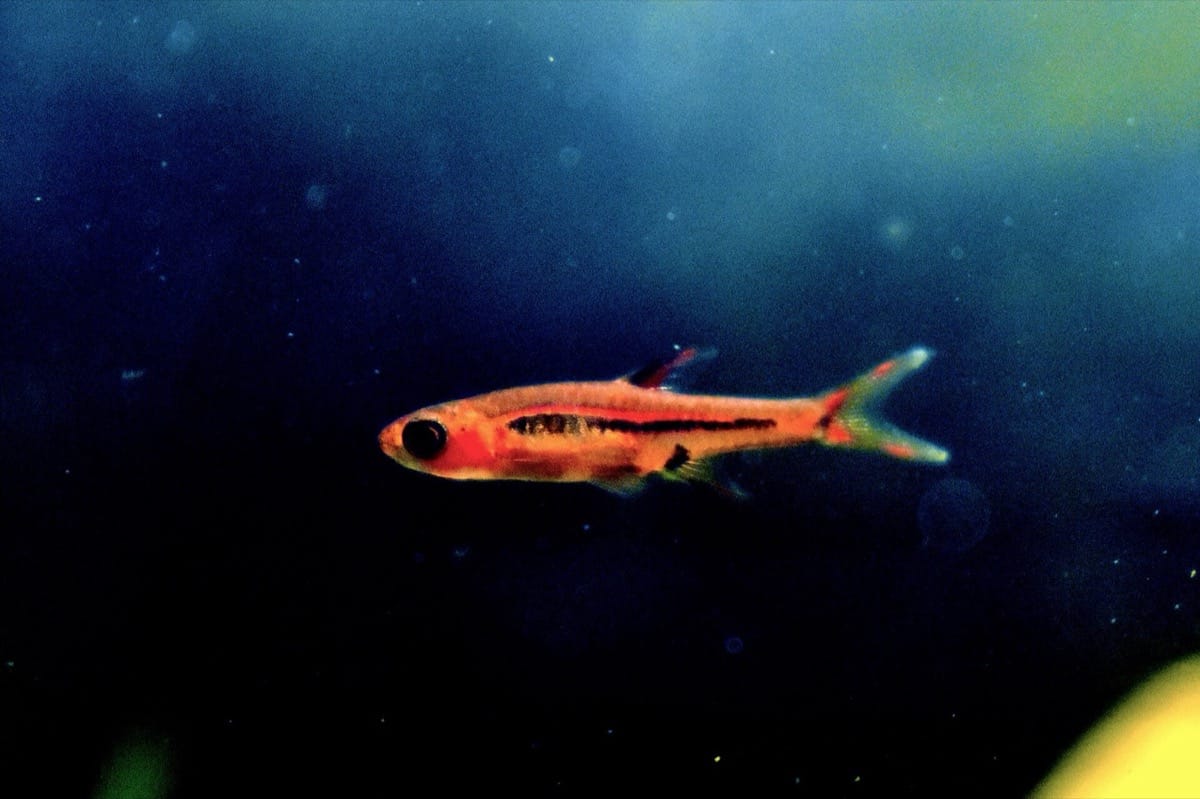
- 24–28°C
- pH 5.5–7
- 30 L+
Compare at a glance
| Parameters | Rosy barb | Harlequin rasbora | Zebra danio | White cloud mountain minnow |
|---|---|---|---|---|
| Parameters | ||||
| Temp | 18–26 °C | 22–27 °C | 18–26 °C | 16–24 °C |
| pH | 6–7.5 | 6–7.5 | 6.5–8 | 6–8 |
| GH | 4–15 °dGH | 2–12 °dGH | 4–20 °dGH | 4–18 °dGH |
| Min. tank | 60 L | 60 L | 60 L | 50 L |
| Size | 7 cm | 5 cm | 5 cm | 4 cm |
| Diet | Omnivore | Omnivore | Omnivore | Omnivore |
| Temperament | Peaceful | Peaceful | Peaceful | Peaceful |
| Difficulty | Beginner | Beginner | Beginner | Beginner |
Care guides
New to the words? See the aquarium glossary.
Sources and research notes
Parameters are typical ranges for the species in home aquariums and vary with the individual fish and the water you use.