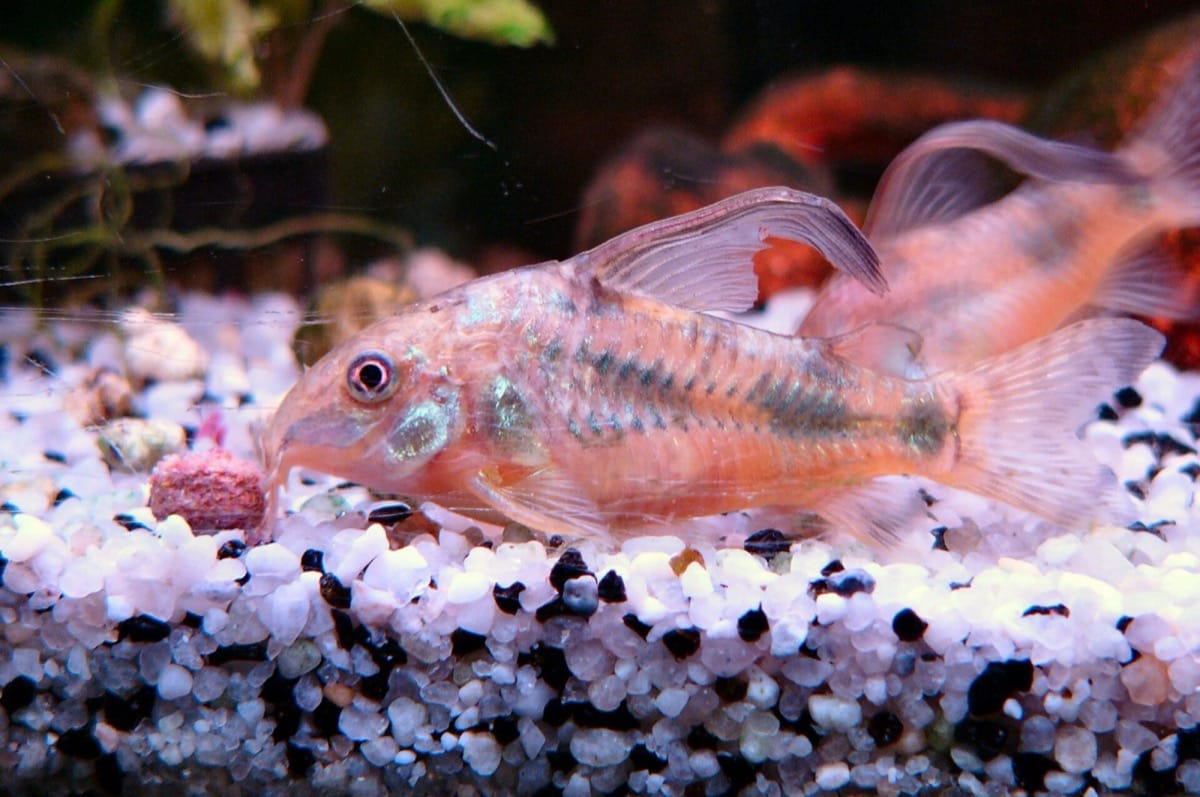
CorydorasCorydoras paleatus
- 20–26°C
- pH 6–7.8
- 60 L+
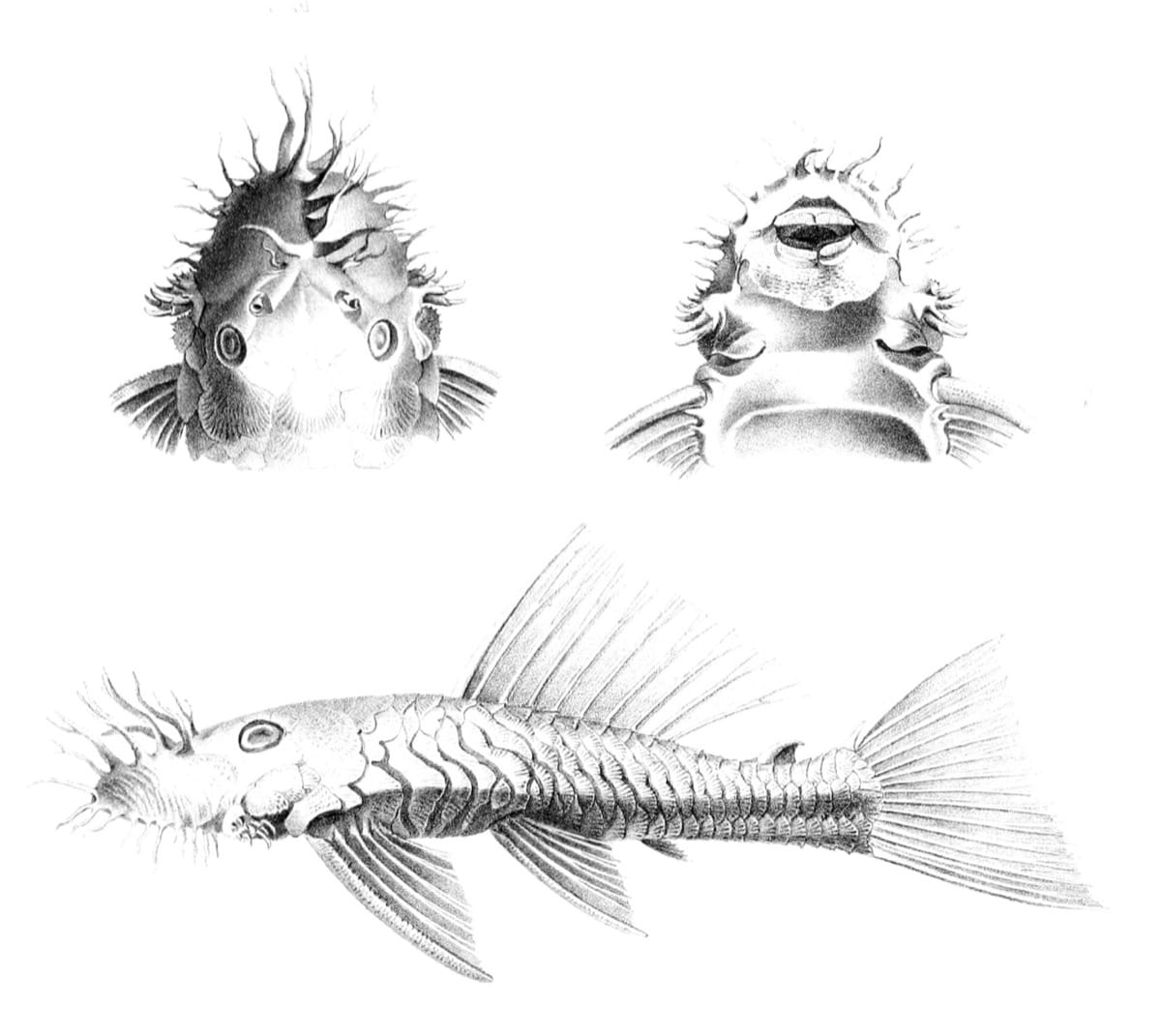
Bristlenose plecoAncistrus cirrhosus
- 23–27°C
- pH 6–7.5
- 80 L+
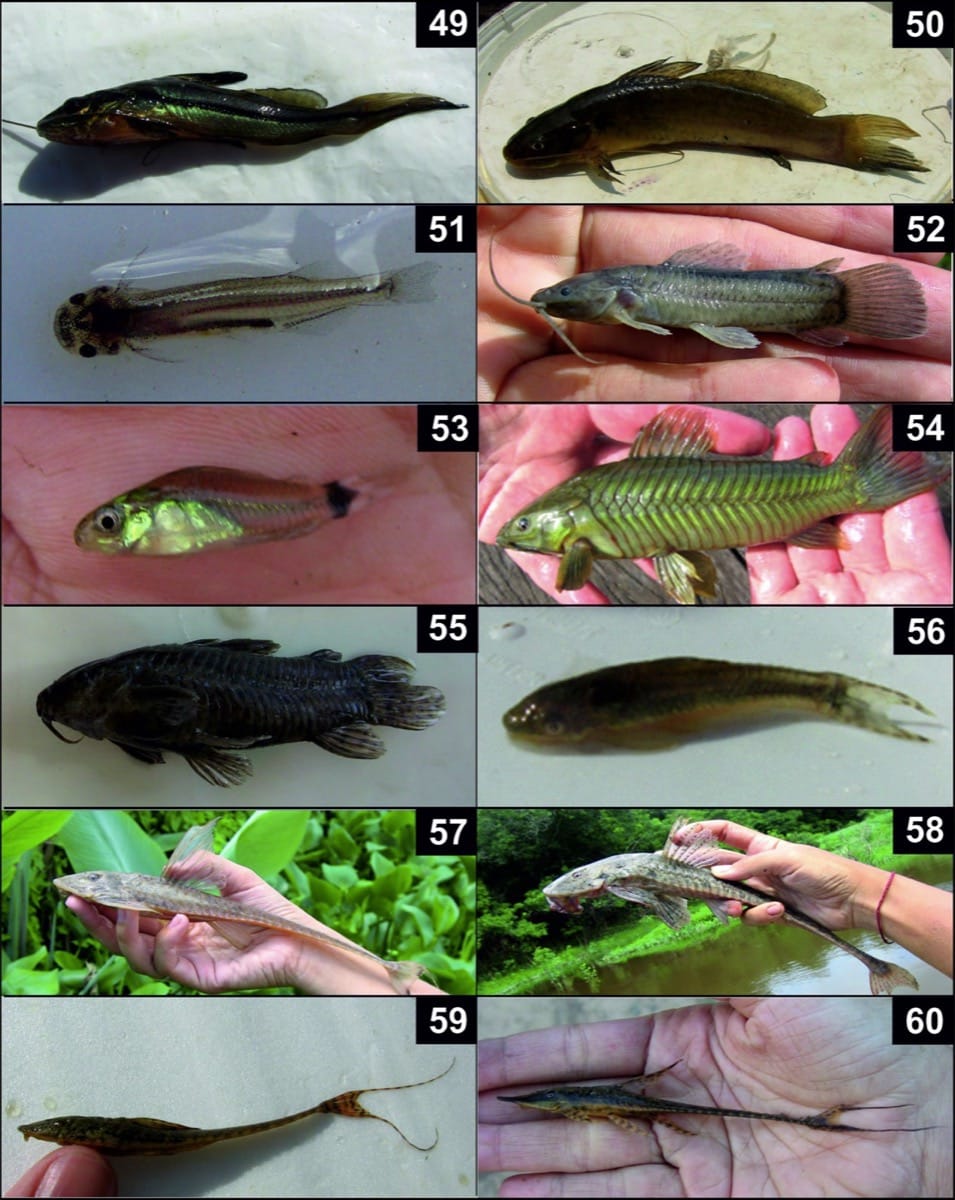
OtocinclusOtocinclus vittatus
- 22–27°C
- pH 6–7.5
- 50 L+
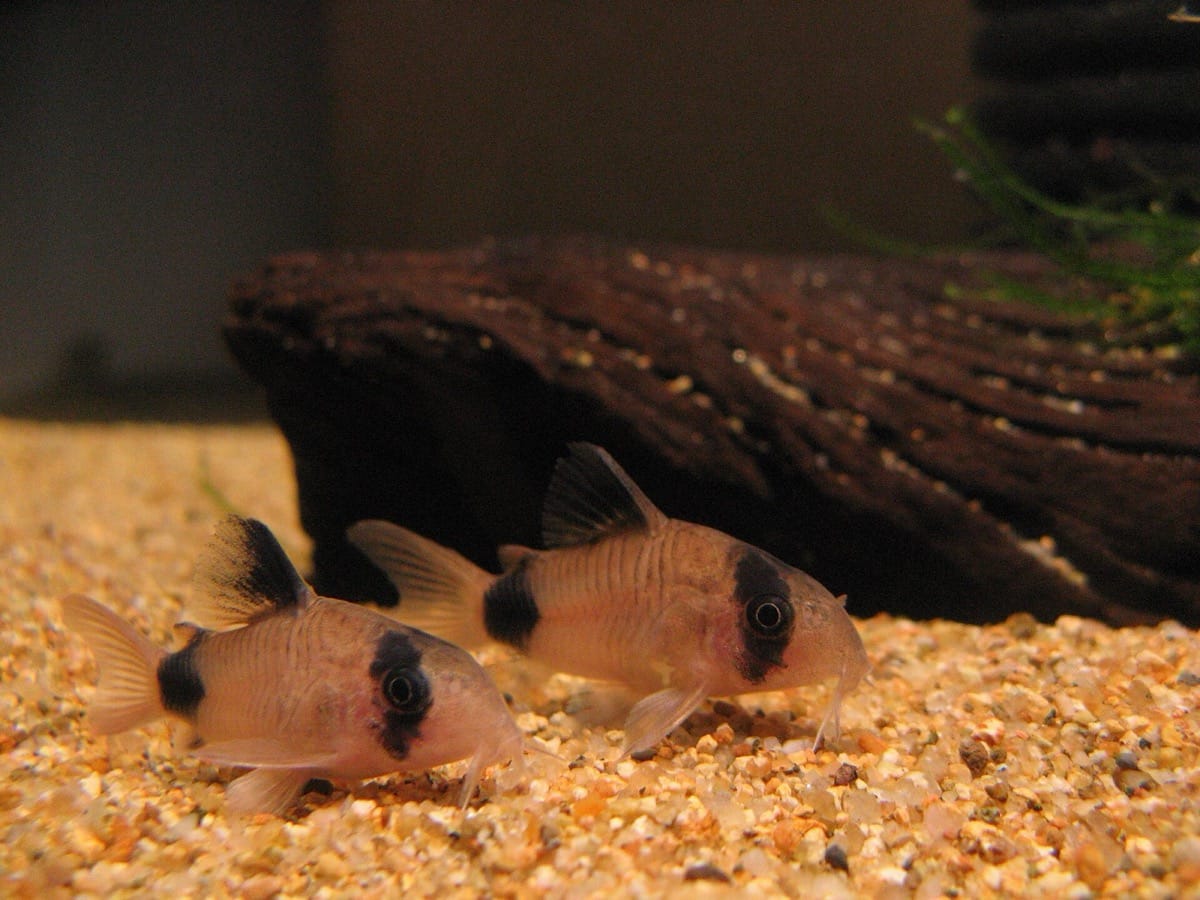
Panda coryCorydoras panda
- 22–26°C
- pH 6–7.5
- 50 L+
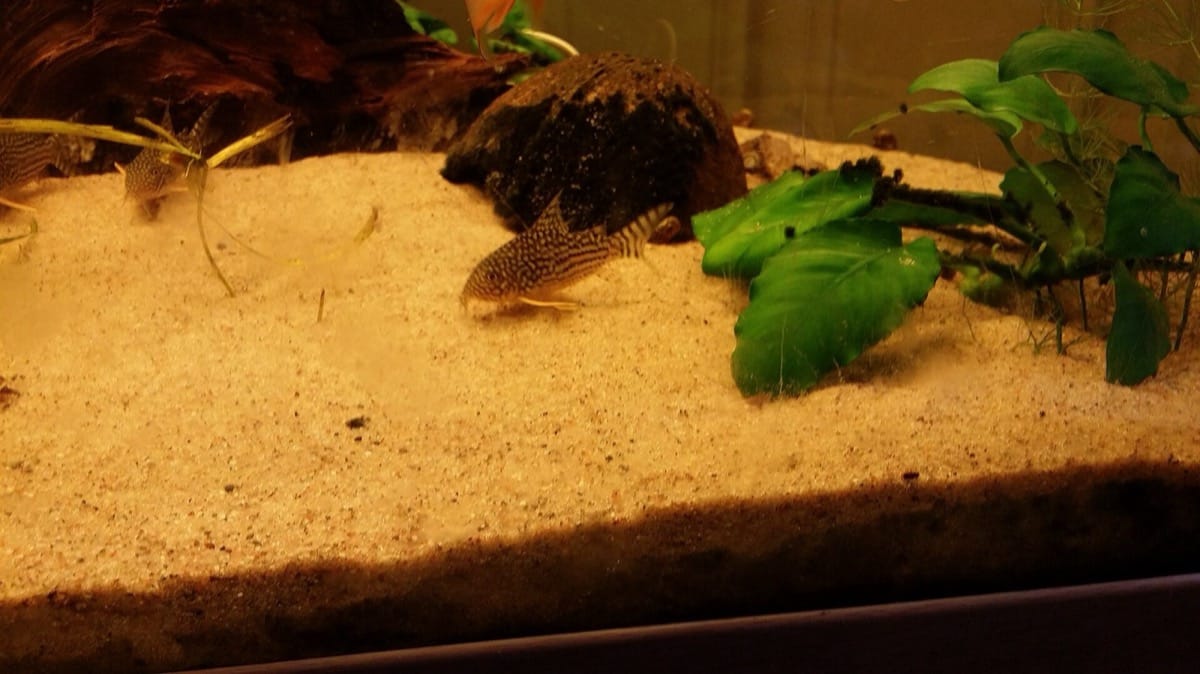
Sterba's coryCorydoras sterbai
- 24–28°C
- pH 6–7.5
- 60 L+
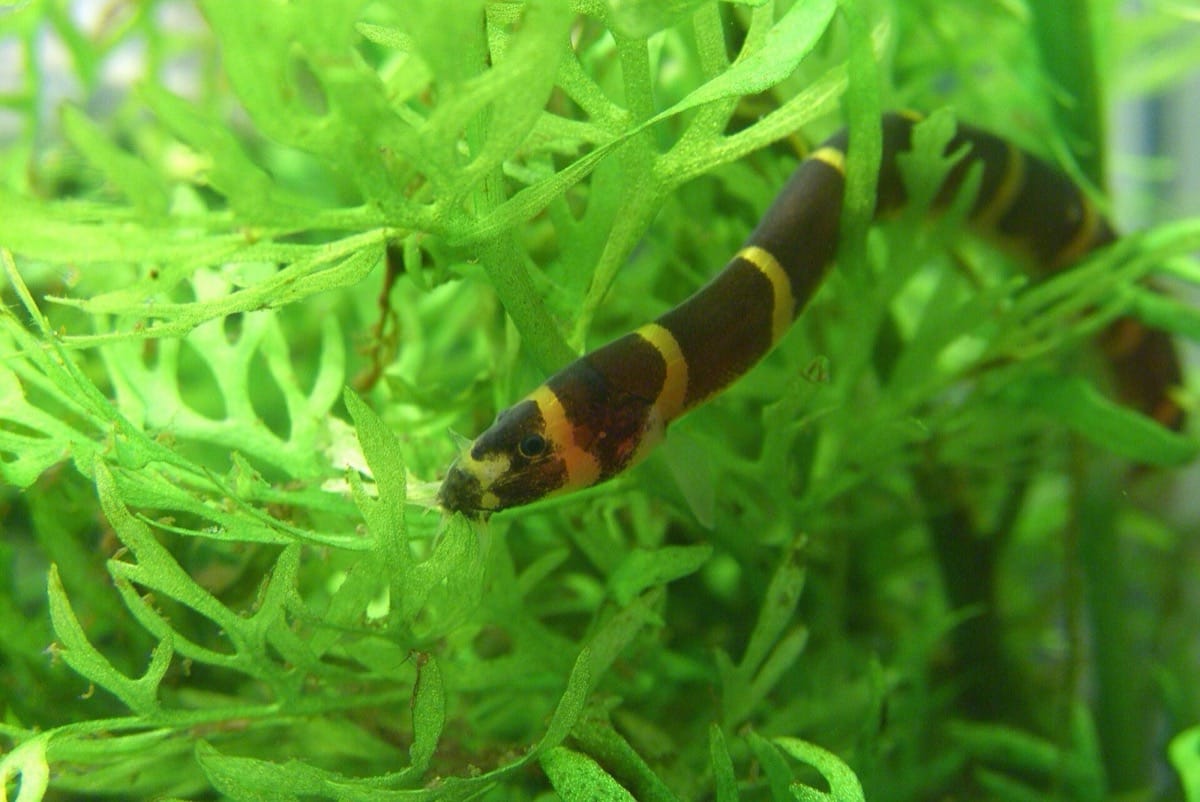
Kuhli loachPangio kuhlii
- 24–28°C
- pH 6–7.5
- 60 L+
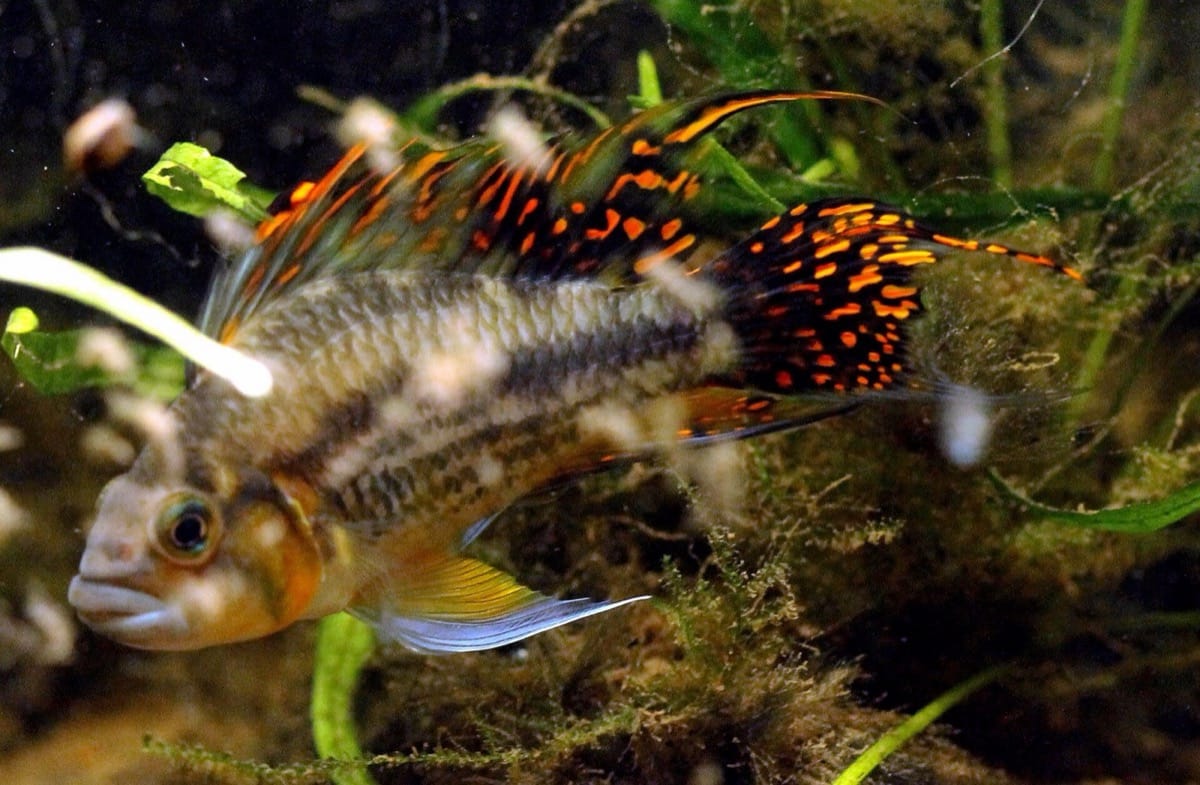
Cockatoo cichlidApistogramma cacatuoides
- 24–28°C
- pH 6–7.5
- 60 L+
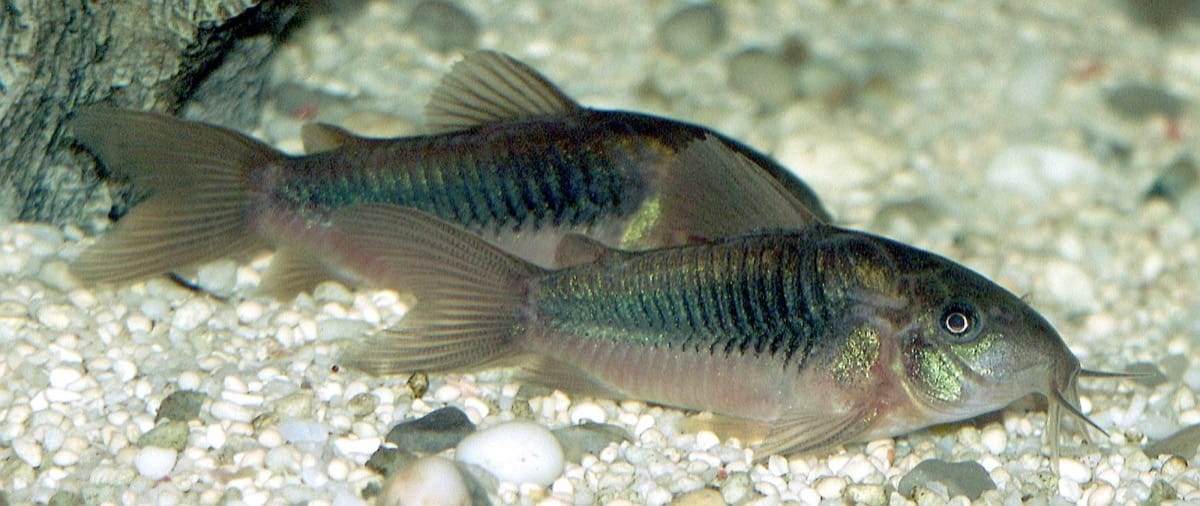
Bronze coryCorydoras aeneus
- 21-27 C
- pH 6.0-8.0
- 80 L+; 80 x 30 cm base
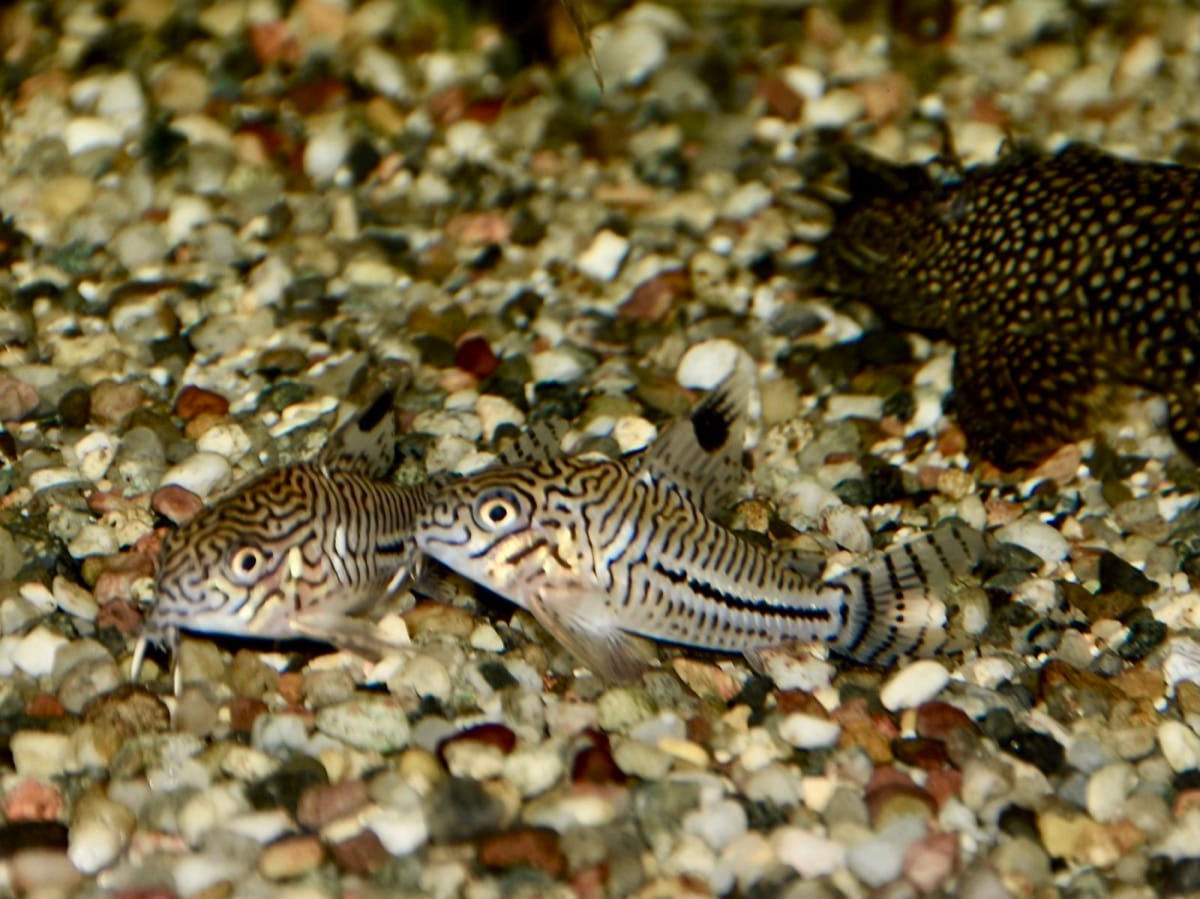
Julii coryCorydoras julii
- 23–27°C
- pH 6–7.5
- 60 L+
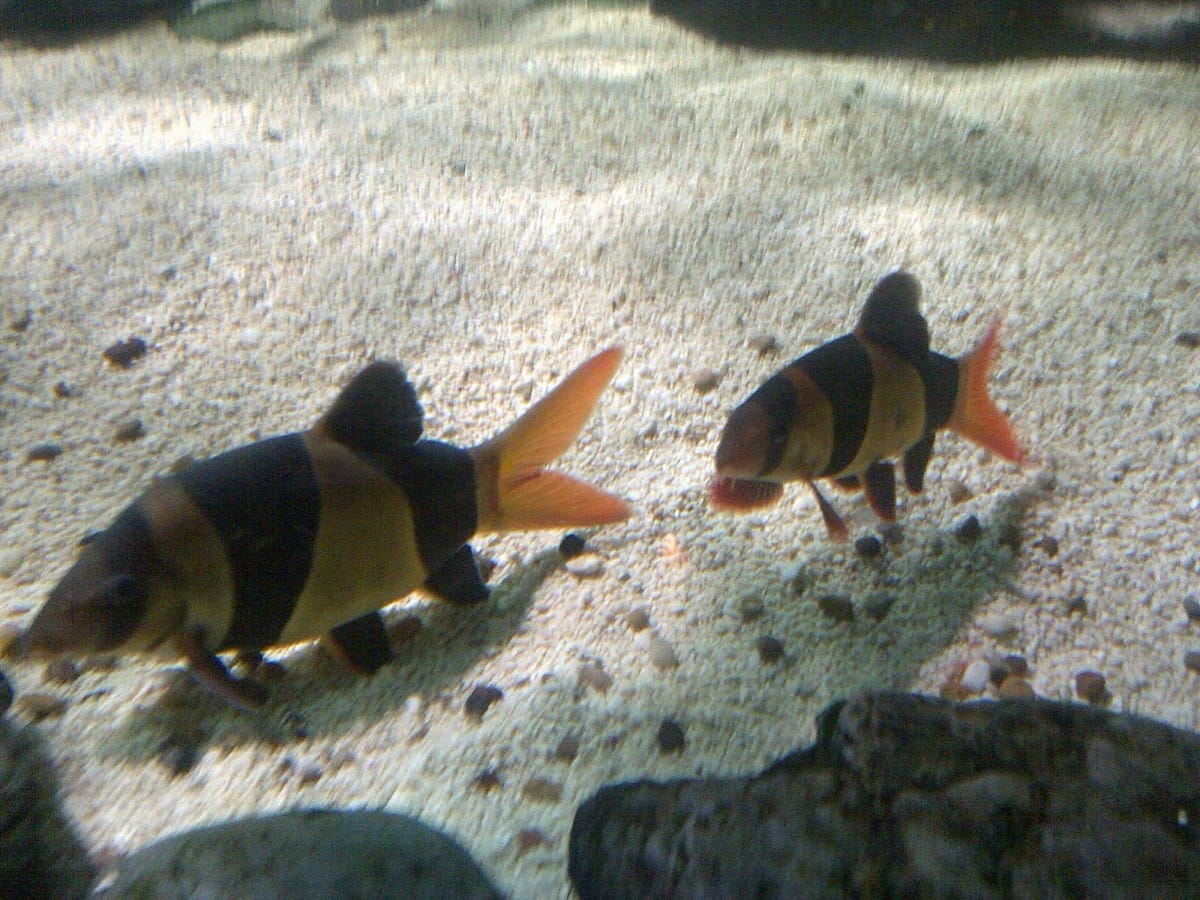
Clown loachChromobotia macracanthus
- 24–30°C
- pH 6–7.5
- 300 L+
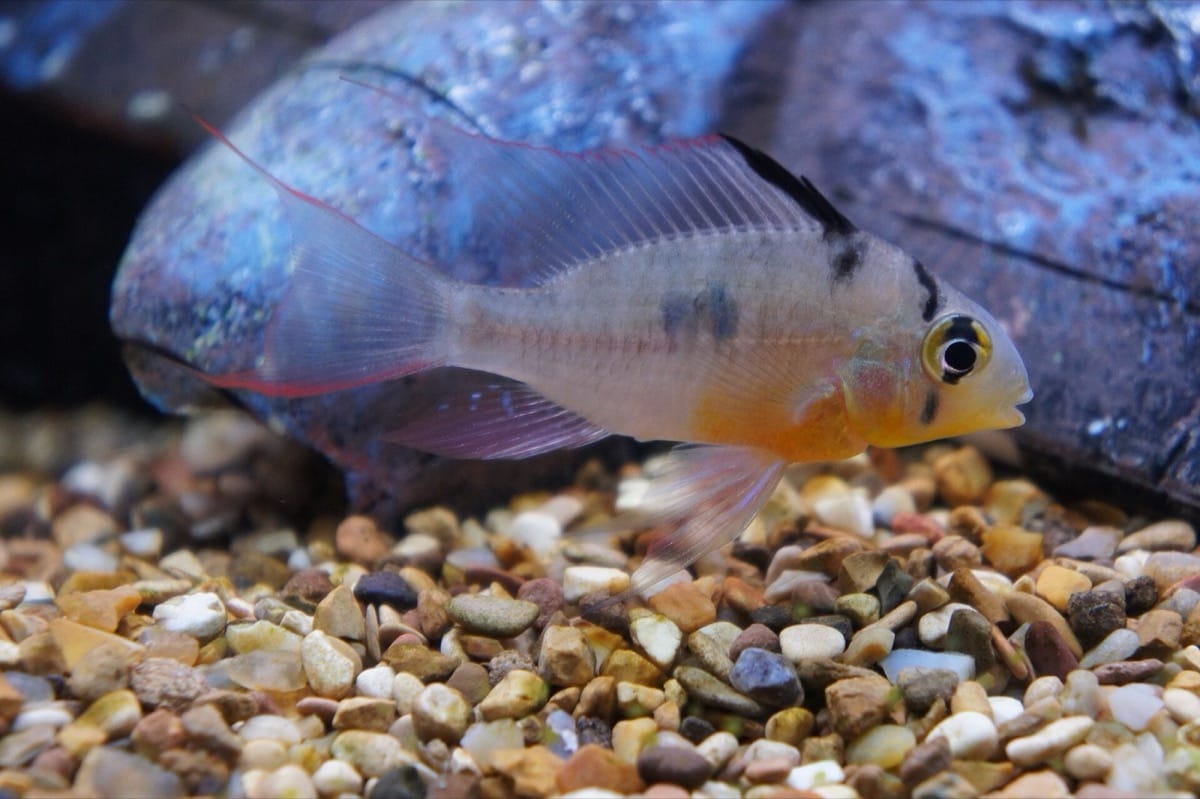
Bolivian ramMikrogeophagus altispinosus
- 24–28°C
- pH 6–7.5
- 90 L+
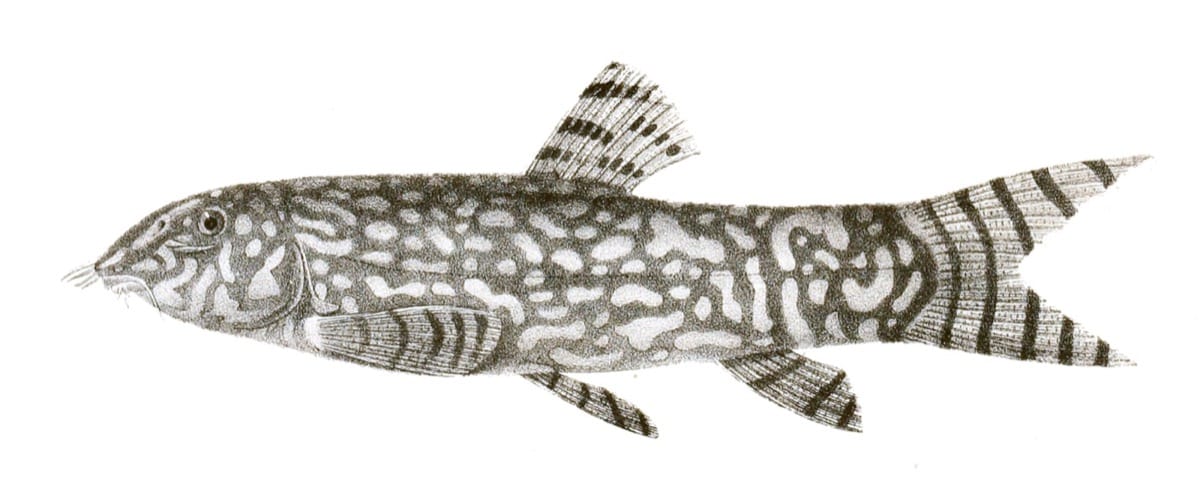
Yoyo loachBotia almorhae
- 24–28°C
- pH 6–8
- 120 L+
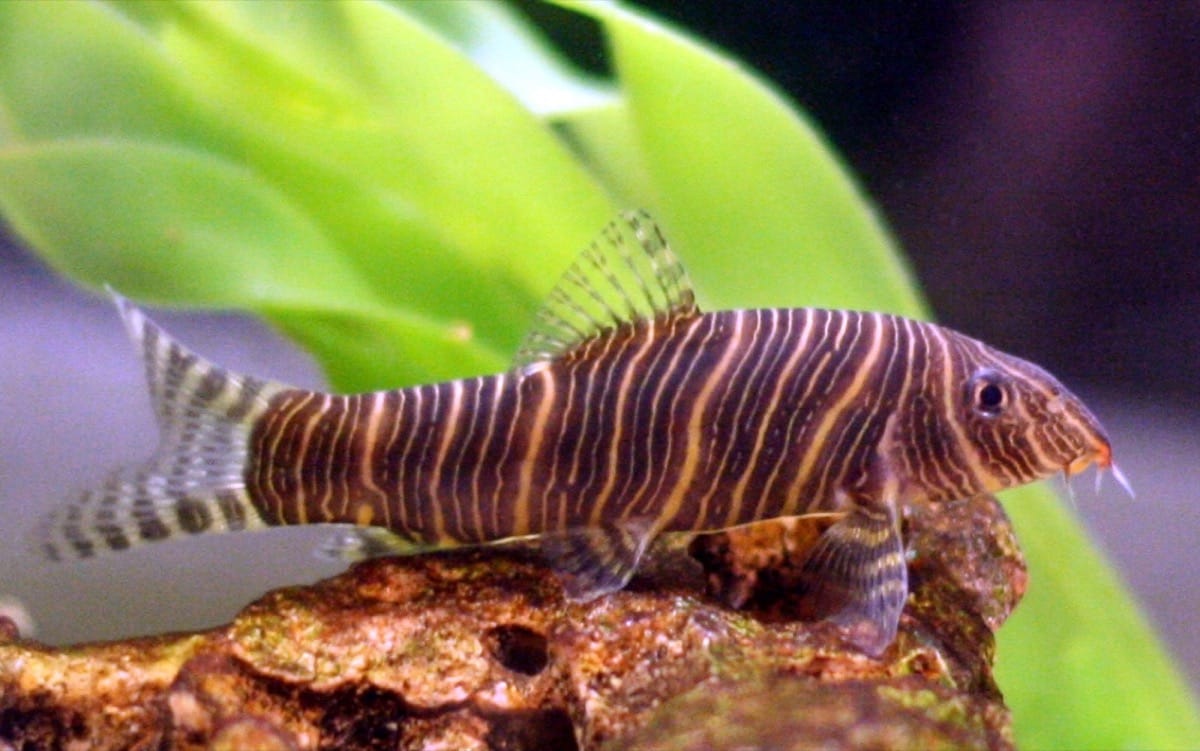
Zebra loachBotia striata
- 23–27°C
- pH 6–7.5
- 90 L+
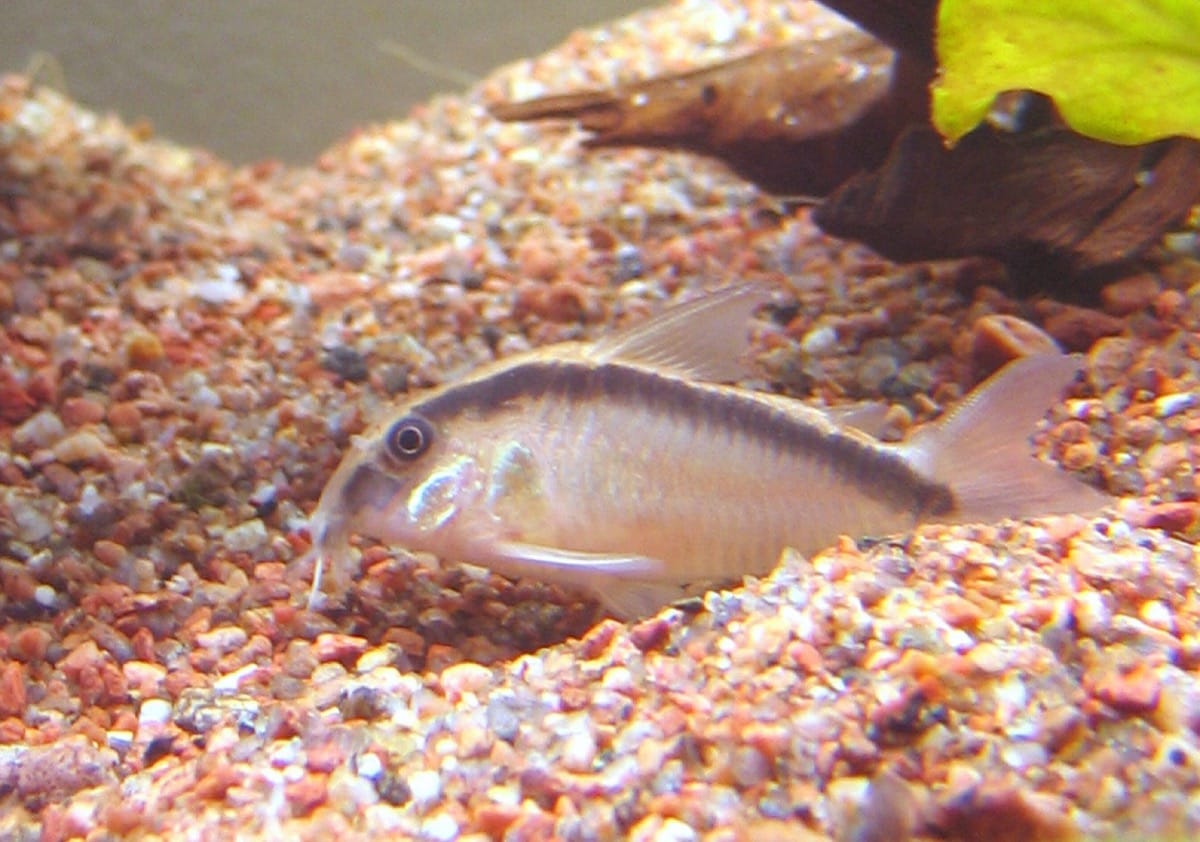
Skunk coryCorydoras arcuatus
- 22–26°C
- pH 6–7.5
- 60 L+
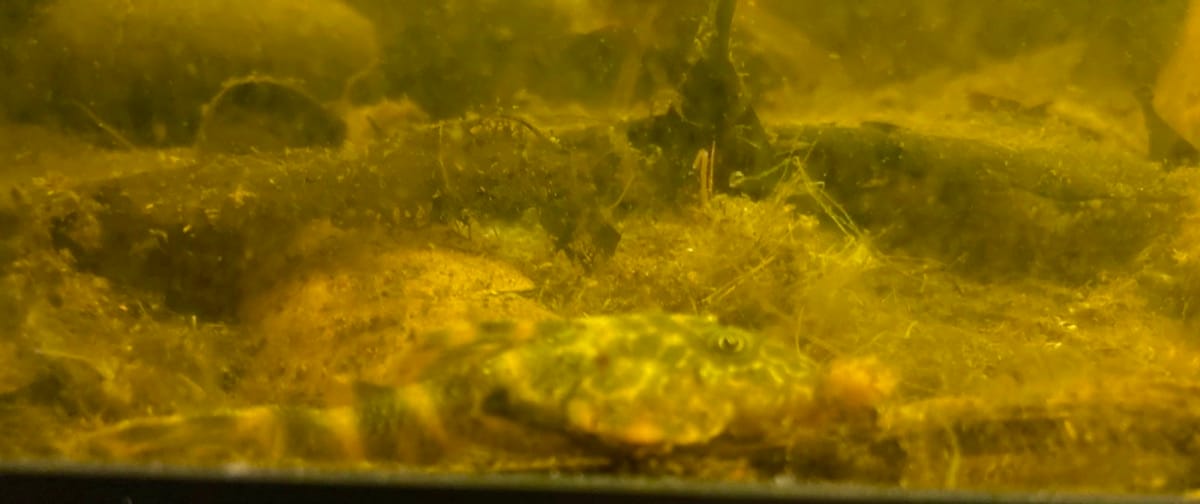
Clown plecoPanaqolus maccus
- 23–28°C
- pH 6.5–7.5
- 80 L+
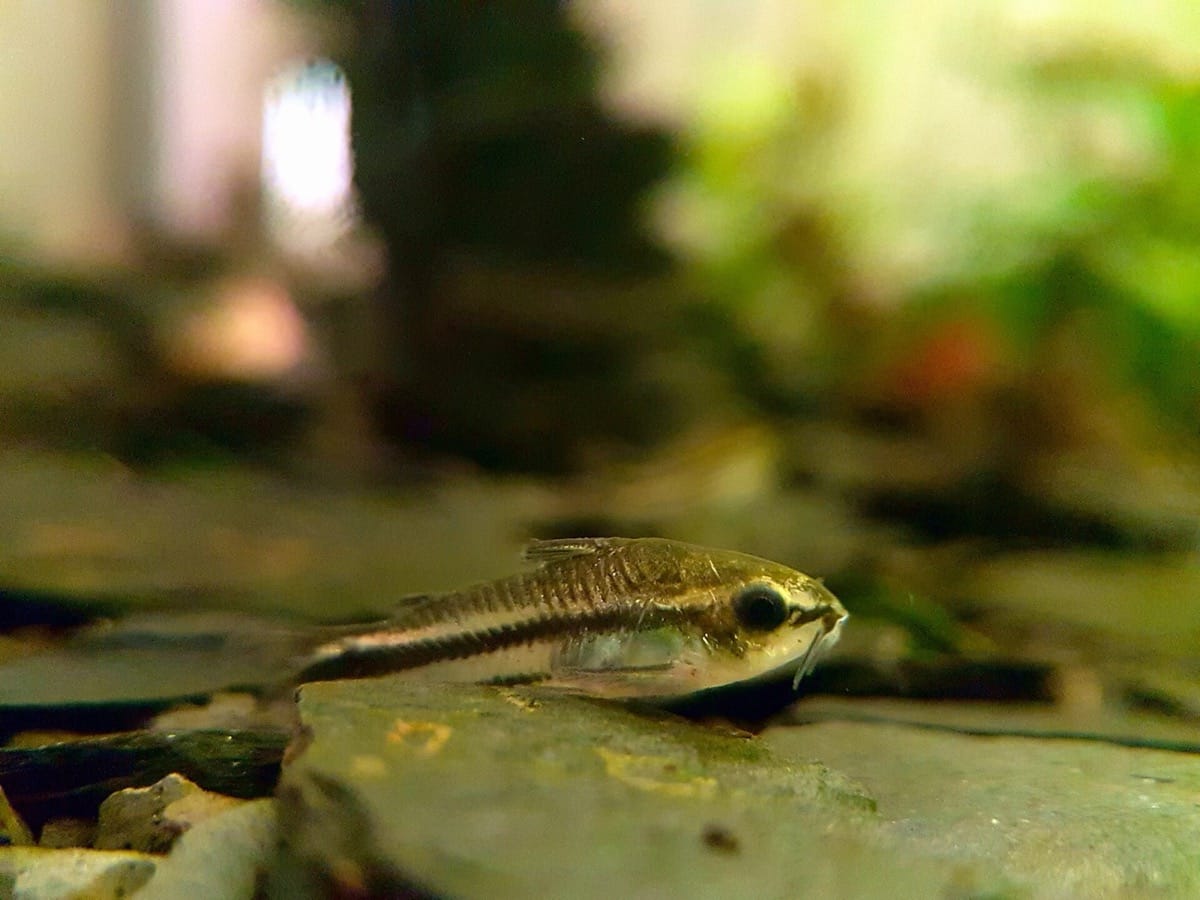
Pygmy coryCorydoras pygmaeus
- 22–27°C
- pH 6–7.5
- 40 L+
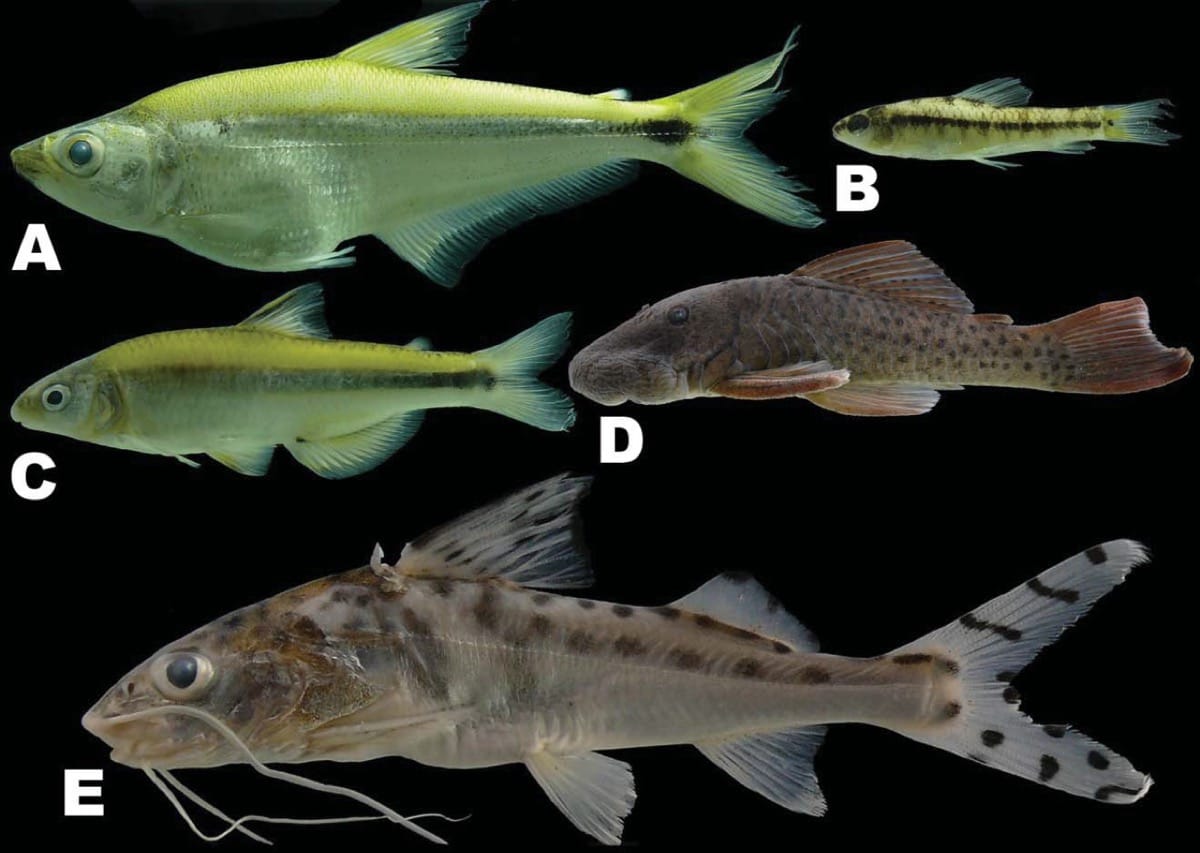
Pictus catfishPimelodus pictus
- 23–27°C
- pH 6–7.5
- 120 L+
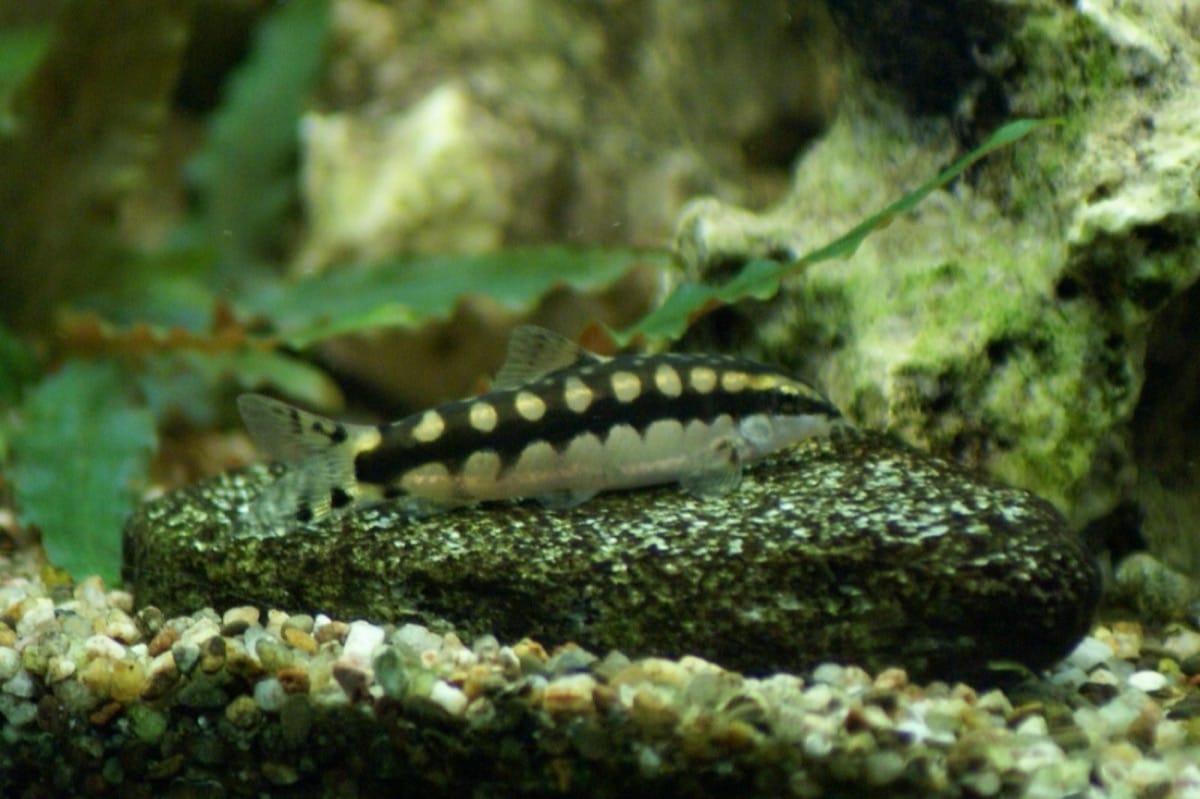
Dwarf chain loachAmbastaia sidthimunki
- 24–28°C
- pH 6–7.5
- 60 L+
Choosing
How to pick from this list
- Start with your water. Test pH and hardness, then keep species that already suit it rather than adjusting the water.
- Plan for adult size. A fish that is small in the shop may grow large. Check the minimum tank on each profile.
- Buy the group, not the single. Most of these species are shoalers and settle best in the numbers shown.
FAQ
Common questions
How many of these can I keep together?
It depends on tank size, filtration and the species’ group size. Use the tank volume and stocking calculators, and add fish gradually.
Do these species need a heater?
Most listed here are tropical and need a heater. Cool-water species are marked, and suit unheated tanks in a warm room.
Can I mix species from this collection?
Often yes, if they share water and temperature needs and neither is aggressive. Check each profile’s tank-mate notes first.