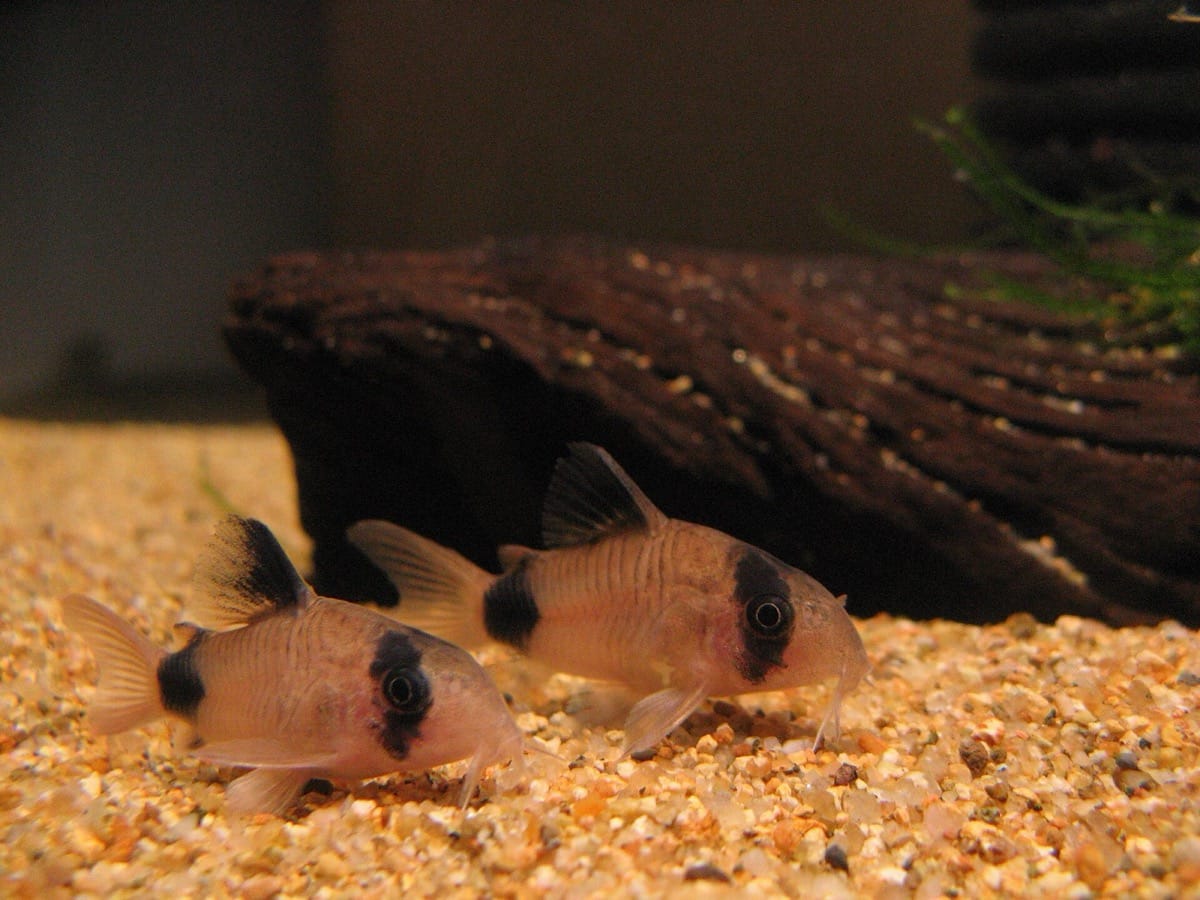
A small, active bottom-dweller for a group. Prefers a soft substrate and clean, oxygen-rich water.
- Temperature22–26 °C
- pH6–7.5
- Minimum tank50 L
- DifficultyBeginner
| Food | Sinking pellets + bloodworm |
|---|---|
| Feeding | 1–2 feeds a day |
| Water change | 25% weekly |
Behaviour and habits
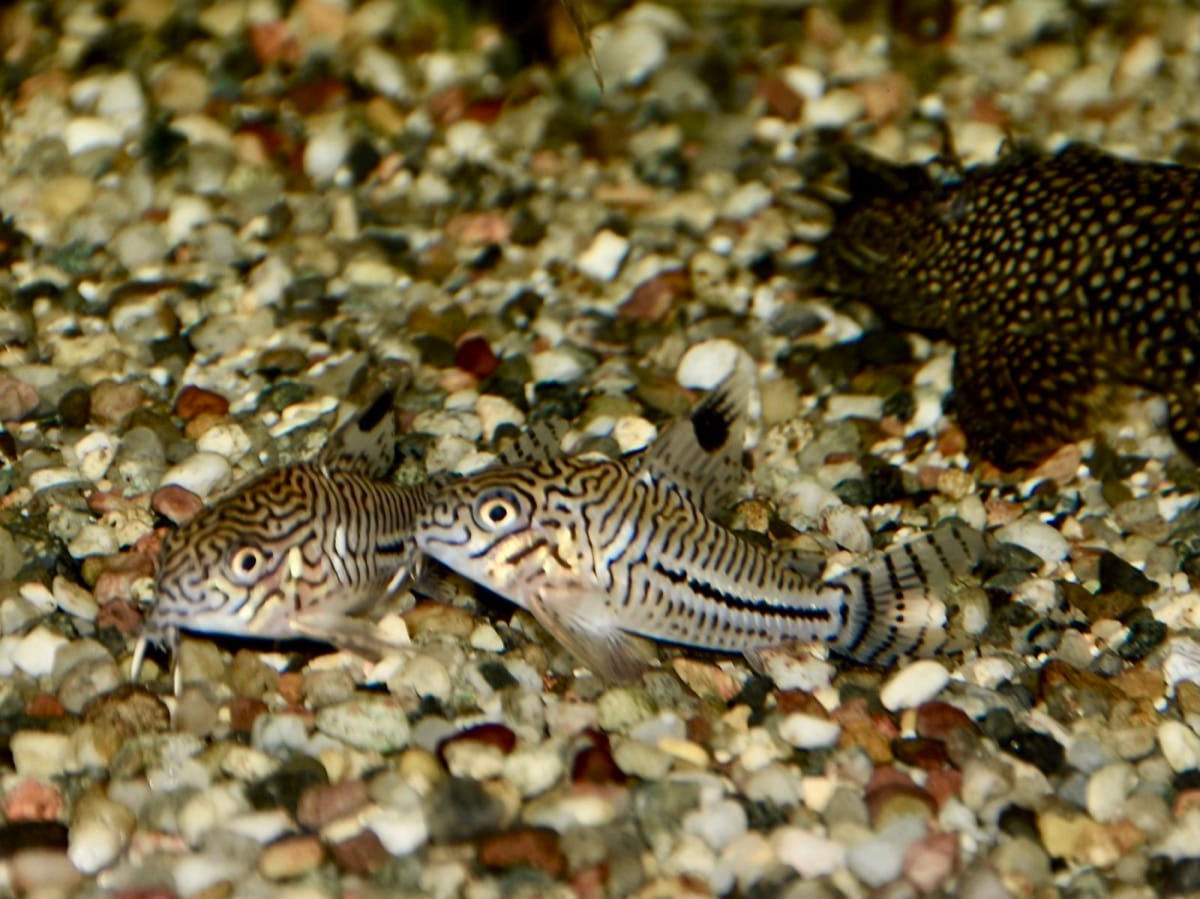
The panda cory is a small, active and comical bottom-dweller with distinctive black eye and tail markings. It shoals closely, sifts the substrate for food and darts to the surface for air, and is far bolder and more entertaining in a group of six or more than when kept in ones and twos.
What to feed, and how often
Sinking pellets or tablets plus frozen bloodworm and daphnia; feed once or twice a day, dropping the food near the group so it reaches the bottom. They are unfussy but need their share before faster surface fish steal it.
Water changes and maintenance
Change 25% weekly with a gentle surface vacuum. Soft, rounded sand protects their barbels, and clean, well-oxygenated, slightly cooler water keeps them in good condition.
Care and how easy it is
Easy and peaceful; keep a group of six on soft sand with caves and plants, and keep the water clean.
Lifespan
With good conditions and steady water quality, this species typically lives around 5–8 years in a home aquarium; some individuals live longer.
Common health problems
Barbel erosion on rough gravel, and fin rot in dirty water; otherwise hardy.
If it gets sick
Fix the substrate and water first, then treat, and watch the barbels and fins for a few days before escalating.
Good tank mates
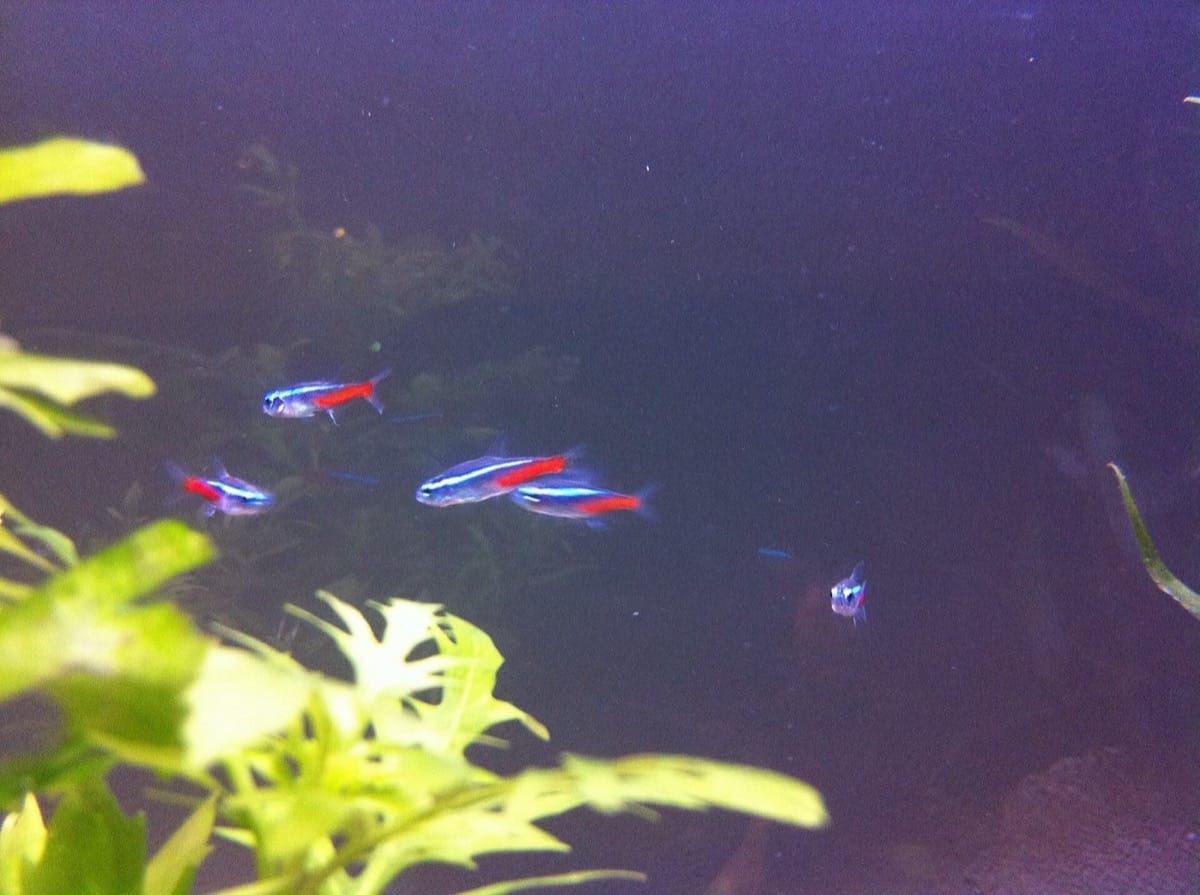
- 21-25 C
- pH 6.0-7.5
- 60 L+; 60 x 30 cm base
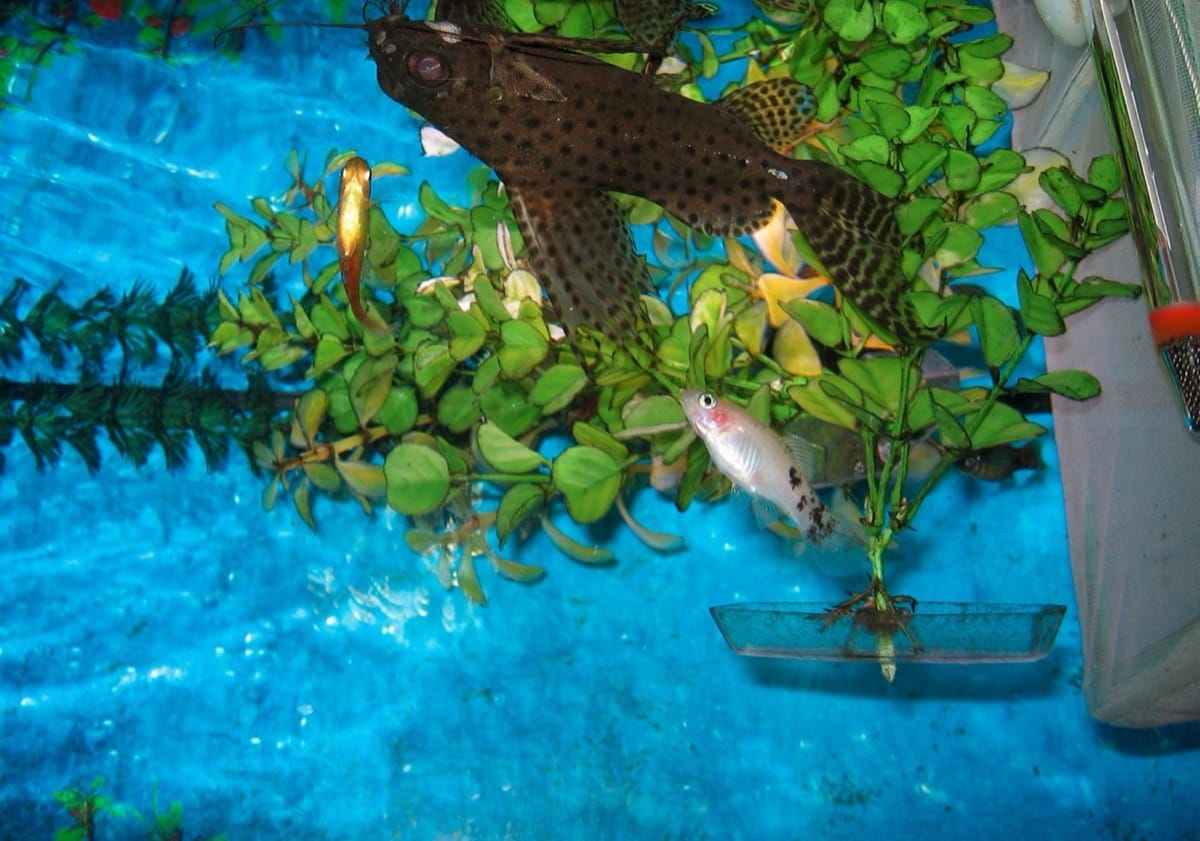
- 20–26°C
- pH 7–8.2
- 50 L+
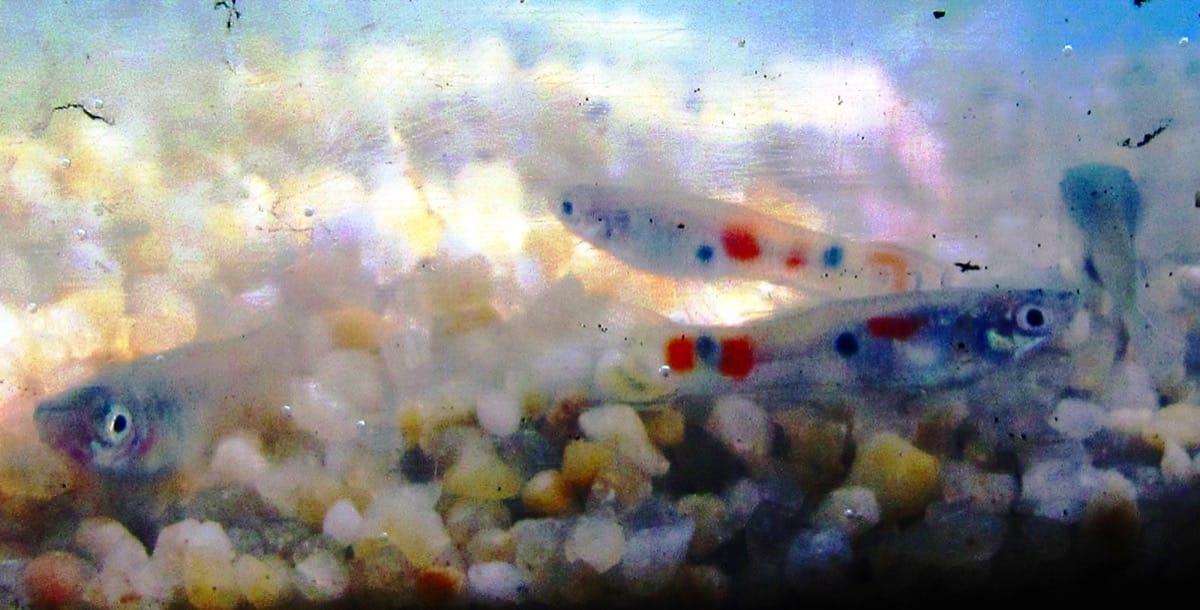
- 22-26 C
- pH 7.0-8.5
- 60 L+; 60 x 30 cm base
- 22–28°C
- pH 7–8.5
- 70 L+
Best avoided with
Similar species
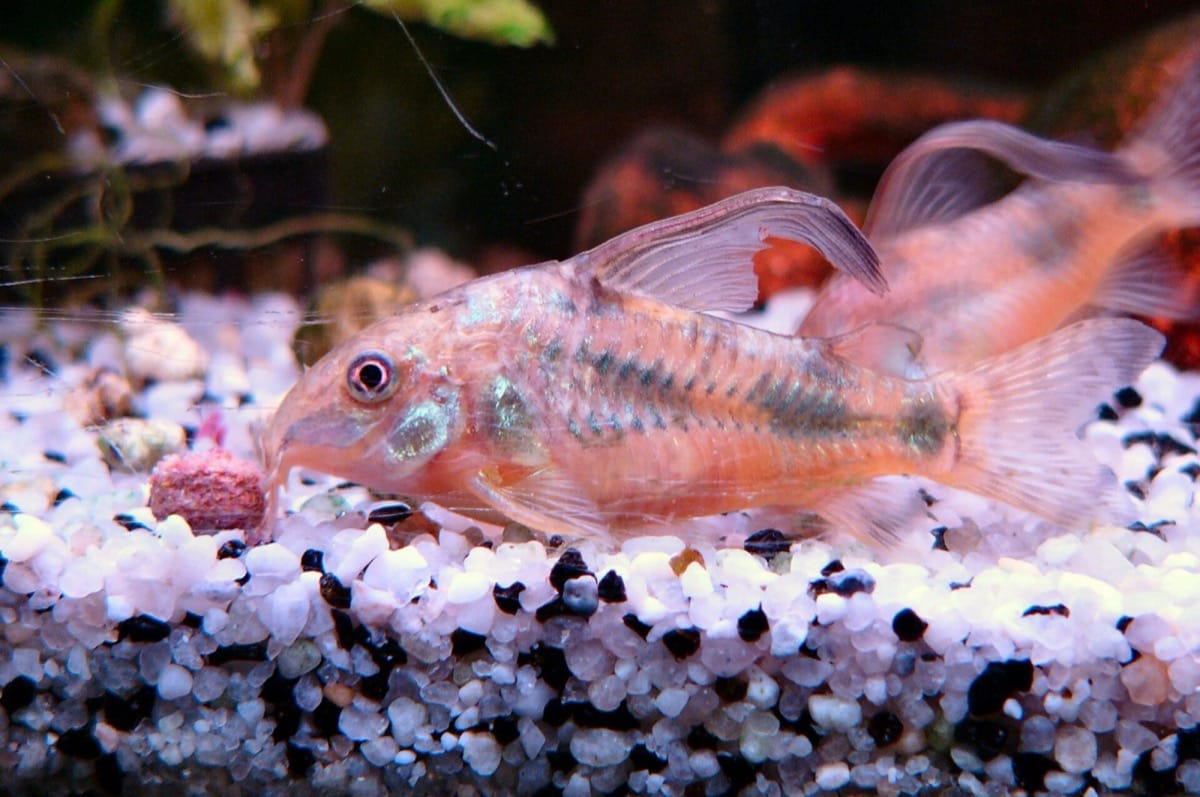
- 20–26°C
- pH 6–7.8
- 60 L+
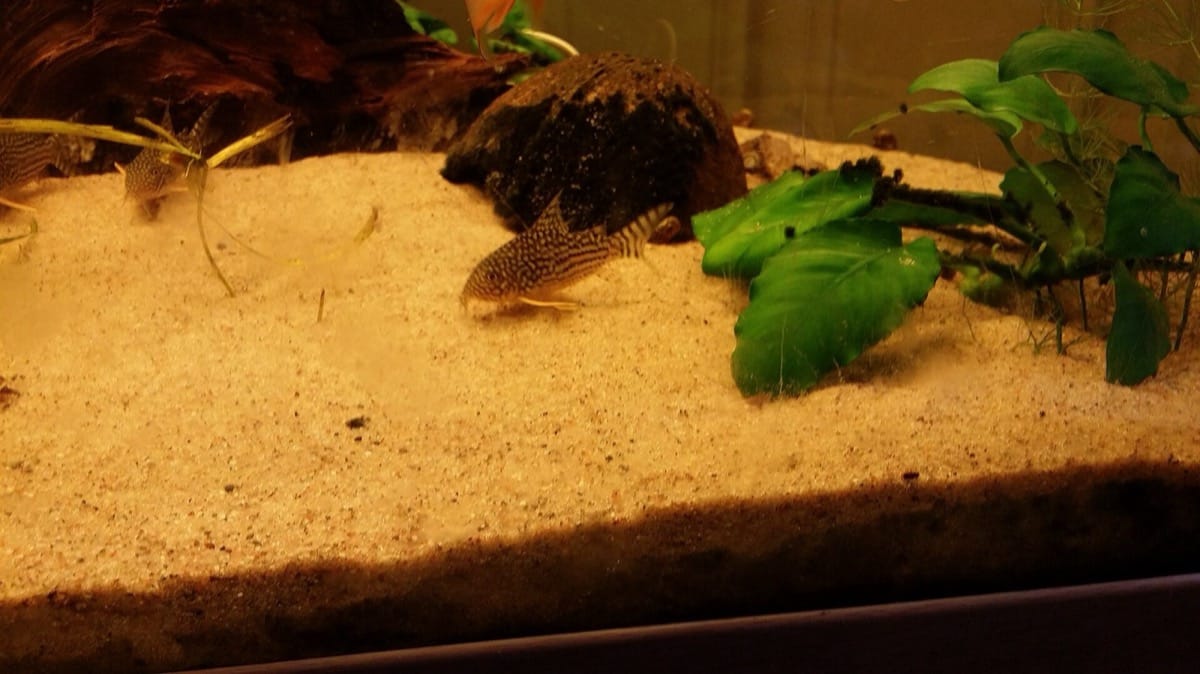
- 24–28°C
- pH 6–7.5
- 60 L+
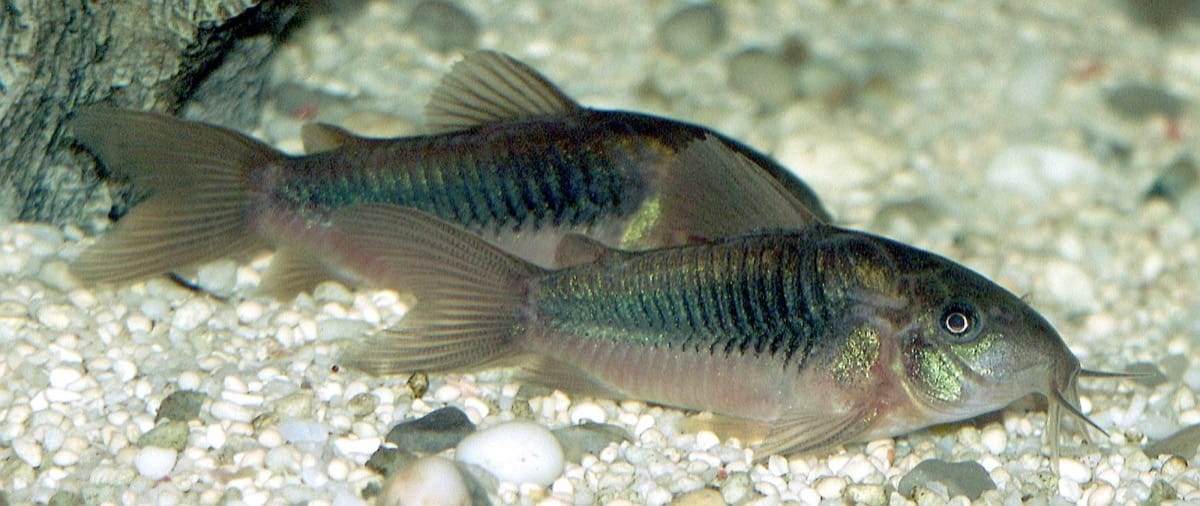
- 21-27 C
- pH 6.0-8.0
- 80 L+; 80 x 30 cm base
- 23–27°C
- pH 6–7.5
- 60 L+
Compare at a glance
| Parameters | Panda cory | Corydoras | Sterba's cory | Bronze cory |
|---|---|---|---|---|
| Parameters | ||||
| Temp | 22–26 °C | 20–26 °C | 24–28 °C | 22–27 °C |
| pH | 6–7.5 | 6–7.8 | 6–7.5 | 6–8 |
| GH | 4–15 °dGH | 2–15 °dGH | 4–15 °dGH | 4–18 °dGH |
| Min. tank | 50 L | 60 L | 60 L | 60 L |
| Size | 5 cm | 6 cm | 7 cm | 7 cm |
| Diet | Omnivore | Omnivore | Omnivore | Omnivore |
| Temperament | Peaceful | Peaceful | Peaceful | Peaceful |
| Difficulty | Beginner | Beginner | Beginner | Beginner |
Care guides
New to the words? See the aquarium glossary.
Sources and research notes
Parameters are typical ranges for the species in home aquariums and vary with the individual fish and the water you use.