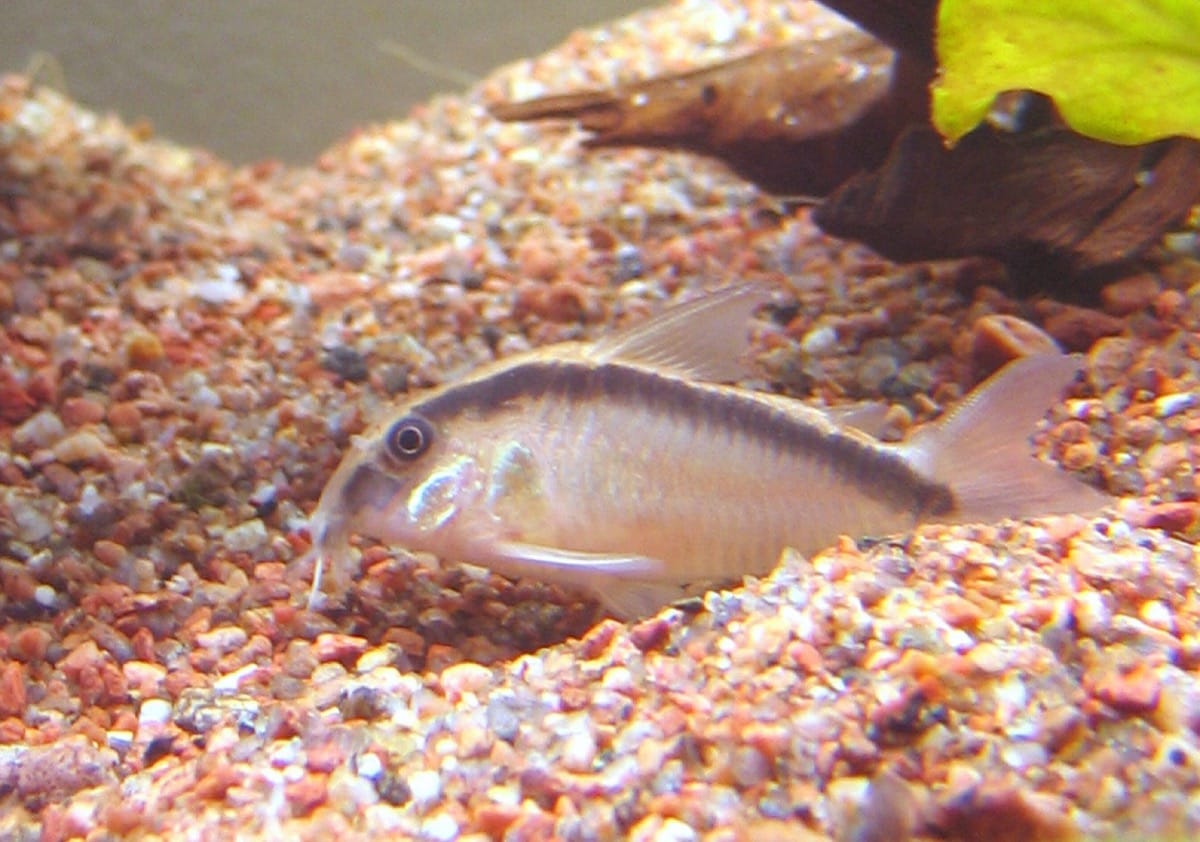
A neat little cory with a dark stripe along its back; peaceful and easy in a group.
- Temperature22–26 °C
- pH6–7.5
- Minimum tank60 L
- DifficultyBeginner
| Food | Sinking pellets + bloodworm |
|---|---|
| Feeding | 1–2 feeds a day |
| Water change | 25% weekly |
Behaviour and habits
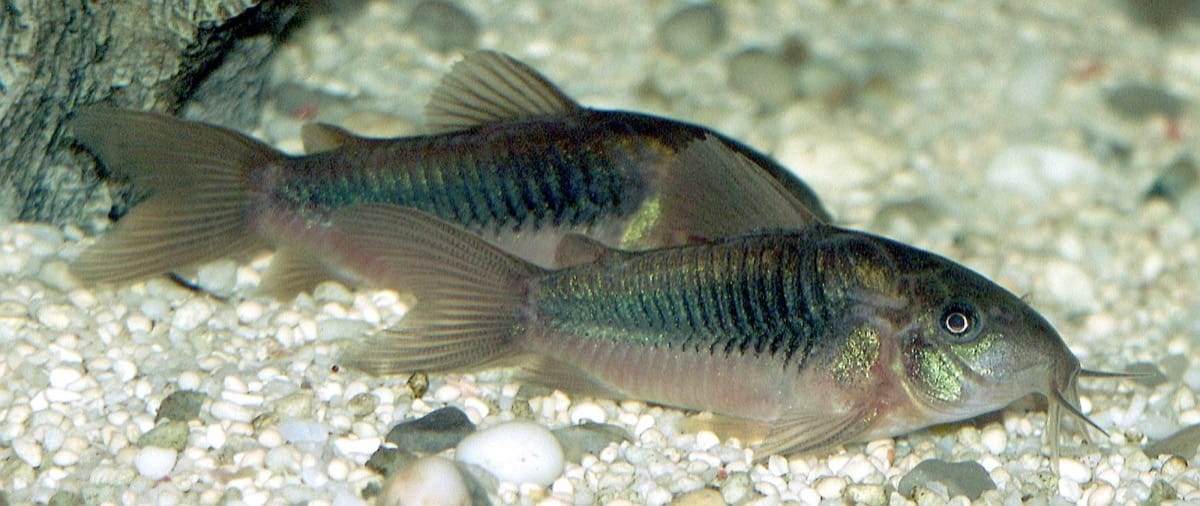
The skunk cory is a peaceful, sociable bottom-dweller with a bold dark stripe running right over the head, like a skunk's stripe, over a pale body. It shoals tightly, sifts the substrate for food and darts to the surface for air, and it is far bolder and more entertaining in a group of six or more. It spends its day working the substrate and resting in loose company, and it is a hardy, undemanding community fish.
What to feed, and how often
Sinking pellets or tablets plus frozen bloodworm, daphnia and the odd insect-based food. Feed once or twice a day, dropping it near the group so it reaches the bottom; they are unfussy but need their share before faster surface fish steal it.
Water changes and maintenance
Change 25% weekly with a gentle surface vacuum. Soft, rounded sand protects their barbels, and clean, well-oxygenated water keeps them in condition.
Care and how easy it is
Easy and peaceful; keep a group of six on soft sand with caves and plants, and keep the water clean.
Common health problems
Barbel erosion on rough gravel, and fin rot in dirty water; otherwise hardy.
If it gets sick
Fix the substrate and water first, then treat, and watch the barbels for a few days before escalating.
Good tank mates
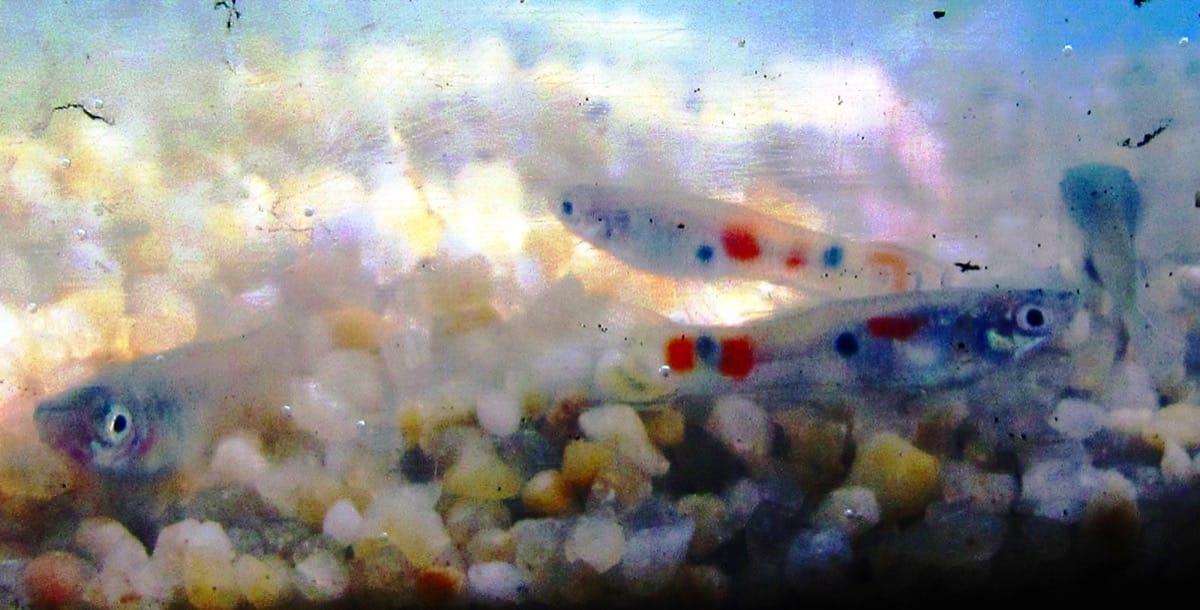
- 22-26 C
- pH 7.0-8.5
- 60 L+; 60 x 30 cm base
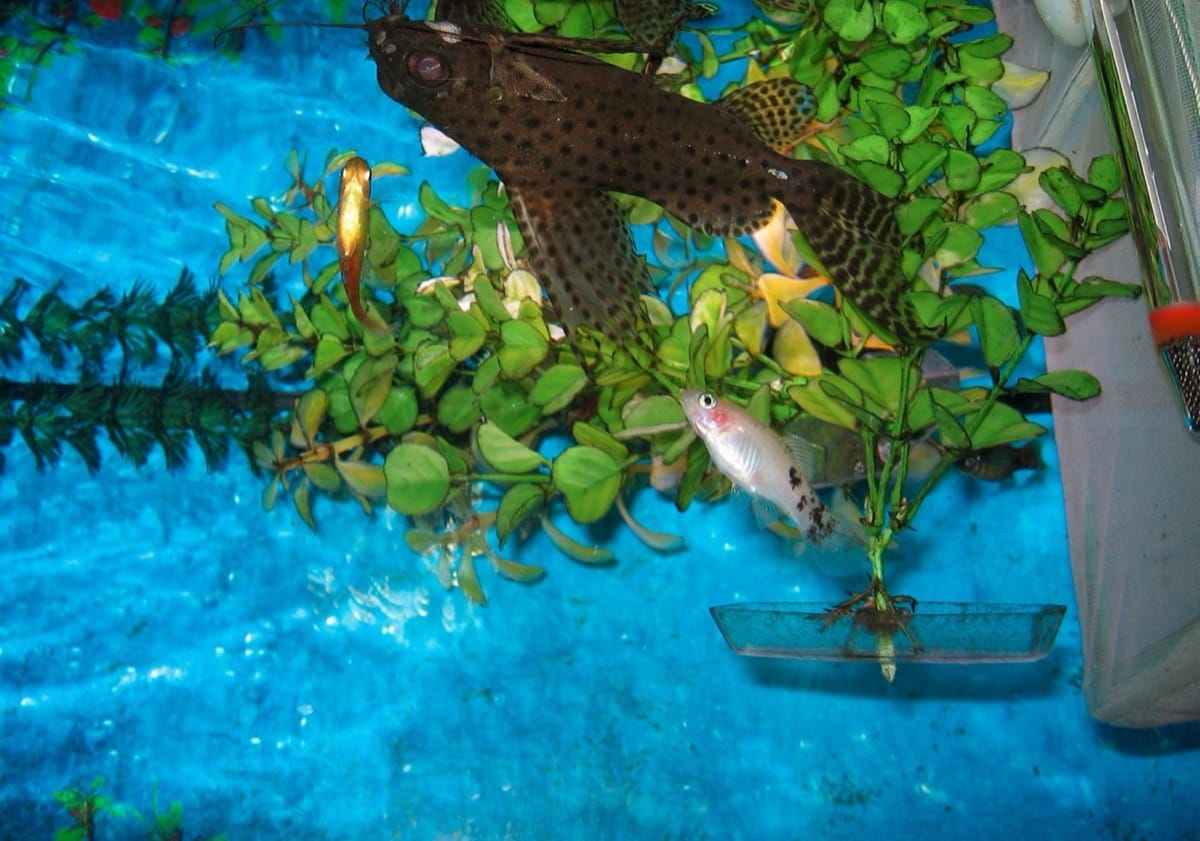
- 20–26°C
- pH 7–8.2
- 50 L+
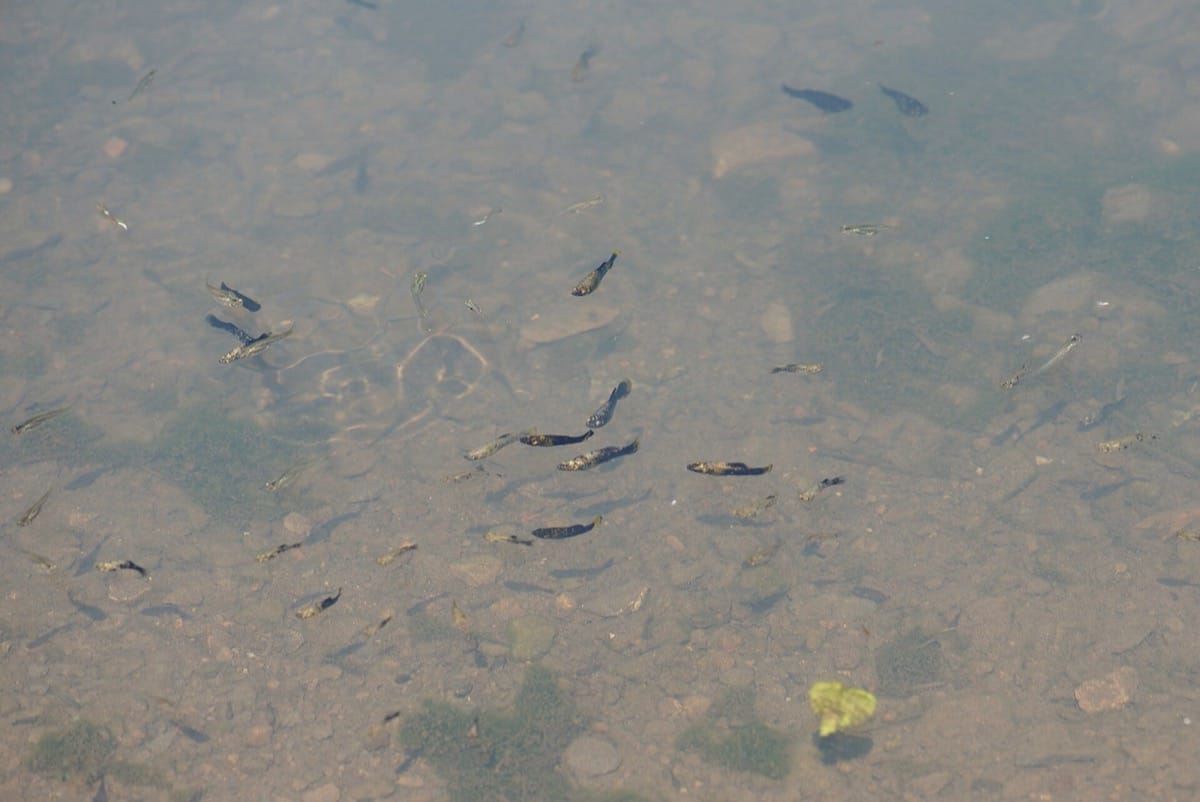
- 22–28°C
- pH 7–8.5
- 70 L+
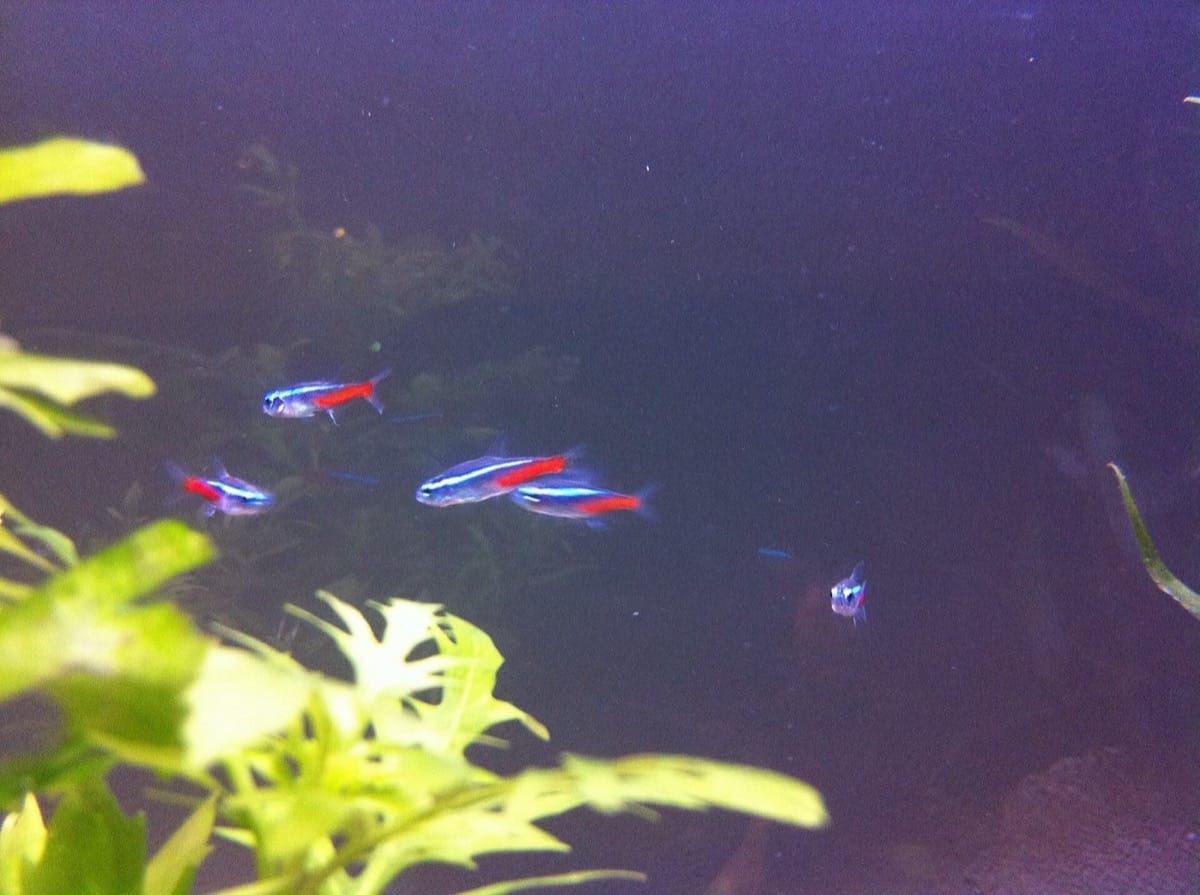
- 21-25 C
- pH 6.0-7.5
- 60 L+; 60 x 30 cm base
Best avoided with
Similar species
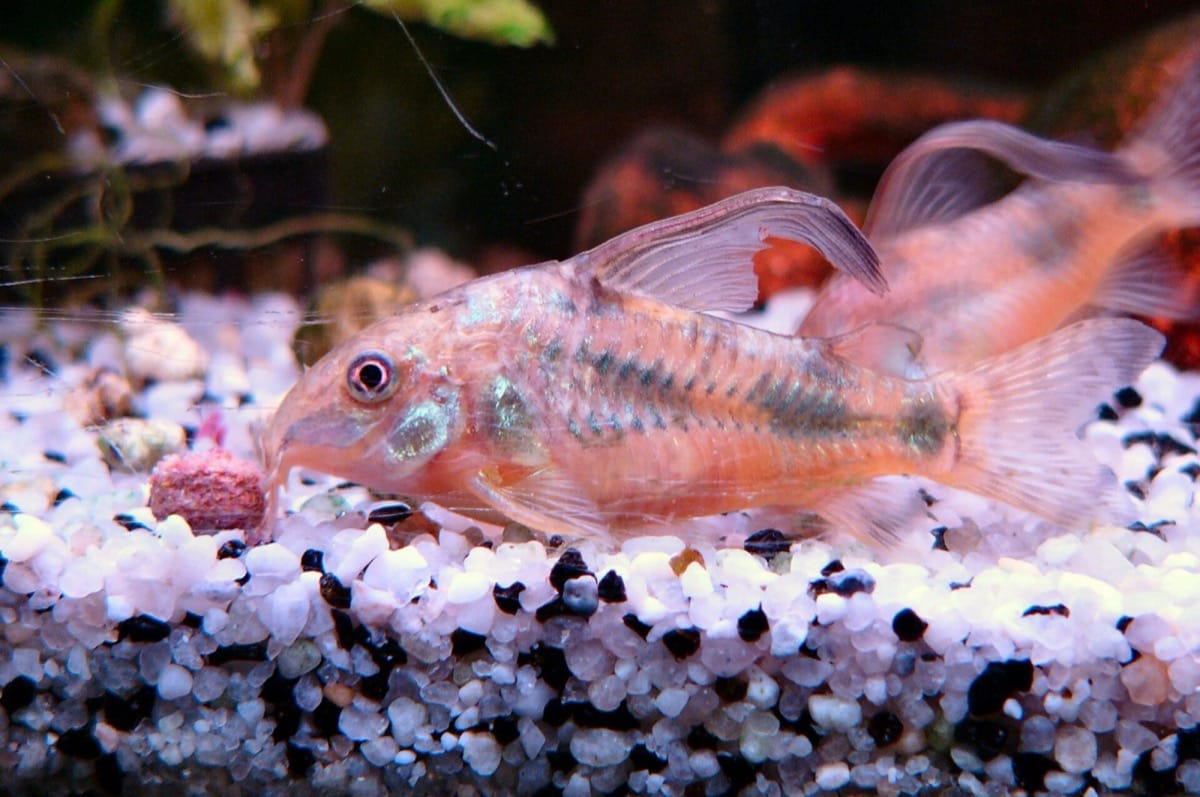
- 20–26°C
- pH 6–7.8
- 60 L+
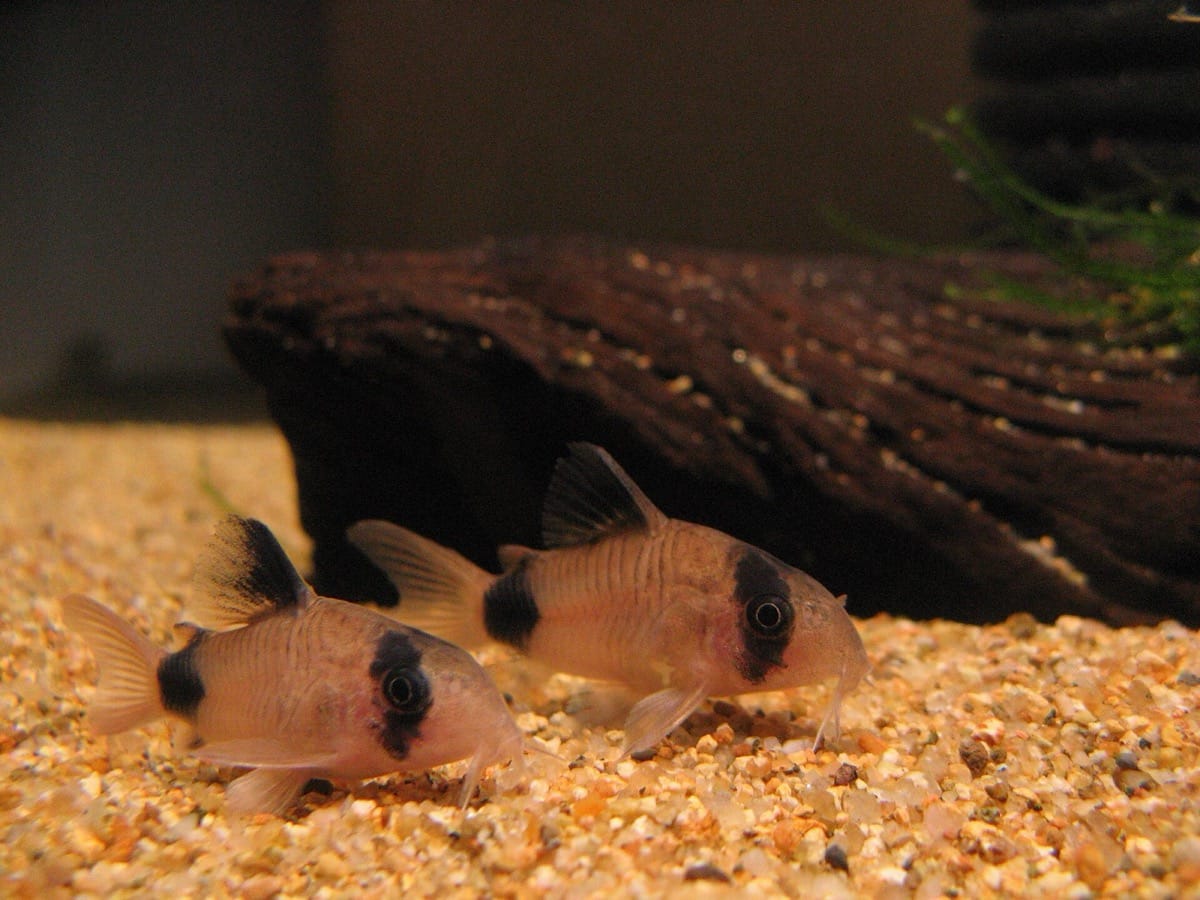
- 22–26°C
- pH 6–7.5
- 50 L+
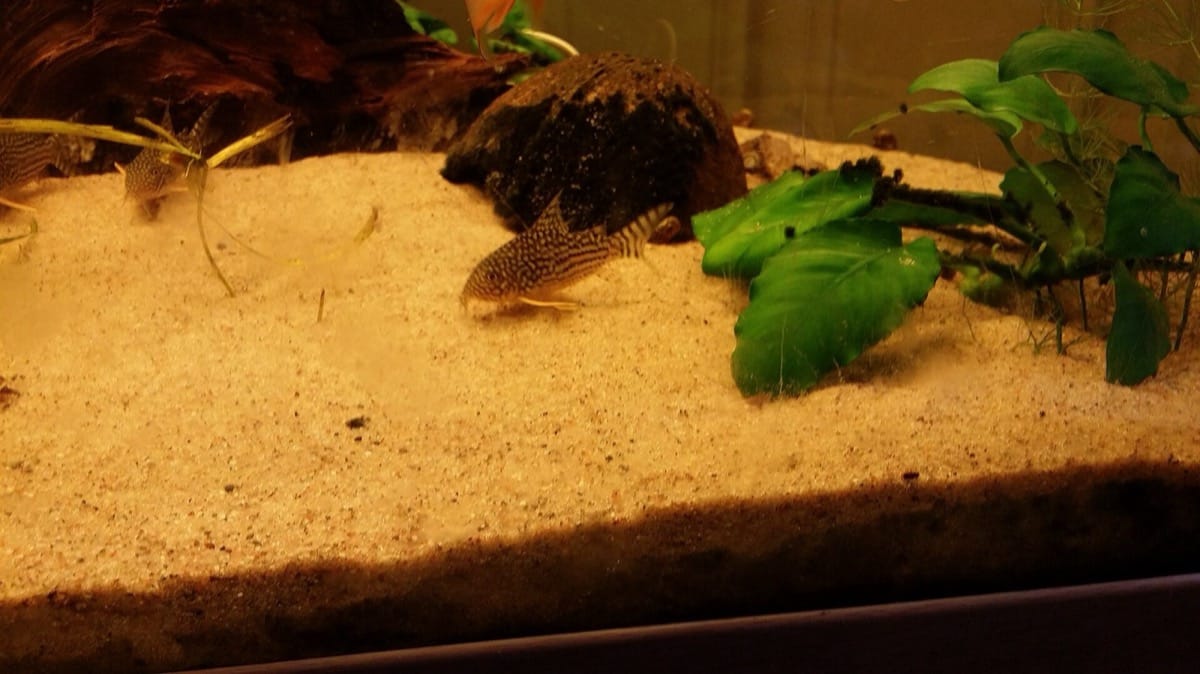
- 24–28°C
- pH 6–7.5
- 60 L+
- 21-27 C
- pH 6.0-8.0
- 80 L+; 80 x 30 cm base
Compare at a glance
| Parameters | Skunk cory | Corydoras | Panda cory | Sterba's cory |
|---|---|---|---|---|
| Parameters | ||||
| Temp | 22–26 °C | 20–26 °C | 22–26 °C | 24–28 °C |
| pH | 6–7.5 | 6–7.8 | 6–7.5 | 6–7.5 |
| GH | 2–15 °dGH | 2–15 °dGH | 4–15 °dGH | 4–15 °dGH |
| Min. tank | 60 L | 60 L | 50 L | 60 L |
| Size | 5 cm | 6 cm | 5 cm | 7 cm |
| Diet | Omnivore | Omnivore | Omnivore | Omnivore |
| Temperament | Peaceful | Peaceful | Peaceful | Peaceful |
| Difficulty | Beginner | Beginner | Beginner | Beginner |
Care guides
New to the words? See the aquarium glossary.
Sources and research notes
Parameters are typical ranges for the species in home aquariums and vary with the individual fish and the water you use.