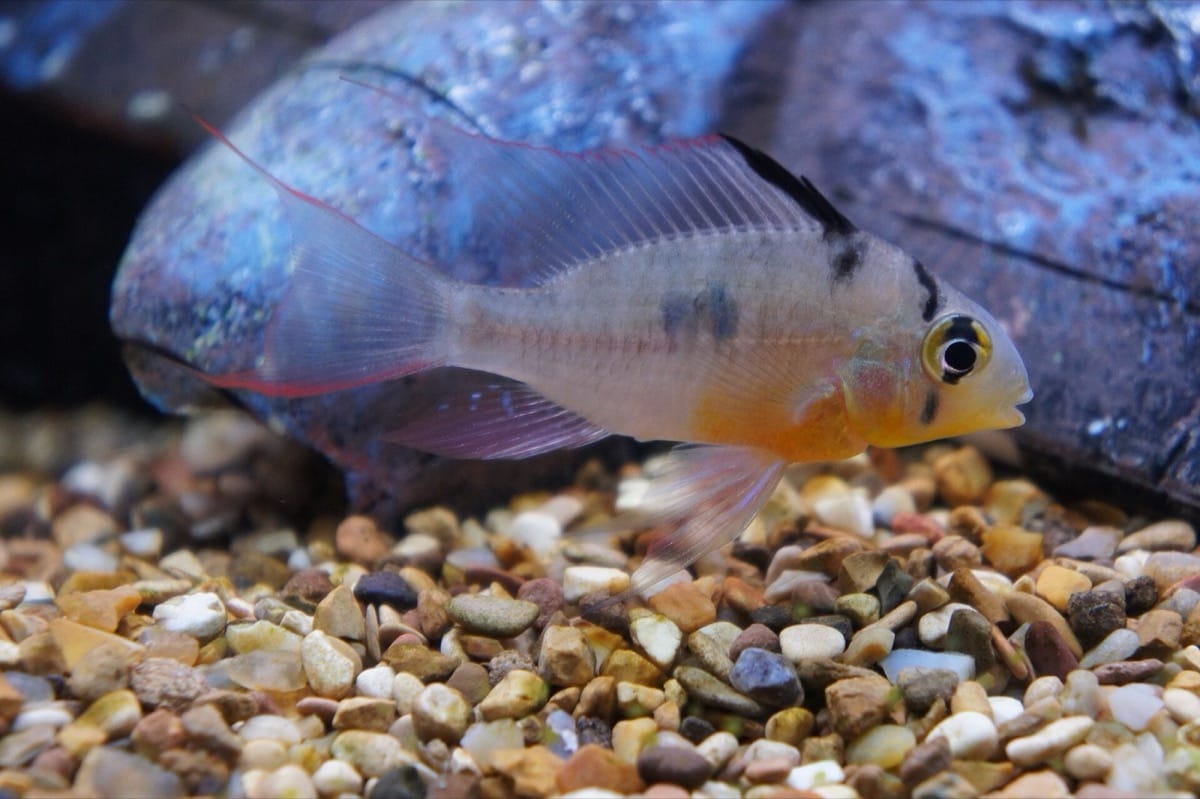
A peaceful, hardy dwarf cichlid — far more forgiving than the German blue ram.
- Temperature24–28 °C
- pH6–7.5
- Minimum tank90 L
- DifficultyBeginner
| Food | Cichlid pellet + frozen bloodworm |
|---|---|
| Feeding | 1–2 feeds a day |
| Water change | 25% weekly |
Behaviour and habits
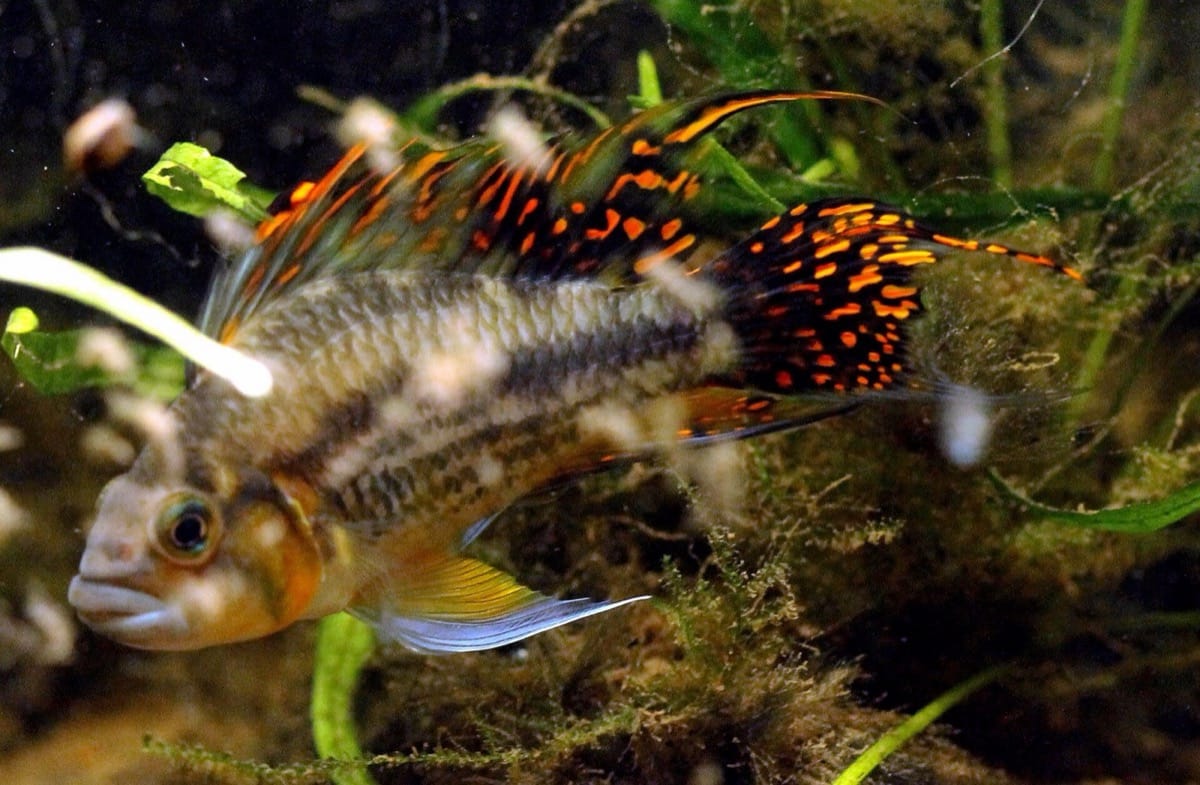
The Bolivian ram is a calm, sturdy dwarf cichlid — far more forgiving than the delicate German blue ram, and the best first dwarf cichlid for most keepers. It pairs up, sifts the substrate for food and patrols a small territory, turning territorial only when spawning. It is peaceful enough for a community and, given cover and calm tankmates, spends its day working the bottom in a relaxed, unhurried way.
What to feed, and how often
An omnivore that leans on protein: a cichlid granule plus frozen bloodworm, daphnia and mysis. Feed once or twice a day, and use sinking food, since it sifts the bottom; a varied diet keeps its colour and condition strong.
Water changes and maintenance
Change about 25% weekly in soft-to-neutral water. It is more tolerant of water than other dwarf cichlids, which is what makes it the best first one, but it still appreciates clean, stable conditions.
Care and how easy it is
Hardy among dwarf cichlids; keep it in a mature tank with cover and peaceful tankmates rather than a busy community.
Common health problems
Prone to internal parasites and fin rot under stress.
If it gets sick
Quarantine and deworm new stock, keep the water clean, and treat early in isolation if a fish goes thin or dark.
Good tank mates
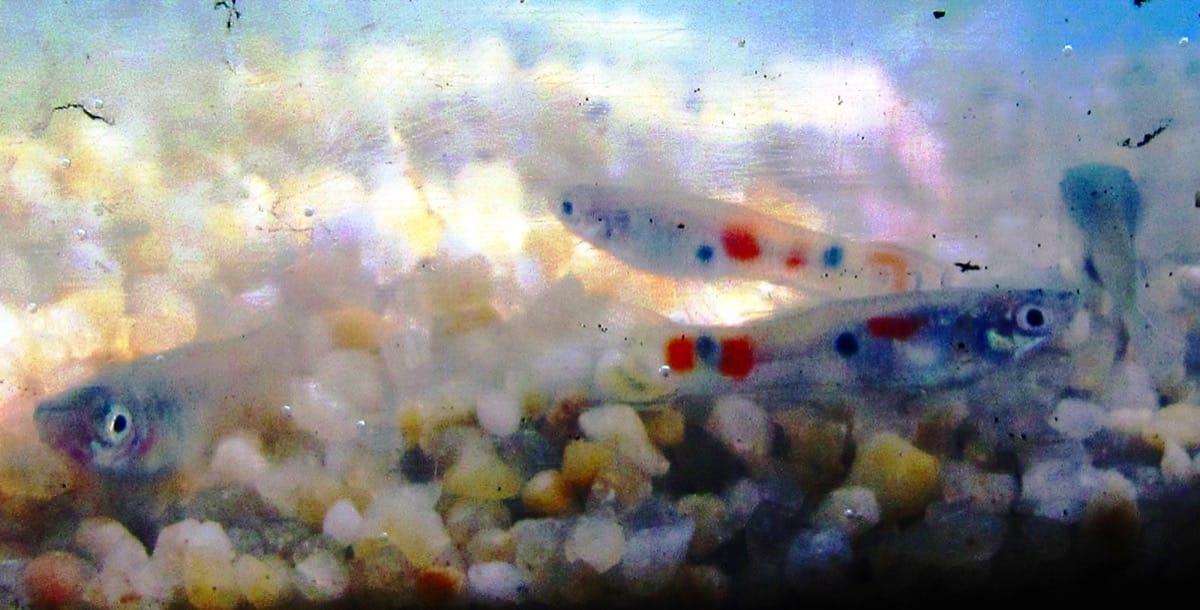
- 22-26 C
- pH 7.0-8.5
- 60 L+; 60 x 30 cm base
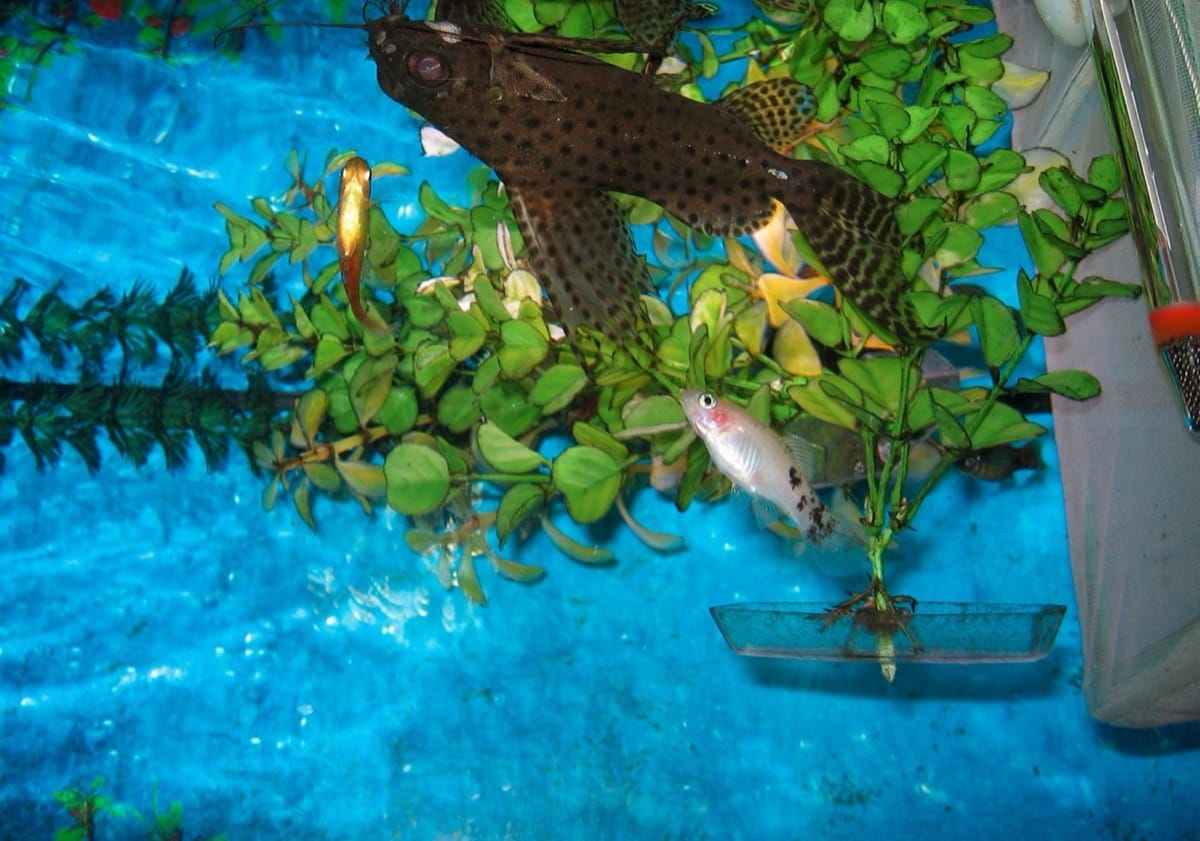
- 20–26°C
- pH 7–8.2
- 50 L+
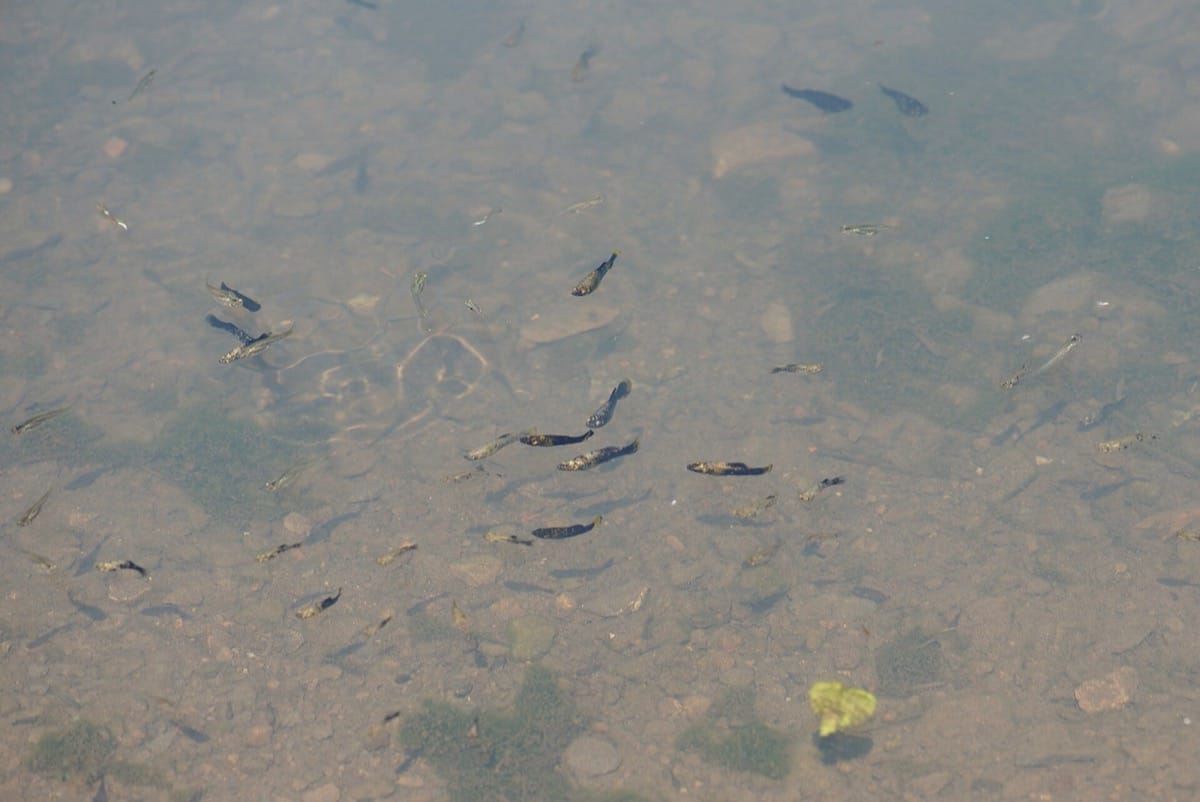
- 22–28°C
- pH 7–8.5
- 70 L+
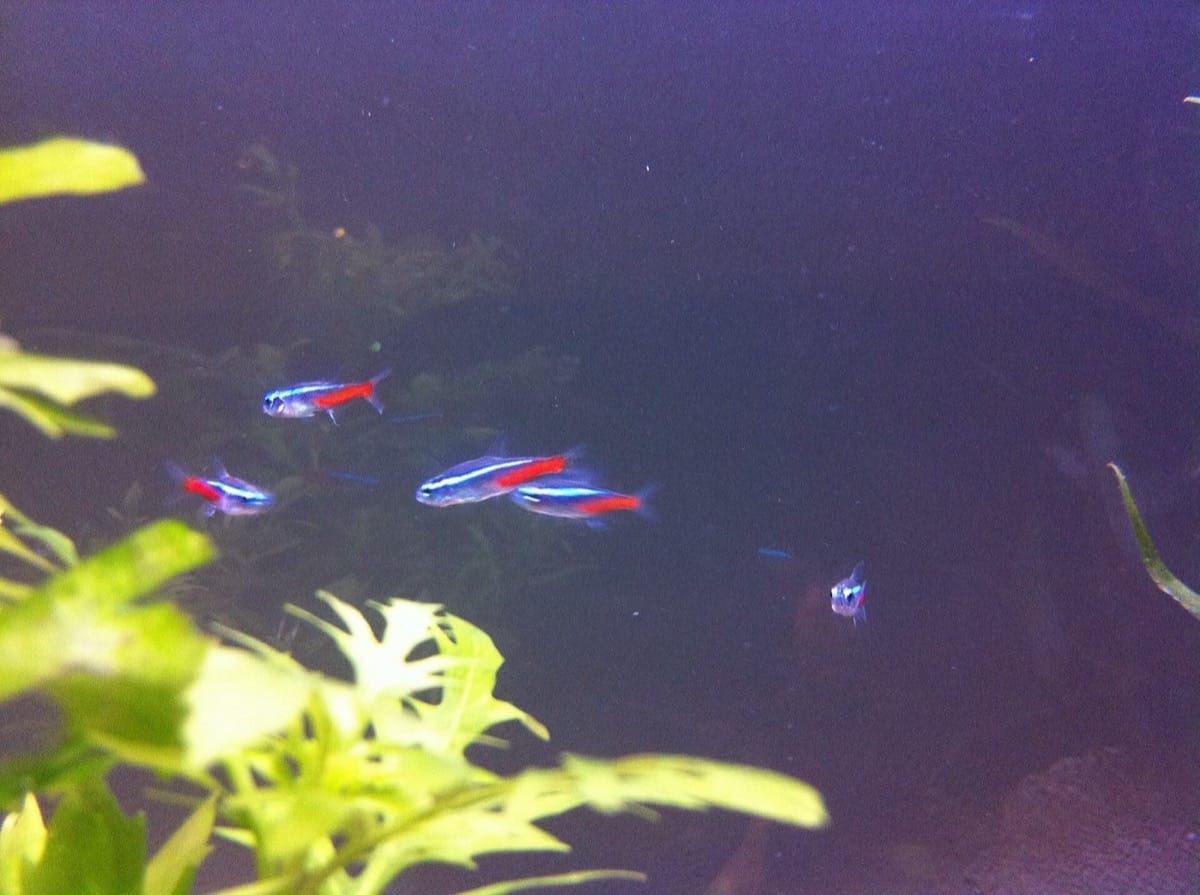
- 21-25 C
- pH 6.0-7.5
- 60 L+; 60 x 30 cm base
Best avoided with
Similar species
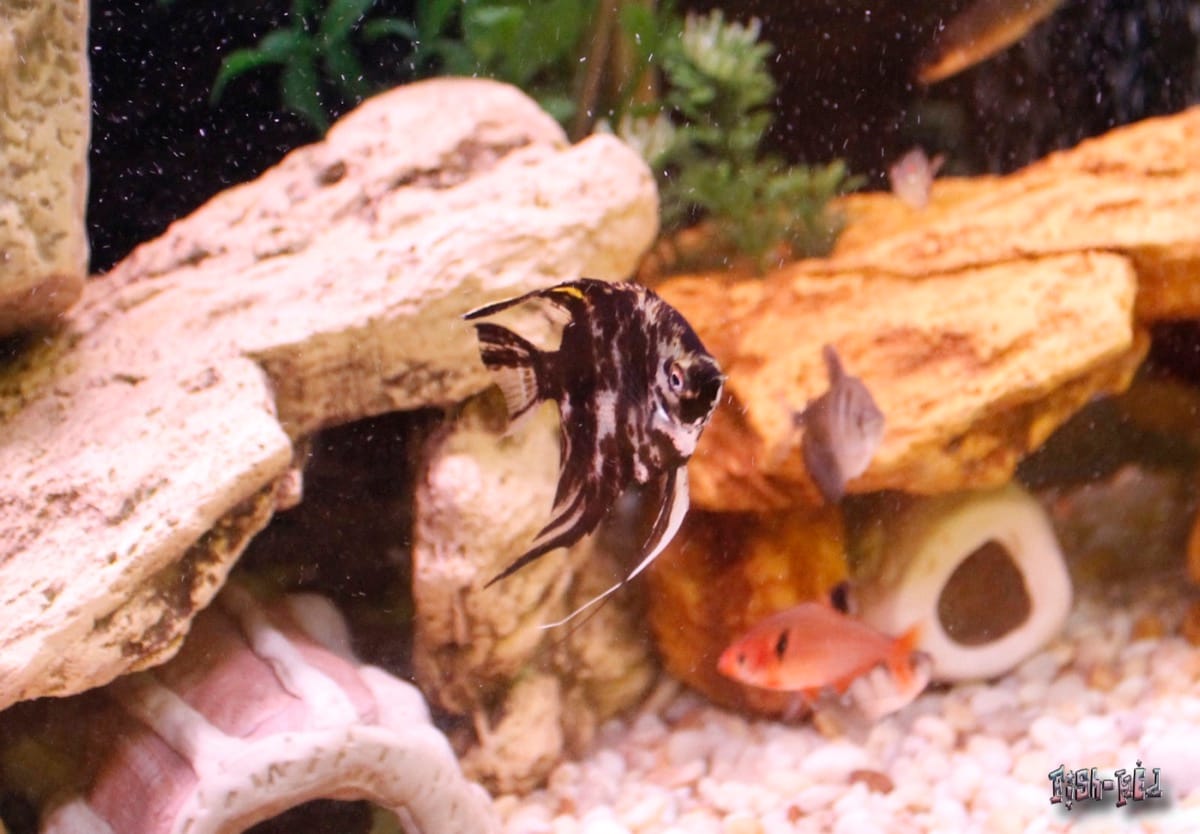
- 24-28 C
- pH 6.0-7.4
- 200 L+ nominal; 100 x 40 x 50 cm; conditional pair-only plan
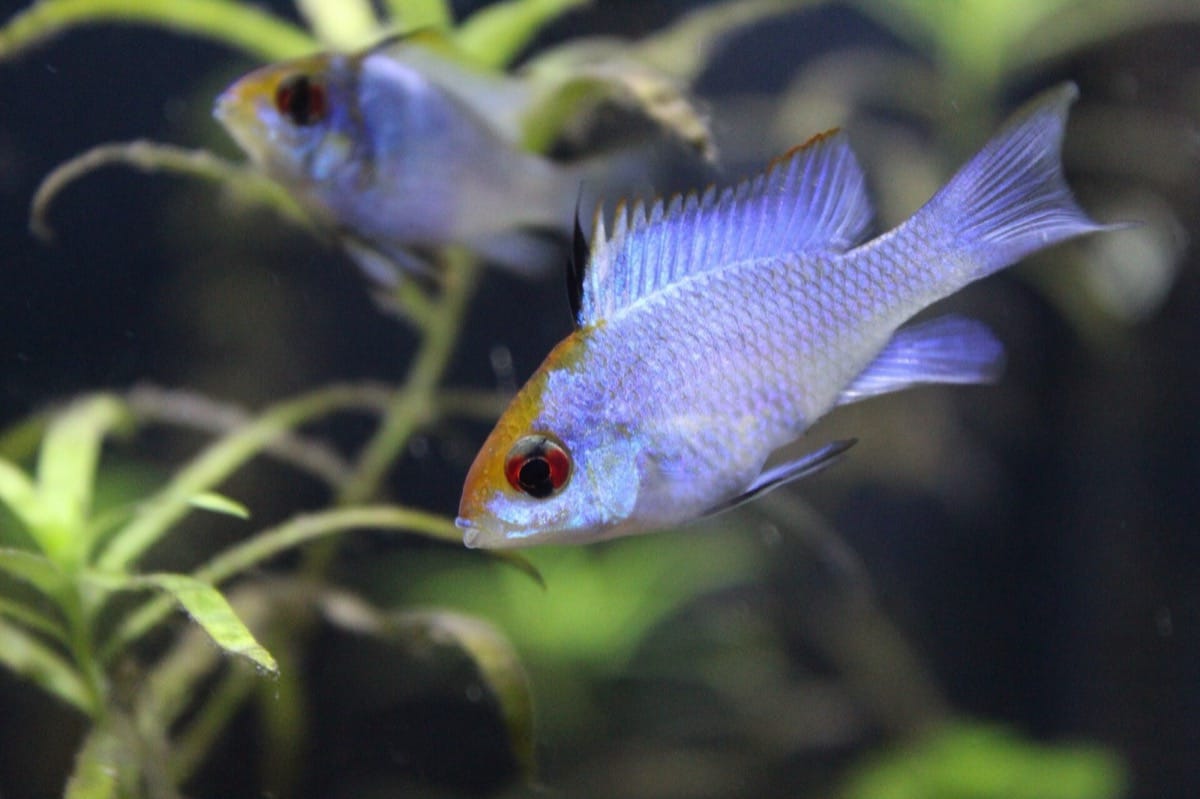
- 25–29°C
- pH 5–7
- 70 L+
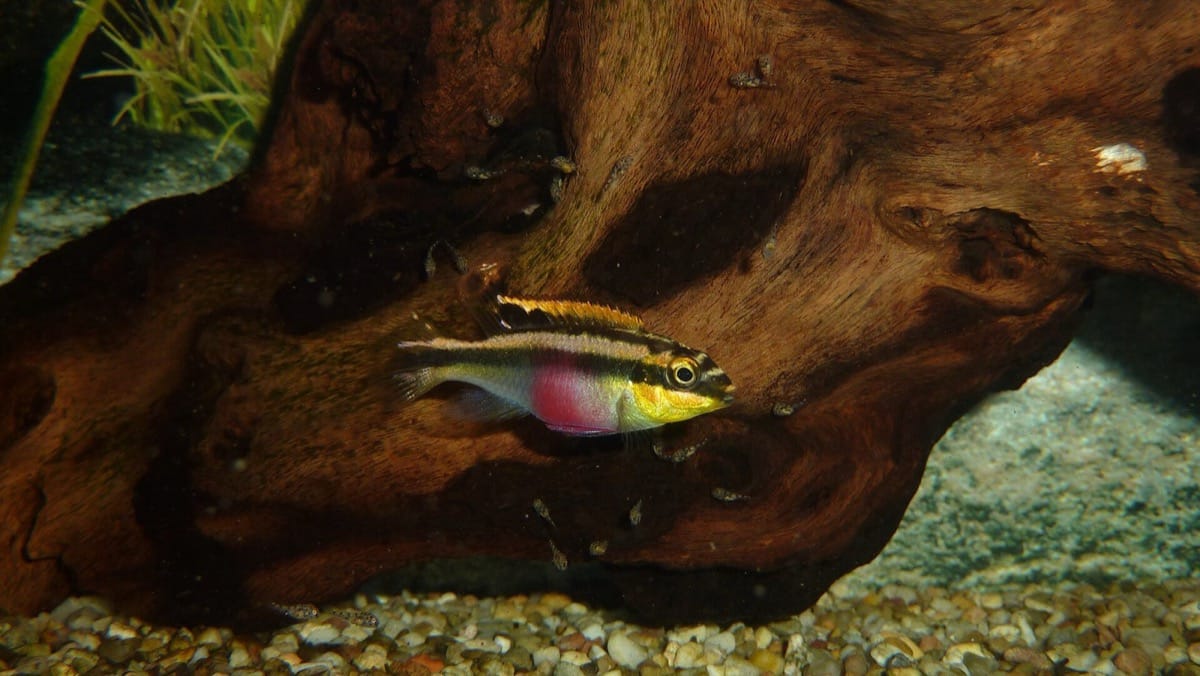
- 24–27°C
- pH 6–7.5
- 70 L+
- 24–28°C
- pH 6–7.5
- 60 L+
Compare at a glance
| Parameters | Bolivian ram | Angelfish | Ram cichlid | Kribensis |
|---|---|---|---|---|
| Parameters | ||||
| Temp | 24–28 °C | 24–28 °C | 25–29 °C | 24–27 °C |
| pH | 6–7.5 | 6–7.5 | 5–7 | 6–7.5 |
| GH | 5–15 °dGH | 2–12 °dGH | 1–10 °dGH | 5–15 °dGH |
| Min. tank | 90 L | 100 L | 70 L | 70 L |
| Size | 8 cm | 15 cm | 6 cm | 8 cm |
| Diet | Omnivore | Omnivore | Omnivore | Omnivore |
| Temperament | Peaceful | Semi-aggressive | Peaceful | Semi-aggressive |
| Difficulty | Beginner | Intermediate | Advanced | Intermediate |
Care guides
New to the words? See the aquarium glossary.
Sources and research notes
Parameters are typical ranges for the species in home aquariums and vary with the individual fish and the water you use.