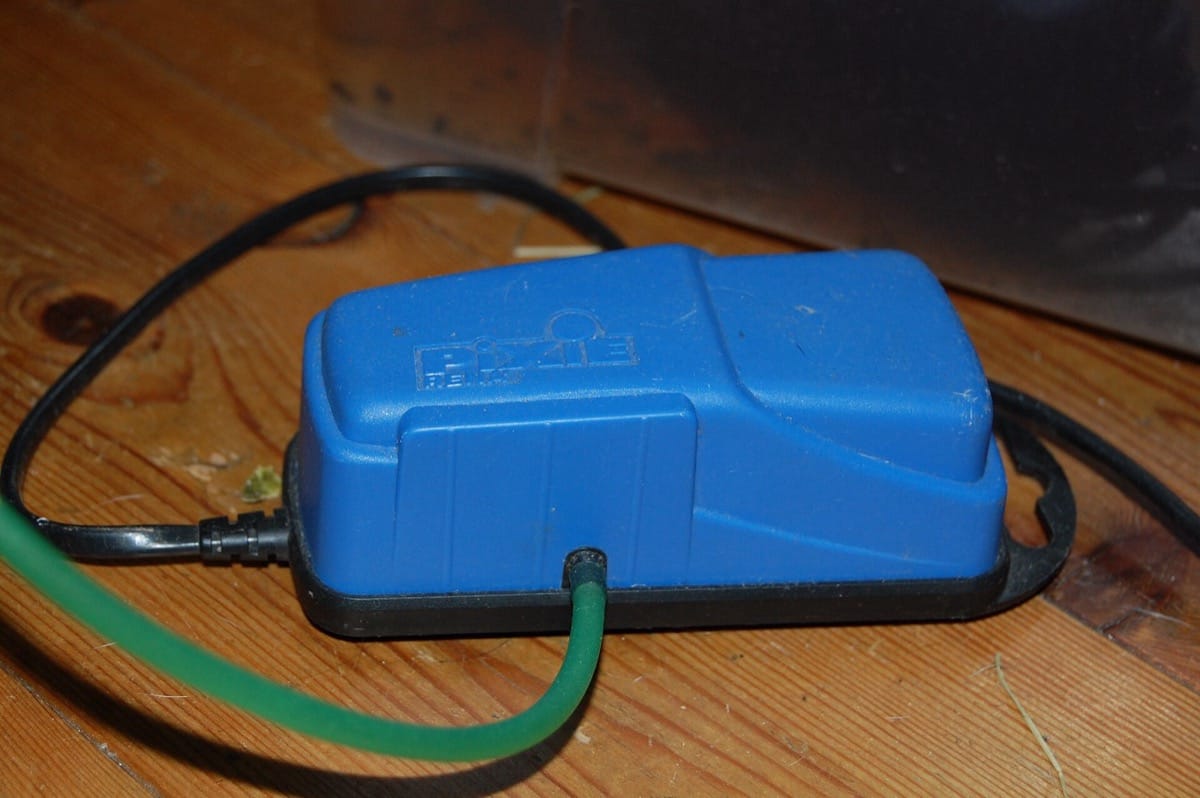
Air Pumps: What They Do
An air pump does not put oxygen into the water directly — it moves the surface, and that is where the gas exchange happens. Here is when you need one.
An air pump powers air stones and sponge filters. Its real job is surface movement: ripples at the surface increase the area where oxygen dissolves in and carbon dioxide leaves. More movement means better-oxygenated water.
What it drives
- Sponge filters — gentle filtration, ideal for shrimp, fry and bettas.
- Air stones — extra surface agitation and a decorative bubble stream.
- Uplift tubes on undergravel filters in older setups.
Do you need one?
Not always. If your filter already creates good surface movement, oxygen is usually fine. An air pump becomes useful when:
- You run a sponge filter for shrimp or fry.
- Your tank is warm (warm water holds less oxygen) or heavily stocked.
- You want extra surface movement in a planted tank.
Practical tips
- Choose a quiet pump — check reviews; cheap ones hum.
- Add a check valve so water cannot siphon back if power fails.
- Mount it above the waterline or use the check valve.
- Clean the air stone now and then; they clog with time.
How an air pump actually oxygenates water
The bubbles themselves are almost irrelevant to oxygen levels. Gas exchange happens at the surface of the water, where oxygen dissolves in and carbon dioxide escapes. When an air stone sends a column of bubbles upward, it drags water to the surface and makes ripples, and those ripples multiply the area available for exchange. So the real product of an air pump is surface movement, not the bubbles you see.
That is why you can get the same effect from a filter outlet breaking the surface, or a small powerhead pointed upward. If your filter already creates good ripples, an air pump adds little; if the surface is still, an air pump is a cheap way to wake it up.
Choosing a pump
Air pumps are rated partly by how much air they move (usually in litres per hour) and partly by how many outlets they drive. A single small sponge filter needs only a modest pump; several tanks or long tubing runs need a bigger one, because every metre of airline and every stone reduces the flow at the end. Buy one that is slightly larger than you need and bleed off excess air with a control valve, rather than one that strains to do the job.
Noise is the other thing buyers notice. Cheap diaphragm pumps can hum loudly; hanging the pump from a hook or standing it on a folded cloth absorbs much of the vibration. Read reviews with noise in mind, because a pump you avoid turning on is no good at all.
Sponge filters and other uses
The classic use of an air pump is a sponge filter: air rises through a tube, drawing water through a sponge where the filter bacteria live. Sponge filters are gentle, safe for shrimp and fry, and nearly impossible to clog badly. They are also ideal for a quarantine or grow-out tank. Beyond that, an air pump can run an air stone for extra movement, a battery backup for power cuts, or a decorative bubble wall.
Using one safely
- Fit a check valve on the airline just above the waterline, so water cannot siphon back into the pump if it stops.
- Keep the pump above the tank if you can, so gravity works in your favour.
- Clean the air stone when the flow weakens — they clog with calcium and dust over time.
- Do not switch it off at night. Oxygen demand continues while the lights are out.
When you do not need one
An air pump is not a requirement for every tank. If a canister or hang-on filter already returns water in a way that ripples the surface, oxygen exchange is happening and a pump would be redundant. Adding one to an already well-oxygenated tank merely means more noise and more equipment to clean. The honest test is to watch the surface: if it is glassy and still, gas exchange is poor; if it is gently moving, the water is being aerated already.
Where a pump becomes genuinely useful is in warm tanks (warm water holds less oxygen), crowded tanks, and any setup running a sponge filter. It is also cheap insurance during a heatwave, when oxygen demand is highest and fish are most at risk.
Does an air stone add oxygen?
Indirectly — by moving the surface. The bubbles themselves add very little; the ripples matter.
Can I turn the air pump off at night?
Better not, especially in a sponge-filtered or warm tank; oxygen demand continues overnight.
Do I need one with a canister filter?
Usually not, if the filter already creates surface movement. Add one if fish gasp at the surface.
Related guides
Tools for this guide
Sources and research notes
Guidance follows standard fishkeeping practice; the important effect of an air pump is surface movement, not the bubbles themselves.
Written and edited by the Tankwise Editorial. Every guide answers one real fishkeeping question, is checked against the sources listed above, and is updated when guidance changes. We are an independent editorial desk, not veterinary or aquarium professionals — read how we research and update our guides.
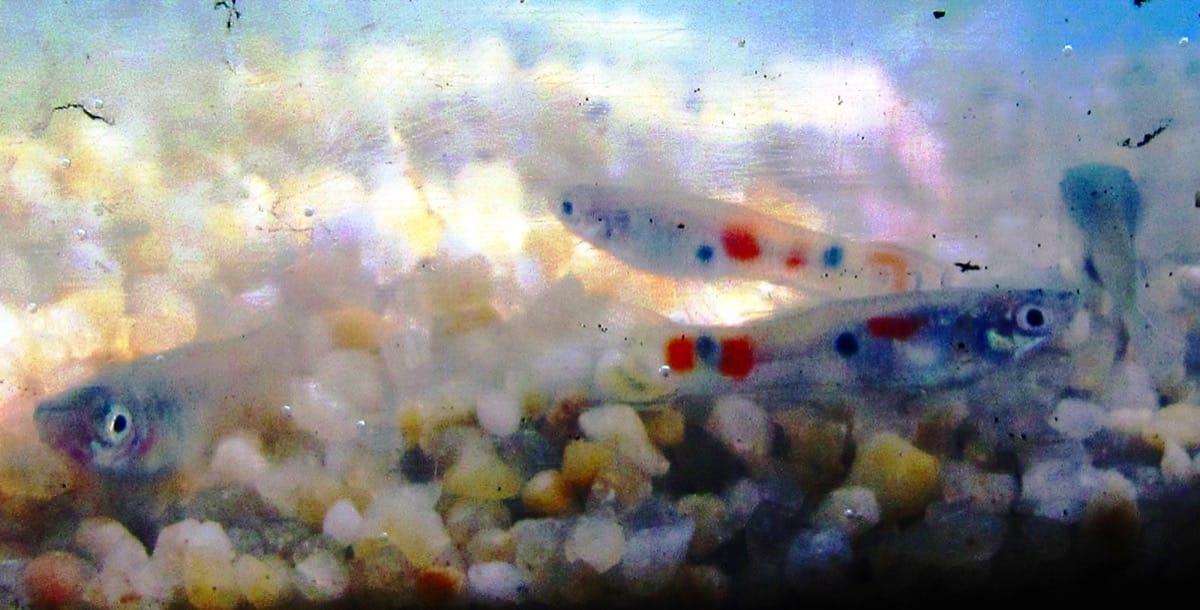
- 22-26 C
- pH 7.0-8.5
- 60 L+; 60 x 30 cm base
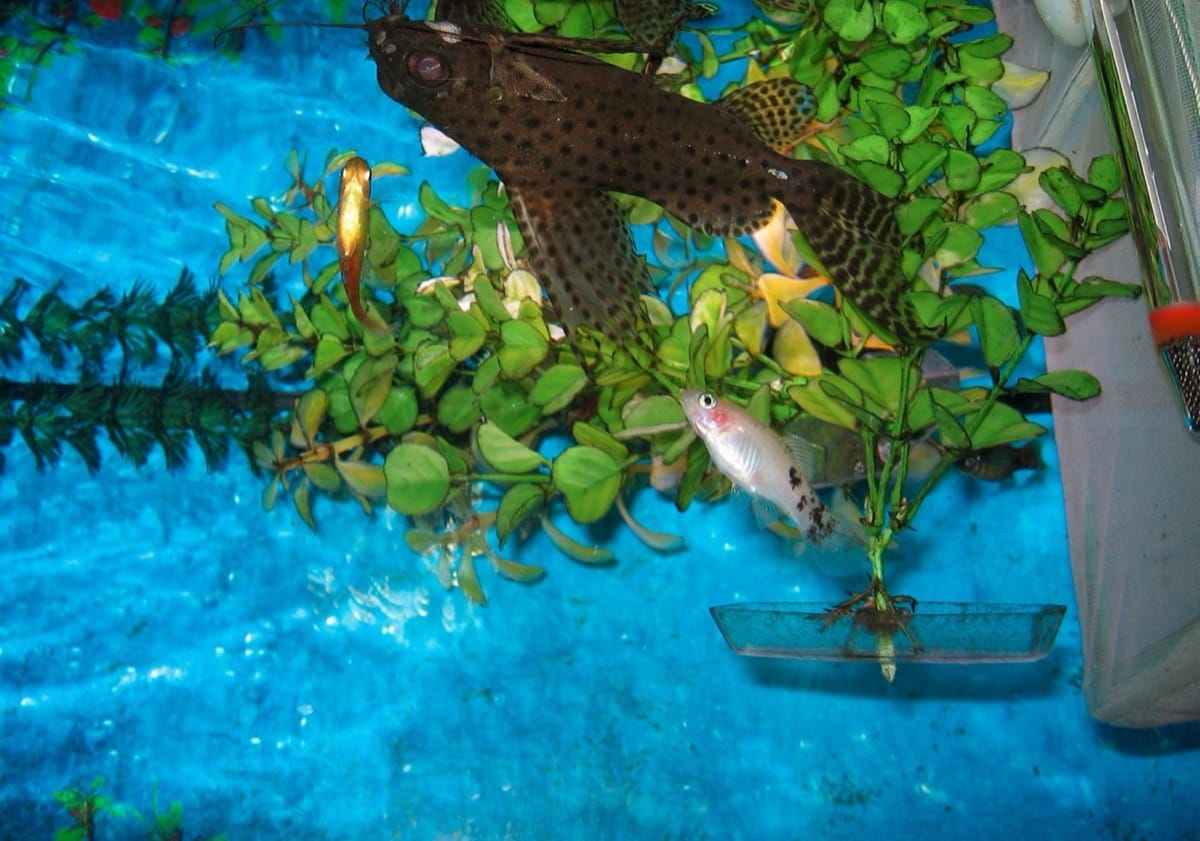
- 20–26°C
- pH 7–8.2
- 50 L+
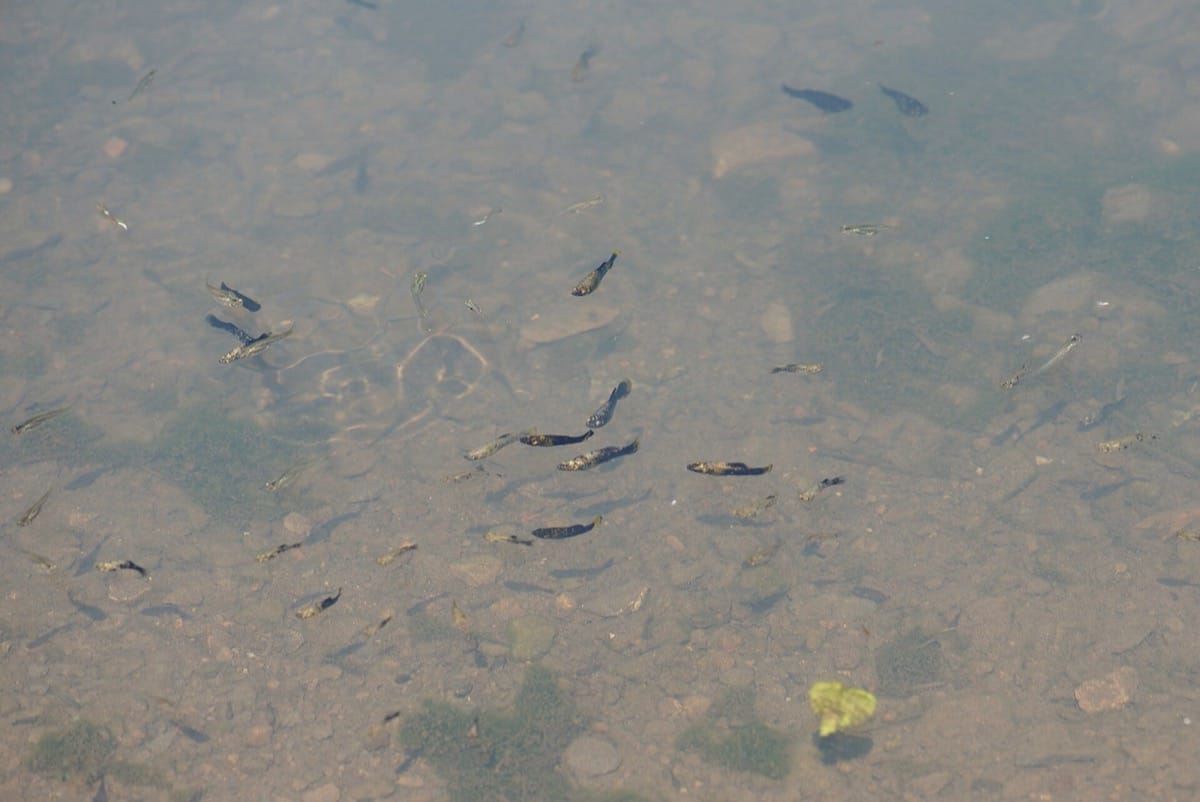
- 22–28°C
- pH 7–8.5
- 70 L+
- 21-25 C
- pH 6.0-7.5
- 60 L+; 60 x 30 cm base