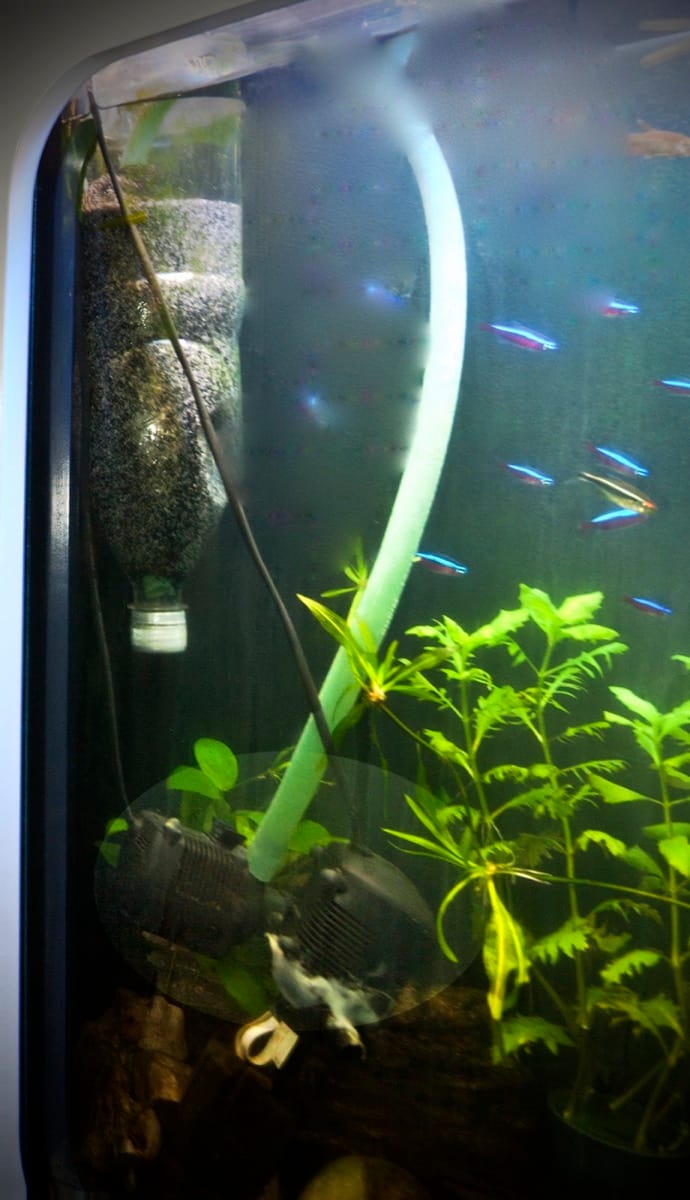
How to Choose an Aquarium Filter
Choose an aquarium filter by media volume and flow, not just tank size. Here is how the main types compare and what really keeps the water safe.
A filter does two jobs: it moves water and it holds the bacteria that process fish waste. That second job matters most. Choose a filter that suits your tank's volume and stocking, gives good flow, and holds plenty of biological media.
The main types
| Type | Good for | Notes |
|---|---|---|
| Internal filter | Small tanks | Cheap, simple, takes up space inside |
| Hang-on-back (HOB) | Small–medium tanks | Easy to clean, good media volume |
| Canister | Medium–large tanks | Best media capacity, out of sight, pricier |
| Sponge filter (air-driven) | Nano tanks, fry, shrimp | Gentle flow, great for fry and shrimp, needs an air pump |
What size?
Match flow to the tank and its residents. Aim for the filter to turn over the tank volume several times an hour, and choose a model rated for a slightly larger tank than yours — filtration capacity matters more than the "litres" on the box. Note that strong flow suits danios and rainbowfish but not bettas or shy fish.
Media matters
- Mechanical — sponge or floss traps particles.
- Biological — ceramic rings, bio-balls or sponge house the bacteria. This is the important part.
- Chemical — carbon removes odours and medicines; use it only when needed, as it also absorbs some treatments.
Keep it running
Rinse media in old tank water, never under the tap, and only when flow drops. Replacing all the media at once throws away your cycle — see filter maintenance.
Why the filter matters most
A filter does two jobs, and only one of them is obvious. The first is moving water and trapping particles. The second, far more important, is holding the colony of bacteria that turns toxic ammonia into nitrite and then into much less harmful nitrate. That colony is what keeps fish alive between water changes, and protecting it is the heart of running any tank. Choose a filter by how much media it holds and how well it moves water, not by the litres printed on the box alone.
The main types
| Type | Good for | Notes |
|---|---|---|
| Internal filter | Small tanks | Cheap and simple, but takes up space inside |
| Hang-on-back (HOB) | Small to medium tanks | Easy to clean, good media volume |
| Canister | Medium to large tanks | Best media capacity, out of sight, pricier |
| Sponge filter (air-driven) | Nano, fry, shrimp | Gentle flow, great for small setups, needs an air pump |
Flow and size
Aim for a filter that turns the tank volume over several times an hour, so waste keeps moving and the bacteria get a steady supply of oxygen and food. Pick a model rated for a slightly larger tank than yours, because filtration capacity matters more than the printed figure and filters rarely perform at their rated maximum. But watch the flow: strong current suits danios, rainbowfish and river species, while bettas, gouramis and shy fish prefer it gentle. A spray bar or an adjustable pump lets you tune it.
Media: the important part
- Mechanical — sponge or filter floss traps particles before they decay.
- Biological — ceramic rings, bio-balls or sponge house the bacteria. This is the essential stage.
- Chemical — carbon removes odours and medicines; use it only when needed, as it also absorbs some treatments.
Fill the filter mostly with biological media; it is the part that keeps water safe. Rinse media in old tank water, never under the tap, and only when flow drops.
Common mistakes
Buying purely by the litres on the box, cleaning the media under the tap (which kills the bacteria), replacing all the media at once (which throws the cycle away), and choosing a filter so powerful it blasts a betta around the tank are the usual errors. A correctly sized filter with plenty of biological media, cleaned gently, is the foundation of a healthy aquarium.
You do not need to spend a lot
A simple air-driven sponge filter or a modest hang-on-back holds plenty of biological media for most small and medium tanks, and they cost very little to run. The expensive canisters make sense mainly for large or heavily stocked aquariums where media volume and hidden plumbing matter. For a first tank, spend the money on good media and a reliable brand rather than on power you do not need, and let the bacteria, not the price tag, do the work.
Do I need carbon?
No, not as a permanent fixture. Sponge and biological media do the essential work; carbon is useful for removing medicines or odours.
Can a filter be too strong?
Yes — strong flow tires bettas and shy fish. Consider a spray bar or a gentler setting.
Which filter is best for a small tank?
A sponge filter or a small hang-on-back suits most small tanks; a sponge is gentlest and best for fry and shrimp.
Related guides
Tools for this guide
Sources and research notes
Filter guidance follows standard fishkeeping advice; the key point is that biological media, not mechanical trapping alone, keeps water safe.
Written and edited by the Tankwise Editorial. Every guide answers one real fishkeeping question, is checked against the sources listed above, and is updated when guidance changes. We are an independent editorial desk, not veterinary or aquarium professionals — read how we research and update our guides.
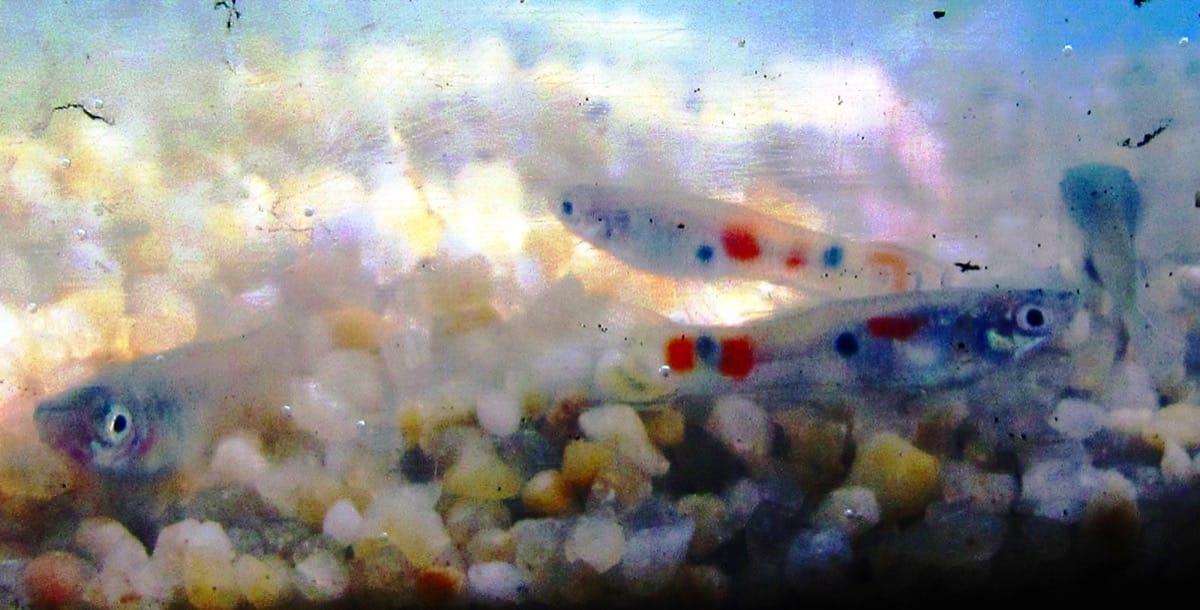
- 22-26 C
- pH 7.0-8.5
- 60 L+; 60 x 30 cm base
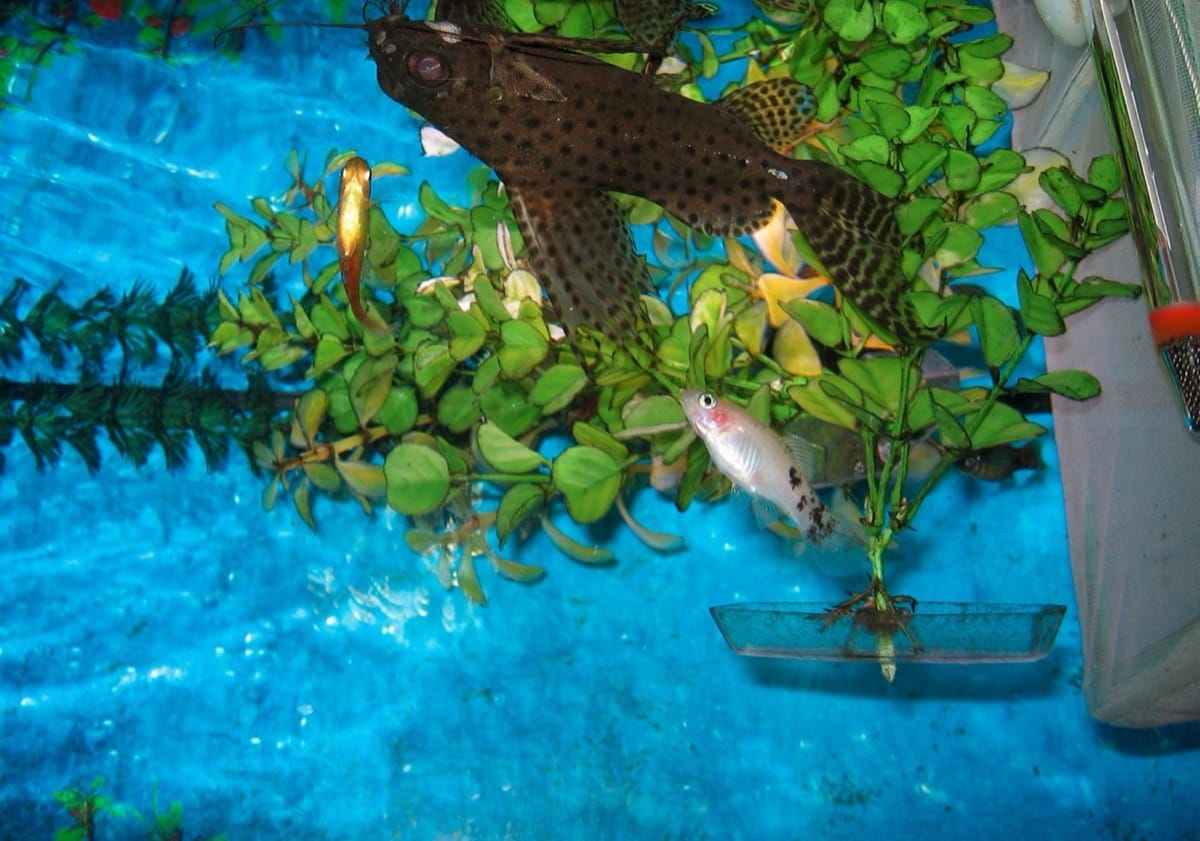
- 20–26°C
- pH 7–8.2
- 50 L+
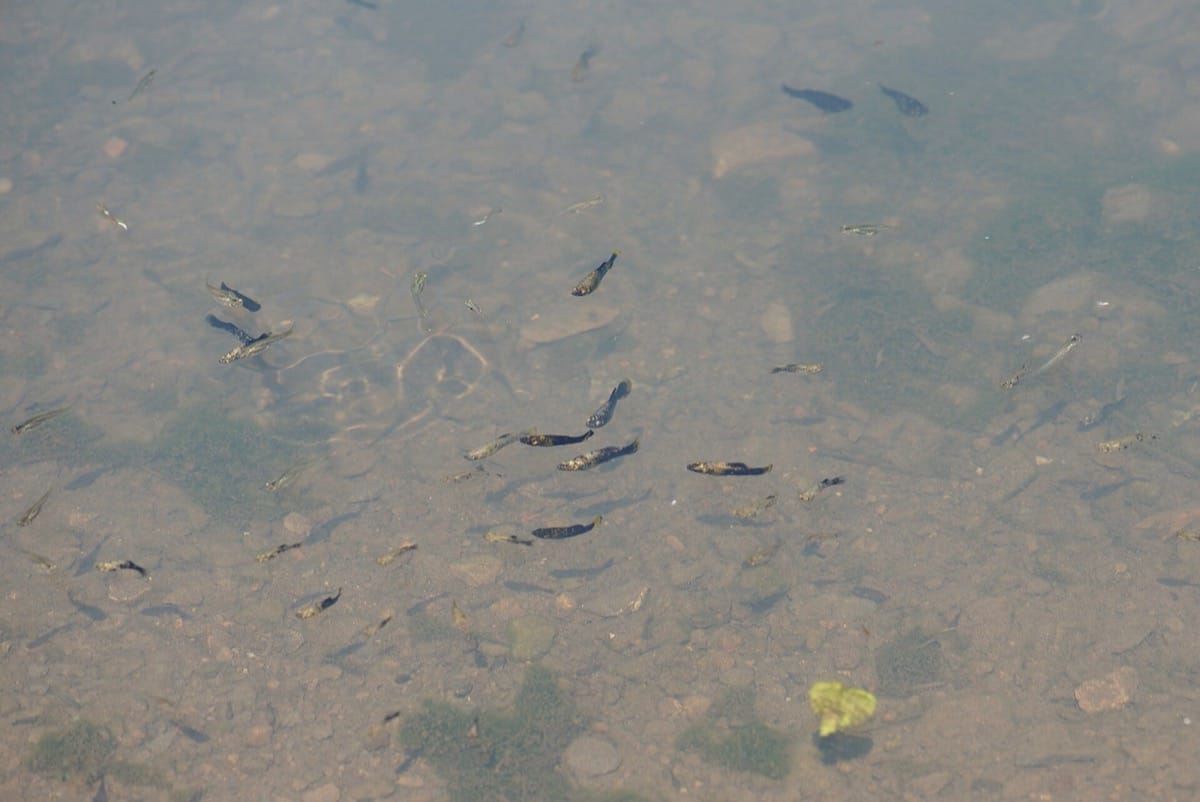
- 22–28°C
- pH 7–8.5
- 70 L+
- 21-25 C
- pH 6.0-7.5
- 60 L+; 60 x 30 cm base