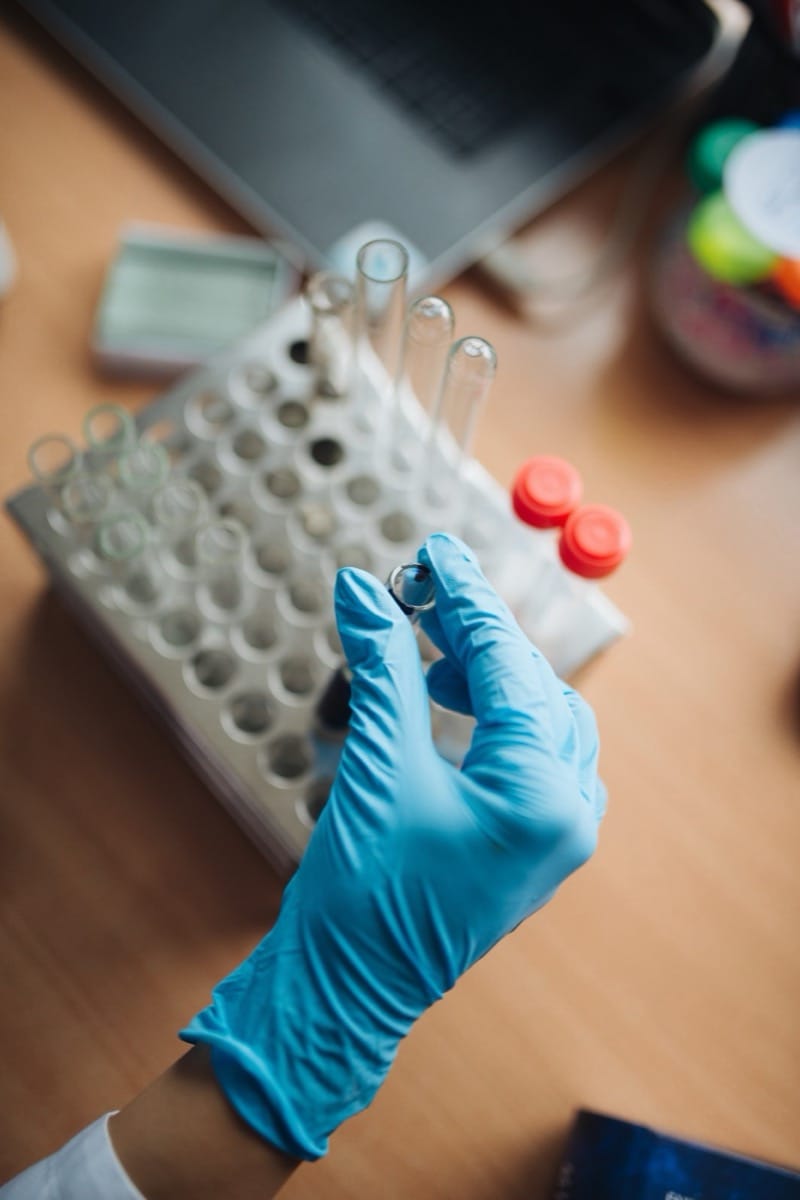
Ammonia Spike: What to Do (and Why It Happens)
Ammonia burns fish gills and can kill quickly. If your test kit shows a reading, act fast — and understand why it happened so it does not return.
Ammonia is the first and most dangerous waste in a tank. A reading above zero means the filter is not keeping up, and the fish are being burned. The response is quick and mechanical: dilute it, find the cause, feed less.
Quick answer
Do a large water change now, stop feeding, and test daily
- Now
- Change 30–50% of the water with dechlorinated water.
- Then
- Stop feeding for a day or two.
- Daily
- Re-test and repeat the change until ammonia is zero.
- Cause
- Find it: overfeeding, overstocking, or a broken cycle.
Why it happens
- A new, uncycled tank — the filter has no bacteria yet.
- Overfeeding or a dead fish decaying in the tank.
- A broken cycle — the filter was over-cleaned or the tank lost power.
- Too many fish added at once, outrunning the bacteria.
What to do
- Water change immediately — 30–50% to dilute the ammonia.
- Stop feeding for a day or two; uneaten food and waste are the fuel.
- Remove any dead fish or rotting matter at once.
- Add a bacterial starter if the filter is new, and keep it running.
- Test daily and repeat the water change until ammonia and nitrite read zero.
What not to do
- Do not add more fish until the tank is stable.
- Do not rinse the filter — you need what bacteria are left.
- Do not medicate blindly — ammonia is a water problem, not a disease.
Why ammonia spikes
Ammonia is the first toxic waste in a tank, and it appears when the filter is not keeping up. The usual causes are an uncycled or crashed filter (no bacteria to process it), overfeeding or a dead fish decaying unseen, too many fish added at once, or a power cut that starved the bacteria of oxygen. Find the cause and the spike becomes a one-off rather than a recurring problem.
Do this immediately
- Water change now — 30 to 50% with dechlorinated, temperature-matched water.
- Stop feeding for a day or two; food and waste are the fuel.
- Remove any dead fish or rotting matter at once.
- Keep the filter running — never switch it off or clean it now.
- Add a bacterial starter if the filter is new, to help rebuild the colony.
Then test daily
Re-test ammonia every day and repeat the water change until it reads zero. Watch nitrite too, since it usually rises as ammonia falls — that is the cycle working, but nitrite is also toxic. Keep feeding light and fish stress low while the tank recovers, and do not add new fish until both ammonia and nitrite have read zero for a week.
What not to do
- Don't add more fish — they will only make it worse.
- Don't rinse the filter — you need every bacterium that is left.
- Don't medicate blindly — ammonia is a water problem, not a disease.
- Don't rely on "ammonia detox" products alone — they are a stopgap; water changes and a working filter are the fix.
Preventing the next one
Most spikes are preventable. Cycle before adding fish, feed only what the fish clear, add livestock slowly so the bacteria keep pace, keep the filter running and only rinse its media in old tank water, and test regularly so you spot a rise before it harms the fish. A clean, well-fed, uncrowded tank rarely sees ammonia at all. This is general care information, not veterinary advice.
About test kits and detox products
You cannot manage what you cannot measure, so a liquid ammonia test kit is worth owning. Test strips are quick but often hard to read at low levels, where the difference between safe and harmful matters most. So-called ammonia "detox" or "lock" products can help in an emergency by temporarily binding ammonia, but they are a bridge, not a solution: the real cure is a working filter and clean water. Use them only alongside water changes, and keep testing until the reading is genuinely zero.
A spike feels alarming, but it is one of the most fixable problems in the hobby: if you change water, stop feeding and let the filter recover, the fish almost always come through.
How toxic is ammonia?
Even small amounts harm fish gills; higher levels can kill within hours. Treat any reading above zero as urgent.
Will a water conditioner fix ammonia?
Some "ammonia-detox" products temporarily neutralise it, but they are a stopgap. Water changes and a working filter are the real fix.
How long until it settles?
If the cycle only stalled, a week or two of daily changes and no feeding usually restores it.
Related guides
- The nitrogen cycle and cycling a tank
- How often to change aquarium water
- Why is my aquarium water cloudy?
Tools for this guide
Sources and research notes
Emergency guidance follows standard fishkeeping practice; ammonia is toxic at any measurable level and dilution is the immediate fix.
Written and edited by the Tankwise Editorial. Every guide answers one real fishkeeping question, is checked against the sources listed above, and is updated when guidance changes. We are an independent editorial desk, not veterinary or aquarium professionals — read how we research and update our guides.
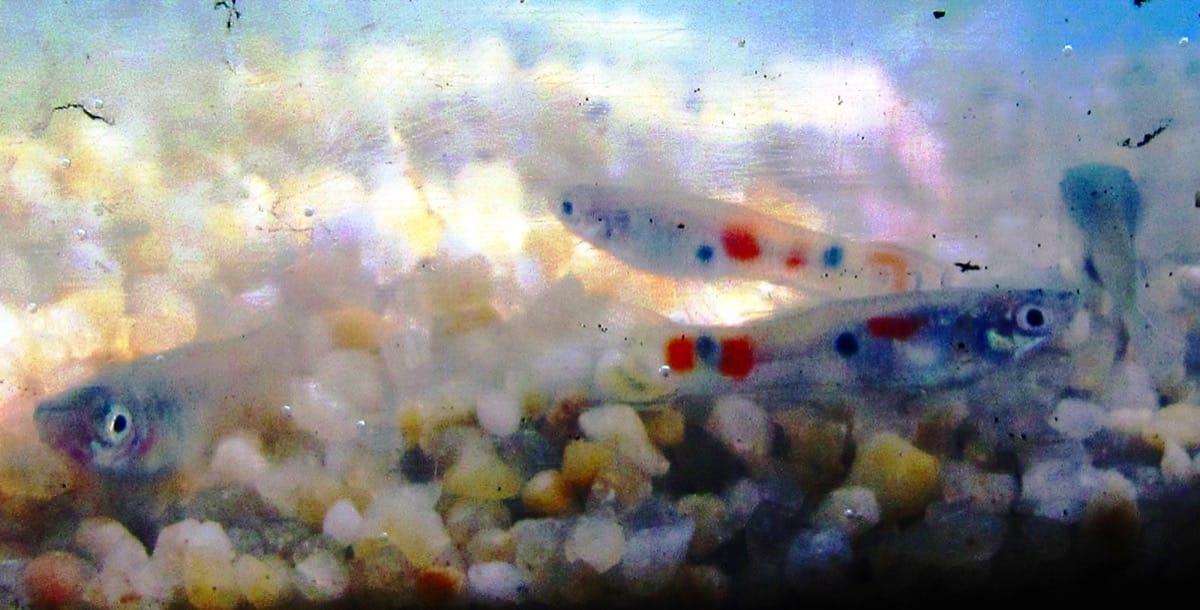
- 22-26 C
- pH 7.0-8.5
- 60 L+; 60 x 30 cm base
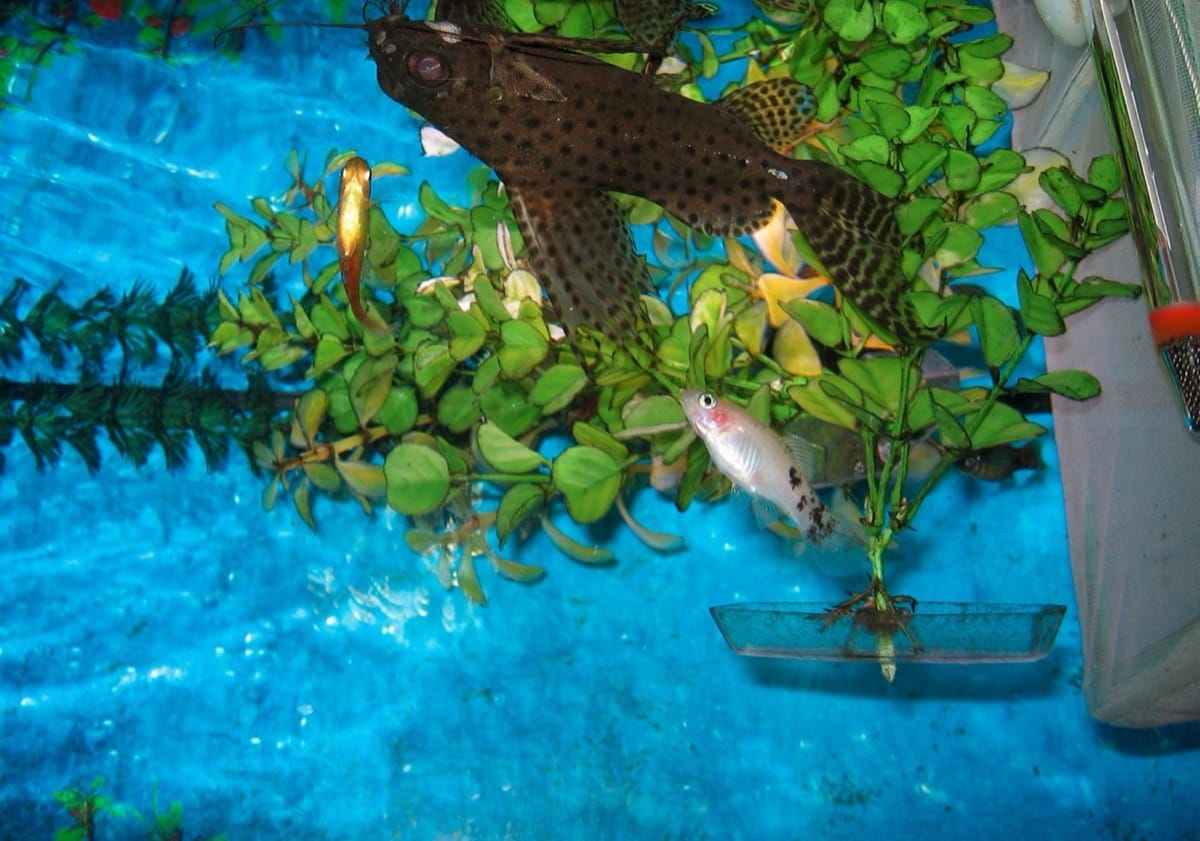
- 20–26°C
- pH 7–8.2
- 50 L+
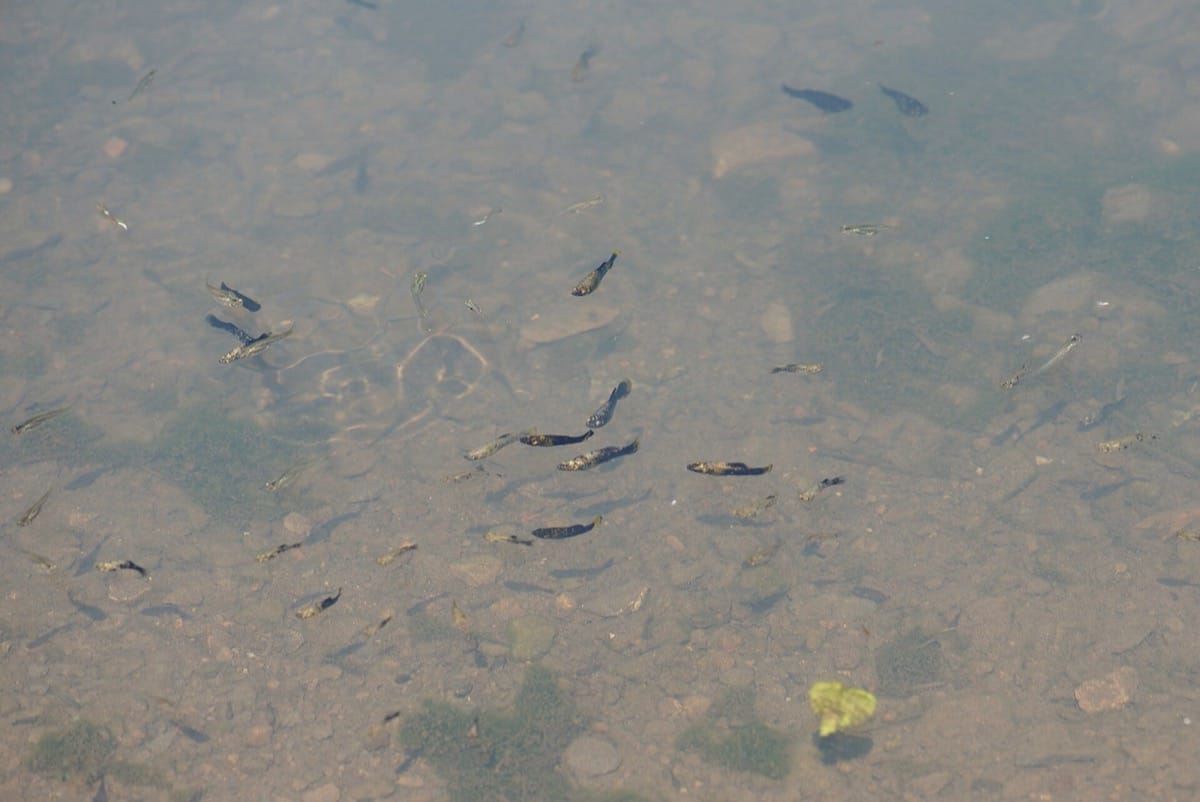
- 22–28°C
- pH 7–8.5
- 70 L+
- 21-25 C
- pH 6.0-7.5
- 60 L+; 60 x 30 cm base