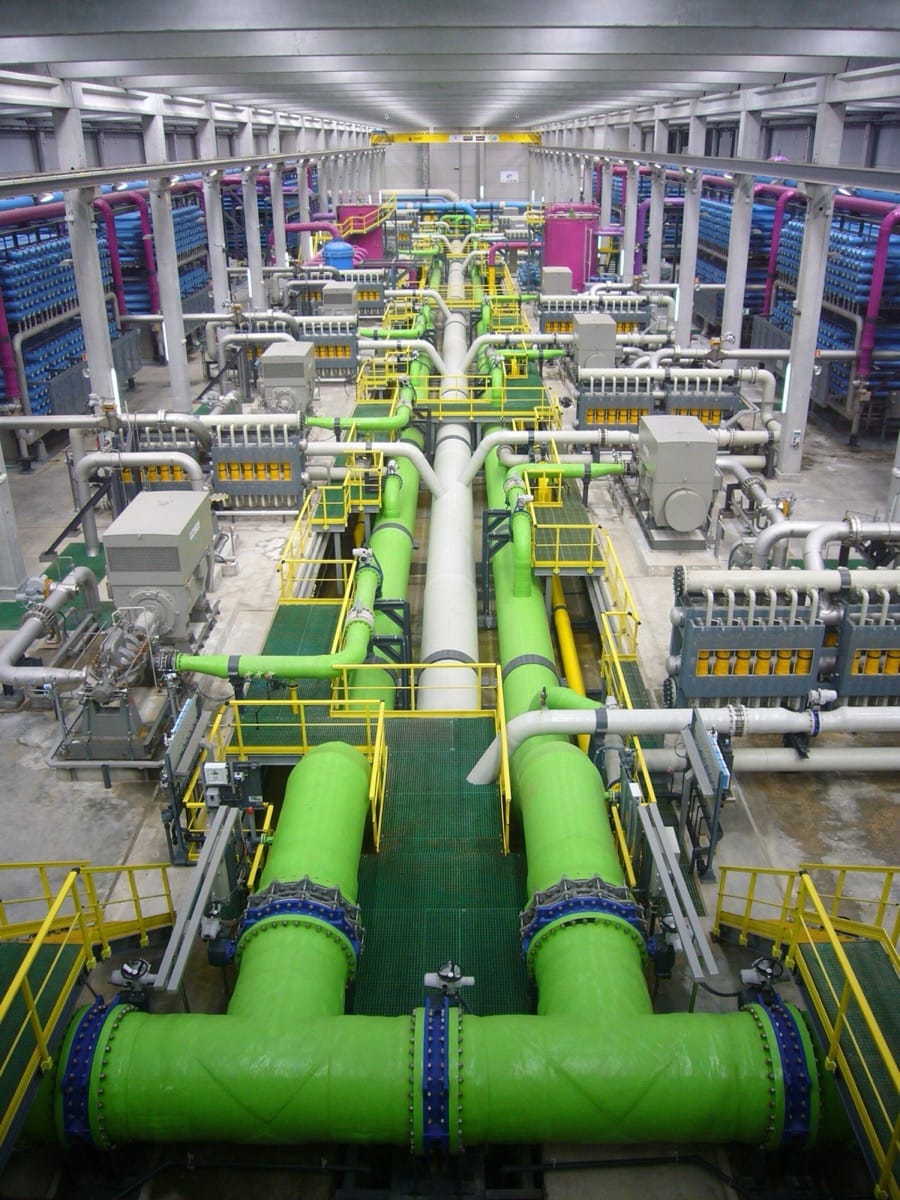
Reverse Osmosis Water in Aquariums
RO water is almost pure — great for soft-water species, risky if used alone. Understanding how to mix and remineralise it is what makes it work.
Reverse osmosis (RO) water has had most of its minerals removed, leaving it almost pure. That makes it a blank slate for soft-water tanks and for keeping shrimp — but used straight, it is too pure for most fish.
Why use RO water?
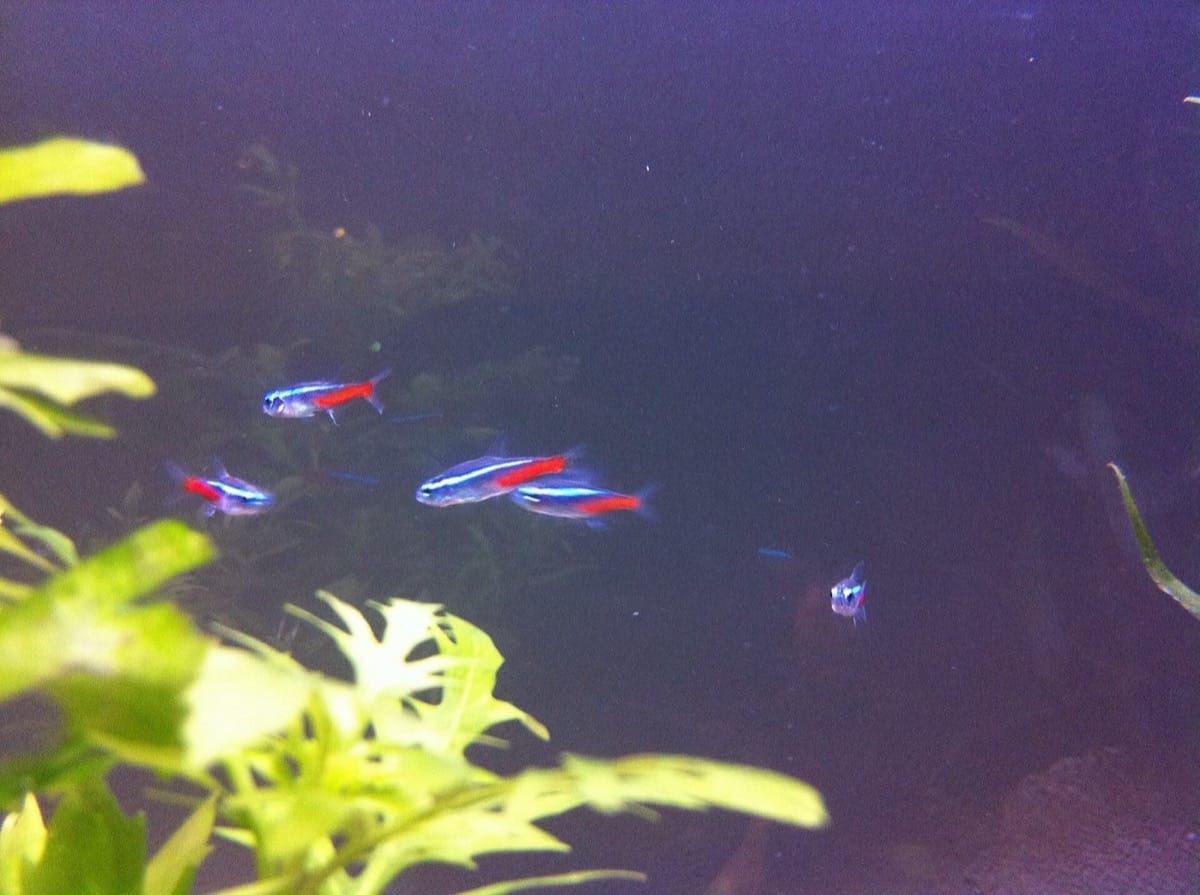
- Soft-water species — many tetras, rasboras and dwarf cichlids want low hardness and pH.
- Shrimp keeping — precise remineralisation suits Caridina and Neocaridina.
- Stubborn tap water — high nitrate or hardness that you want to dilute.
- Breeding certain species that need very specific water.
The rules
- Do not use pure RO alone for most fish — it lacks the minerals they need.
- Mix with tap water (often 50/50) to reach your target GH/KH, or
- Remineralise with a dedicated salt to set GH and KH precisely.
- Add a pH/KH buffer for soft-water species; pure RO has almost no buffer.
- Match temperature and add it slowly, as with any water change.
Watch out for
- No buffering — pure RO lets pH crash, which stresses fish.
- Waste water — RO units produce a lot of waste; plan for it.
- Cost — membranes and cartridges need replacing over time.
For most keepers, choosing fish that suit tap water is simpler and cheaper than running RO. It becomes worthwhile when you keep soft-water or sensitive species seriously. See pH, GH and KH explained.
How reverse osmosis works
Reverse osmosis pushes tap water through a fine membrane that holds back most dissolved minerals, salts and contaminants, leaving almost pure water. The same membrane removes much of what is in tap water — hardness, nitrate, and a long list of other dissolved solids — so what comes out is a blank slate. That is exactly what soft-water species and shrimp keepers want, and it is also why pure RO is too pure to use alone for most fish.
When RO is worth it
RO earns its cost in a few situations: keeping soft-water species in naturally hard tap water, precise shrimp setups, breeding fish that need specific water, or diluting tap water with high nitrate. For a general community of hardy fish in reasonable tap water, it is usually unnecessary — matching your fish to your tap water is simpler and cheaper. Only reach for RO when a species genuinely needs water your tap cannot provide.
Mixing and remineralising
There are two ways to make RO suitable. The simplest is to mix it with tap water — often around 50/50 — until GH and KH reach your target. The more controllable way is to remineralise it with a dedicated salt that adds back exactly the calcium, magnesium and carbonates you want. Pure RO has almost no buffering, so without either step pH can crash. Match temperature and add it slowly, as with any water change.
Looking after the unit
An RO unit needs maintenance to keep working: pre-filters and carbon cartridges are replaced regularly, and the membrane itself on a longer cycle. It also produces a lot of waste water — several litres for every litre of RO — so plan for that. Handled well, an RO unit gives you precise control over hardness and purity; neglected, its output drifts and it quietly stops doing its job.
Compare with your tap water first
Before investing in RO, find out what your tap water actually is: test its GH, KH, pH and nitrate. Many keepers assume their water is unsuitable when it is perfectly fine for the fish they want. If your tap water is moderately hard and low in nitrate, a broad range of community fish thrive in it untreated, and RO would be an unnecessary expense. Only when your water is genuinely extreme does RO earn its keep.
Stability still comes first
Whichever water you use, the lesson of soft-water keeping is that consistency beats purity. RO gives you control, but only if you remineralise or mix it to the same target every time and change water on a regular routine. An RO tank topped up carelessly is no better than a tap-water tank with a sensible routine. Use RO as a tool for precision, not as a cure for irregular maintenance.
Can I use pure RO water?
Not for most fish — remineralise or mix with tap water first, or pH will swing dangerously.
Do I need RO for shrimp?
Caridina shrimp (crystal red, bee) usually do best with remineralised RO; Neocaridina are more flexible.
Does RO remove nitrate?
Yes, largely. That is one reason it is used to dilute high-nitrate tap water.
Related guides
Tools for this guide
Sources and research notes
Guidance follows standard fishkeeping practice: RO water must be remineralised or mixed before use with most species.
Written and edited by the Tankwise Editorial. Every guide answers one real fishkeeping question, is checked against the sources listed above, and is updated when guidance changes. We are an independent editorial desk, not veterinary or aquarium professionals — read how we research and update our guides.
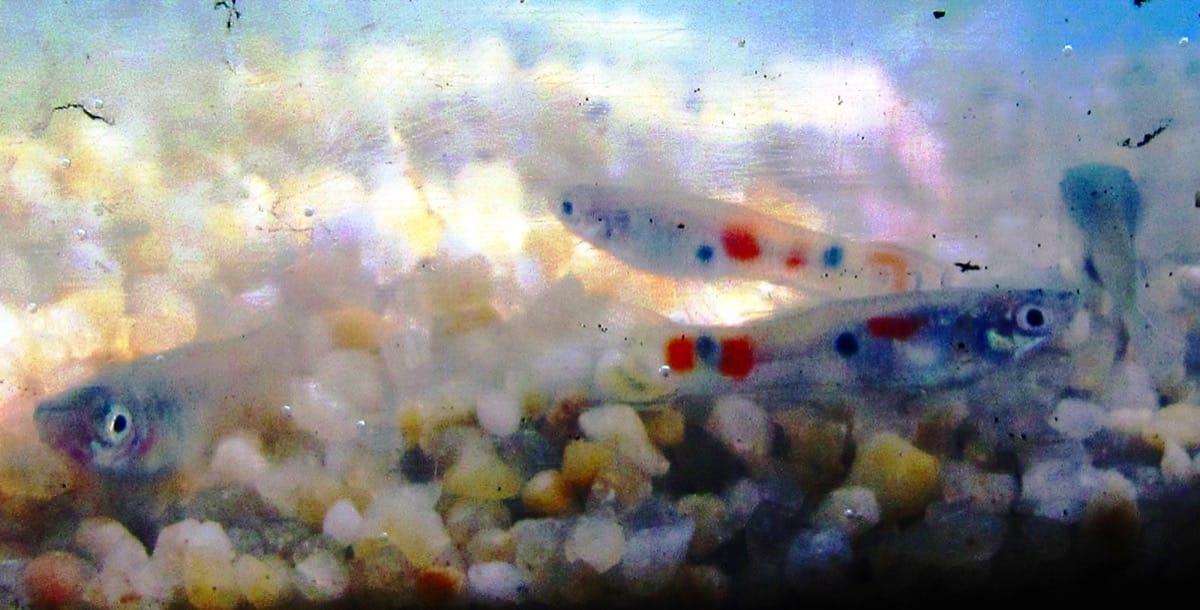
- 22-26 C
- pH 7.0-8.5
- 60 L+; 60 x 30 cm base
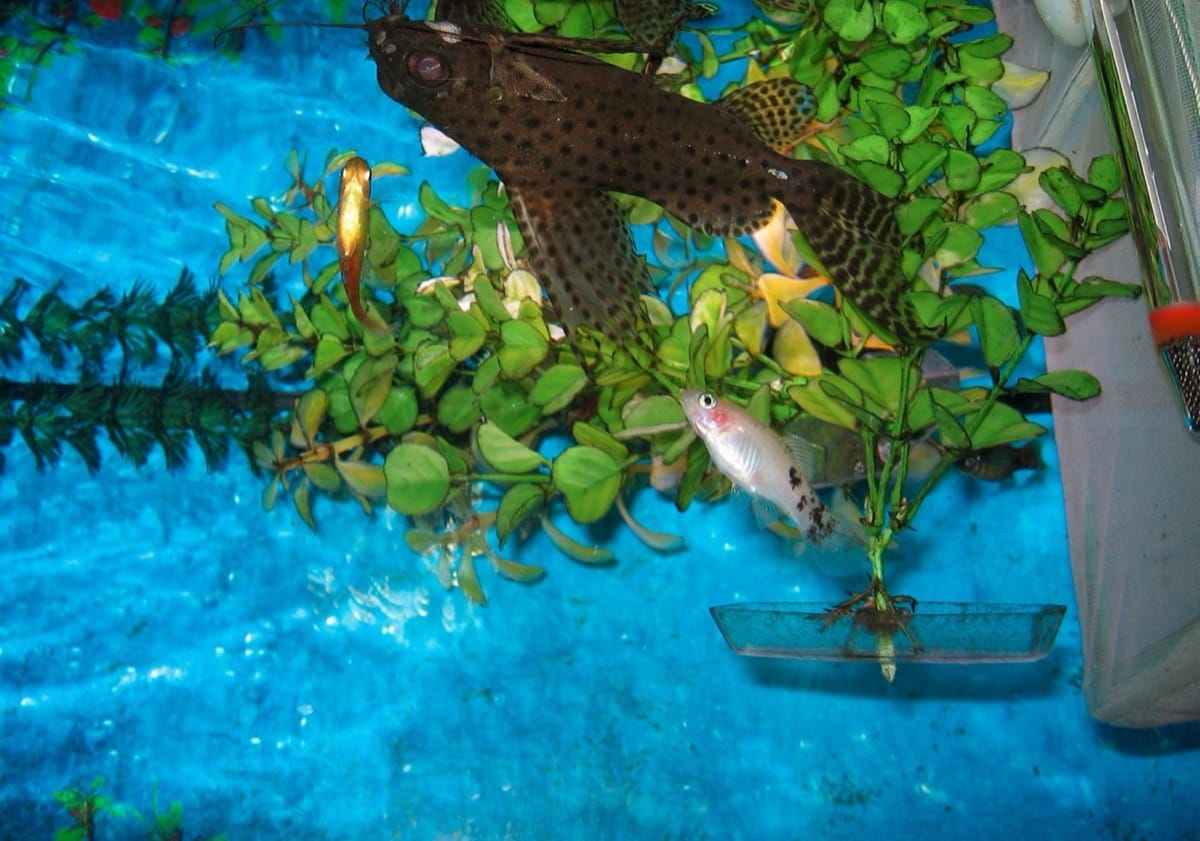
- 20–26°C
- pH 7–8.2
- 50 L+
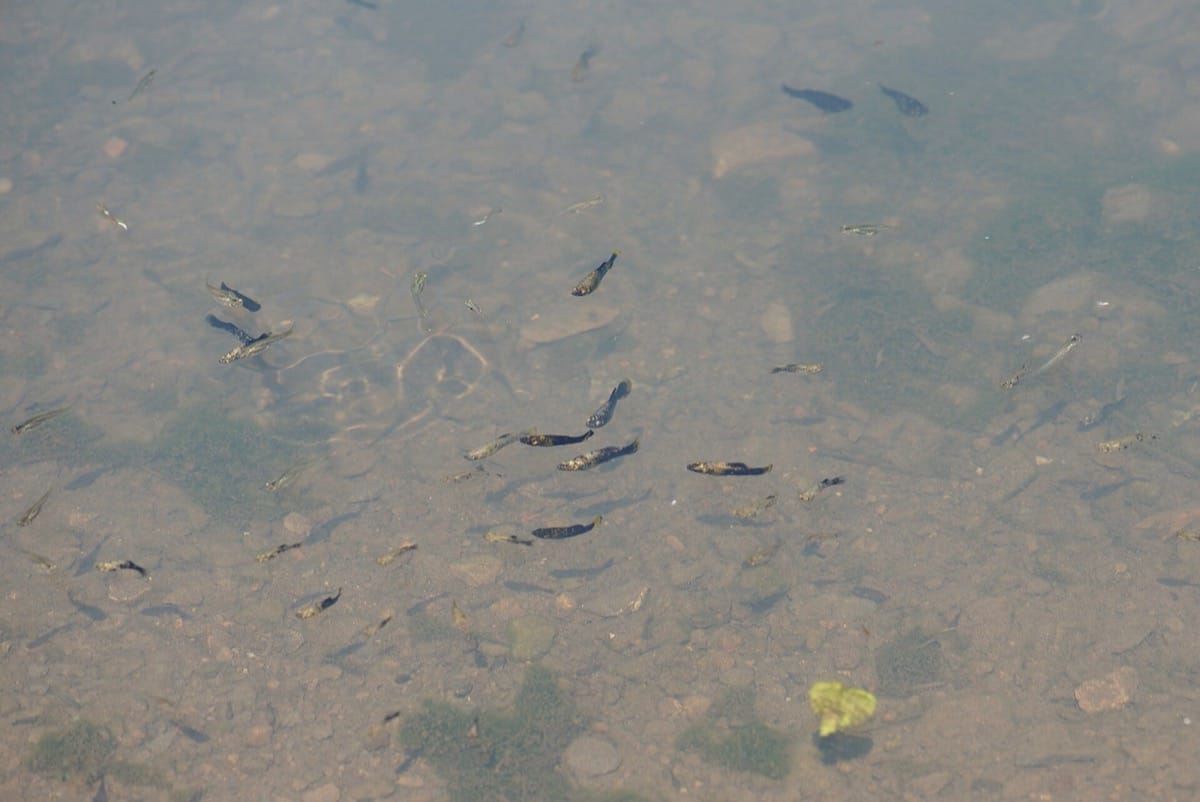
- 22–28°C
- pH 7–8.5
- 70 L+
- 21-25 C
- pH 6.0-7.5
- 60 L+; 60 x 30 cm base