TDS in Aquariums: What It Means for Water Quality
TDS measures dissolved solids — a single number that can tell you when to change water in a shrimp tank, and when your tap water is adding to the problem.
Total Dissolved Solids (TDS) is the sum of everything dissolved in the water — minerals, salts and organic waste. For most fish it is background detail; for shrimp and soft-water tanks it is a useful gauge.
What TDS tells you
- Rising TDS between water changes means waste and minerals are accumulating — a cue to change more water.
- TDS in your tap water shows how mineral-rich your starting point is.
- Shrimp keepers use TDS to keep conditions stable, since shrimp are sensitive to shifts.
What TDS does not tell you
TDS is a single lumped number, so it does not say whether the solids are harmful. High TDS from harmless minerals is different from high TDS from waste. It is a trend to watch, not a precise diagnosis — use it alongside GH, KH and the nitrogen tests.
Using a TDS meter
- Measure your tap water so you know your baseline.
- Measure the tank before each water change.
- Watch the trend — a steady rise means more frequent changes or less feeding.
- For shrimp, keep TDS stable and match new water closely.
TDS and RO water
RO water has very low TDS — that is the point. If you remineralise, TDS tells you how much you have added. Many shrimp keepers target a specific TDS for their species. See RO water in aquariums.
What TDS tells you
Total Dissolved Solids (TDS) is the sum of everything dissolved in the water — minerals, salts and organic waste. Three things make it useful. A rising TDS between water changes means waste and minerals are accumulating, a cue to change more water. The TDS of your tap water shows how mineral-rich your starting point is. And for shrimp keepers, TDS is a handy gauge of keeping conditions stable, because shrimp are sensitive to shifts.
What TDS does not tell you
TDS is a single lumped number, so it does not say whether the solids are harmful. High TDS from harmless minerals is different from high TDS from waste. It cannot distinguish ammonia from calcium, or nitrate from gravel dust. Treat it as a trend to watch, not a diagnosis, and use it alongside GH, KH and the nitrogen tests — never instead of them.
Using a TDS meter
- Measure your tap water to learn your baseline.
- Measure the tank before each water change.
- Watch the trend — a steady rise means more frequent changes or less feeding.
- For shrimp, keep TDS stable and match new water closely.
Meters are cheap and instant, which is why they are popular in the shrimp and soft-water side of the hobby. Calibrate or replace them occasionally, and remember a drop of liquid on the sensor is all that is needed.
TDS and RO water
Reverse-osmosis water has very low TDS — that is the point. If you remineralise it, TDS tells you how much you have added: many shrimp keepers target a specific TDS for their species and mix to hit it every time. In this role TDS is genuinely valuable, because it confirms that each batch of new water matches the last. See the RO water guide for the full method.
What a rising TDS means
If the tank's TDS climbs steadily between water changes, the water is accumulating dissolved matter — minerals from top-ups, or waste from food and fish. In a shrimp tank this drift is worth watching closely, because the animals are sensitive to it. A rising trend usually means larger or more frequent water changes, less feeding, or both.
Top-ups versus water changes
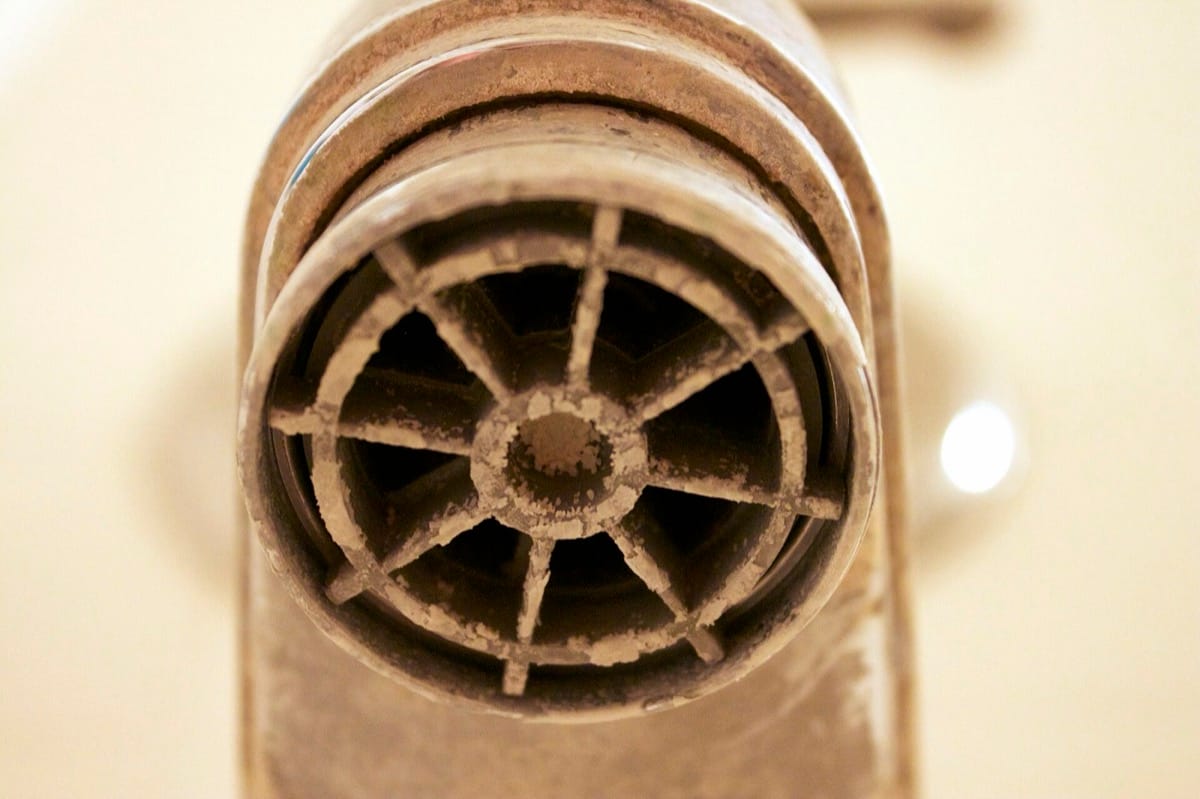
Topping up evaporated water with tap water raises TDS, because the minerals in the tap water stay behind as the water evaporates. That is why soft-water and shrimp keepers top up with RO water and reserve tap water for actual water changes. Getting this distinction right keeps a tank's chemistry steady over months.
Make it a habit
Used this way, TDS is less a measurement than a habit — a quick check that confirms each new batch of water matches the last. For most fish it is optional; for shrimp it is one of the handiest tools you own.
Is high TDS bad?
Not by itself — it depends what the solids are. A rising trend from waste is the concern.
Do I need a TDS meter?
No, except for shrimp or soft-water tanks where it is genuinely useful. Test kits cover the basics.
Does TDS measure hardness?
Partly — hardness contributes, but TDS includes other solids too. Use GH/KH for hardness.
Related guides
- Aquarium water testing: what to test
- Reverse osmosis water in aquariums
- How often to change aquarium water
Tools for this guide
Sources and research notes
Guidance follows standard fishkeeping practice; TDS is a useful trend indicator, especially for shrimp, but not a substitute for specific tests.
Written and edited by the Tankwise Editorial. Every guide answers one real fishkeeping question, is checked against the sources listed above, and is updated when guidance changes. We are an independent editorial desk, not veterinary or aquarium professionals — read how we research and update our guides.
- 22-26 C
- pH 7.0-8.5
- 60 L+; 60 x 30 cm base
- 20–26°C
- pH 7–8.2
- 50 L+
- 22–28°C
- pH 7–8.5
- 70 L+
- 21-25 C
- pH 6.0-7.5
- 60 L+; 60 x 30 cm base