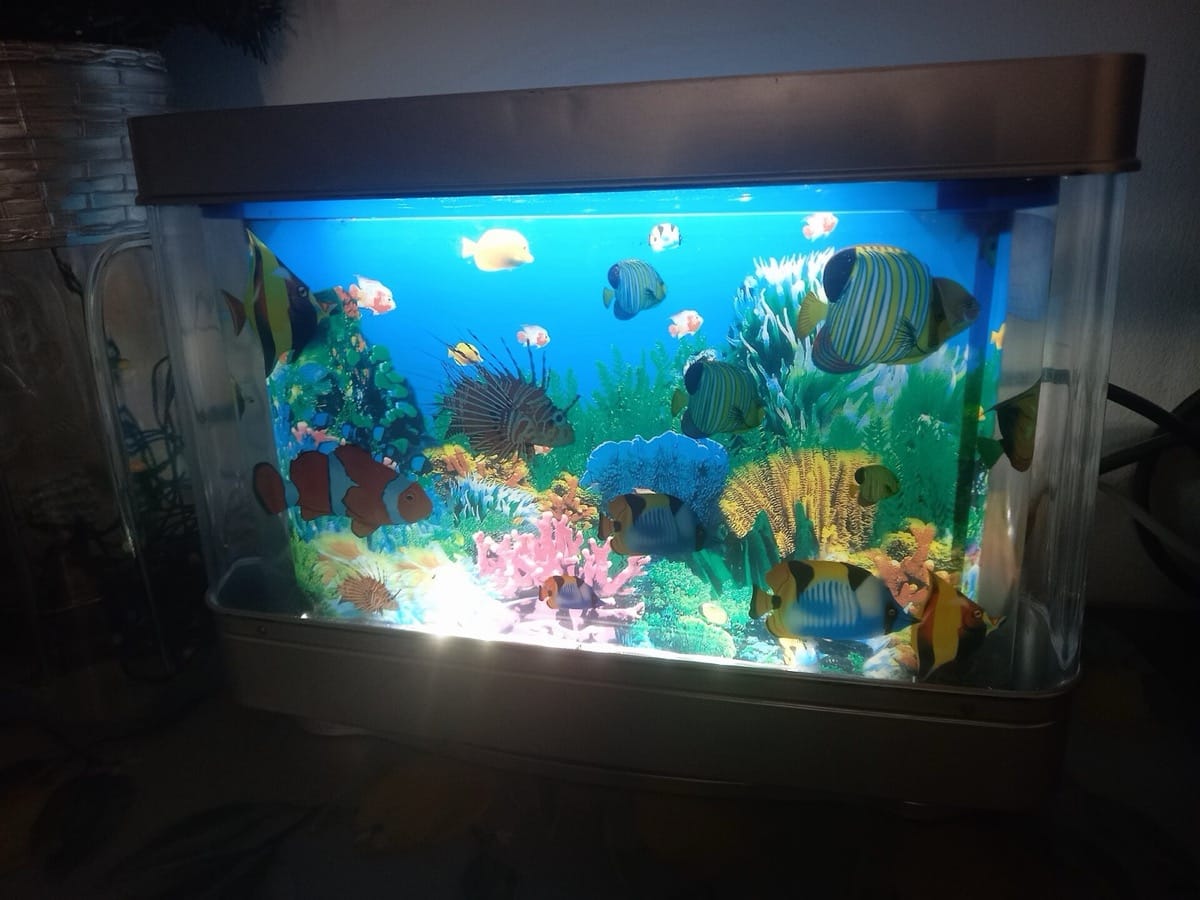
Aquarium Lighting for Beginners
Light does more than make a tank look good — it drives plant growth and feeds algae. Getting the hours and intensity right is most of the battle.
Aquarium lighting is a balance. Too little and plants sulk; too much, too long, or the wrong colour and algae takes over. For most beginners the two things that matter are how many hours and how intense the light is.
How long to light
Aim for 6–8 hours a day on a timer in a planted or community tank, and less if algae is a problem. A timer removes the biggest beginner mistake — leaving the light on all day.
Which light?
| Type | Good for |
|---|---|
| Basic LED strip | Fish-only tanks, easy low-light plants |
| Adjustable LED | Planted tanks; lets you control intensity |
| Full-spectrum plant LED | Demanding plants — often paired with CO₂ |
Light and algae
Algae thrives on excess light and nutrients. If it takes over: reduce the hours to 6, keep the tank out of direct sun, feed less and keep up water changes. Brighter light is not better unless the plants can use it — see algae types and fixes.
Light for plants
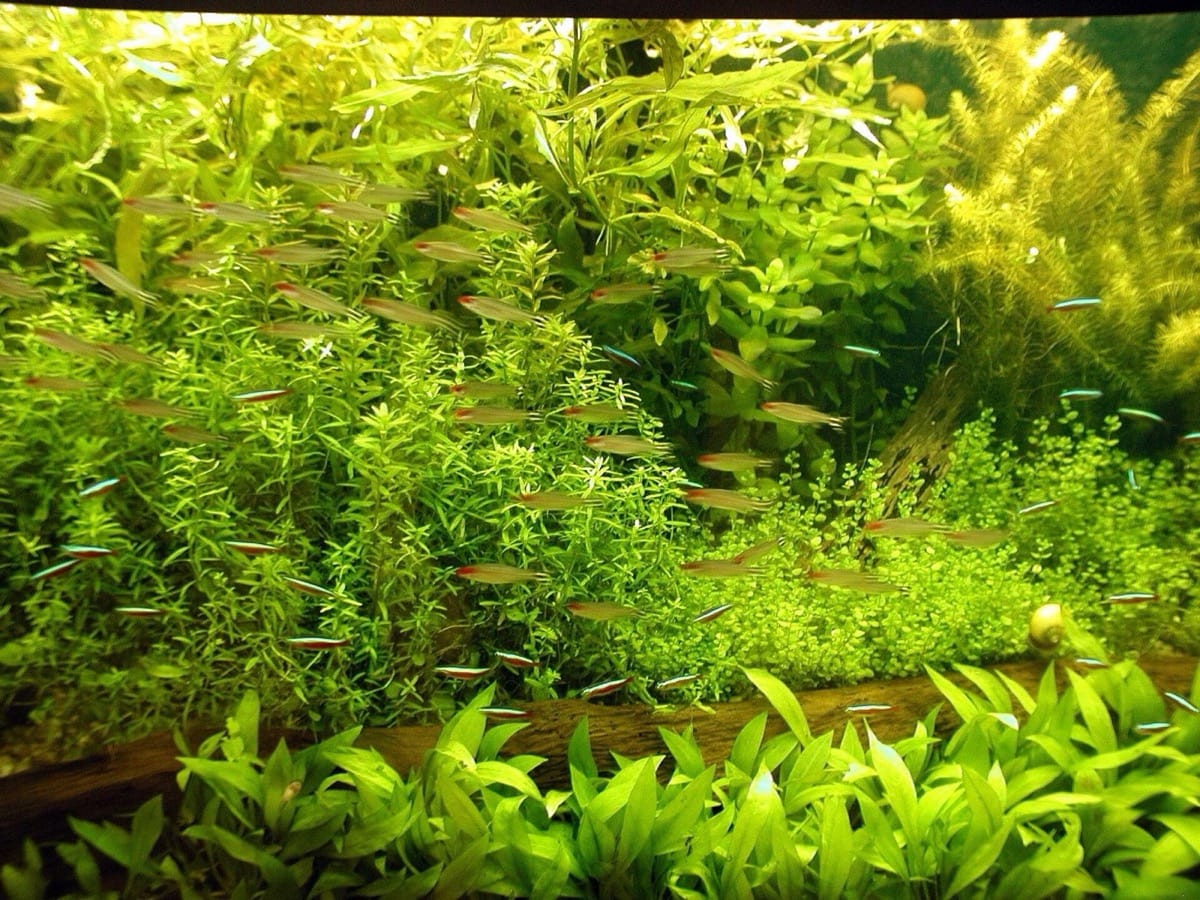
Easy plants like anubias and java fern grow under basic light with no CO₂. If you want demanding plants that need strong light, you usually also need CO₂ and fertiliser to match — light without them just feeds algae. Start simple.
How long to light the tank
A steady 6–8 hours a day on a timer suits most fish and easy plants, and it gives plants time to grow while denying algae the constant light it thrives on. The biggest beginner mistake is leaving the light on all day. A timer removes that risk entirely and keeps the photoperiod the same every day, which is exactly what plants and fish like. If algae takes hold, the first move is always to cut the hours back.
Which light to choose
Modern LEDs have replaced older tubes and are the sensible choice. A basic LED strip is plenty for a fish-only tank and easy, low-light plants like anubias and java fern. An adjustable LED lets you dial intensity up or down and suits a planted tank. A full-spectrum plant LED is for demanding plants and is usually paired with CO₂ and fertiliser. Start simple: buy the light for the plants you actually keep, not the most powerful one you can find.
Light and algae
Algae thrives on excess light and nutrients. Too many hours, too much intensity, or direct sunlight on the tank will all tip the balance. If algae wins, reduce the photoperiod to six hours, keep the tank out of direct sun, feed less and keep up water changes. Brighter light is not better unless the plants can use it — strong light without matching CO₂ and nutrients just feeds the algae instead.
Light for plants
Easy plants grow under basic light with no CO₂. If you want demanding plants that need strong light, you usually also need CO₂ and fertiliser to match — light alone just grows algae. Build up gradually: get easy plants thriving first, then add nutrients, then consider more light. Keeping the three in balance is the key to a lush, algae-free planted tank. Fish themselves need only a day/night rhythm, not bright light.
Avoid direct sunlight
A tank in a sunny window gets a second, uncontrolled light source that no timer can manage. Direct sun overheats a small aquarium and drives algae hard, the opposite of the balance you want. If the only spot is bright, soften it with a curtain and rely on the tank's own light on its timer. Consistent, controllable light beats bright light every time.
Do fish need light?
Fish need a day/night rhythm, not bright light. A normal room provides plenty of ambient light for fish health; the tank light is really for the plants and for you to see them. A regular photoperiod followed by a dark rest is what fish respond to. If you keep nocturnal species, some dim evening light lets you watch them emerge.
Start simple
If you are new to planted tanks, resist the urge to buy the brightest light you can afford. A basic LED and easy plants will teach you how light, nutrients and growth interact, and you can always upgrade once the easy plants are thriving. The keepers who grow the best plants are usually the ones who changed one thing at a time and watched what happened.
Can I leave the light on all day?
No — that guarantees algae. Use a timer for 6–8 hours.
Do fish need light?
Fish need a day/night rhythm but not bright light; a normal room and a few hours of tank light are plenty.
Does sunlight help?
Direct sunlight overheats the tank and drives algae. Keep the tank out of direct sun.
Related guides
Tools for this guide
Sources and research notes
Lighting guidance follows standard planted-tank practice; the key principle is balancing light with plant growth and nutrients to avoid algae.
Written and edited by the Tankwise Editorial. Every guide answers one real fishkeeping question, is checked against the sources listed above, and is updated when guidance changes. We are an independent editorial desk, not veterinary or aquarium professionals — read how we research and update our guides.
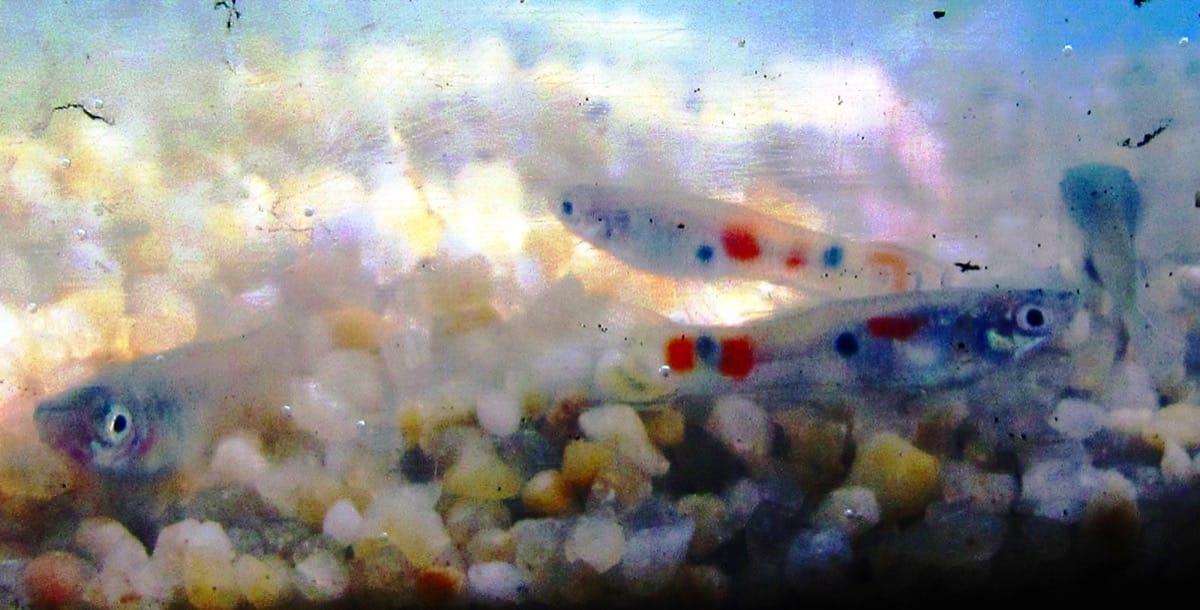
- 22-26 C
- pH 7.0-8.5
- 60 L+; 60 x 30 cm base
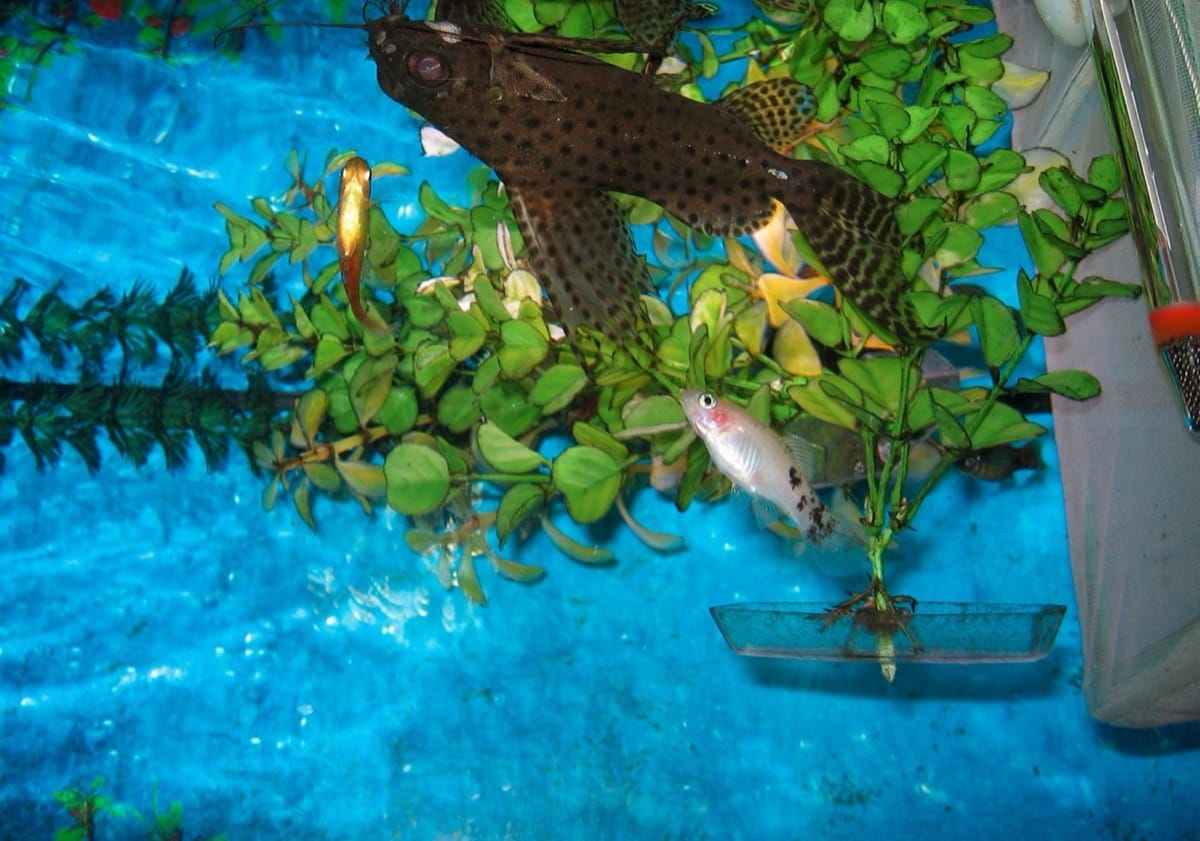
- 20–26°C
- pH 7–8.2
- 50 L+
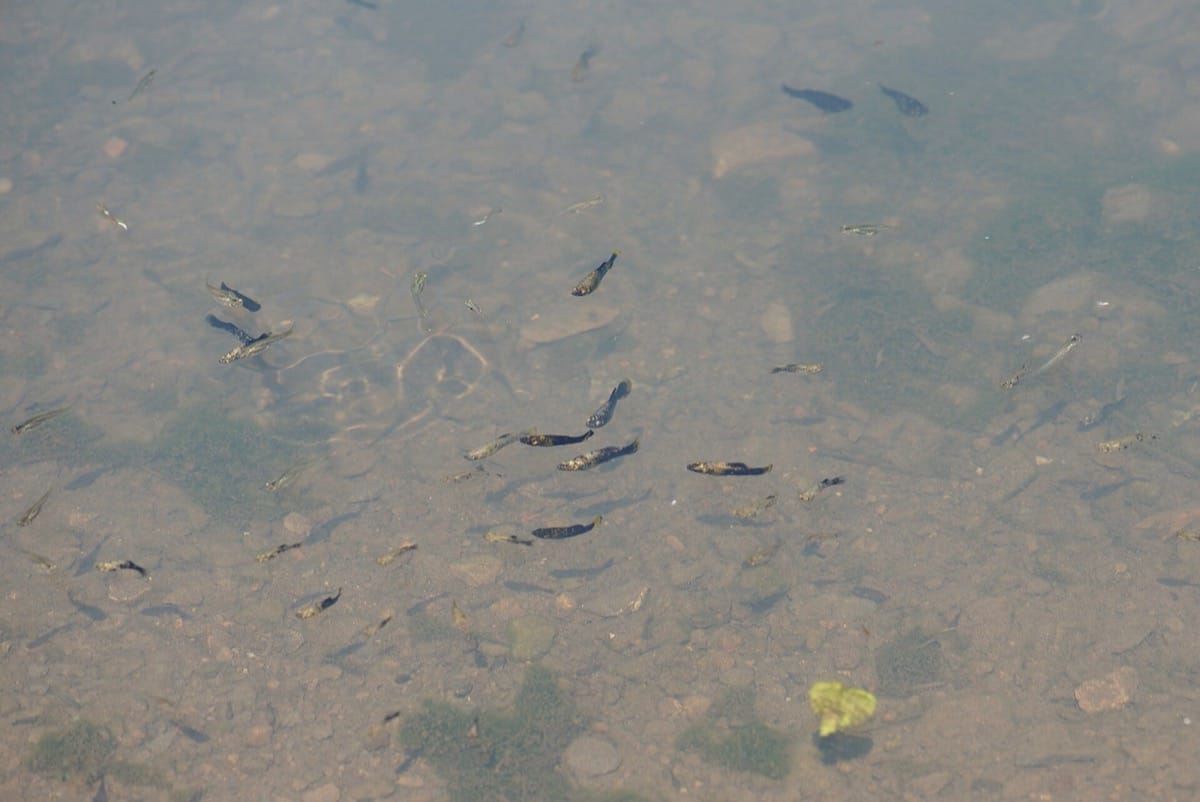
- 22–28°C
- pH 7–8.5
- 70 L+
- 21-25 C
- pH 6.0-7.5
- 60 L+; 60 x 30 cm base