Best Beginner Aquarium Fish
Some fish forgive a beginner's mistakes and some punish them. Meet the hardy, peaceful species that thrive in a first tank — and what to avoid.
Some fish forgive a beginner's early mistakes; others do not. The best first fish are hardy, adaptable to a range of water, and content in a reasonably sized tank. Avoid species that grow large, need special water, or are delicate — those are for when you have some experience.
Good first choices
| Fish | Why it suits beginners | Tank notes |
|---|---|---|
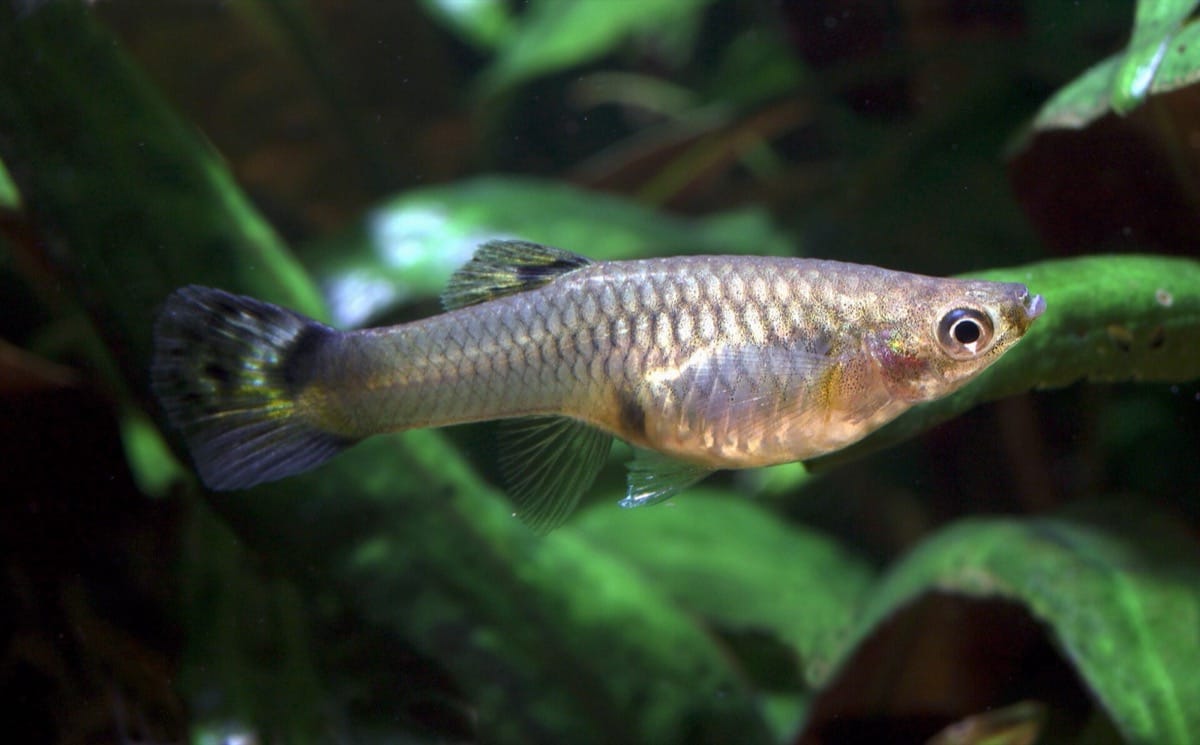
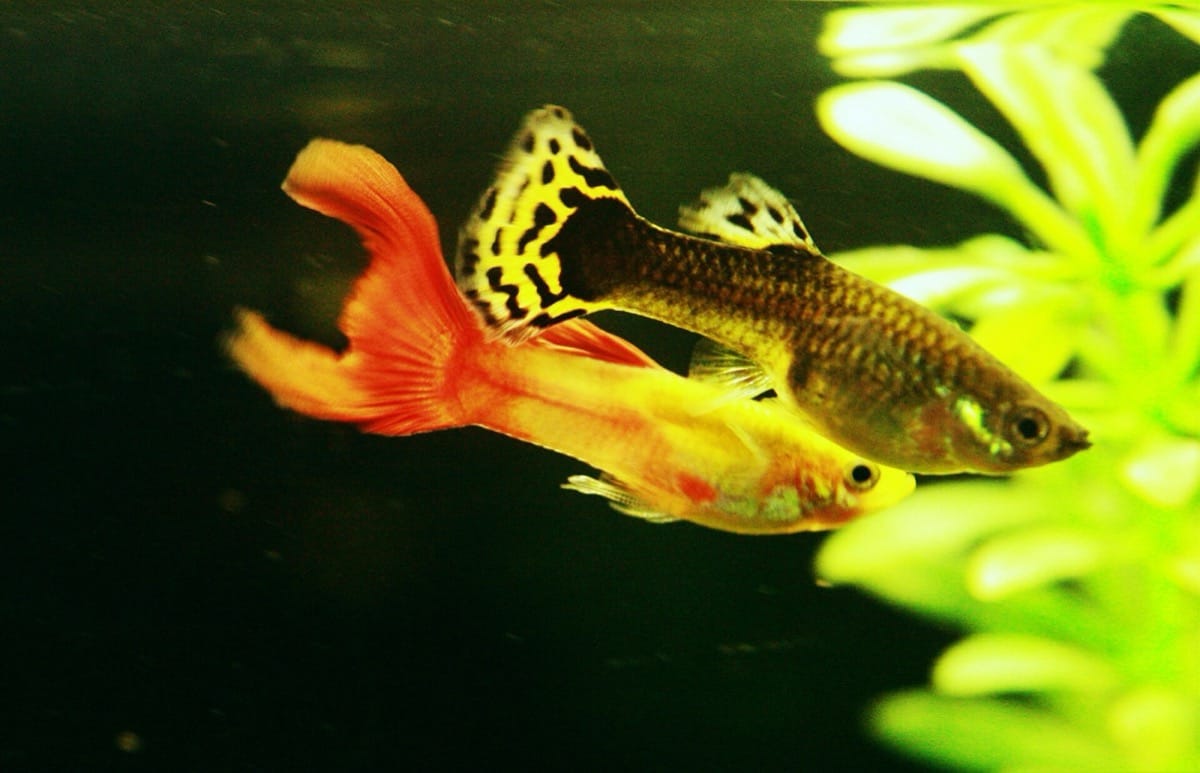
| Guppy | Hardy, colourful, active | Hard water suits them; keep groups |
| Platy | Tough and peaceful | Community tanks, groups |
| Zebra danio | Very hardy, lively | Needs a group and swimming length |
| Harlequin rasbora | Peaceful, adaptable | Keep six or more |
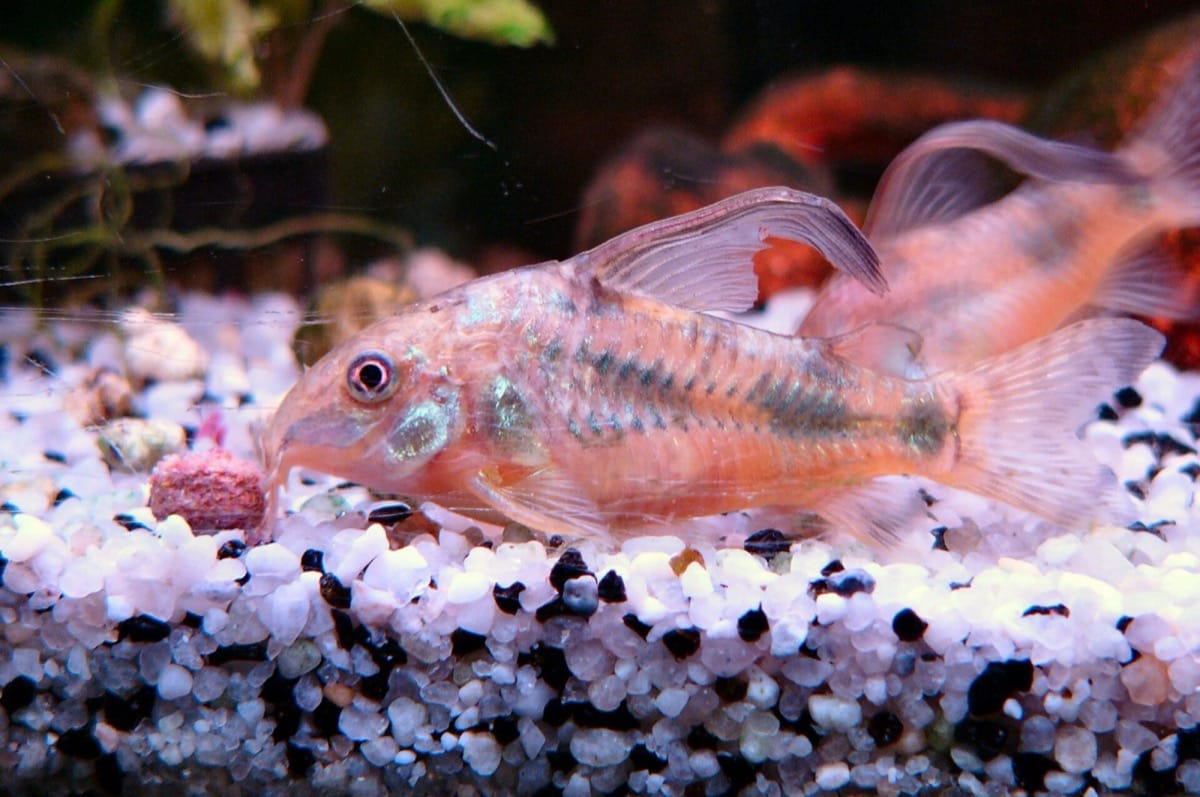
| Corydoras | Hardy, useful bottom feeders | Groups of six; soft substrate |
| White cloud minnow | Cool-water, very hardy | Suits unheated tanks |
Why these fish work
These species share useful traits: they tolerate a range of water hardness and pH, they are not fussy about food, and a group of them settles quickly. Many also do well at the temperatures of a normal heated tank, or — like white clouds — can live unheated in a cool room, which suits beginners who would rather not run a heater at first.
Buy in groups, not singly
Most of these fish are shoaling species that feel safe in numbers. A lone tetra or danio can become stressed and nippy; a group of six or more behaves naturally and looks better. This is one of the main reasons beginners are disappointed — not the fish themselves, but keeping too few of them.
What to avoid at first
- Large or aggressive fish — oscars, large cichlids, and anything that will outgrow the tank.
- Delicate species — discus and other fish that demand precise water.
- Fish that need special conditions — very soft or very hard water, cool or very warm tanks, unless you can provide it.
- Impulse buys — check the adult size and needs before buying.
Stock to the tank, not the moment
Before buying, check the adult size of each species, not the size it is in the shop. A fish that grows to 20 cm does not belong in a small tank, however cute the juvenile. Add fish gradually so the filter can keep up, and use the stocking level calculator as a rough sanity check — not a target to fill.
What makes a good beginner fish
The best first fish are hardy, adaptable to a range of water, peaceful, and not too large or demanding. They should tolerate the small fluctuations a new keeper will inevitably cause, eat readily, and not need specialised food or water. Choosing well means your early mistakes do not cost lives while you learn.
The most forgiving species
- Platies, guppies and mollies — hardy livebearers, colourful, tolerant, and they breed readily.
- Zebra danios — active, tough and forgiving of cool water.
- Neon and glowlight tetras — peaceful schooling fish for a settled tank.
- Harlequin rasboras — calm, hardy and a great community fish.
- Corydoras catfish — peaceful bottom dwellers, best in a group.
- Bettas — hardy and full of character for a single-fish tank.
Schooling and numbers
Many of the easiest fish are shoaling species that must be kept in groups. Neons, rasboras and corydoras each do far better in six or more than as a lonely one or two, and keepers who buy a single lonely tetra often wonder why it hides and fades. Plan the group size before you buy, not after.
What to avoid first time
- Goldfish in bowls — they need cold, large, well-filtered tanks.
- Discus and rams — beautiful but demanding about water.
- Large or aggressive cichlids — they outgrow small tanks and bully tankmates.
- Delicate wild-caught or specialised species — save them for when you have experience.
Stocking sensibly
Begin with one or two hardy species in proper numbers, added slowly over weeks so the filter's bacteria keep up. Choose fish that share similar temperature and water needs, so no single species is kept at the edge of its range. Resist filling the tank at once — a lightly stocked tank is far easier to keep stable than a crowded one.
Give them the basics
Even easy fish need a cycled filter, a heater kept steady, clean water and regular changes. The point of choosing hardy species is not that they survive neglect, but that they give you room to learn good habits without disaster. Do the routine properly and your "beginner" fish will live for years, not months.
The bottom line
Start with hardy, peaceful fish kept in sensible groups, in a cycled and stable tank. Learn the water-change and feeding routine on them, add species slowly, and you build the confidence and knowledge to keep more demanding fish later. A good first stocking choice is the foundation of the whole hobby.
How many fish should I start with?
Start with a small group of one hardy species, let the tank settle, then add more gradually over several weeks.
Do beginner fish need a heater?
Tropical species do. White cloud mountain minnows and some others suit unheated tanks in a warm room.
Can I mix species?
Yes — many community fish mix well if they share water and temperature needs. Check temperament and adult size first.
Related guides
Tools for this guide
Sources and research notes
Species suitability is based on widely kept beginner species; always check the specific needs and adult size of any fish before buying.
Written and edited by the Tankwise Editorial. Every guide answers one real fishkeeping question, is checked against the sources listed above, and is updated when guidance changes. We are an independent editorial desk, not veterinary or aquarium professionals — read how we research and update our guides.
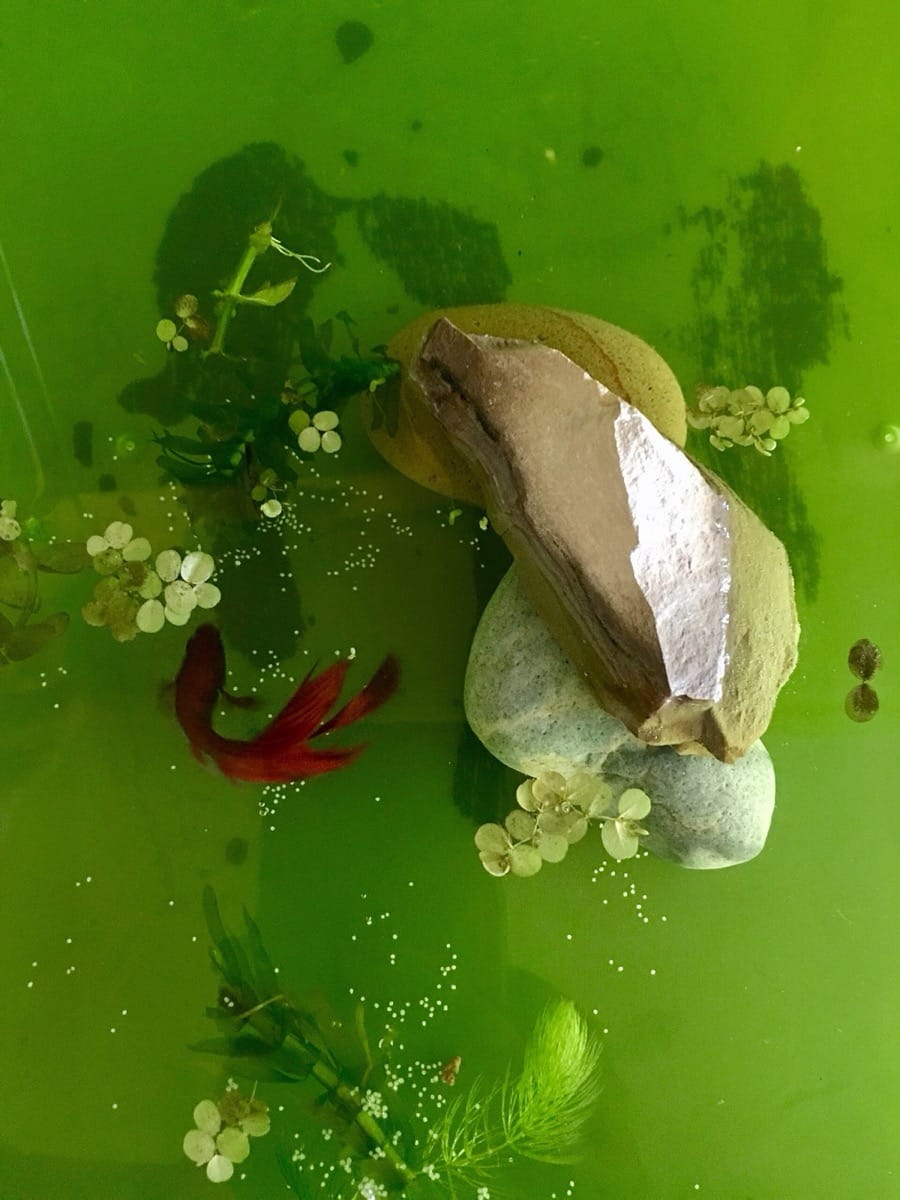
- 24-26 C
- pH 6.5-7.5
- 40 L+; 45 x 30 cm base
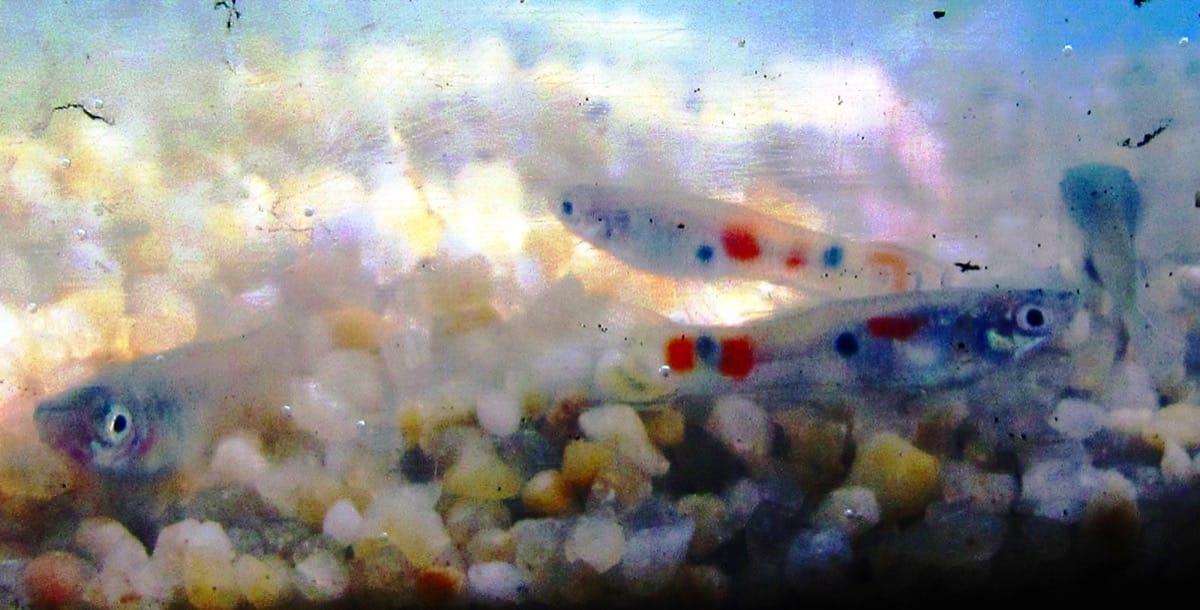
- 22-26 C
- pH 7.0-8.5
- 60 L+; 60 x 30 cm base
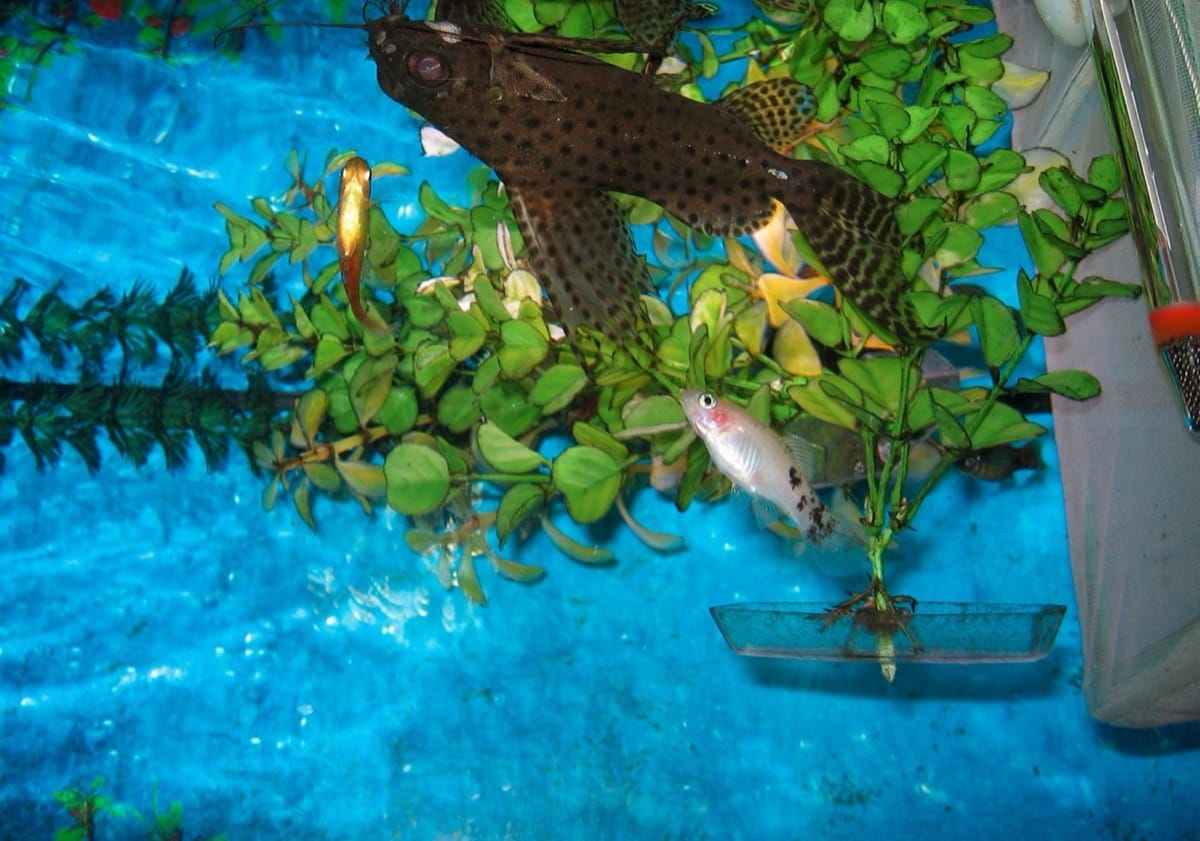
- 20–26°C
- pH 7–8.2
- 50 L+
- 20–26°C
- pH 6–7.8
- 60 L+