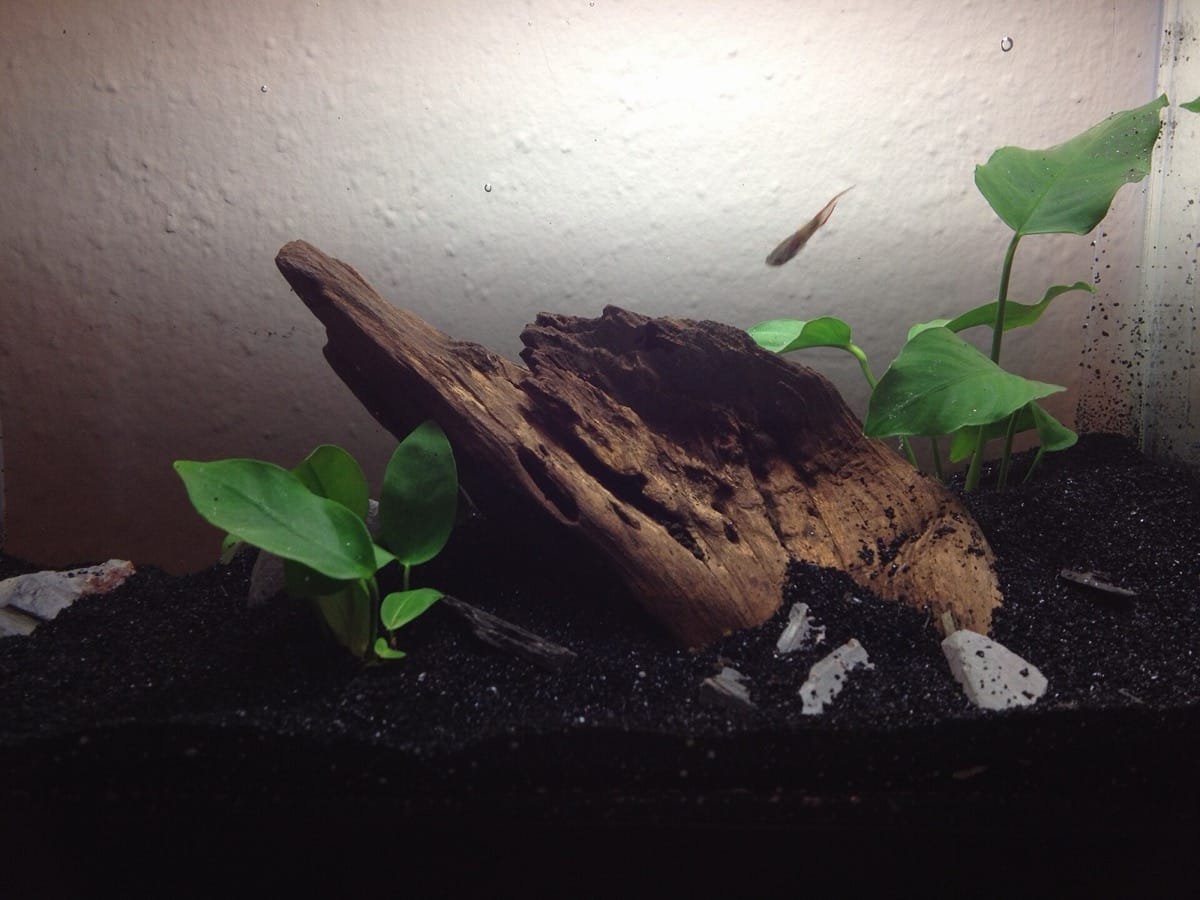
How to Set Up a 10-Gallon Tank
A 10-gallon tank is a classic first aquarium. Here is how to set one up properly — substrate, filter, cycling, and the first fish to add.
A 10-gallon tank, about 38 litres, is a popular first tank because it fits on a desk or shelf and costs little to run. But small volumes swing faster: a little waste or a missed water change shows up sooner than in a big tank. Set it up carefully and it is a genuinely easy aquarium.
What you need
- A 10-gallon (≈38 L) tank with a lid and a stand rated for the weight.
- A small filter — an air-driven sponge filter or a small internal filter suits this size.
- A heater (if keeping tropical fish) sized for the volume.
- Substrate, a water test kit, and a water conditioner.
Setting it up
- Position and level. Place the tank on a flat, sturdy stand out of direct sun, then check it sits level.
- Rinse substrate. Wash gravel or sand until the water runs clear, then add it at 3–5 cm deep.
- Add décor and water. Add wood, rocks and plants, then fill slowly onto a plate to avoid disturbing the substrate. Add water conditioner.
- Start the filter and heater. Run them and confirm the temperature holds.
- Cycle the filter. Do not add fish yet — run the tank and build the bacteria colony first (2–6 weeks).
- Test and stock slowly. Once ammonia and nitrite are zero, add a small group of hardy fish and build up gradually.
What fits in 10 gallons
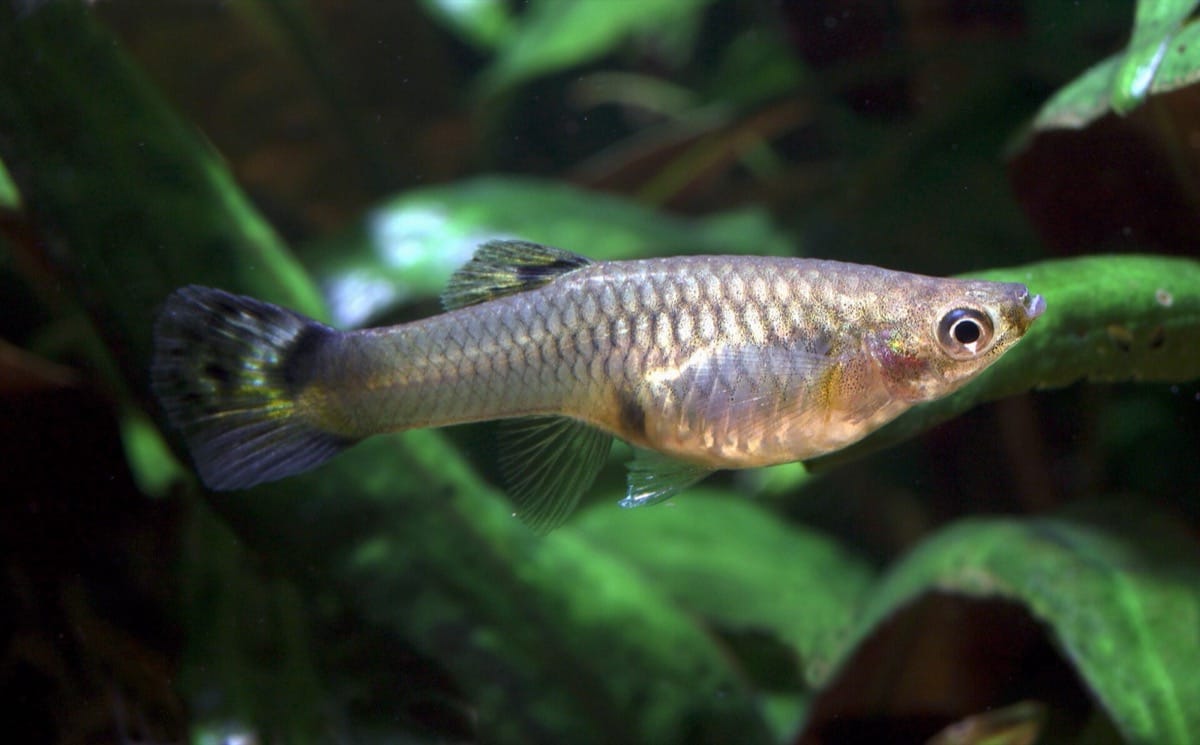
Small tanks suit small fish. A group of one shoaling species — guppies, a small rasbora, or six white cloud minnows — is a realistic, healthy load. Avoid a mixture of many species, and rule out anything that grows large. A single betta is also a good match for this size.
Keeping it stable
Small tanks need attention: change about 25% of the water weekly, feed lightly, and test the water regularly, especially in the first months. Because there is little water to buffer changes, going slowly with feeding and stocking matters more here than in a larger tank.
Choosing the spot and kit
A 10-gallon tank suits a desk or shelf, but small aquariums change temperature quickly, so keep it away from direct sun, heaters and draughts and on a surface that safely holds the weight of water (a full 10-gallon is over 40kg). You need the tank, a filter, a heater, a light, substrate, a water conditioner and a test kit. Choose a filter rated for a slightly larger tank, so the bacteria have plenty of media to work with.
Setting up
- Rinse the tank, gravel and décor in water — never soap.
- Add substrate at a shallow depth so it is easy to vacuum.
- Fill with dechlorinated, temperature-matched water, placing a plate or bag to avoid disturbing the substrate.
- Install and start the filter and heater, set to about 24–25°C.
- Add a light and a few plants or hides for cover and interest.
Cycle before fish
This is the step beginners skip and regret. Run the tank for a few weeks until the filter's bacteria handle ammonia and nitrite — use a fishless cycle with a source of ammonia and test daily, or use bottled bacteria plus a source of ammonia and patience. Once ammonia and nitrite both read zero, do a large water change and the tank is ready. Adding fish to an uncycled tank is the most common cause of early losses.
What to stock
Ten gallons is a small tank, so keep the load light. A good plan is one small centrepiece (a betta, or a pair of dwarf gouramis) or a small school of six tiny fish (neon tetras, ember tetras, chili rasboras) plus perhaps a few shrimp or a nerite snail. Avoid goldfish, common plecos and any fish that grows large. Choose species suited to your water and build the numbers slowly.
Routine care
- Feed only what is eaten in a couple of minutes.
- Change 25% of the water weekly, dechlorinated and temperature-matched.
- Vacuum part of the substrate during each change.
- Rinse filter media gently in old tank water only when flow drops.
- Test ammonia and nitrite now and then, especially when adding fish.
Mistakes to avoid
- Adding fish on day one — cycle first.
- Overstocking — a small tank fills up fast.
- Overfeeding — the top cause of poor water in small tanks.
- Big 100% water changes — they shock fish and reset the biology.
A great first tank
Set up and cycled properly, a 10-gallon is stable, easy to care for and a perfect introduction to the hobby. Keep the stocking light, the water clean and the changes regular, and a modest tank rewards you with years of enjoyment.
Is a 10-gallon tank too small for beginners?
It is fine if you stock lightly and keep up water changes. Larger tanks are more forgiving, but a 10-gallon done well works.
Can I keep a betta in 10 gallons?
Yes — it is a comfortable size for a single betta, with room for a few snails or shrimp depending on the individual.
Do I need a heater?
Only for tropical fish. Cool-water species such as white clouds can suit an unheated tank in a warm room.
Related guides
Tools for this guide
Sources and research notes
Setup and stocking follow standard freshwater guidance for small tanks. Exact stocking depends on species and filtration.
Written and edited by the Tankwise Editorial. Every guide answers one real fishkeeping question, is checked against the sources listed above, and is updated when guidance changes. We are an independent editorial desk, not veterinary or aquarium professionals — read how we research and update our guides.
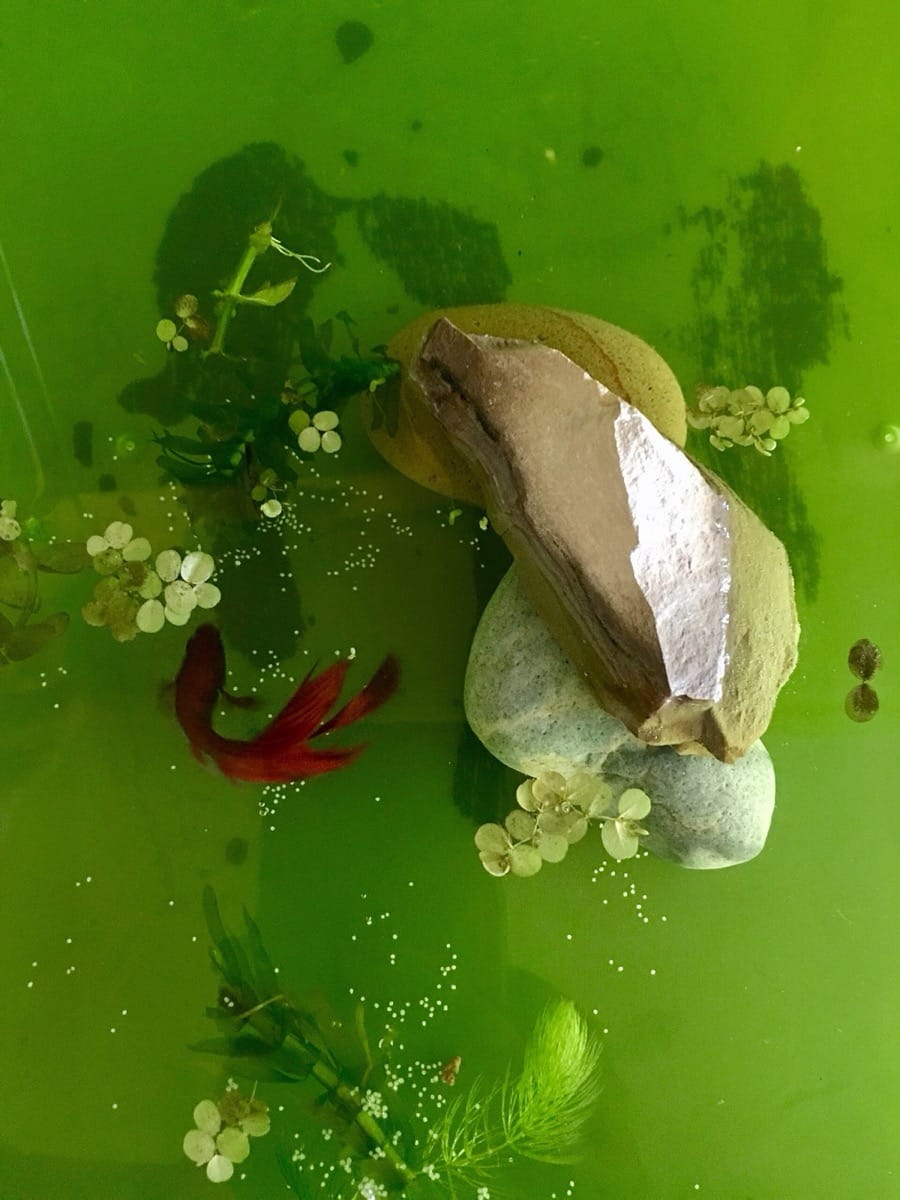
- 24-26 C
- pH 6.5-7.5
- 40 L+; 45 x 30 cm base
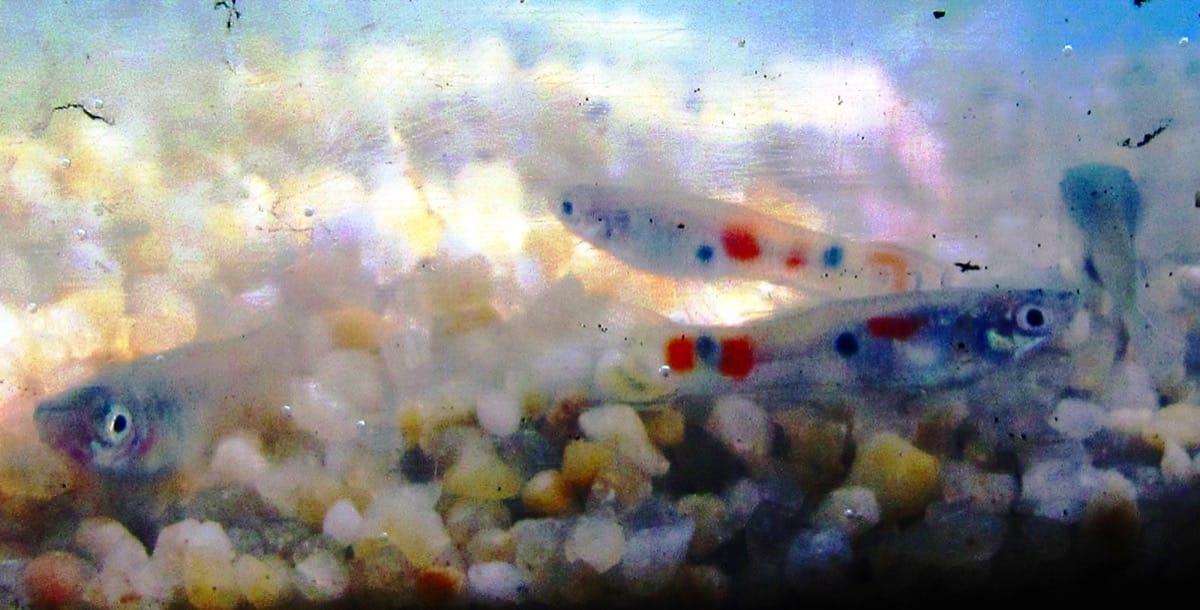
- 22-26 C
- pH 7.0-8.5
- 60 L+; 60 x 30 cm base
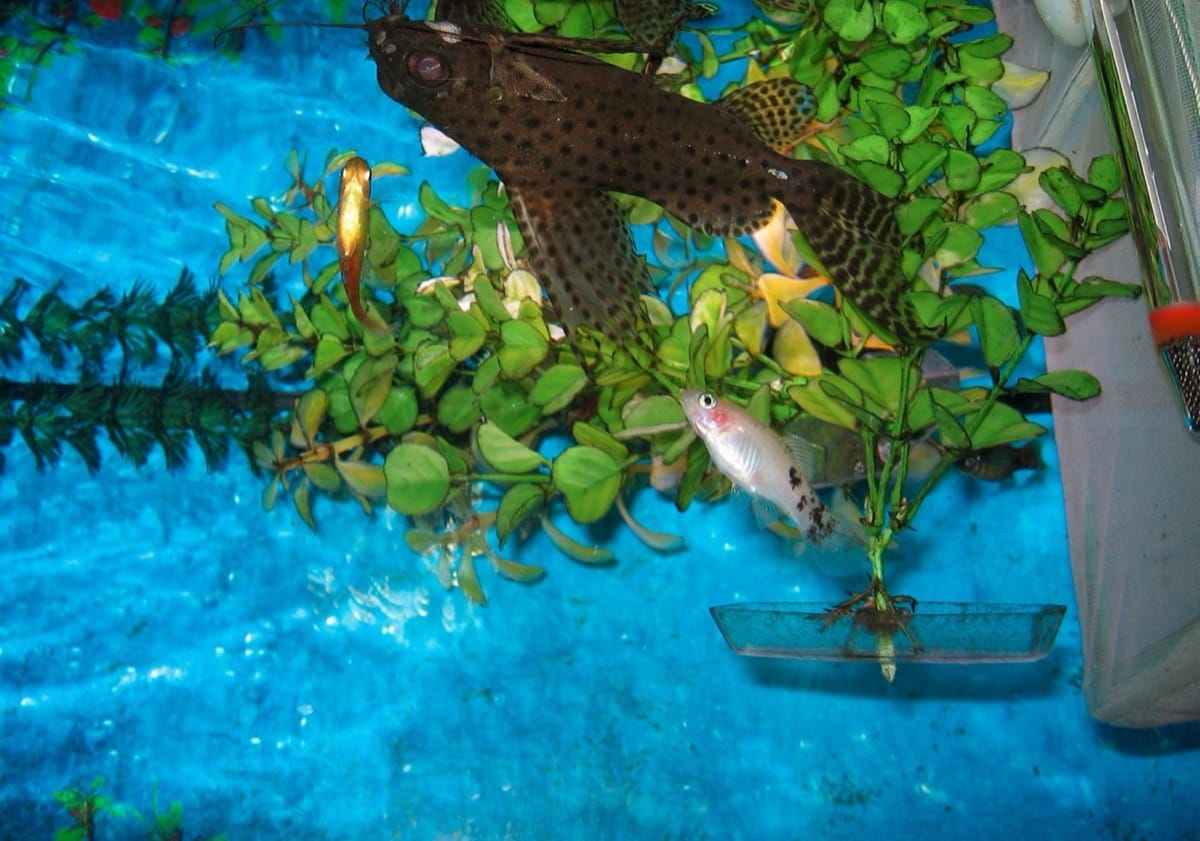
- 20–26°C
- pH 7–8.2
- 50 L+
- 20–26°C
- pH 6–7.8
- 60 L+