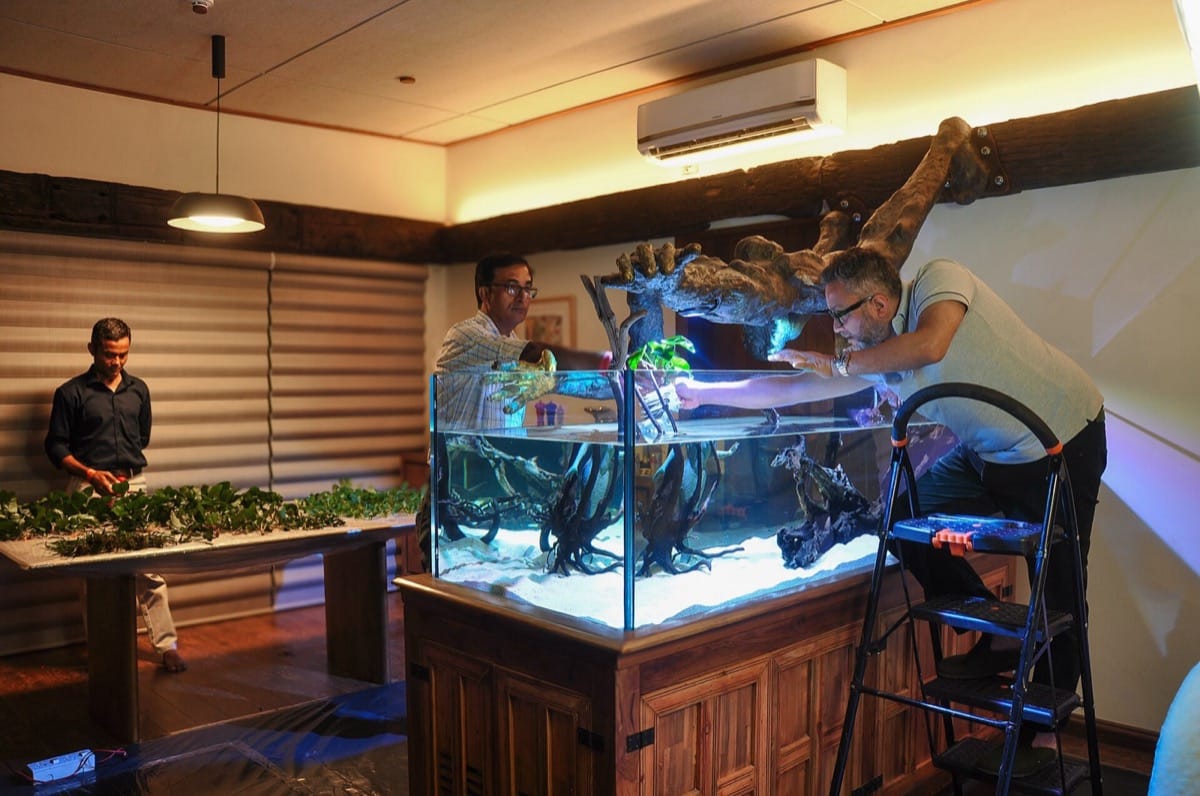
How to Set Up a 20-Gallon Tank
A 20-gallon tank balances stability and size, making it a great first community. Here is how to set one up for healthy fish from day one.
Around 76 litres, a 20-gallon tank is widely recommended for beginners because it balances two things: enough water to stay stable, but a size that fits a normal home and budget. It gives you more stocking options than a nano tank while remaining manageable for a weekly routine.
What you need
- A 20-gallon (≈76 L) tank, lid and a sturdy, level stand.
- A filter rated for the volume — a canister or good internal filter.
- A heater and thermometer for tropical fish.
- Substrate, plants or décor, a test kit and a water conditioner.
Setting it up
- Plan before you fill. Decide the theme — community, planted, or a single small cichlid — because it affects décor and stocking.
- Position and level. Choose a spot out of direct sun, away from heat sources, on a stand built for a full tank's weight.
- Add substrate and hardscape. Rinse the substrate, then place wood and rocks before planting.
- Fill and treat. Fill slowly, add water conditioner, and start the filter and heater.
- Cycle the filter. Run the tank for 2–6 weeks until ammonia and nitrite are zero. Do not add fish before this.
- Stock gradually. Add a first group of hardy fish, then more over the following weeks.
What fits in 20 gallons
This size opens up more choices: a community of small shoaling fish, a pair of smaller cichlids, or a thriving betta setup with tank mates. Aim for one or two shoaling species kept in proper groups rather than a little of everything. Check adult sizes before buying, and use the stocking tool as a rough guide only.
Planted or not?
Live plants are worth considering from the start: they use up some waste, look natural and give fish cover. Easy, low-light species such as anubias, java fern and cryptocorynes need no special equipment. If you want demanding plants and CO₂, that is a step up — get the tank running smoothly first.
Keeping it stable
Change about 25% of the water weekly, vacuum part of the substrate on rotation, and test ammonia, nitrite and nitrate while the tank matures. Rinse filter media in old tank water, feed lightly, and the larger volume will repay you with more forgiving water.
Why 20 gallons works well
A 20-gallon tank holds enough water to be forgiving — temperature and chemistry move slowly, so small mistakes do not snowball — yet it is still small enough for a modest weekly water change and a shelf or desk. It suits a proper community of small fish, makes a good planted tank, and is a comfortable upgrade from a 10-gallon.
What you need
- A filter rated for a slightly larger tank, with good biological media.
- A heater with a thermostat, sized for the volume.
- A heater thermometer to confirm the temperature.
- Substrate, décor, plants and a light.
- Dechlorinator and a liquid test kit.
Setting up
- Choose a spot out of sun and draughts, on a stand that takes the weight (a full 20-gallon is around 90kg).
- Rinse substrate and décor in water, never soap.
- Add substrate and the hardscape, then fill with dechlorinated, temperature-matched water.
- Start the filter and heater, set to about 24–25°C.
- Add plants and a light, on a timer for six to eight hours.
Cycle it before fish
Run the tank until the filter's bacteria handle ammonia and nitrite — a fishless cycle with a source of ammonia and daily testing, or bottled bacteria plus patience, is the reliable route. When ammonia and nitrite both read zero and nitrate is rising, do a large water change and the tank is ready. Skipping this is the number-one cause of beginner fish losses.
Stocking plan
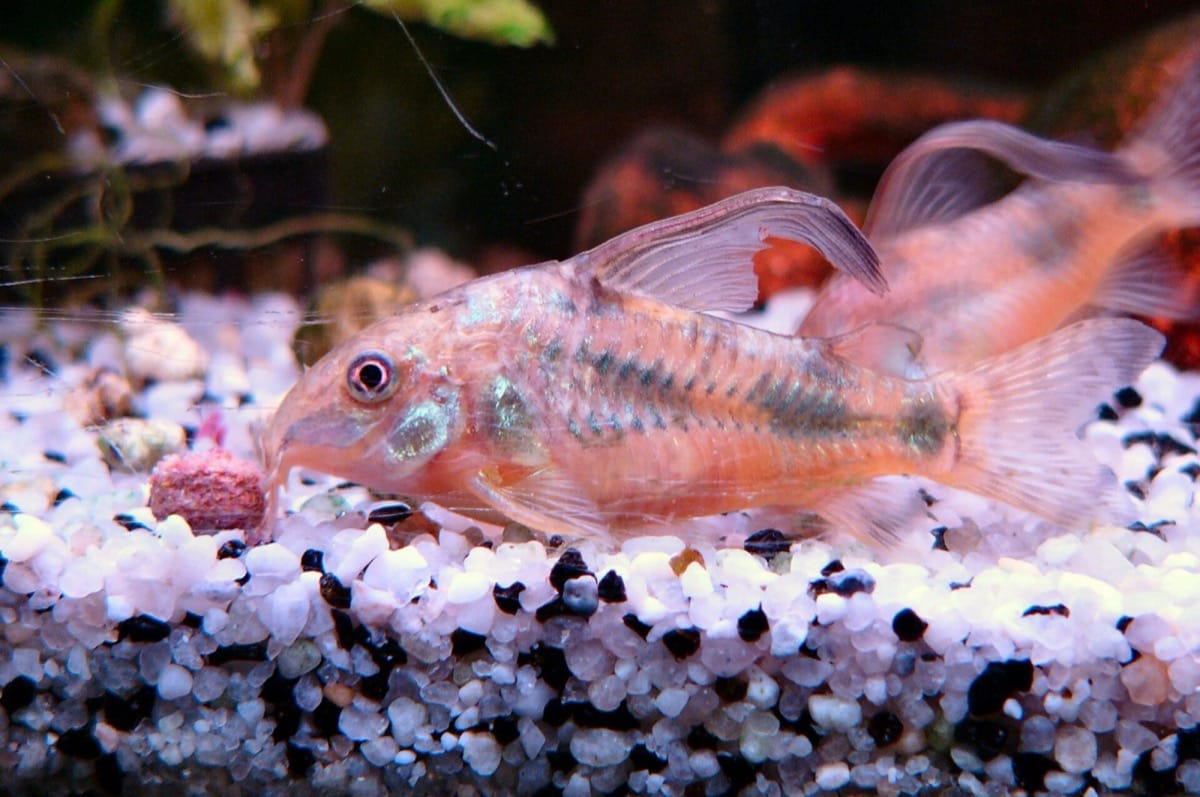
A classic 20-gallon community might hold one small centrepiece — a betta, a dwarf gourami or an apistogramma — plus a school of six to eight small fish (tetras, rasboras, danios or ember tetras) and six corydoras on the bottom, perhaps with shrimp or snails. Check adult size, water needs and temperament, and stock over several weeks so the bacteria keep pace.
Routine care
- Change 25% of the water weekly, dechlorinated and matched to temperature.
- Feed only what is eaten in a couple of minutes.
- Vacuum part of the substrate at each change.
- Rinse media in old tank water only when flow drops.
- Test ammonia and nitrite after any change in stocking.
Mistakes to avoid
The usual errors are adding fish too soon, overstocking, overfeeding, skipping water changes, and rinsing the filter under the tap. Avoid all of them and this forgiving size does much of the work for you. Set up and cycled well, a 20-gallon community is one of the most satisfying tanks a beginner can keep — large enough to be interesting, small enough to be easy.
Is 20 gallons good for a beginner?
Yes — it is often called the ideal beginner size, stable enough to be forgiving but small enough to manage easily.
How many fish can I keep?
It depends entirely on species. A community of small shoaling fish can number a dozen or more; a pair of cichlids may fill it. Match fish to tank.
Can I put it upstairs?
A full 20-gallon setup is heavy. On a solid floor it is usually fine; on suspended timber, spread the load and check the structure.
Related guides
- How to set up a 10-gallon tank
- Your first aquarium: beginner guide
- The nitrogen cycle and cycling a tank
Tools for this guide
Sources and research notes
Setup and stocking follow standard freshwater guidance. Stocking capacity depends on species, filtration and water-change routine.
Written and edited by the Tankwise Editorial. Every guide answers one real fishkeeping question, is checked against the sources listed above, and is updated when guidance changes. We are an independent editorial desk, not veterinary or aquarium professionals — read how we research and update our guides.
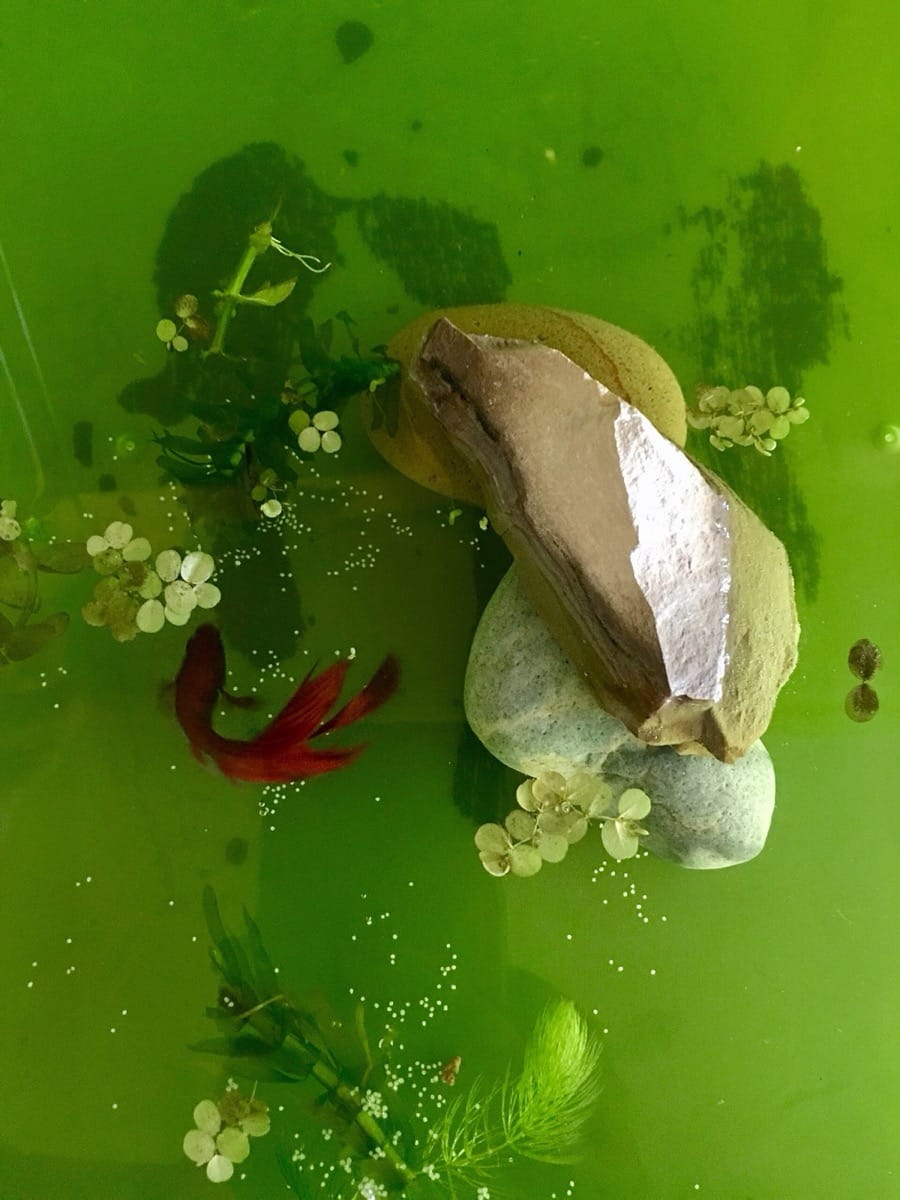
- 24-26 C
- pH 6.5-7.5
- 40 L+; 45 x 30 cm base
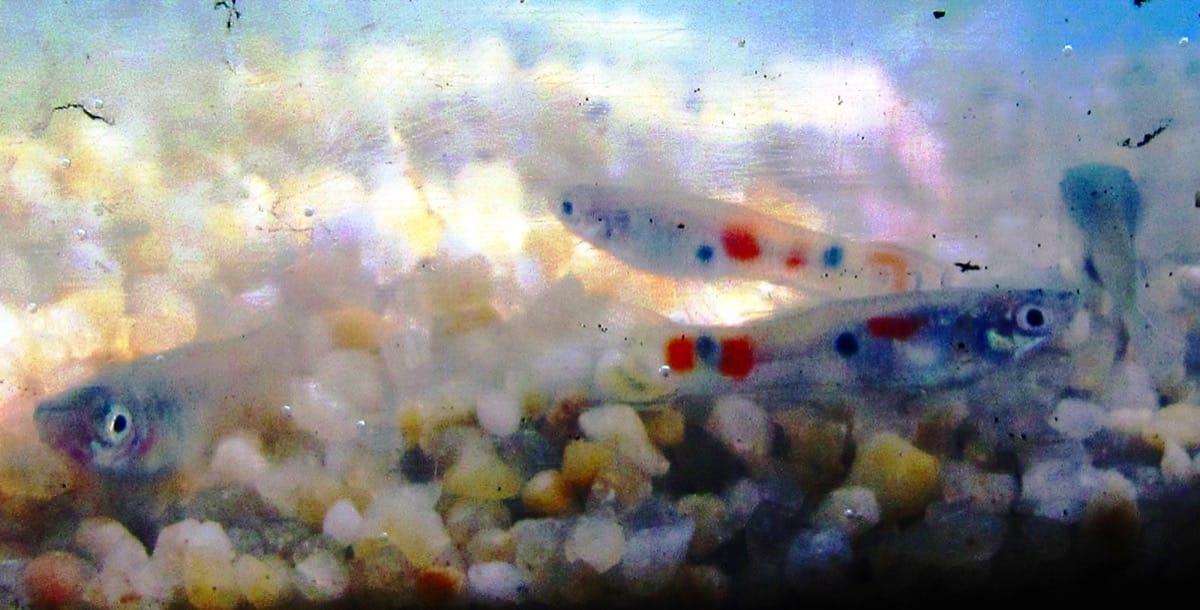
- 22-26 C
- pH 7.0-8.5
- 60 L+; 60 x 30 cm base
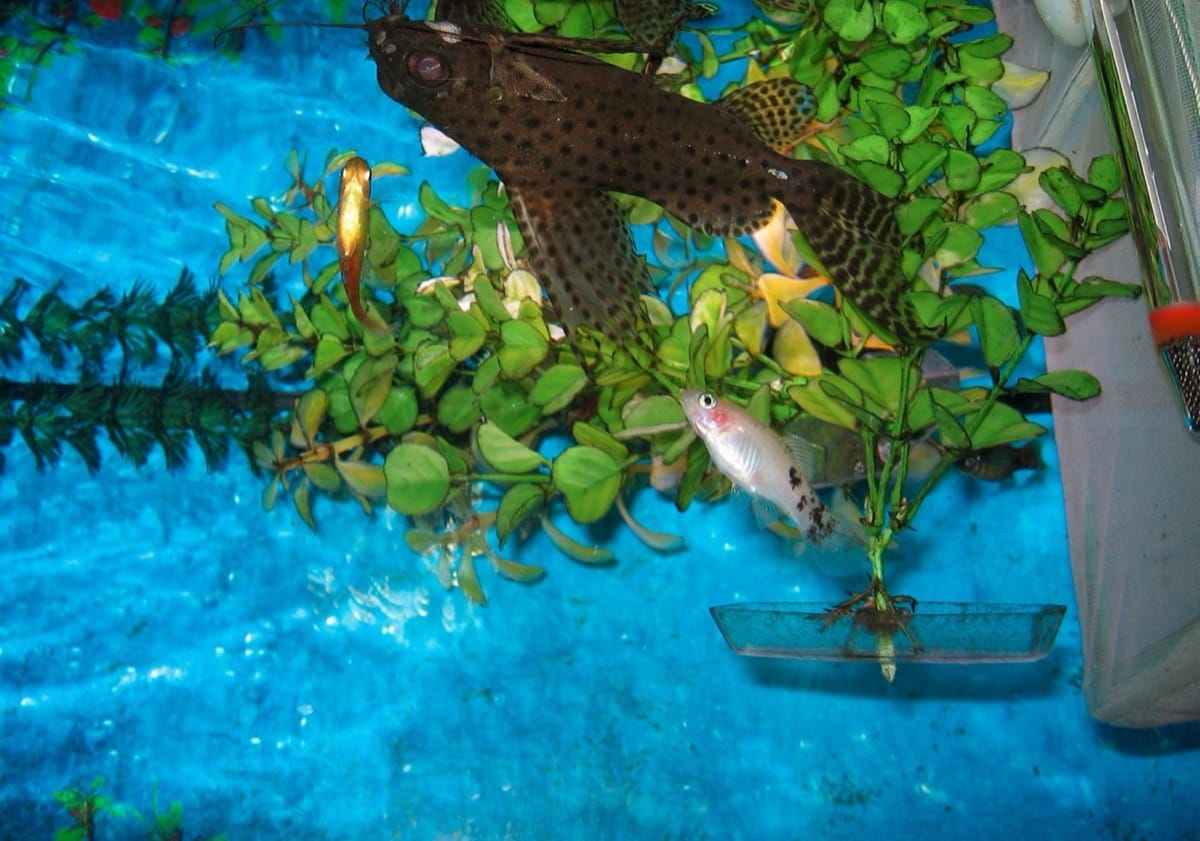
- 20–26°C
- pH 7–8.2
- 50 L+
- 20–26°C
- pH 6–7.8
- 60 L+