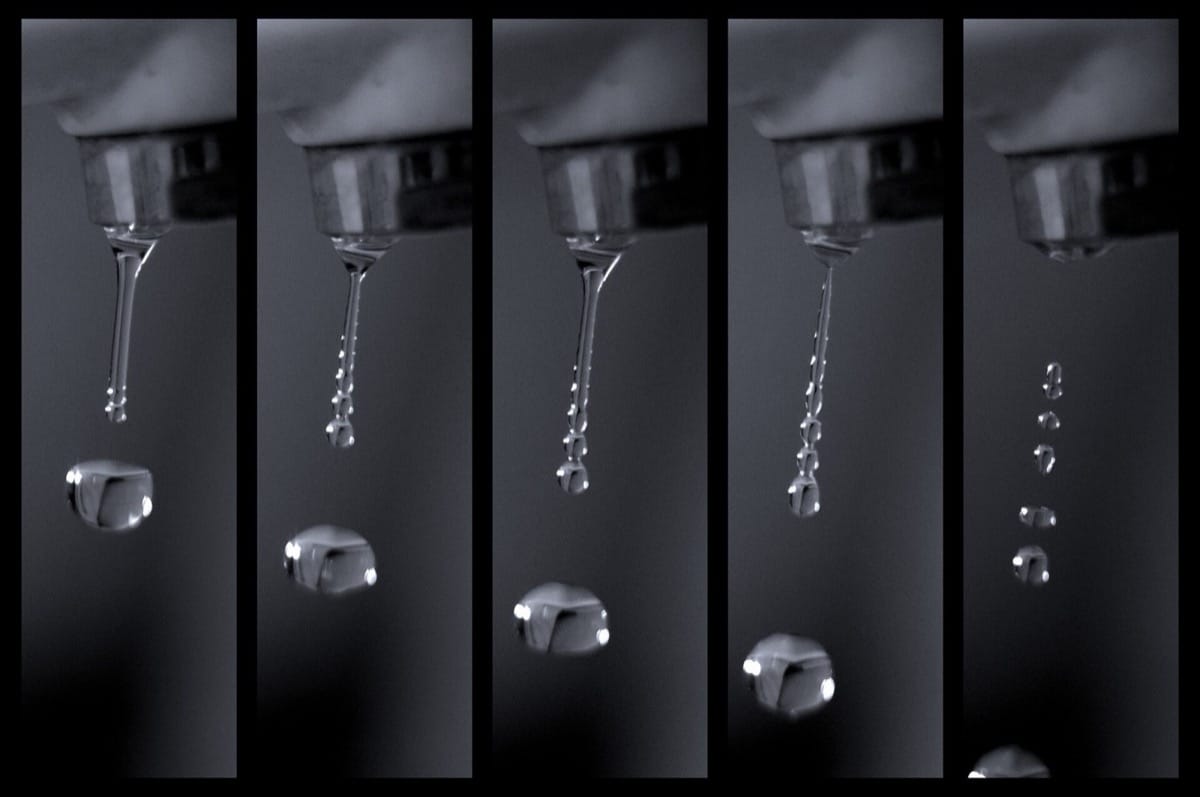
Tap Water and Dechlorination for Aquariums
Tap water is fine for most fish once the chlorine or chloramine is removed. Here is how dechlorination works and why it matters at every water change.
Tap water is the practical choice for most aquariums, but straight from the tap it usually contains chlorine or chloramine added to make it safe to drink. Both are harmful to fish and to the filter bacteria, so water must be treated with a dechlorinator before it goes into the tank.
Why chlorine matters
Chlorine and chloramine are disinfectants — they kill microorganisms, which is exactly what you do not want in an aquarium, where the whole system depends on beneficial bacteria. Untreated tap water can knock back your filter and harm fish gills. A water conditioner neutralises both in seconds.
How to prepare water
- Fill your container with tap water at roughly tank temperature.
- Add conditioner at the label dose for that volume.
- Stir and wait the time the product states (usually near-instant).
- Add it to the tank when changing water.
Chlorine can also be left to gas off if water stands for a day, but chloramine cannot — it needs a conditioner. Many suppliers now use chloramine, so treating is the safe default.
What else is in tap water
Tap water also carries the hardness and pH of your area (see pH, GH and KH). Rather than adjusting it, the simplest approach for beginners is to choose fish that suit your tap water. Test it once so you know what you are starting with.
What not to do
- Don't skip conditioner to "save time" — it is quick and important.
- Don't guess the volume for dosing; use the real water volume.
- Don't use hot tap water to warm the water — it can carry more metals from the pipes. Mix with a kettle instead.
Why tap water needs treating
Water companies add chlorine or chloramine to make tap water safe to drink. Both are harmless to people but toxic to fish, damaging their gills, and chlorine also kills the good bacteria in the filter, which can crash a tank's cycle. So tap water is perfectly usable, but it must be dechlorinated before it touches the aquarium.
How to dechlorinate
The simplest method is a liquid dechlorinator (a water conditioner): add the dose for the volume you are replacing, stir, and it neutralises chlorine within minutes. Some products also handle chloramine, which is more stubborn and needs a dedicated conditioner rather than old-fashioned "water ageing", since chloramine does not evaporate off. This is the quick, reliable method that almost every keeper uses on water-change day.
Letting water age
Chlorine will dissipate from a bucket left open for twenty-four hours, ideally with an airstone, but chloramine will not. So if your supplier uses chloramine — common in many cities — ageing alone is not enough and you still need a conditioner. Do not rely on "standing tap water overnight" as a universal method; check your local water report to know which chemical is used.
Temperature and other parameters
Dechlorination addresses chlorine, but tap water also brings whatever temperature and minerals it has. Always match the new water to tank temperature within a degree or two, and if your tap water is very soft or very hard, choose fish that suit it rather than trying to alter it every change. If you are unsure of your tap water, a simple test of pH and GH tells you a lot.
Common mistakes
- Adding untreated tap water to the tank — the single most damaging mistake.
- Relying on ageing when the supply uses chloramine.
- Underdosing the conditioner for a large change.
- Temperature shock from cold top-up water.
- Rinsing filter media in tap water — it kills the bacteria.
Well, rain and RO water
Well water has no chlorine but may be very hard or carry other minerals, so test it. Rainwater is soft but can pick up pollutants depending on where it is collected. Reverse-osmosis (RO) water is very pure and is sometimes used by shrimp and discus keepers, but it must be re-mineralised, because pure RO lacks the minerals fish need. For most keepers, dechlorinated tap water is the easiest and most consistent choice.
Dose for the volume you actually replace
Measure the bucket or use the tank's dimensions to work out how much water you are adding, then dose the conditioner for that amount. Getting the volume roughly right matters more than being exact, but badly underdosing a large change leaves chlorine in the tank, while chronic overdosing just wastes product. A marked bucket makes the whole routine quick and reliable.
Does letting water sit remove chlorine?
It removes chlorine over about 24 hours, but not chloramine. A conditioner handles both.
Is bottled water better?
Usually not. It varies in mineral content, can be expensive, and tap water treated with conditioner is fine for most fish.
Can I use rainwater?
Only with care — it is very soft and can pick up pollutants. It suits some species but needs testing and treatment.
Related guides
Tools for this guide
Sources and research notes
Water treatment guidance follows standard fishkeeping practice; municipal water treatment and chloramine use vary by area.
Written and edited by the Tankwise Editorial. Every guide answers one real fishkeeping question, is checked against the sources listed above, and is updated when guidance changes. We are an independent editorial desk, not veterinary or aquarium professionals — read how we research and update our guides.
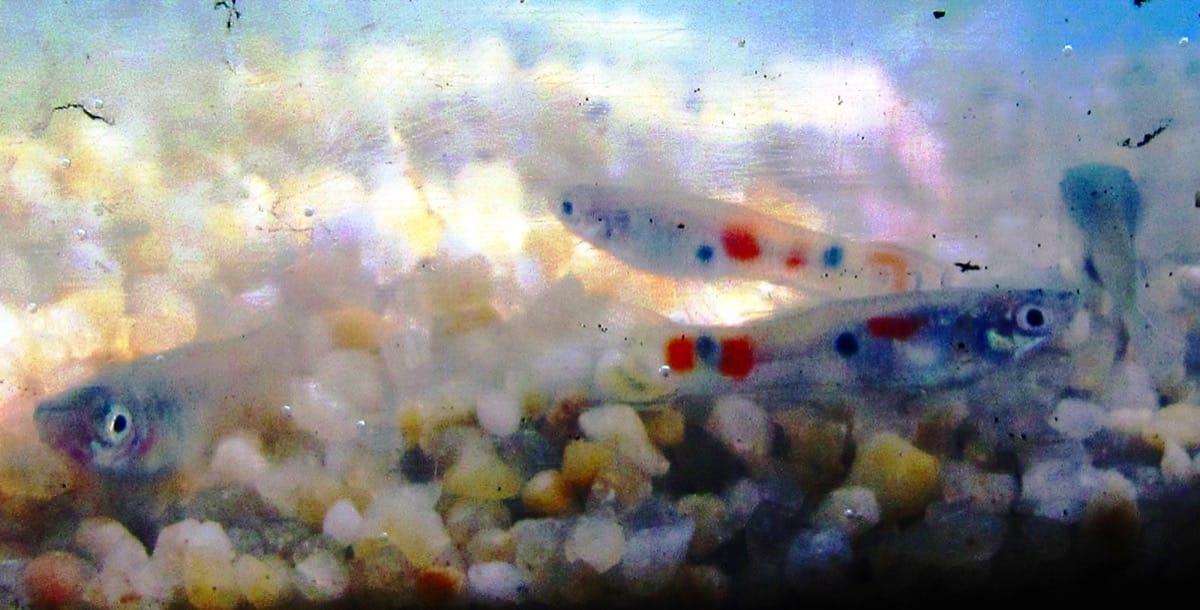
- 22-26 C
- pH 7.0-8.5
- 60 L+; 60 x 30 cm base
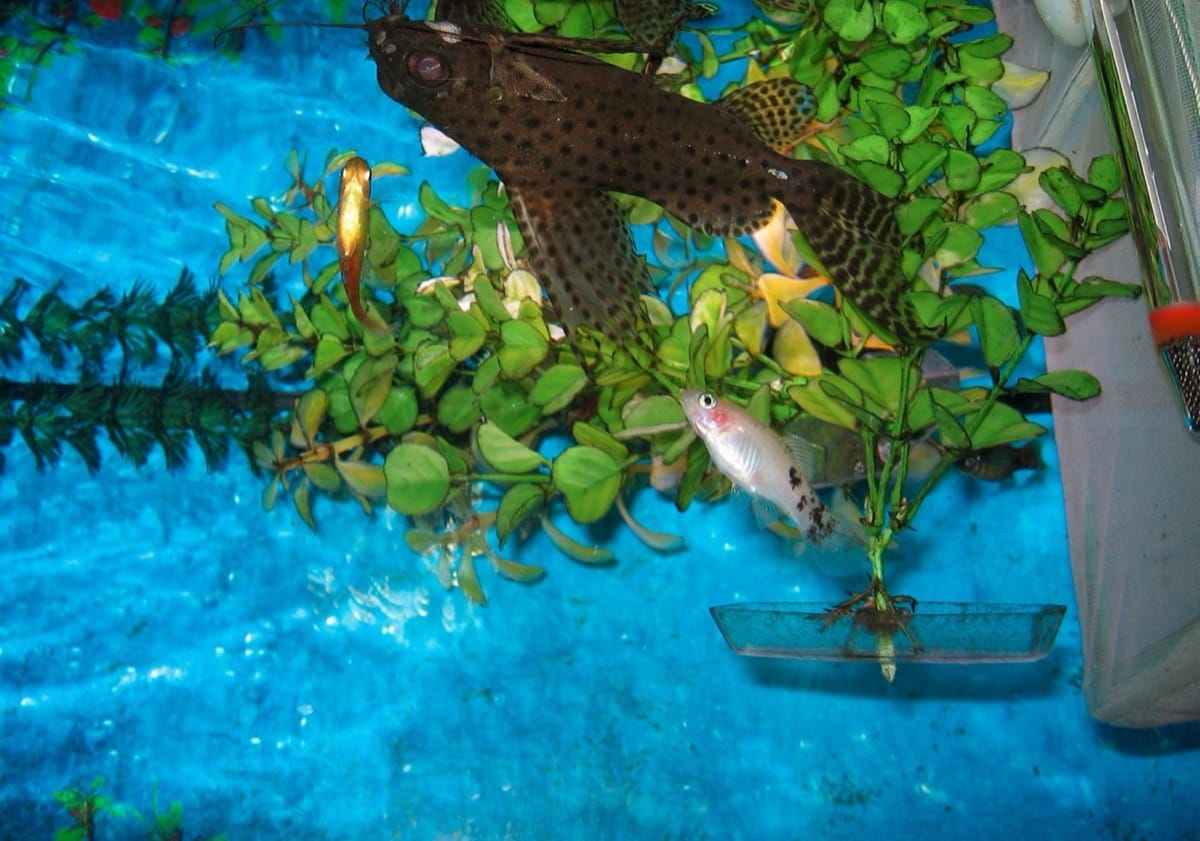
- 20–26°C
- pH 7–8.2
- 50 L+
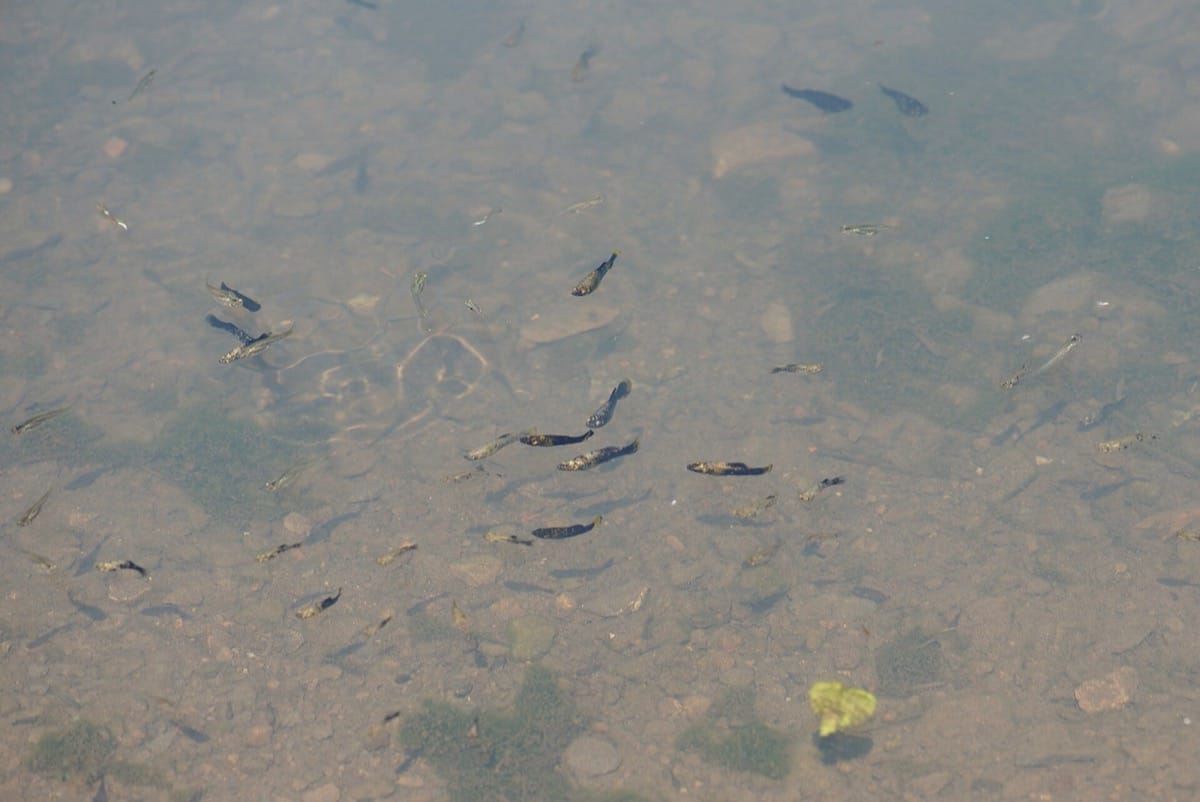
- 22–28°C
- pH 7–8.5
- 70 L+
- 21-25 C
- pH 6.0-7.5
- 60 L+; 60 x 30 cm base