pH, GH and KH Explained (Simply)
pH, GH and KH confuse a lot of new keepers. Here is what each one actually measures, and why stability matters more than any single number.
Water tests report pH, GH and KH, and beginners often mix them up. They are related but distinct: pH is how acidic or alkaline the water is, GH is general hardness (dissolved minerals), and KH is carbonate hardness, which buffers pH and keeps it stable.
What each one means
| Measure | What it is | Why it matters |
|---|---|---|
| pH | Acidity/alkalinity (0–14 scale) | Affects fish health and how ammonia behaves |
| GH | General hardness — calcium and magnesium | Suits some species, not others |
| KH | Carbonate hardness — buffering | Keeps pH from swinging |
pH: acidity and stability
Most common freshwater fish are happy in the range of about 6.5–7.5, but many tolerate wider. What matters more than an exact number is stability: a steady pH is better than chasing a "perfect" one that keeps moving. Sudden pH swings stress fish far more than a slightly unusual but constant value.
GH: general hardness
GH measures dissolved calcium and magnesium. Soft-water fish (many tetras and rasboras) prefer low GH; livebearers like guppies and platies, and many African cichlids, prefer harder water. GH is best matched by choosing fish that suit your tap water rather than chemically altering it.
KH: the buffer
KH is the water's ability to resist pH changes. High KH keeps pH steady and is good for most community tanks; low KH means pH can drift, especially if you inject CO₂. This is why KH matters when estimating CO₂ and why very soft water needs more care.
The practical approach
- Test your tap water first. Choose fish that suit it rather than fighting it.
- Prioritise stability. Keep pH steady; avoid unnecessary chemicals.
- You rarely need to adjust. Most popular community fish adapt to a broad range.
pH: acidity and alkalinity
pH measures how acidic or alkaline the water is, on a scale from 0 to 14. 7 is neutral, below 7 is acidic, above is alkaline. Most community fish are happy between 6.5 and 7.5, though some species have firm preferences. The scale is logarithmic, so a move from 7.0 to 8.0 is not "one step" but a tenfold change in acidity — a good reason to change pH slowly and rarely.
GH: general hardness
GH measures dissolved minerals, mainly calcium and magnesium. Fish and plants need these minerals, and some species — livebearers and many cichlids — want hard water, while discus, rams and most tetras from soft rivers want soft water. GH is measured in degrees, roughly written as dGH. Soft water is easier to harden with crushed coral or a mineral mix than hard water is to soften, so it pays to start with fish suited to your tap water.
KH: carbonate hardness
KH measures carbonates and bicarbonates, which act as a buffer that keeps pH steady. High KH resists pH swings; low KH lets pH drift, sometimes dropping sharply at night as CO2 builds. This is why KH is often called the tank's "shock absorber". Shrimp keepers watch it closely, since KH relates to the minerals their shells need, and a sudden drop can trigger moulting problems.
| Measure | What it is | Why it matters |
|---|---|---|
| pH | Acidity / alkalinity | Suits fish; should be stable |
| GH | Calcium & magnesium | Fish health and plant growth |
| KH | Carbonate buffer | Stops pH swinging |
Stability beats a number
Chasing a "perfect" pH with chemicals causes more problems than it solves. A fish that is acclimatised to your water will usually live happily at 7.4, whereas one subjected to daily shifts between 6.5 and 8.0 soon sickens. Test your tap water, choose fish that suit it, and change the tank's parameters, if at all, slowly. Regular water changes with the same source keep all three measures steady.
Reading a test kit
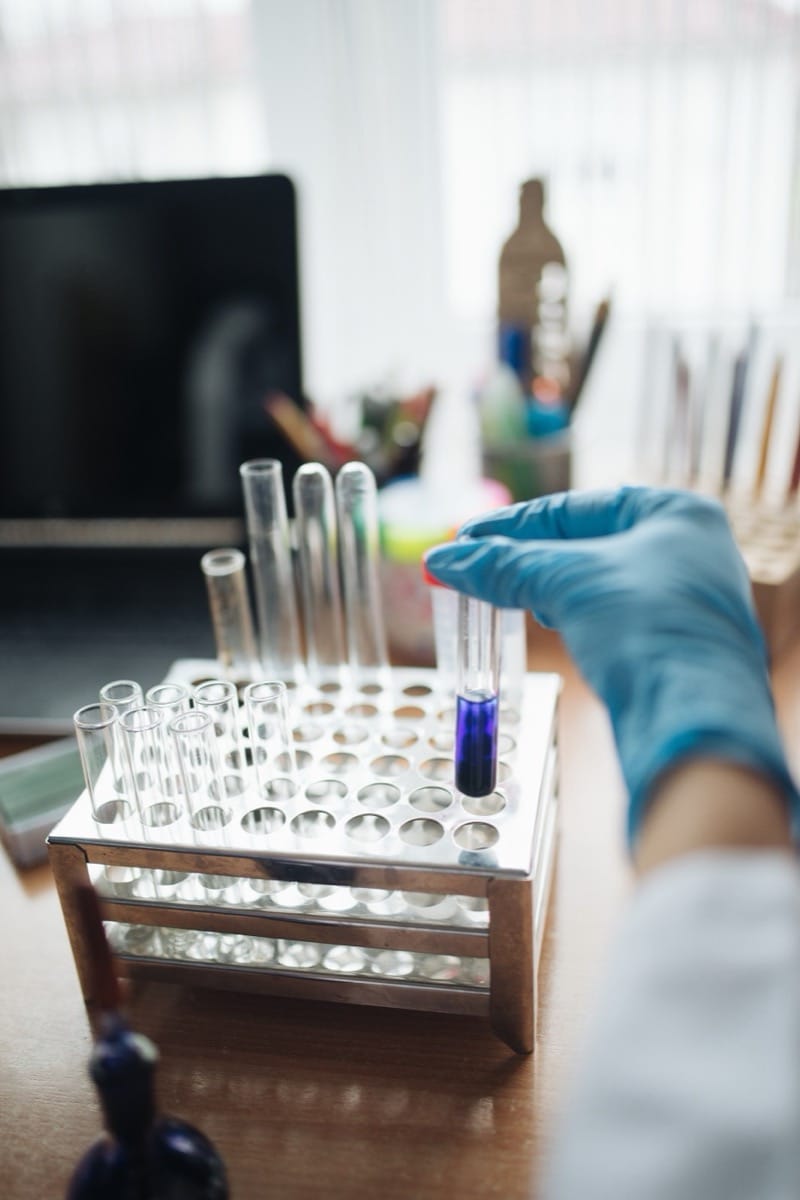
A liquid test kit gives a colour chart to compare against. Test pH at the same time of day, since it naturally rises and falls as plants and fish respire. Check GH and KH when setting up or after moving home, since tap water varies between towns. If KH is very low, watch pH for drops; if it is very high, expect pH to stay put. Record the numbers over a few weeks so you can see whether your tank is naturally stable before adjusting anything.
Should I use pH adjusters?
Usually not. Chasing a target pH causes swings that stress fish more than a steady but slightly different value.
Why did my pH drop?
Low KH, decaying matter, or CO₂ injection can lower pH. Test KH and keep up water changes.
Does hard water harm fish?
Only fish that need soft water. Match species to your water; most tap water suits many common species.
Related guides
Tools for this guide
Sources and research notes
Definitions follow standard water-chemistry references; practical guidance follows established fishkeeping advice.
Written and edited by the Tankwise Editorial. Every guide answers one real fishkeeping question, is checked against the sources listed above, and is updated when guidance changes. We are an independent editorial desk, not veterinary or aquarium professionals — read how we research and update our guides.
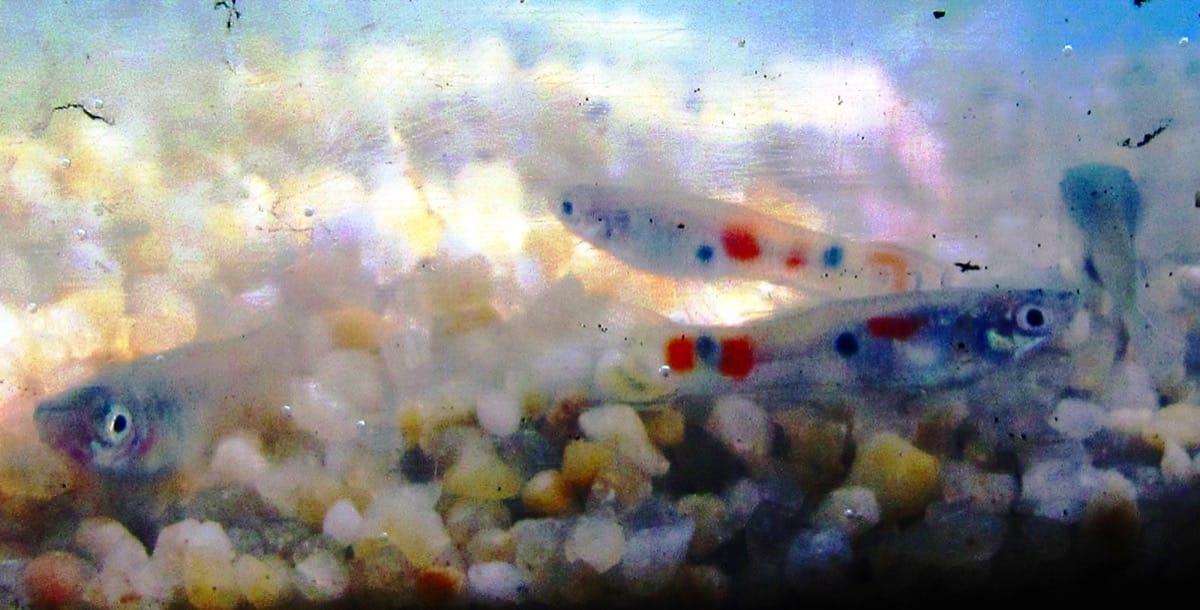
- 22-26 C
- pH 7.0-8.5
- 60 L+; 60 x 30 cm base
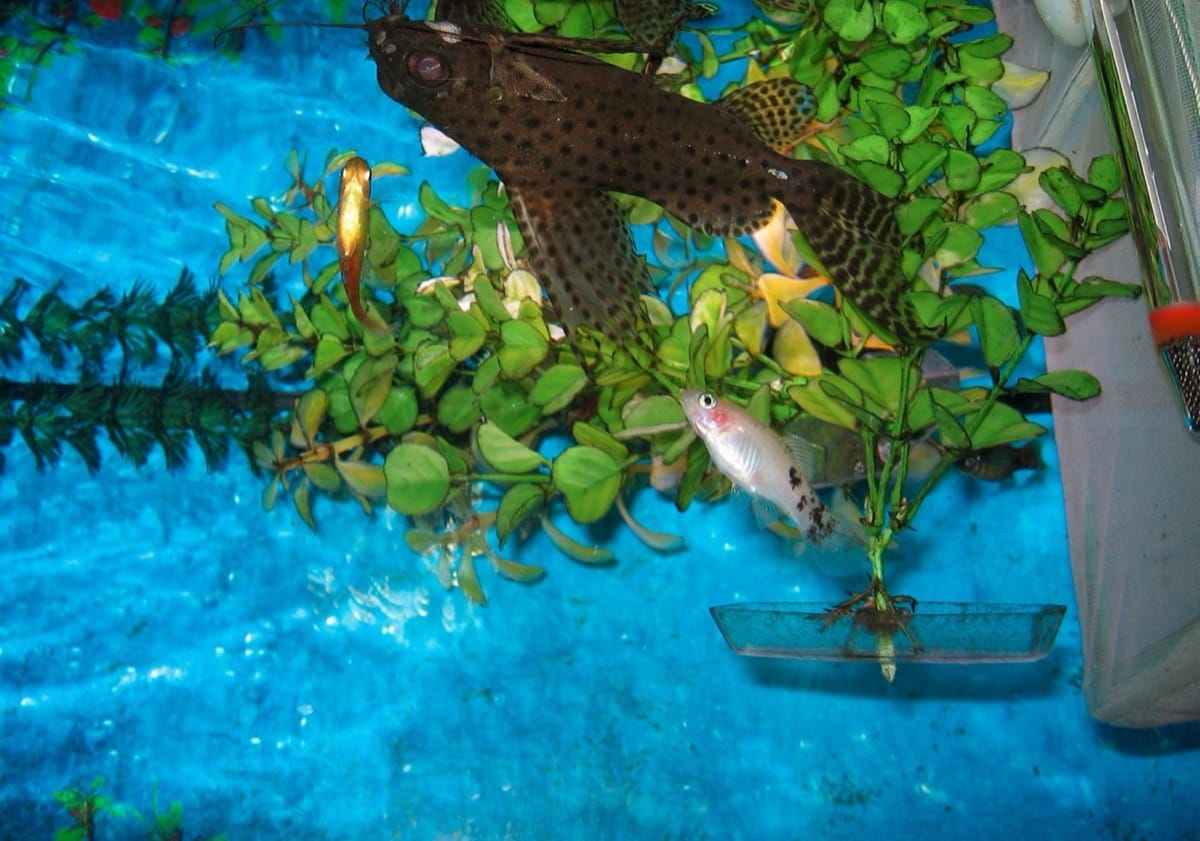
- 20–26°C
- pH 7–8.2
- 50 L+
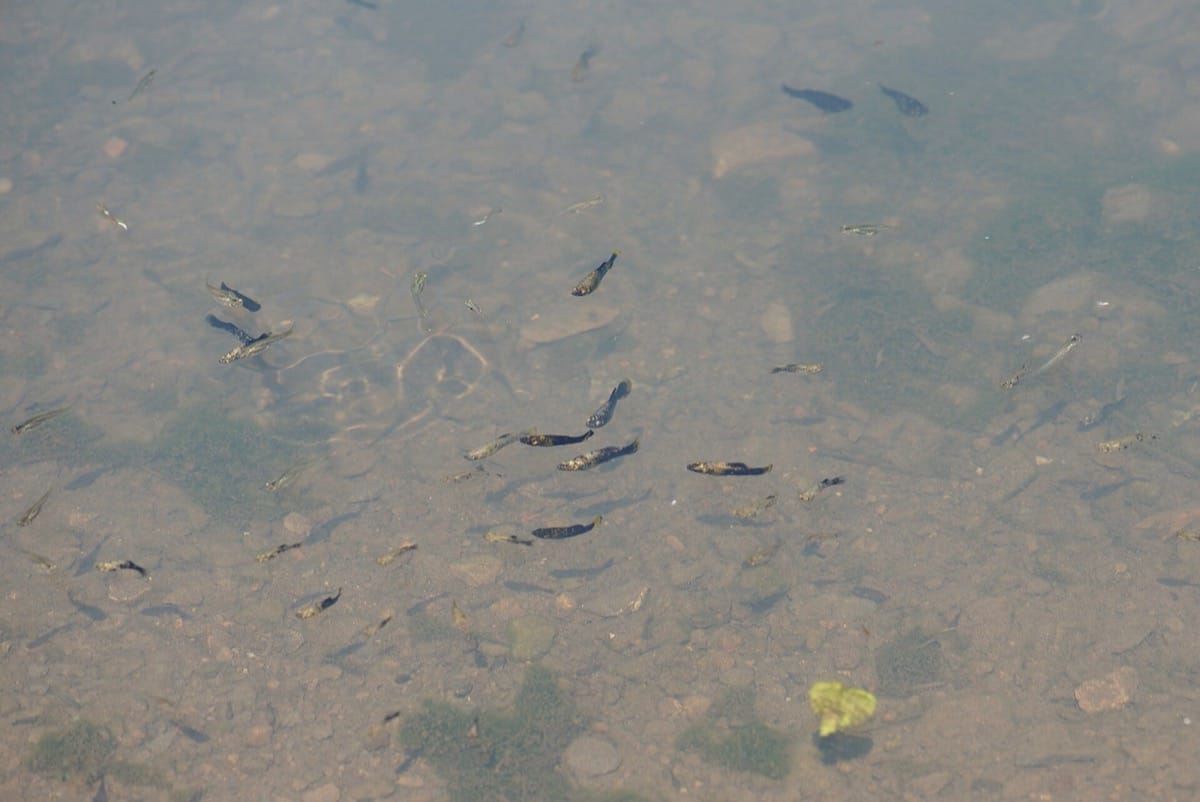
- 22–28°C
- pH 7–8.5
- 70 L+
- 21-25 C
- pH 6.0-7.5
- 60 L+; 60 x 30 cm base