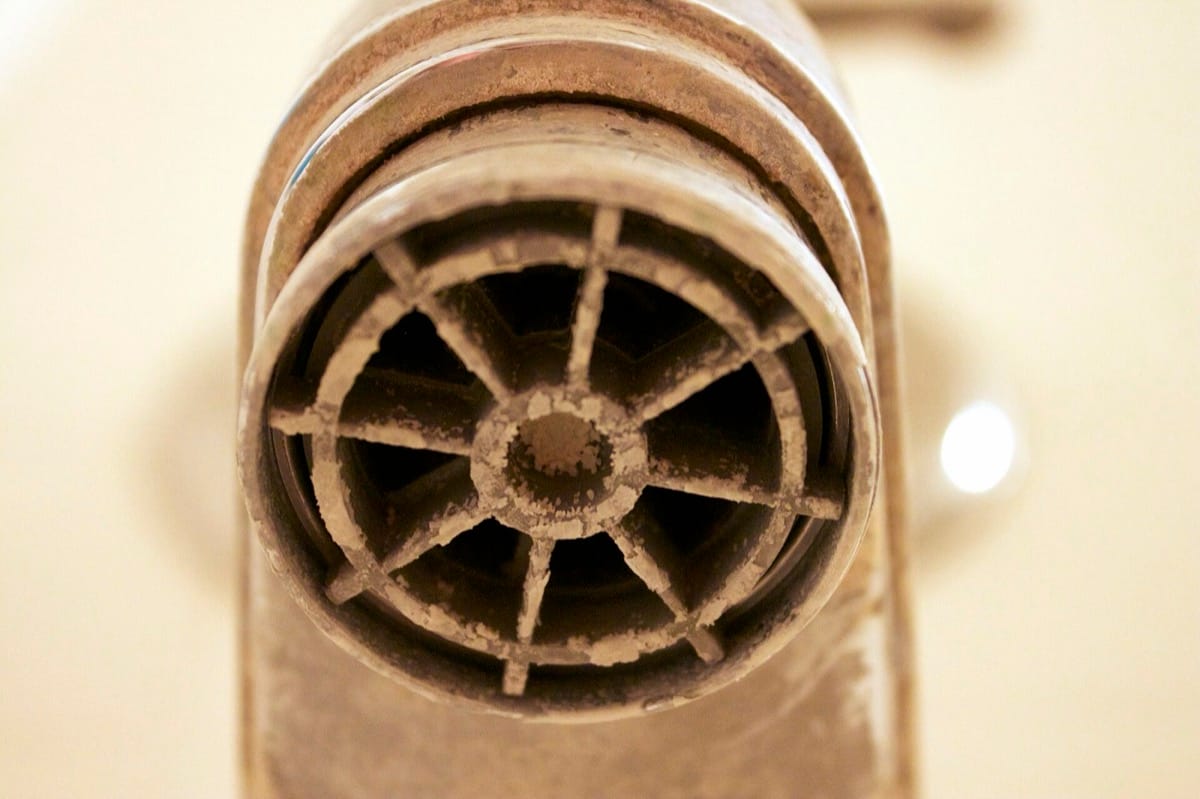
How to Raise Aquarium GH and KH (Hardness)
Hardness is two things: GH (calcium and magnesium) and KH (buffering). Raising them is easy and stable — the trick is knowing which one you actually need.
Hardness confuses people because "hard water" means two related things. GH is general hardness (calcium and magnesium); KH is carbonate hardness, the buffer that holds pH steady. Raising them is straightforward — and much more stable than lowering hardness.
Which do you need?
- GH matters for fish that need minerals — livebearers, many cichlids, snails and shrimp for shell health.
- KH matters for pH stability — high KH stops pH from crashing, and some species want it.
How to raise them
- Crushed coral or aragonite slowly raise both GH and KH — the easiest, most stable method.
- Limestone or shells in the tank or filter do the same, gently.
- Remineralisation salts (for GH) and bicarbonate of soda (for KH) give precise control, but must be dosed carefully at water changes.
Do it slowly
- Test GH and KH first so you know your starting point.
- Add a gentle source like crushed coral and let it work over days.
- Re-test and adjust slowly; never jump hardness in one go.
- Keep it stable — steady hardness matters more than a target number.
A note on lowering hardness
Lowering hardness is much harder: it usually needs reverse-osmosis water mixed with tap water. For most keepers it is far easier to choose fish that suit your tap water than to change it. See pH, GH and KH explained.
Which one do you need?
Hardness confuses people because "hard water" means two related measurements. GH (general hardness) is the dissolved calcium and magnesium, and it matters for fish that need minerals — livebearers, many cichlids — and for snails and shrimp, which need calcium for healthy shells and exoskeletons. KH (carbonate hardness) is the buffering that holds pH steady, and high KH is what stops pH from crashing. Some problems call for raising GH, some for KH, and some for both.
How to raise GH
GH is easy to raise with materials that slowly release calcium and magnesium: crushed coral, limestone, shells or a crushed coral substrate all lift GH over time and are hard to overdose. For precise control, use a remineralisation salt (often sold for shrimp) that sets GH to a target figure. Between the two, natural materials are gentler and more stable; salts are more exact.
How to raise KH
KH is the buffer, and raising it steadies pH. The simplest materials — crushed coral and aragonite — raise both GH and KH together, which suits hard-water tanks. To raise KH on its own, use bicarbonate of soda or a commercial KH buffer, dosed carefully. Remember that raising KH also nudges pH up, so always re-test after adjusting.
Doing it slowly
- Test GH and KH so you know your starting point and your target.
- Add a gentle source (like crushed coral) and let it work over days.
- Re-test and adjust slowly — never jump hardness in one go.
- Aim for stable figures rather than exact ones.
Lowering hardness instead
Lowering hardness is much harder: it usually means mixing with reverse-osmosis water to dilute the minerals. For most keepers it is far easier to choose fish that suit your tap water than to change the water to suit the fish. See the guides on pH and RO water for the soft-water route.
Why snails and shrimp need hard water
For snails and shrimp, hardness is not optional. Both need calcium and magnesium to build and maintain their shells and exoskeletons, and in soft, acidic water their shells erode or their moults fail. If you keep nerites, mystery snails or Neocaridina shrimp, keeping GH and KH suitable does as much for their health as feeding.
Stability over a number
A stable figure beats an exact one. Rather than chasing a target, choose materials — crushed coral, a coral substrate — that hold hardness steady, then test occasionally and keep water changes regular. Fish and shrimp cope far better with a slightly unusual but constant hardness than one that swings as you adjust it.
When your tap water is soft
If you keep hard-water species and your tap water is soft, raising hardness with crushed coral is one of the easiest fixes in the hobby — and one of the most stable, because the material releases minerals slowly and never overshoots.
Do snails and shrimp need hard water?
Yes — they need calcium and magnesium for shell and exoskeleton health. Soft water causes shell erosion.
Can I raise KH without GH?
Yes, with bicarbonate of soda, but go slowly. Crushed coral raises both together.
Is hard water bad for fish?
Only for soft-water species. Match fish to your water rather than fighting it.
Related guides
Tools for this guide
Sources and research notes
Guidance follows standard water-chemistry practice; raising hardness with natural buffers is far more stable than lowering it.
Written and edited by the Tankwise Editorial. Every guide answers one real fishkeeping question, is checked against the sources listed above, and is updated when guidance changes. We are an independent editorial desk, not veterinary or aquarium professionals — read how we research and update our guides.
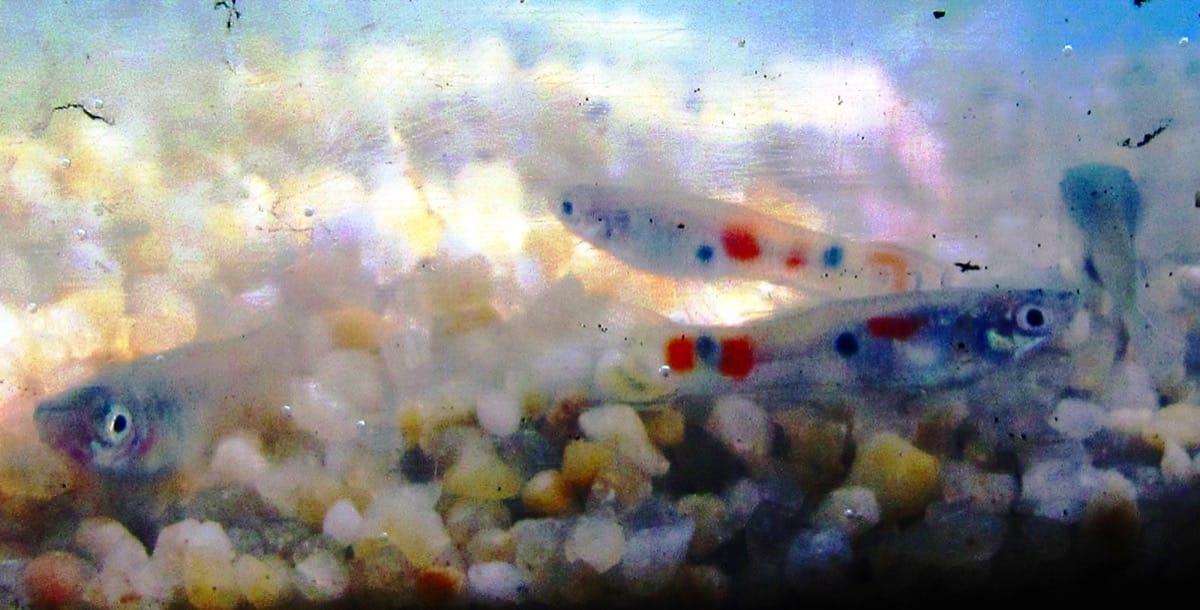
- 22-26 C
- pH 7.0-8.5
- 60 L+; 60 x 30 cm base
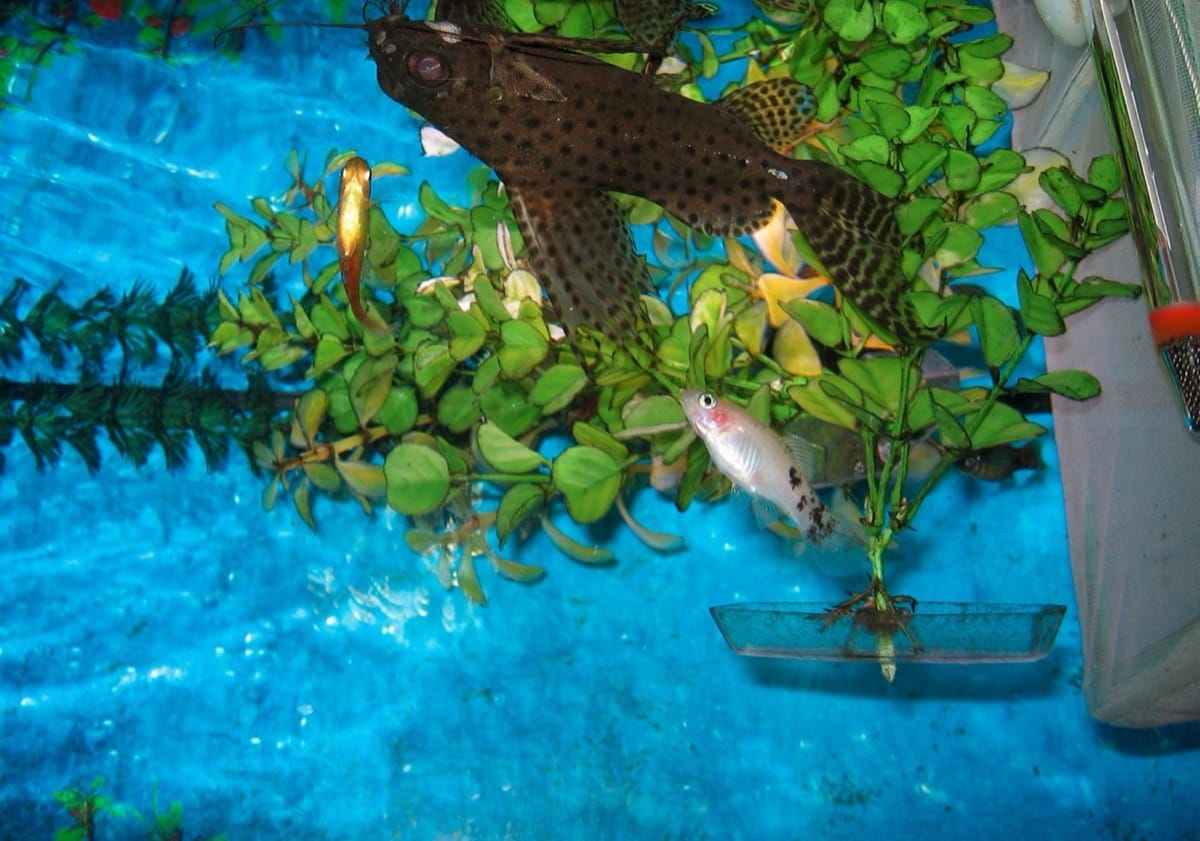
- 20–26°C
- pH 7–8.2
- 50 L+
- 22–28°C
- pH 7–8.5
- 70 L+
- 21-25 C
- pH 6.0-7.5
- 60 L+; 60 x 30 cm base