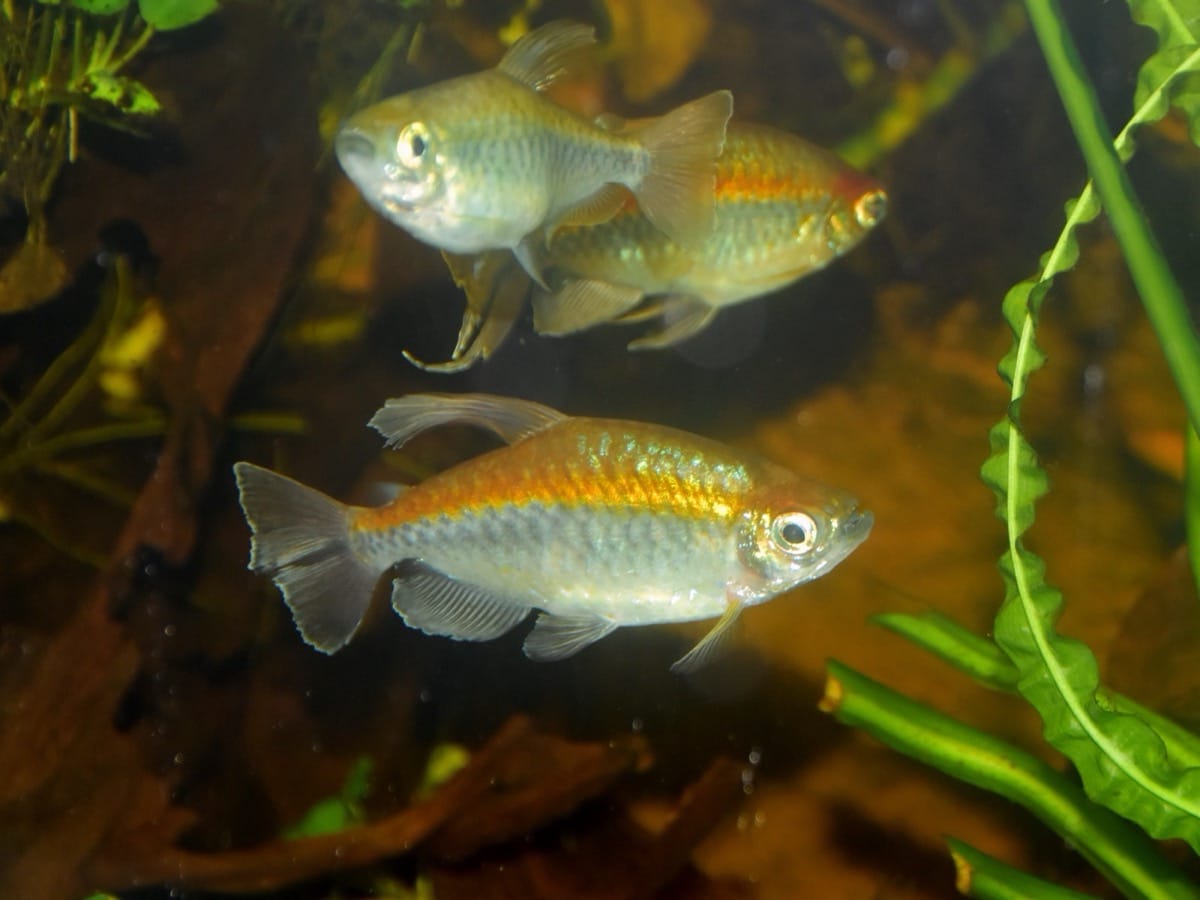
A large, shimmering African tetra whose males trail rainbow-tinged fins — a stunning shoaler.
- Temperature23–27 °C
- pH6–7.5
- Minimum tank90 L
- DifficultyIntermediate
| Food | Flake/pellet + frozen |
|---|---|
| Feeding | 1–2 feeds a day |
| Water change | 25% weekly |
Behaviour and habits
The Congo tetra is a large, shimmering African tetra whose males trail rainbow-tinged, veil-like fins, and it is one of the most graceful freshwater fish. It is an active, peaceful shoaler that needs length to swim and a group to show its colours, and it looks best in subdued light against a dark, planted background. It is a mid-water swimmer, gliding rather than darting, and it becomes far more spectacular as it matures in a settled, roomy tank.
What to feed, and how often
Flake or pellet plus frozen bloodworm, daphnia and the odd vegetable; feed once or twice a day. A varied diet keeps the males' fin colour and the body's iridescence strong, and it is an unfussy but fairly hearty eater.
Water changes and maintenance
Change about 25% weekly in soft-to-neutral water, matched closely. It appreciates a bigger tank and a mature, stable setup more than the small tetras do, and it dislikes sudden swings.
Care and how easy it is
Needs more space than the small tetras and settles best in a mature tank with a group of six or more; not for a cramped nano setup.
Common health problems
Prone to ich when stressed or moved; robust otherwise.
If it gets sick
Quarantine new fish, then keep the water warm and stable, and treat ich early.
Good tank mates
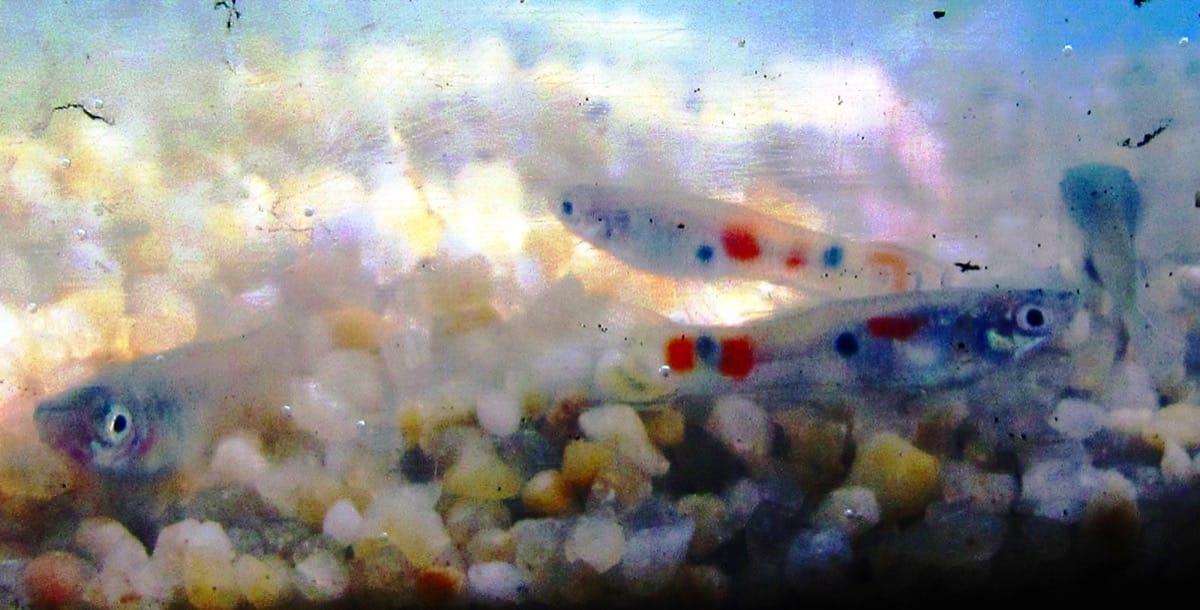
- 22-26 C
- pH 7.0-8.5
- 60 L+; 60 x 30 cm base
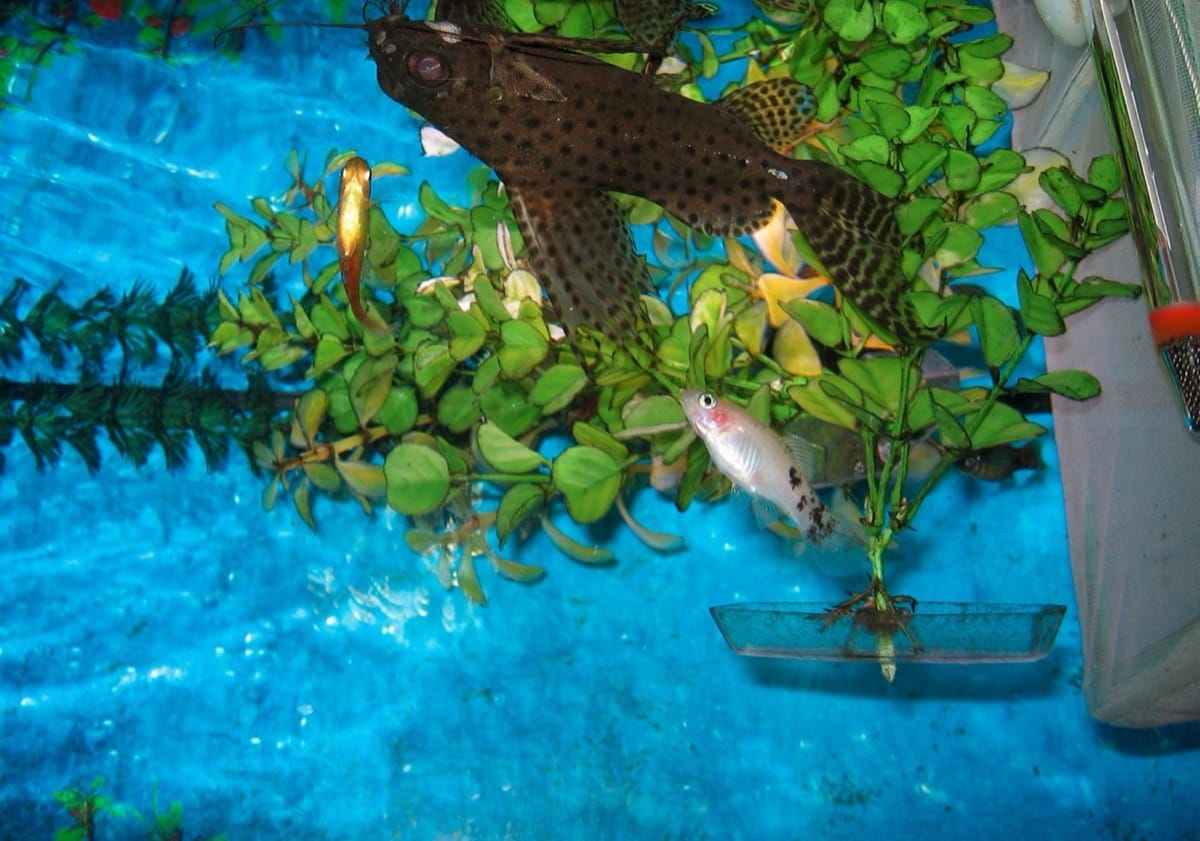
- 20–26°C
- pH 7–8.2
- 50 L+
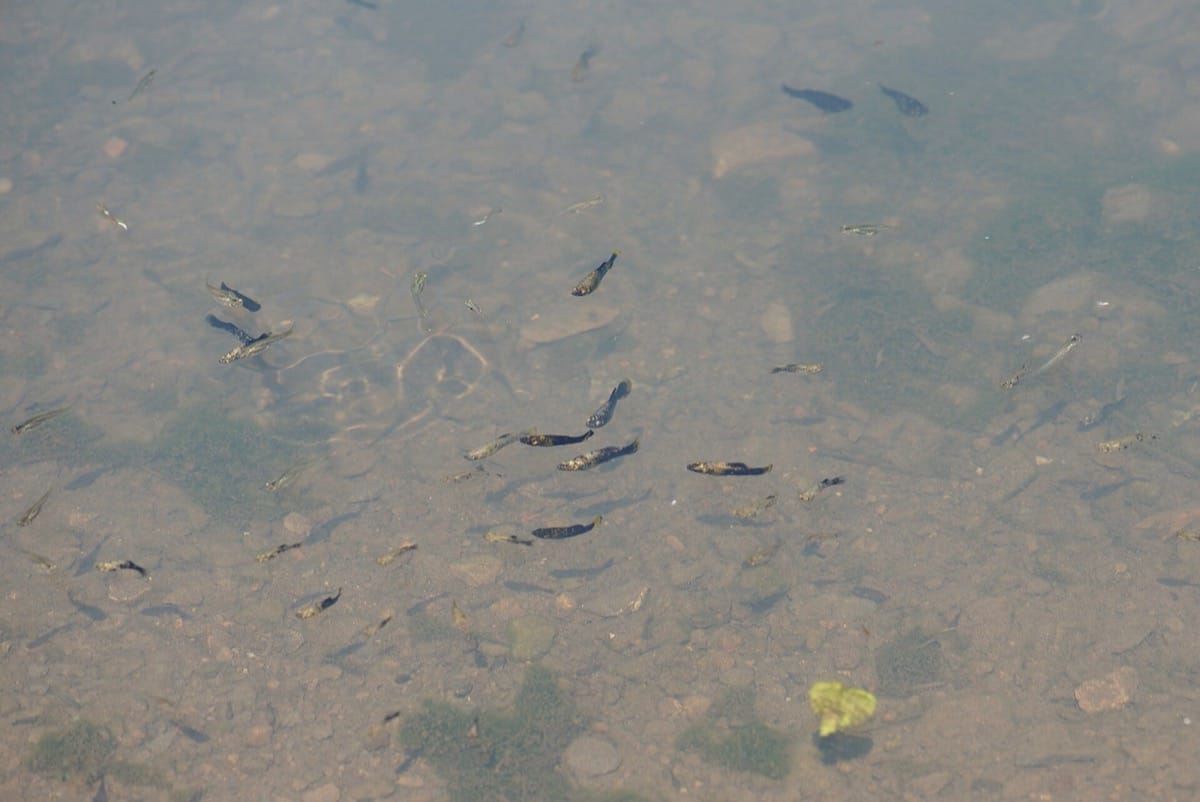
- 22–28°C
- pH 7–8.5
- 70 L+
Best avoided with
Similar species
- 22-26 C
- pH 7.0-8.5
- 60 L+; 60 x 30 cm base
- 20–26°C
- pH 7–8.2
- 50 L+
- 22–28°C
- pH 7–8.5
- 70 L+
Compare at a glance
| Parameters | Congo tetra | Guppy | Platy | Molly |
|---|---|---|---|---|
| Parameters | ||||
| Temp | 23–27 °C | 22–28 °C | 20–26 °C | 22–28 °C |
| pH | 6–7.5 | 6.8–8 | 7–8.2 | 7–8.5 |
| GH | 4–15 °dGH | 8–20 °dGH | 10–25 °dGH | 12–25 °dGH |
| Min. tank | 90 L | 40 L | 50 L | 70 L |
| Size | 8 cm | 5 cm | 6 cm | 8 cm |
| Diet | Omnivore | Omnivore | Omnivore | Omnivore |
| Temperament | Peaceful | Peaceful | Peaceful | Peaceful |
| Difficulty | Intermediate | Beginner | Beginner | Beginner |
Care guides
New to the words? See the aquarium glossary.
Sources and research notes
Parameters are typical ranges for the species in home aquariums and vary with the individual fish and the water you use.