How to Acclimate New Fish (Float and Drip)
How you introduce a new fish decides whether it settles or stresses. Float, mix and net — the right way to acclimate a new arrival in half an hour.
New fish usually die for one of two reasons: the tank was not cycled, or the fish were added too fast. The second is easy to avoid. "Acclimating" simply means letting the fish adjust gradually to your water — especially temperature — before it is released.
Quick answer
Float the bag, then drip or slowly mix tank water over 20–40 minutes
- Light
- Turn tank lights off first to reduce stress.
- Temperature
- Float the sealed bag 15–20 minutes to equalise temperature.
- Water
- Drip or add small amounts of tank water over 20–40 minutes.
- Release
- Net the fish in; do not pour bag water into the tank.
Why it matters
Shops and breeders keep fish in different water from yours — often a different temperature, pH and hardness. Going straight from bag to tank is a shock that stresses the fish and can trigger disease. Slow acclimation lets them adjust without that shock.
Step by step
- Dim the lights. Turn the tank light off and keep the room calm; stress makes everything harder on the fish.
- Float the bag. Let the sealed bag float in the tank for 15–20 minutes so the water inside reaches tank temperature.
- Open the bag and add tank water. Roll the bag edges and add a cupful of tank water every 5–10 minutes, or use airline tubing to drip tank water in slowly. Aim to roughly double the water in the bag over 20–40 minutes.
- Watch the fish. If it starts to tip over or gasp, slow down or stop and let it recover.
- Net it in. Scoop the fish with a net and release it into the tank. Do not pour the bag water in — it may carry disease or pests from the shop system.
- Keep it dark and quiet. Leave the lights off for a few hours and skip feeding for the first day.
Before the fish arrive
- Make sure the tank is cycled. If ammonia or nitrite is not zero, wait — see the fishless cycling guide.
- Have a quarantine tank ready if you plan to isolate new arrivals; see quarantine tank basics.
- Check the water the day before, and match temperature closely.
Bag or drip?
Floating the bag is fine for temperature, but it does nothing for water chemistry differences. A drip acclimation — a length of airline tubing with a knot to slow the flow — gradually mixes tank water into the container and is gentler for sensitive or expensive fish. For hardy species, the cup-of-water method is enough.
Why acclimation matters
A new fish has just travelled from a shop tank with different temperature and water to yours. Dumped straight in, it faces temperature shock and a sudden change in pH and hardness, which suppresses its immune system right when it is already stressed. Careful acclimation softens that transition and greatly improves the fish's chances of settling without disease.
Step 1: float the bag
Switch the tank lights off to reduce stress. Float the sealed bag on the surface for 15–20 minutes so the temperature equalises slowly. You can clip it to the side to stop it drifting. This step alone prevents the most common shock — a sudden change from the shop's water temperature to yours.
Step 2: mix the water
After floating, open the bag and add a little tank water every few minutes — for example, a quarter of the bag's volume at a time, over twenty to thirty minutes — so pH and hardness adjust gradually. This "drip" or "mix" method is especially important if your water differs from the shop's, or for sensitive species. For very delicate fish, a slow airline drip is the gentlest option.
Step 3: release the fish
Net the fish out of the bag rather than pouring the bag's water into the tank, so you do not transfer shop water, waste or any pathogens into your aquarium. Gently release it into the tank, ideally with the lights off, and let it find cover. Discard the bag water — never add it to the tank.
After the introduction
- Leave the lights off for the rest of the day.
- Do not feed for several hours, sometimes until the next day.
- Watch for clamped fins, hiding or gasping over the next few days.
- Test ammonia and nitrite, especially if you added several fish at once.
Acclimation is not quarantine
These are two different things, and both matter. Acclimation eases the fish into your water; quarantine keeps it apart for weeks to watch for disease before it meets your other fish. In an ideal world you acclimatise the new fish into a quarantine tank, observe it, and only later repeat the process into the main display. That way a hidden problem never reaches your existing stock.
Common mistakes
- Dumping the fish and bag water straight in.
- Rushing the temperature float or skipping it.
- Pouring shop water into the tank.
- Feeding immediately and adding waste during stress.
- Adding many fish at once, spiking ammonia.
The bottom line
Float, mix, net, then leave the fish in peace. Half an hour of patience at the start gives a new fish the calm, gradual transition it needs, and is one of the simplest habits that separates thriving fish from ones that struggle from day one.
How long should acclimation take?
For most fish, 20–40 minutes after temperature matching. Sensitive species take longer.
Should I feed the new fish straight away?
No. Skip food for the first day; stressed fish do not digest well and uneaten food fouls the water.
Can I add the bag water to the tank?
Better not — it can carry disease, parasites or unwanted water from the shop system.
Related guides
Tools for this guide
Sources and research notes
Acclimation practice follows standard fishkeeping guidance on introducing new fish. Timings vary with species and the difference between shop and tank water.
Written and edited by the Tankwise Editorial. Every guide answers one real fishkeeping question, is checked against the sources listed above, and is updated when guidance changes. We are an independent editorial desk, not veterinary or aquarium professionals — read how we research and update our guides.
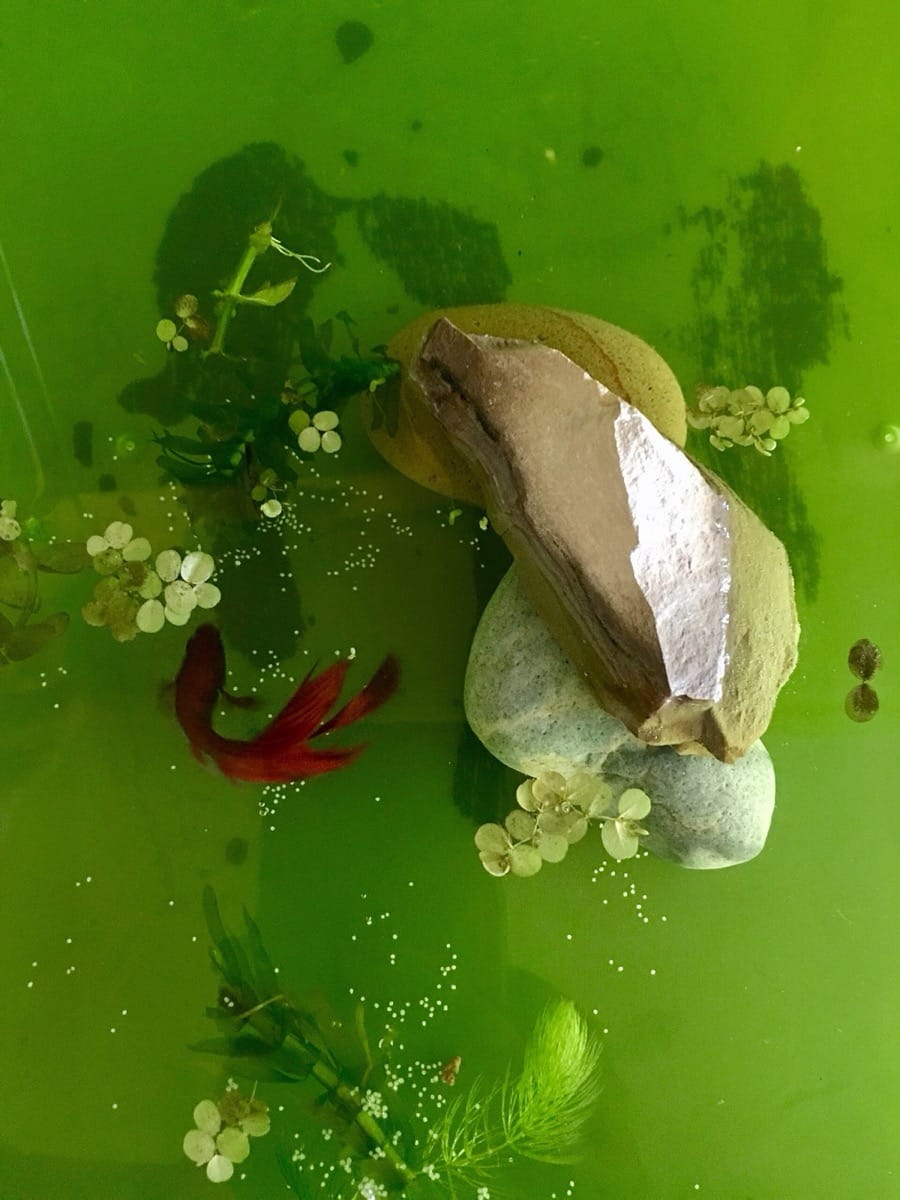
- 24-26 C
- pH 6.5-7.5
- 40 L+; 45 x 30 cm base
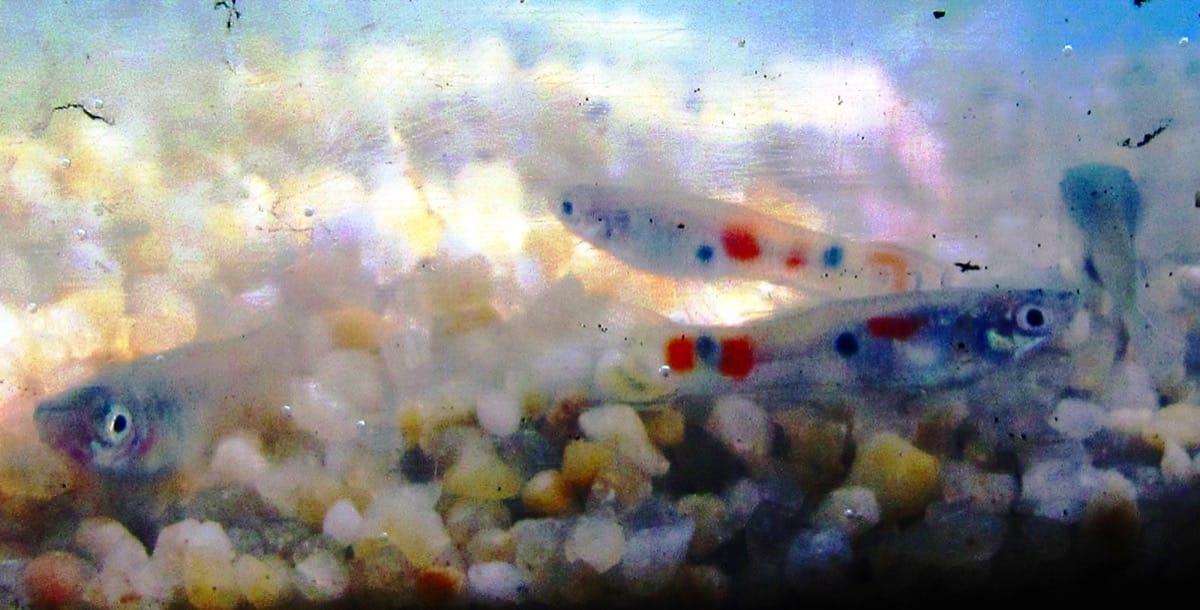
- 22-26 C
- pH 7.0-8.5
- 60 L+; 60 x 30 cm base
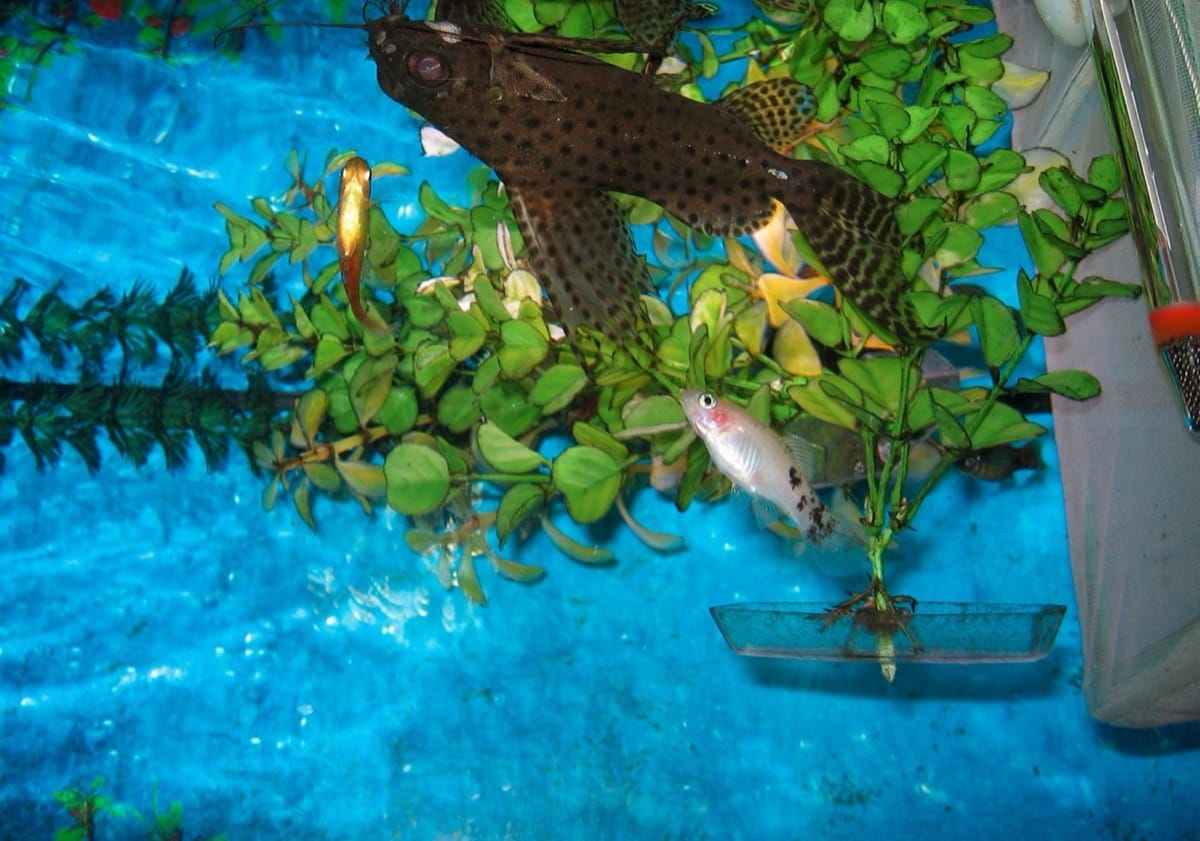
- 20–26°C
- pH 7–8.2
- 50 L+
- 20–26°C
- pH 6–7.8
- 60 L+