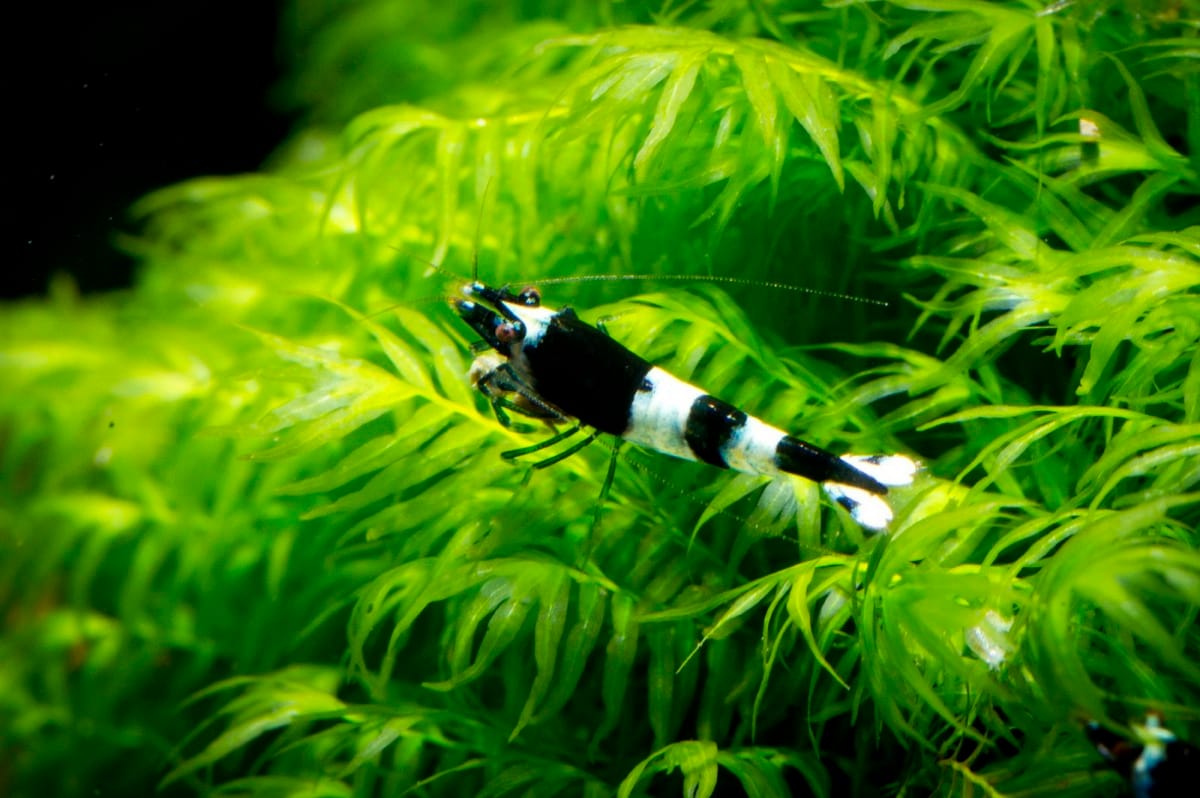
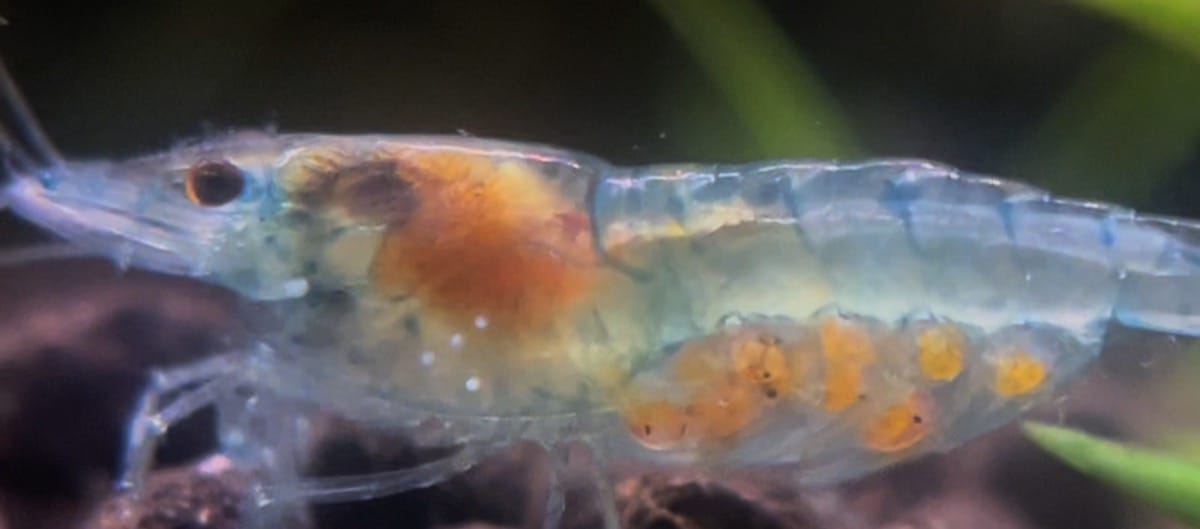
A beautiful but demanding bee shrimp that needs soft, acidic, very stable water.
- Temperature20–24 °C
- pH5.8–6.8
- Minimum tank20 L
- DifficultyAdvanced
| Food | Shrimp food + spinach |
|---|---|
| Feeding | Tiny feeds every 1–2 days |
| Water change | 10–15%, dripped |
Behaviour and habits
Crystal red shrimp are beautiful but demanding bee shrimp that need soft, acidic, very stable water. They graze on biofilm and specialised food, hide to moult and breed only slowly, so a colony builds gently over months rather than exploding. They are peaceful and suit a dedicated shrimp tank, but they are sensitive to change and do poorly in a tank where the water chemistry drifts.
What to feed, and how often
A specialist shrimp food plus blanched spinach, fed in tiny amounts every one to two days; they graze biofilm between meals and cannot cope with much waste. Overfeeding fouls the water and harms them, so less is very much more with these shrimp.
Water changes and maintenance
Change only 10–15% at a time, using soft, remineralised water dripped in slowly. Stability of GH, KH and pH is everything with Caridina shrimp, so match the new water very closely and never rush a change.
Care and how easy it is
Not a beginner shrimp: it needs an active, buffering substrate and very stable parameters, and it is best kept in a dedicated setup with no fish that would eat it.
Common health problems
Failed moults and bacterial infections from unstable water are the main problems.
If it gets sick
Stabilise GH, KH and pH first; never use copper, and isolate affected shrimp while keeping the water pristine.
Good tank mates
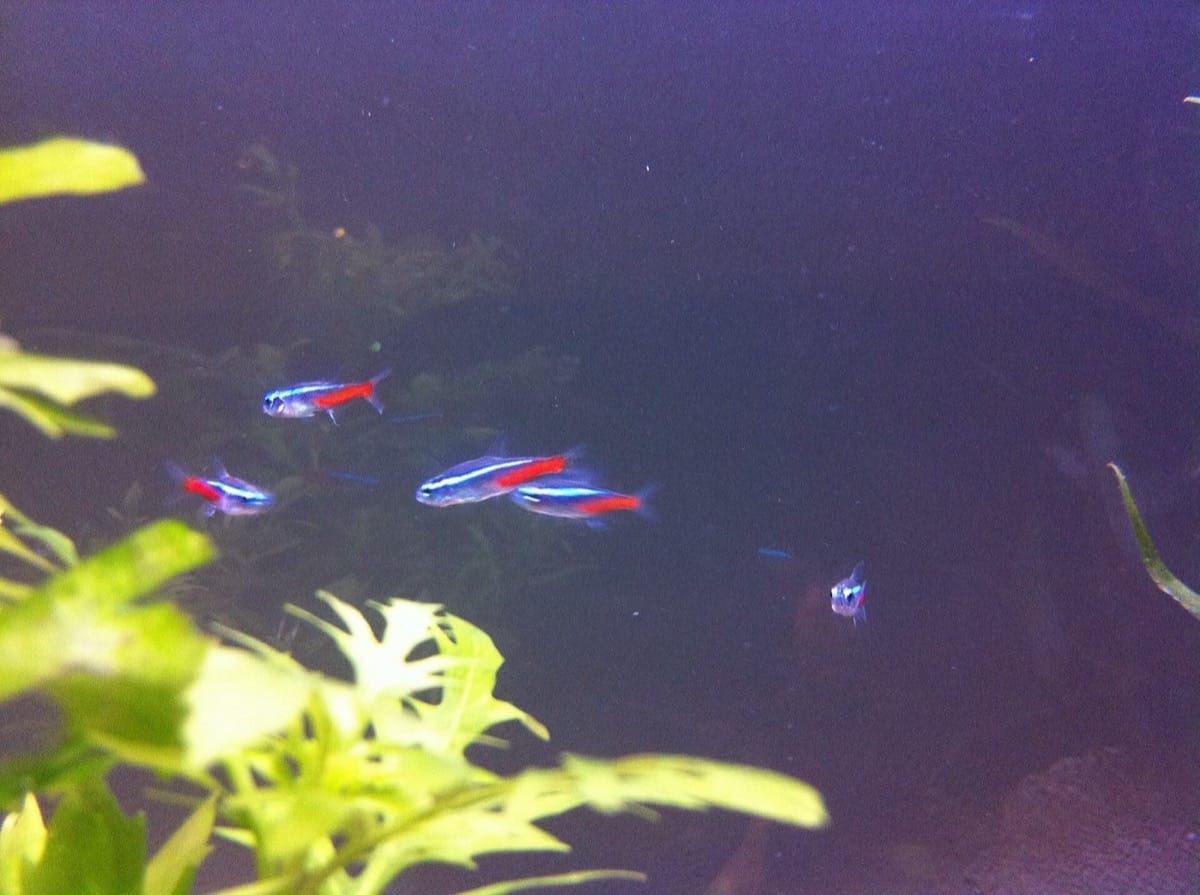
- 21-25 C
- pH 6.0-7.5
- 60 L+; 60 x 30 cm base
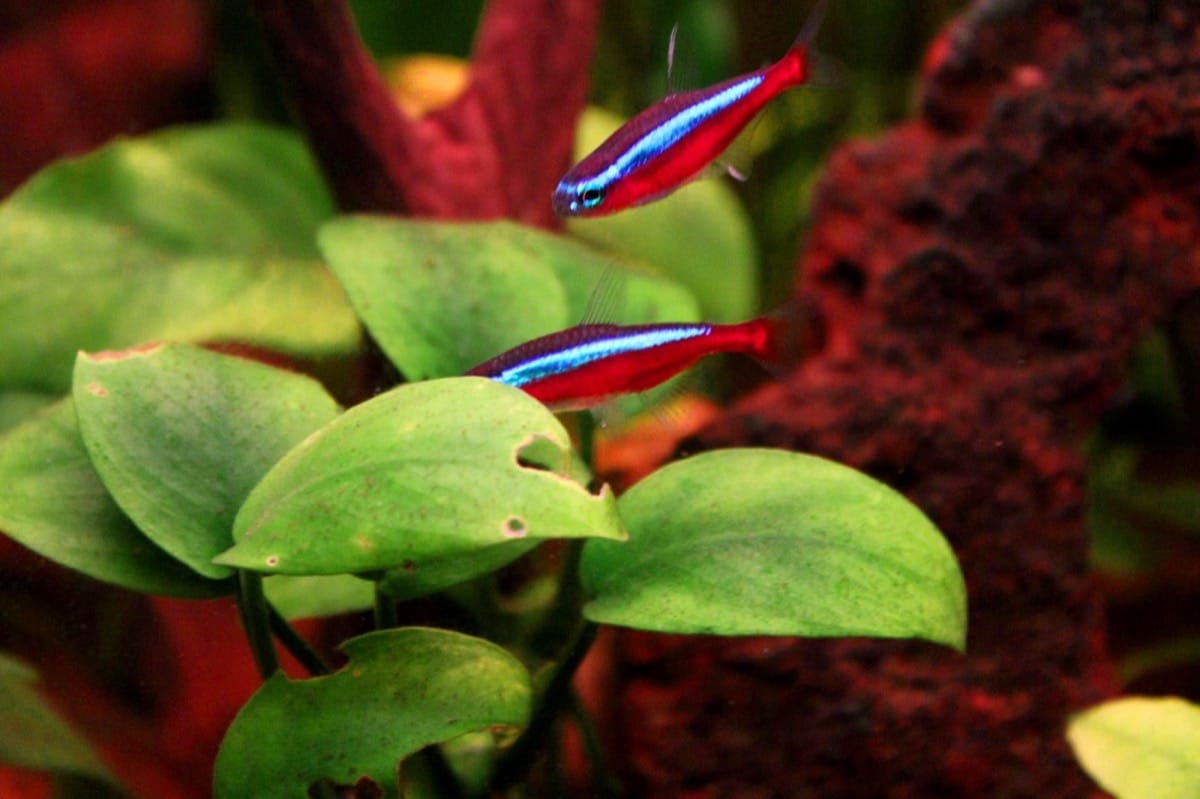
- 23–28°C
- pH 5–6.8
- 60 L+
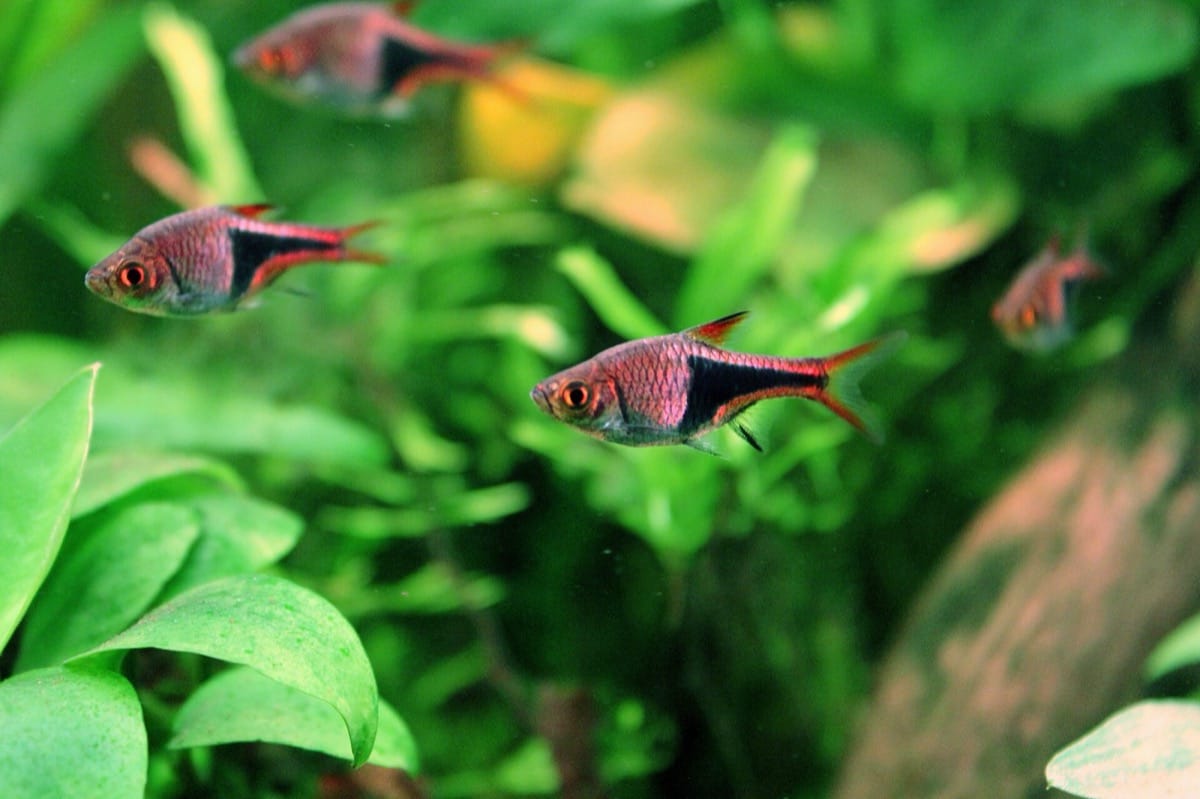
- 22–27°C
- pH 6–7.5
- 60 L+
- 23–27°C
- pH 6–7.5
- 80 L+
- 22–27°C
- pH 6–7.5
- 50 L+
Best avoided with
Similar species
- 18–26°C
- pH 6.5–8
- 20 L+
- 15-28 C published range
- pH 6.0-8.0
- 40 L or more for a small group; editorial starting plan
- 18–26°C
- pH 6.5–8
- 20 L+
Compare at a glance
| Parameters | Crystal red shrimp | Cherry shrimp | Amano shrimp |
|---|---|---|---|
| Parameters | |||
| Temp | 20–24 °C | 18–26 °C | 20–27 °C |
| pH | 5.8–6.8 | 6.5–8 | 6.5–7.5 |
| GH | 4–8 °dGH | 4–15 °dGH | 5–15 °dGH |
| Min. tank | 20 L | 20 L | 20 L |
| Size | 3 cm | 3 cm | 5 cm |
| Diet | Omnivore | Omnivore | Omnivore |
| Temperament | Peaceful | Peaceful | Peaceful |
| Difficulty | Advanced | Beginner | Beginner |
Care guides
New to the words? See the aquarium glossary.
Sources and research notes
Parameters are typical ranges for the species in home aquariums and vary with the individual fish and the water you use.